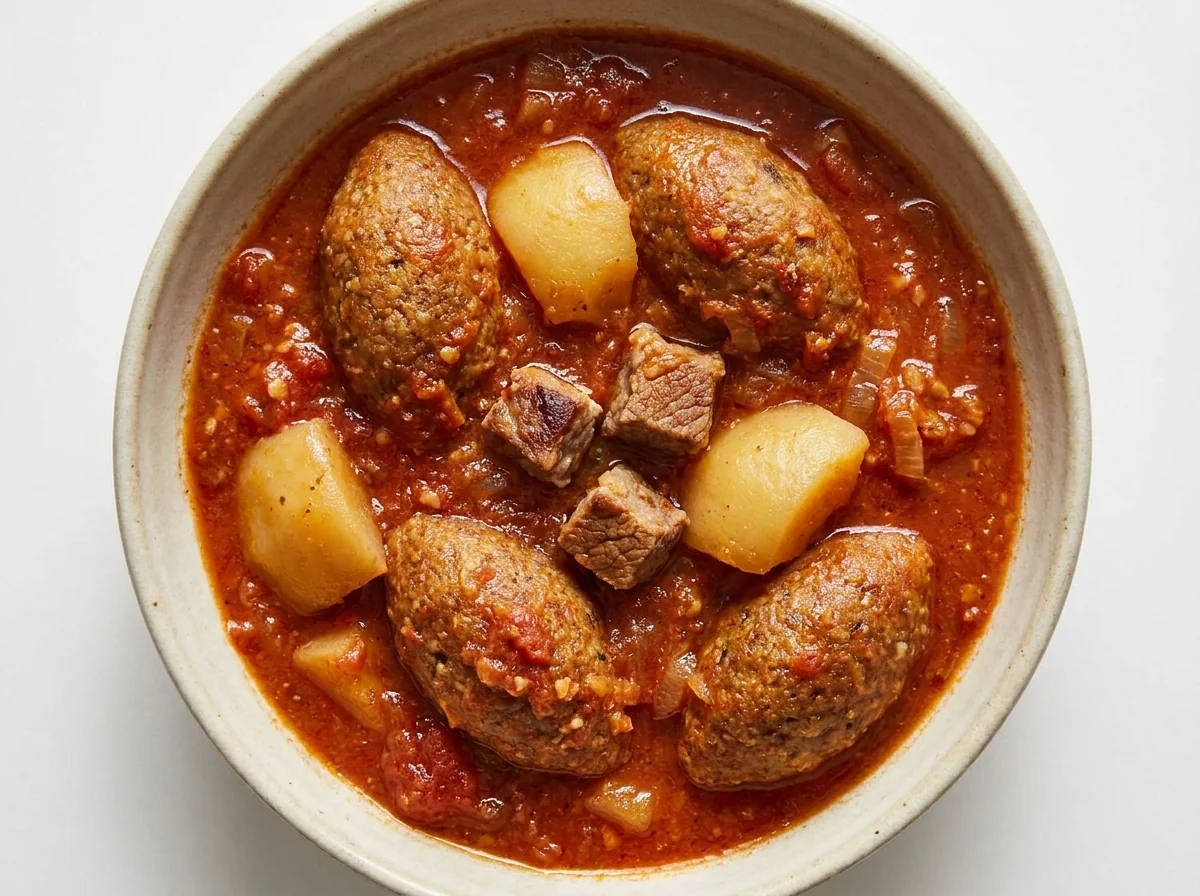
We cook Kibbeh Safarjaliyeh as it is known in the old cuisine of Aleppo, where the tartness of quince and pomegranate molasses meets the boiled kibbeh balls and lamb.
It used to be made during quince season and on the tables of Ramadan and holidays, and the dried mint and the fruity aroma give it an Aleppan character that brings together the sweet and the sour on a single plate.
Preparation Steps
Preparing the kibbeh dough
Wash the fine bulgur and drain it well, then put it in the food processor with the beef, grated onion, cinnamon, spices, and salt, and grind until you get a firm, cohesive dough.
Shaping the balls
Wet your hands with water and shape the dough into small balls the size of a walnut, then arrange them on a plate.
Boiling the kibbeh
Bring lightly salted water to a boil in a wide pot, and boil the kibbeh balls over medium heat for about ten minutes until they float and firm up, then lift them out, drain them, and arrange them on the serving plate.
Cooking the meat
Heat the oil in a pot and sauté the lamb cubes with the bay leaves until their color changes, then add the water, let it come to a boil, and skim the foam off the top.
Adding the quince and the sauce
Add the quince pieces, tomato paste, garlic, pomegranate molasses, dried mint, sugar, and salt, then lower the heat and let the pot simmer gently for about forty-five minutes until the meat is done, the quince softens, and the sauce thickens.
Serving
Pour the meat and quince with their sauce over the arranged kibbeh balls, and serve the dish hot with vermicelli rice or bread.
Blood Sugar Impact
The glycemic index (GI) measures how quickly a food raises blood sugar, while the glycemic load (GL) measures how much a full serving raises it. Together they give the complete picture.
Glycemic Index
GI
43Low
Low0–55Medium56–69High70+
A low value (≤55) means a gradual rise in blood sugar — the most suitable range for diabetes and insulin resistance.
Glycemic Load
GL
18Medium
Low0–10Medium11–19High20+
Glycemic load reflects the impact of the full serving. To lower it: take half a serving, or pair the recipe with a source of protein and fiber.
Nutritional Information
Per ServingMakes 6 servings · one serving is about 470 g of raw ingredients
Calories630 kcal32%of Daily Value*
Protein32 g64%of Daily Value*
Carbohydrates53 g19%of Daily Value*
Fat33 g42%of Daily Value*
Fiber10 g36%of Daily Value*
Sodium409 mg18%of Daily Value*
* Percent Daily Values are based on a 2,000-calorie diet per FDA food-label reference values — your daily needs may be higher or lower. Values are derived from the recipe's ingredients via the USDA database.
Troubleshooting
The most common problems when preparing Aleppo Kibbeh with Quince (Kibbeh Safarjaliyeh), and how to fix them:
The kibbeh balls fall apart in the water
Grind the bulgur with the meat well until the dough holds together, let it rest a little before shaping, and boil the balls over medium rather than high heat.
The quince stayed hard
Cut the quince into thinner slices and extend its cooking over gentle heat, since quince needs more time than apple to soften.
The sauce is too tart
Balance the acidity with a slight increase in sugar or tomato paste, and add a little hot water so the sharpness of the pomegranate molasses eases.
Storage and Make-Ahead
Refrigerator
Keep the dish in an airtight container for up to three days, and reheat it over gentle heat with a splash of water so the sauce does not dry out.
Freezing
Freeze the meat with its sauce without the kibbeh balls for up to a month, and it is best to boil the kibbeh fresh at serving so it stays tender.
Tested Ingredient Substitutions
Original Ingredient
Tested Substitute
Ratio
Flavor Difference
lamb
beef or veal
same weight, 600 g
Veal is lighter in fat and needs a comparable cooking time
quince
tart green apple
same weight, 450 g
Apple cooks faster, so add it in the last quarter hour so it does not fall apart
pomegranate molasses
concentrated pomegranate juice or lemon juice
to the desired acidity
Start with a small amount and taste until you adjust the acidity
fine bulgur
well-washed fine bulgur
same weight, 250 g
Fine bulgur is the basis of the kibbeh's cohesion, so do not replace it with coarse bulgur
How Much Does It Make? Scaling Guide
Ingredient
Half amount
Base amount (base)
Double
Lamb
300 g
600 g
1200 g
Kibbeh meat
150 g
300 g
600 g
Fine bulgur
125 g
250 g
500 g
Quince
225 g
450 g
900 g
Pomegranate molasses
22 ml
45 ml
90 ml
Salt (total)
3.5 g
7 g
14 g
EEINA Nutrition Tip
Choose a ripe, firm quince and cook it until it softens without falling apart, and add the pomegranate molasses gradually while tasting, since the tartness of the molasses varies from one kind to another.
Add This Recipe to Your Plan
The EEINA app saves your favorite recipes, calculates them from their real ingredients, and shows your daily numbers toward your goal. Try it free now.
It is distinguished by its quince-and-pomegranate-molasses sauce that brings together the sweet and the sour, and it is one of the dishes of Aleppan cuisine cooked during quince season in autumn.
Can the kibbeh be prepared in advance?
Yes, shape the kibbeh balls and freeze them raw, then boil them directly when cooking without thawing so they stay firm.
What do we serve Kibbeh Safarjaliyeh with?
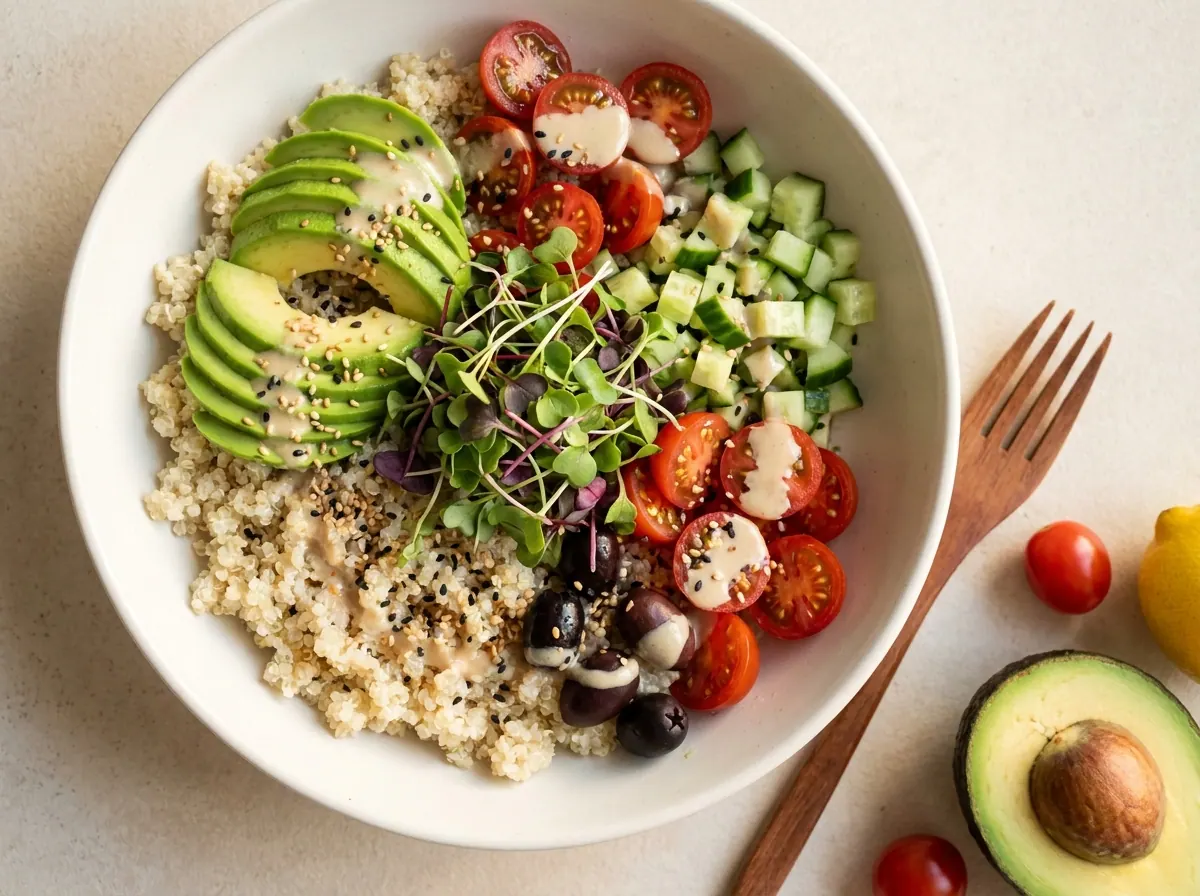
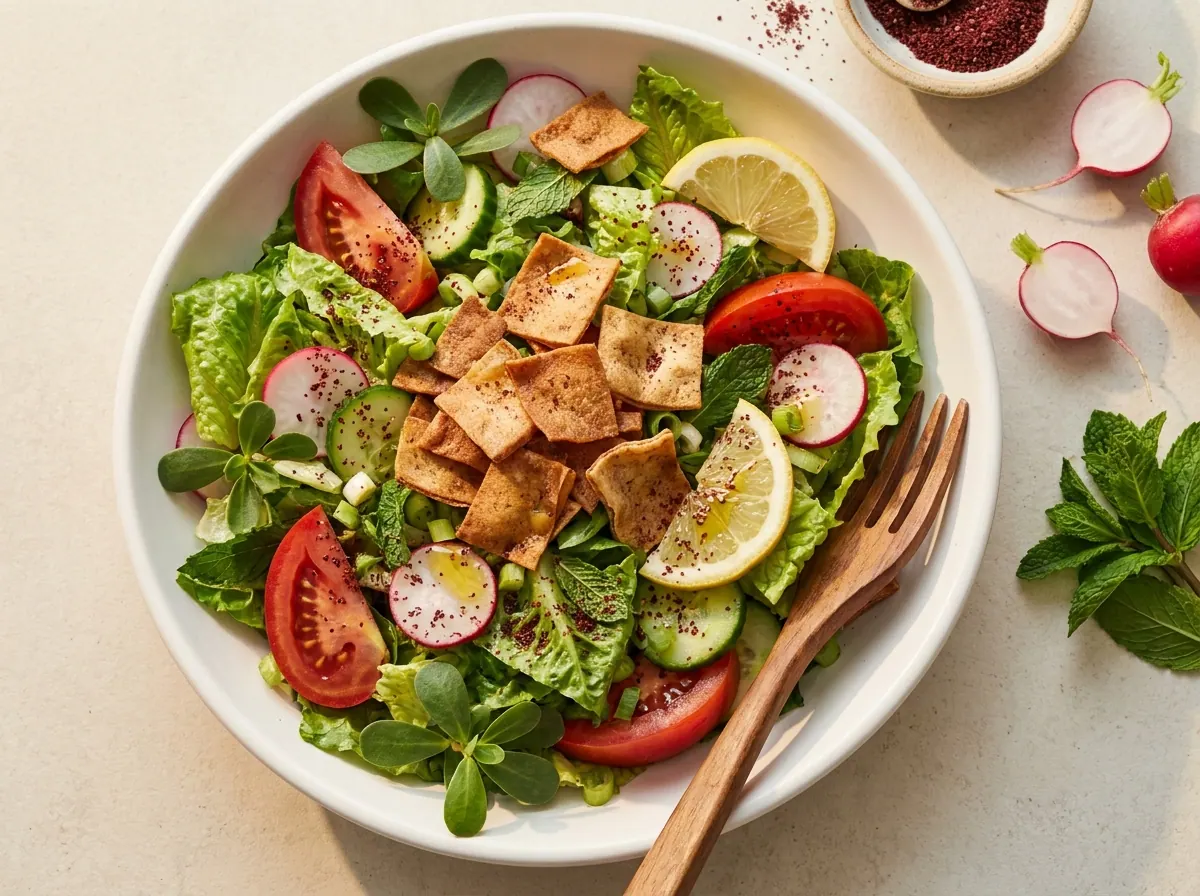
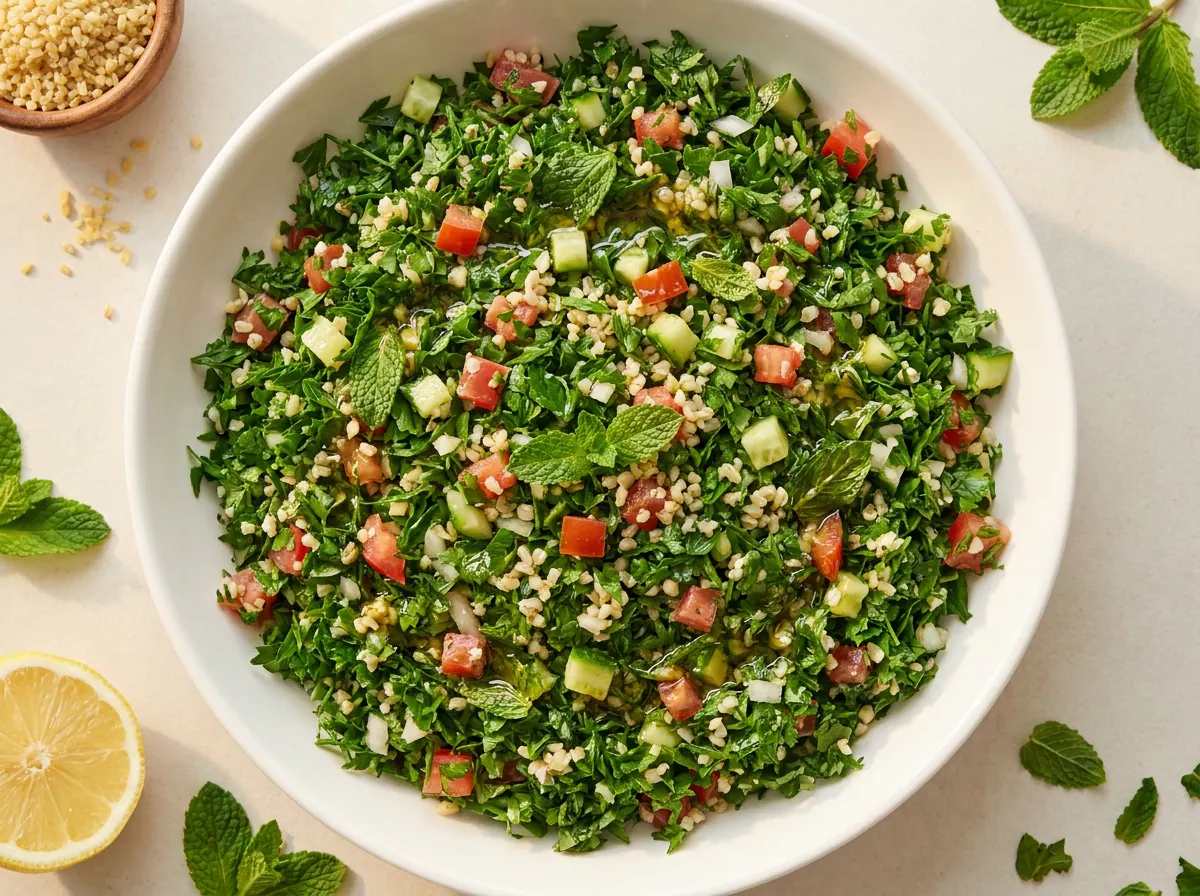
We usually serve it with vermicelli rice or tannour bread, and it is enough on its own as a main course thanks to its richness in meat and bulgur.