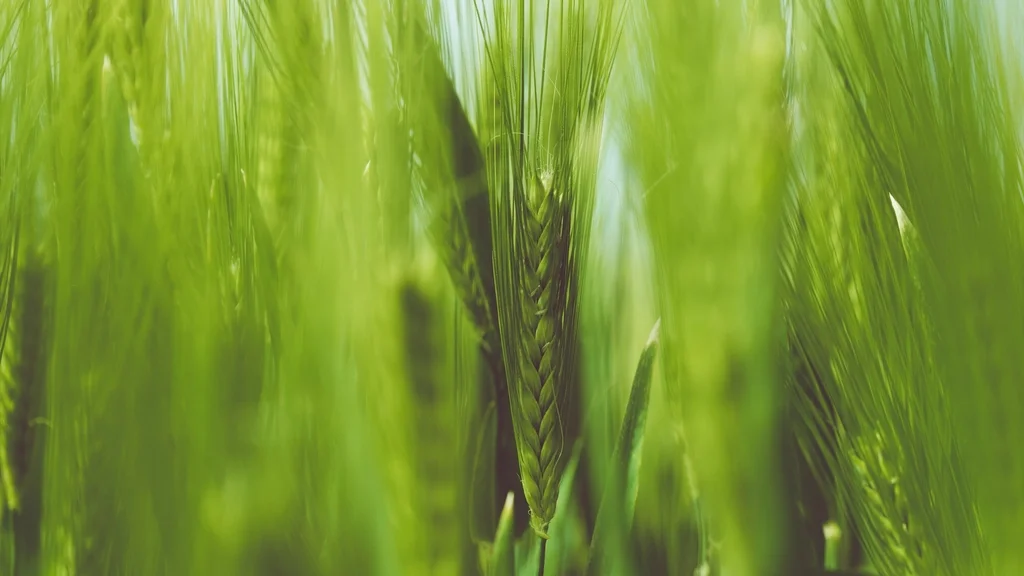
Centuries before "instant food," the kitchens of the Levant and Anatolia engineered it: wheat boiled whole, sun-dried, then cracked into grades. The result is a true whole grain — bran and germ intact in every grind — that cooks in about fifteen minutes or needs only a soak, at a low glycemic index of about 48 with 8 g of fiber per cooked cup (versus under 1 g for white rice, at fewer calories). Large pooled cohort analyses associate regular whole-grain intake with lower cardiovascular risk, and bulgur is the easiest practical door into that family. One essential caution: bulgur is wheat — full gluten, never for celiac diets.
~48Glycemic index (low)
8 gFiber per cooked cup
100%Whole grain, always
~15 minCoarse cooks; fine just soaks
7 min readUpdated 2026-09-21Verified data
EEINA Editorial Content
Based on authoritative sources (USDA · University of Sydney · PubMed) and reviewed per our editorial methodology
Medical Disclaimer: The following content is a general educational reference based on peer-reviewed studies and classical medical heritage. It does not substitute professional medical advice. If you have a health condition, take chronic medications, or are pregnant or breastfeeding, consult your doctor before following any dietary recommendation.
Nutritional Profile — one cup cooked bulgur (182 g)
Calories
151 kcal — versus 205 for a cup of white rice
Total carbohydrates
34 g
Dietary fiber
8.2 g, mostly insoluble
Protein
5.6 g (lentils complete it in mujadara)
Manganese
Over half the daily value per cup
Magnesium
58 mg
Gluten
Present — bulgur is wheat
Glycemic index
~48 (low)
Three Grinds, and the Cousin People Confuse
Fine (#1)
Soak only — no cooking
The tabbouleh and kibbeh grade: pre-boiled in production, it softens with a short soak — smartest of all in tomato and lemon juice, absorbing flavor instead of swelling with water.
Medium (#2) & Coarse (#3+)
SAR 6–14/kg
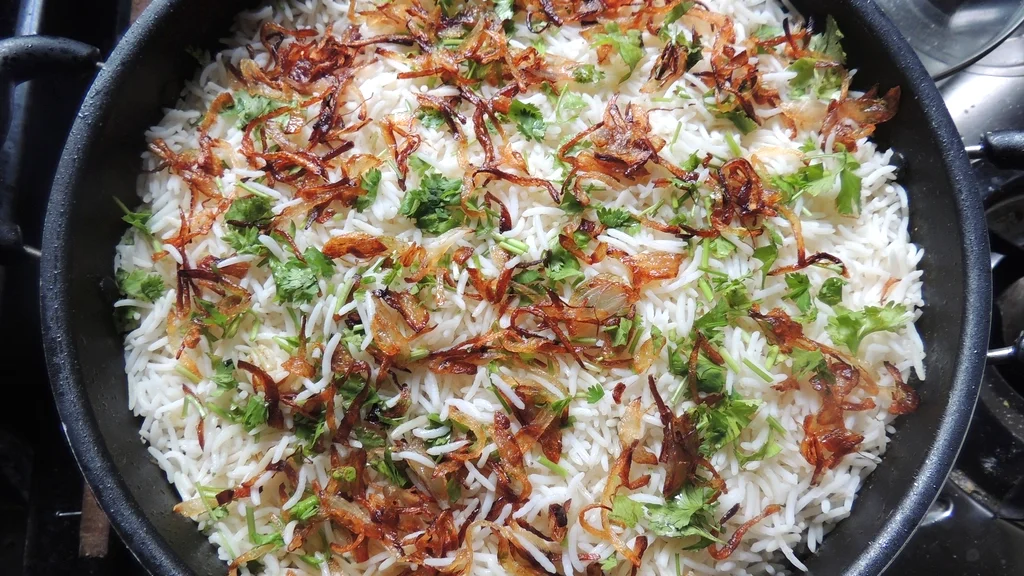
Medium for warm grain salads and fillings; coarse for pilaf and mujadara as the rice alternative — toast two minutes in a little oil, add 1.5 cups broth per cup, 15 minutes, rest covered.
Not Jareesh
The crucial distinction
Jareesh is wheat cracked raw — no pre-boiling — needing long cooking that releases its starch into the creamy texture our traditional jareesh dishes prize. Two crafts, two textures; swapping them ruins both dishes.
Light vs Dark
Wheat and parboil depth
Both are sold; the difference is flavor and color, not nutritional substance. Freshness matters more: whole-grain oils go rancid — trust your nose over the shade.
Nutrition Science — Coarse Structure, Calm Sugar
Bulgur's two secrets are simple and deep:
Always whole grain: bran and germ survive every grind — fiber, manganese, magnesium, B vitamins in each spoonful
Coarse particles digest slowly: the same wheat milled into fine white flour spikes; cracked coarse, enzymes reach the starch late — GI ~48
Whole-grain family evidence: a pooled BMJ meta-analysis of cohort studies associates regular whole-grain intake with lower cardiovascular disease and mortality risk — supportive within a balanced pattern, not a cure
The Rice-Swap Numbers
Per cooked cup
151 vs 205 kcal, 8 g vs under 1 g fiber, GI 48 vs ~73: swapping bulgur for white rice in two meals a week banks the whole-grain advantage inside familiar dishes — no exotic menu required.
Gluten: Non-Negotiable
Wheat through and through
Pre-boiling does not touch gluten: bulgur is strictly off the celiac and wheat-allergy table. Needing a similar texture without wheat? Quinoa or cracked rice — never assume bulgur behaves like oats.
Family Kitchen Uses
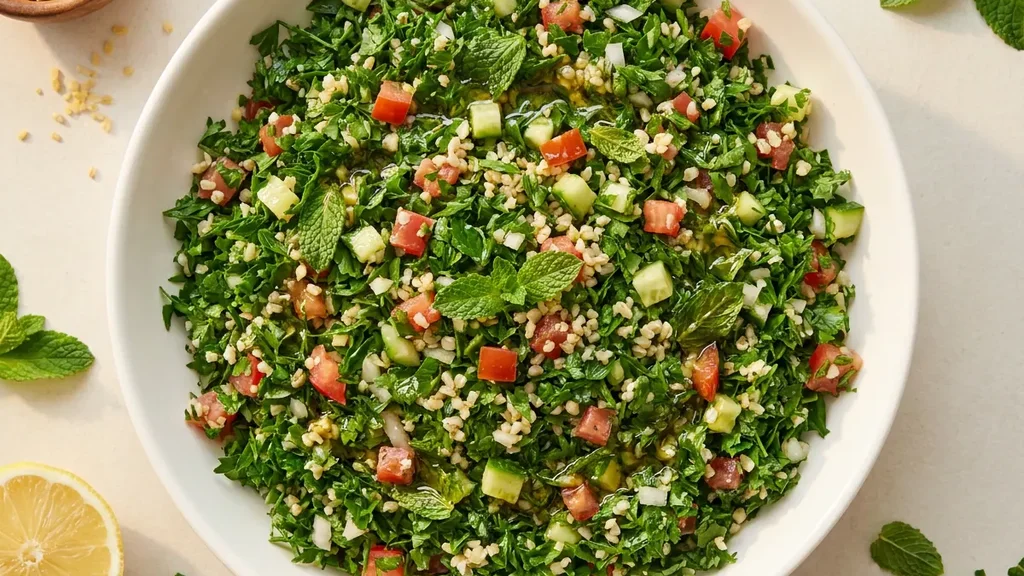
TabboulehFine bulgur, soaked
The inverted salad: lots of parsley, little bulgur — whole grains plus leafy greens plus vitamin C at gentle calories. Recipe in the EEINA library.
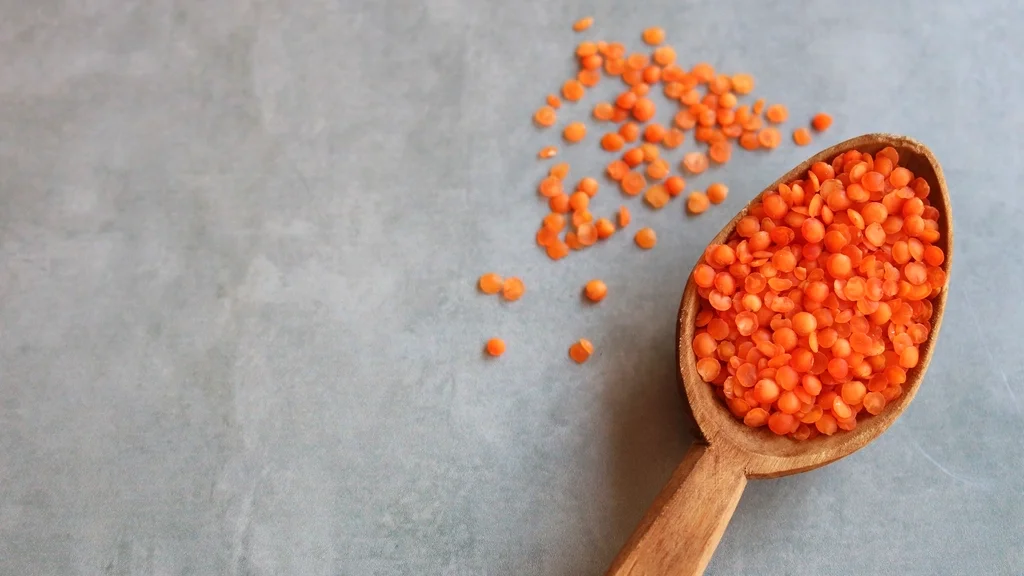
Lentil-Bulgur MujadaraComplete plant protein
The old Levantine version: wheat's methionine completes lentil's lysine, and the fiber doubles. Recipe in the EEINA library.
Syrian Bulgur & ChickpeasOne-pot dinner
Coarse bulgur simmered in broth with chickpeas and fried onion — whole grains and legumes in one cheap, filling pot. Recipe in the EEINA library.
Kibbeh & FillingsThe heritage dough
Fine bulgur kneaded with meat and onion is kibbeh's body, and the same grade binds vegetable fillings without rice — centuries-old craft.
Kitchen tip
For fluffy pilaf: coarse grade (never fine), a two-minute toast in a little oil before the liquid, 1.5 cups broth per cup of bulgur, then five covered minutes off the heat. Four rules, no mush.
Frequently Asked Questions
Does bulgur spike blood sugar?
GI ~48 (low) — clearly below white rice and white bread — thanks to intact bran and coarse structure. Count the cup's 34 g of carbohydrates within the meal.
Bulgur vs jareesh — what's the difference?
Bulgur is boiled whole, dried, then cracked: nearly pre-cooked, ready in minutes, fluffy. Jareesh is cracked raw wheat needing long cooking for its signature creamy texture. Different crafts; swapping ruins both dishes.
Is bulgur gluten-free?
No — it is wheat with full gluten, strictly excluded from celiac and wheat-allergy diets. Pre-boiling changes nothing. Alternatives: quinoa, rice, or certified gluten-free oats.
Cook or just soak?
By grade: fine (#1) needs only a soak — smartest in tomato-lemon juice for tabbouleh; coarse (#3+) cooks 12–15 minutes with measured liquid for fluffy pilaf.
Is bulgur better than white rice?
It wins on fiber (8 g vs under 1 g), GI (48 vs ~73), and calories (151 vs 205 per cup); rice wins on being gluten-free and neutral. A smart kitchen keeps both and rotates.
How long does it keep?
Several months in an airtight container, cool and dark — its live bran oils go rancid, so refrigerate backup stock in hot summers. A paint-like smell means the bag is done.