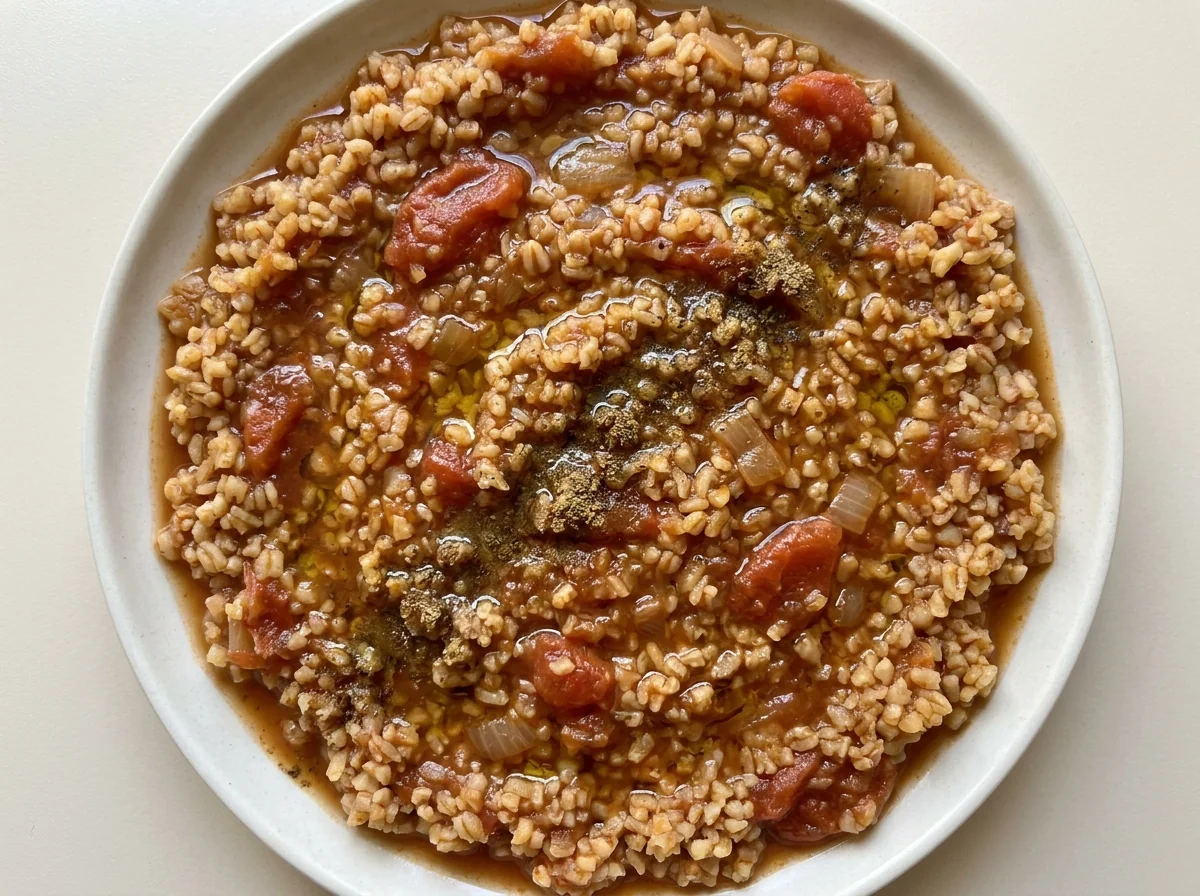
We cook bulgur with tomato the way Syrian homes prepare it on winter evenings, a single pot that brings together coarse bulgur, ripe tomatoes, and olive oil.
Its secret is in sauteing the onion well and letting the bulgur soak up the tomato liquid over low heat until its grains plump and glisten, so we serve it warm with yogurt or a salad alongside.
Preparation Steps
Sauteing the onion
Heat the olive oil in a pot over medium heat, add the chopped onion, and stir until it wilts and turns golden.
Adding the tomato and bulgur
Add the chopped tomatoes with their juice and the coarse bulgur, season with the Arabic spices, salt, and black pepper, and stir the mixture for about ten minutes until the tomatoes break down and the flavors meld.
Adding the water
Pour the boiling water over the mixture and stir, then cover the pot and lower the heat.
Cooking over low heat
Leave the bulgur to cook for about twenty to twenty-five minutes until it is done, absorbs the liquid, and its grains plump up, checking on it once or twice so it does not stick to the bottom.
Serving
Take the pot off the heat and let it rest for five minutes covered, then gently fluff the bulgur and serve it hot with yogurt or a green salad.
Blood Sugar Impact
The glycemic index (GI) measures how quickly a food raises blood sugar, while the glycemic load (GL) measures how much a full serving raises it. Together they give the complete picture.
Glycemic Index
GI
41Low
Low0–55Medium56–69High70+
A low value (≤55) means a gradual rise in blood sugar — the most suitable range for diabetes and insulin resistance.
Glycemic Load
GL
10Low
Low0–10Medium11–19High20+
Glycemic load reflects the impact of the full serving. To lower it: take half a serving, or pair the recipe with a source of protein and fiber.
Nutritional Information
Per ServingMakes 4 servings · one serving is about 200 g of raw ingredients
Calories271 kcal14%of Daily Value*
Protein5 g10%of Daily Value*
Carbohydrates33 g12%of Daily Value*
Fat14 g18%of Daily Value*
Fiber8 g29%of Daily Value*
Sodium303 mg13%of Daily Value*
Potassium374 mg8%of Daily Value*
Phosphorus139 mg11%of Daily Value*
* Percent Daily Values are based on a 2,000-calorie diet per FDA food-label reference values — your daily needs may be higher or lower. Values are derived from the recipe's ingredients via the USDA database.
Troubleshooting
The most common problems when preparing Syrian Bulgur with Tomato, and how to fix them:
The bulgur is sticky and clumpy
Use coarse bulgur and reduce the water a little, and avoid stirring too much during cooking so the starch is not released and it turns sticky.
The bulgur is dry and undercooked
Add a little boiling water and cover the pot over low heat for a few extra minutes until it softens completely.
The flavor is bland
Saute the onion longer until it browns, and add a pinch of spices and a spoonful of tomato paste for depth of flavor.
Storage and Make-Ahead
Refrigerator
Keep it in an airtight container for up to three days, and reheat it with a splash of water so it turns tender again.
Freezer
Freeze it for up to a month in an airtight container, thaw it in the refrigerator, then reheat it with a little water.
Tested Ingredient Substitutions
Original Ingredient
Tested Substitute
Ratio
Flavor Difference
coarse bulgur
medium bulgur
same weight, 140 g
Medium cooks faster and gives a slightly softer texture
olive oil
vegetable oil
same volume, 60 ml
Olive oil is closer to the Levantine flavor
fresh tomatoes
canned chopped tomatoes
one 400 g can
Used out of tomato season, with the salt reduced
Arabic spices
cumin, cinnamon, and allspice
to taste
A simple blend that gives the same warmth of flavor
How Much Does It Make? Scaling Guide
Ingredient
1/2 quantity
Quantity (base)
Double
Coarse bulgur
70 g
140 g
280 g
Onion
60 g
120 g
240 g
Olive oil
30 ml
60 ml
120 ml
Tomatoes
180 g
360 g
720 g
Salt
1.5 g
3 g
6 g
EEINA Nutrition Tip
Choose coarse bulgur rather than fine so the grain stays intact and does not turn to mush, and add the water boiling rather than cold so the cooking does not stall and the texture stays firm.
Add This Recipe to Your Plan
The EEINA app saves your favorite recipes, calculates them from their real ingredients, and shows your daily numbers toward your goal. Try it free now.
Yes, bulgur is a whole grain rich in fiber that gives longer-lasting satiety, olive oil is a beneficial fat, and the dish is vegetarian and low in sodium when the salt is controlled.
What is the difference between coarse and fine bulgur here?
The coarse kind is for cooking, so it stays intact, while the fine kind is for tabbouleh and kibbeh, and we do not swap one for the other in this dish.
What do we serve bulgur with tomato with?
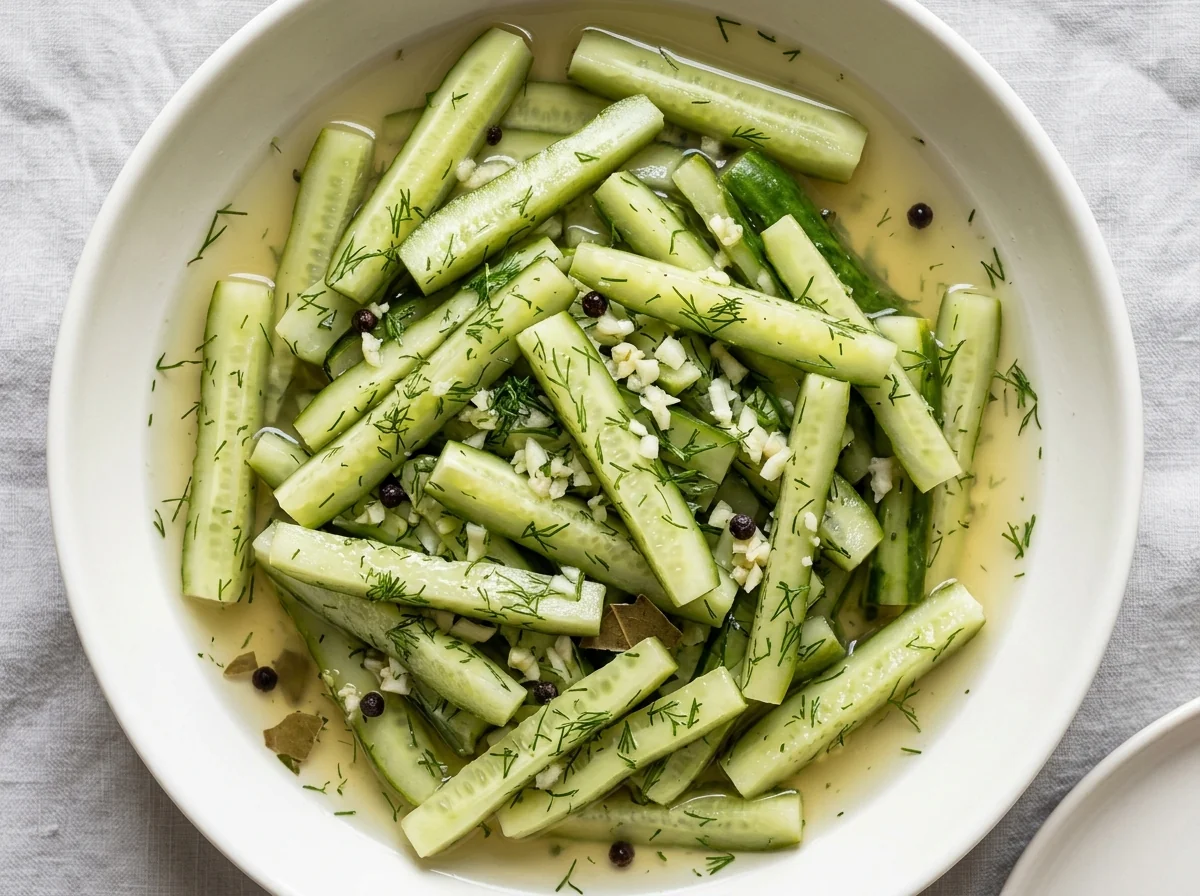
Serve it with yogurt, a green salad, or pickles, and sometimes alongside pieces of chicken or meat for those who want it heartier.