What Is Black Pepper?
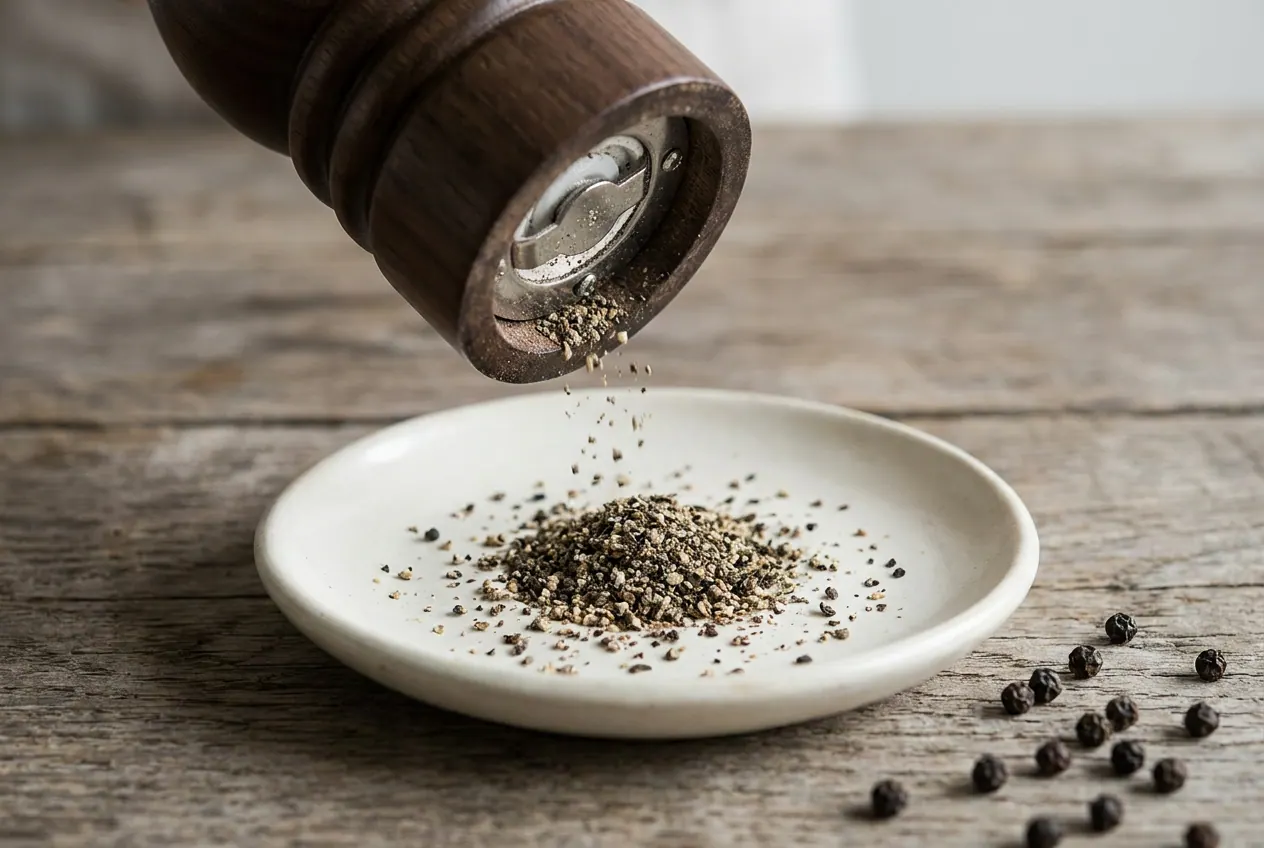
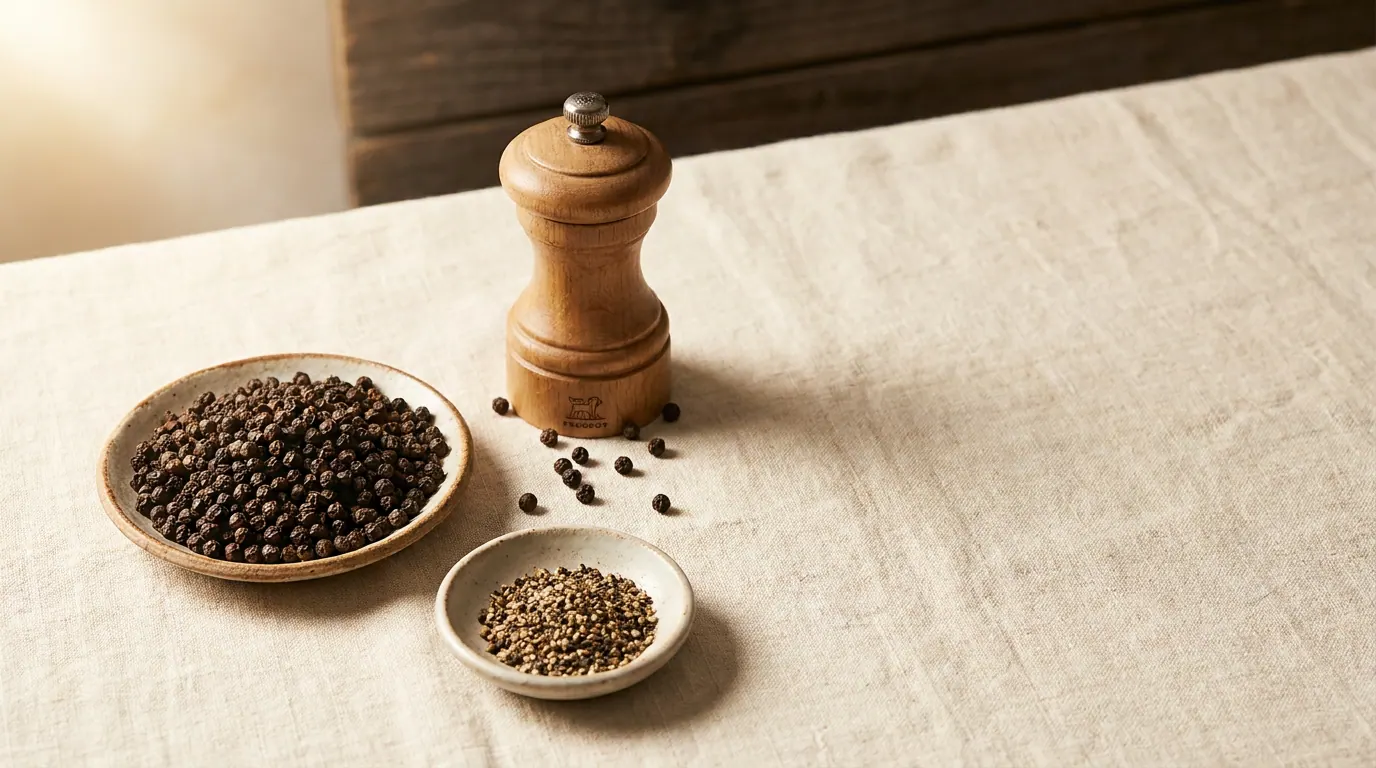
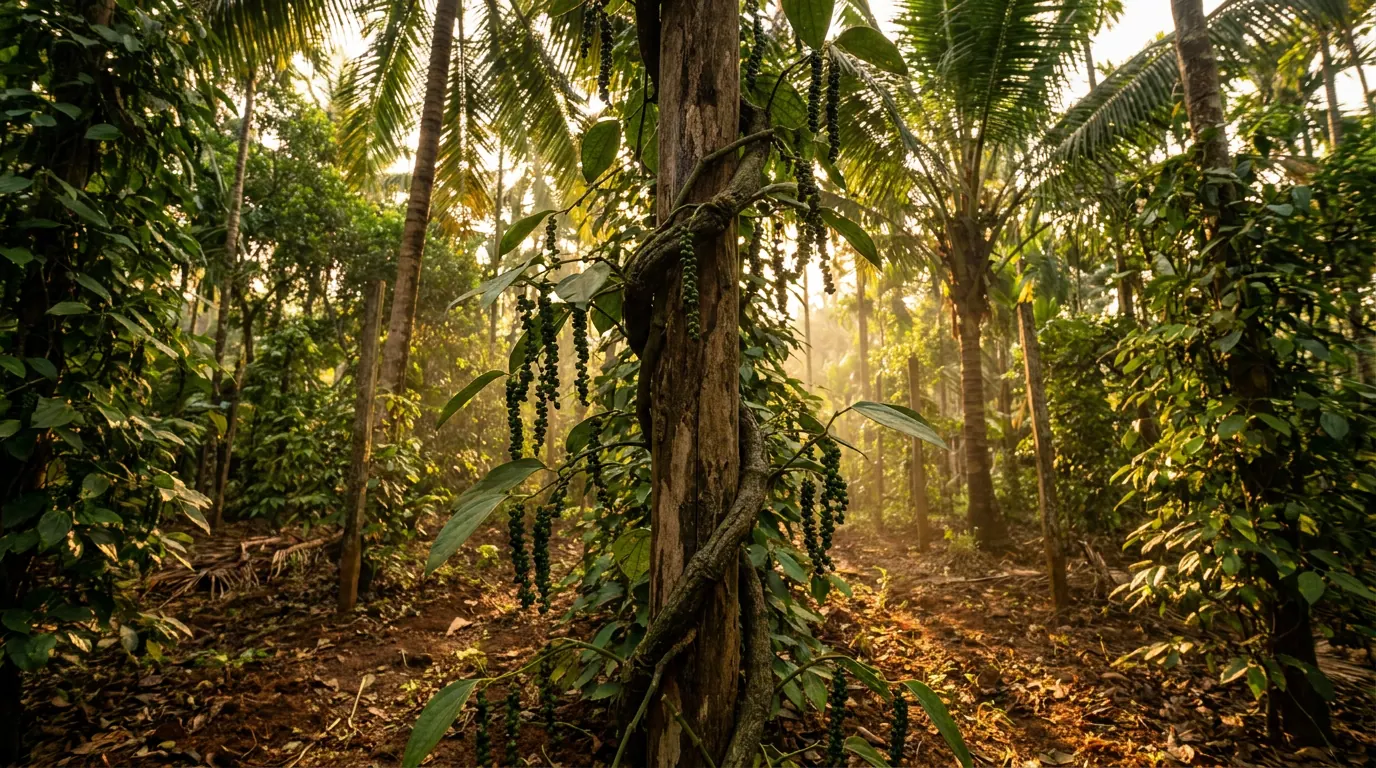
Black pepper is a small, wrinkled dried berry harvested from the climbing plant Piper nigrum, which grows in tropical regions. Its original home is the Malabar coast of southern India, where it appeared over 3,000 years ago. Today Vietnam leads global production at 35%, followed by Brazil, Indonesia, India, and Malaysia.
Each berry contains one compound that creates all of its heat: piperine. This plant alkaloid triggers the burning sensation by activating TRPV1 receptors — the same receptors triggered by chili peppers, though through a different chemical mechanism. What made piperine a star of modern science is not its heat, but its ability to dramatically boost the absorption of other compounds in the body, including curcumin from turmeric, vitamins, and certain medications.
Ingredient Profile
- Scientific name
- Piper nigrum, family Piperaceae
- Active compound
- Piperine — 5–9% of berry weight
- Essential oils
- 1–3% (sabinene, limonene, β-caryophyllene, α-pinene)
- Origin
- Malabar coast, Kerala, southern India
- Top producer
- Vietnam 35%, Brazil 18%, Indonesia 12%
- Finest origin
- Tellicherry (India), Kampot (Cambodia PDO)
- Saudi usage
- 3,000+ tonnes/year (est.) in kabsa bzar and daily cooking
- Price in Saudi Arabia
- Standard: SAR 40–70/kg · Tellicherry: SAR 120–200/kg
Black Pepper in History — King of Spices in Earnest
The story of pepper is the story of civilization. No other spice changed the course of history more dramatically. Three defining chapters:
Ancient Rome and soldiers' pay: Pepper entered Europe via Arab trade routes in the 1st century BC. Romans valued it so highly they paid gold for it by weight, and soldiers received a "salarium" (salt-and-pepper allotment) as part of their wages — the root of our word "salary." When the Visigoth king Alaric sacked Rome in 410 AD, his ransom included 3,000 pounds of black pepper alongside gold and silver.
The Medieval gold coin: Arab and Italian merchants controlled the pepper trade for centuries. In Central Europe its price equaled its weight in gold, and peppercorns were literally used as currency — giving us the term "peppercorn rent" for a nominal price. Vasco da Gama's 1498 voyage around Africa to India had one primary goal: break the Arab monopoly on the pepper route. His success opened the entire Age of European Colonization.
The Arabian Peninsula as trading hub: Before the Portuguese arrived, Yemen and Hadramawt were the primary transit points between India and the Mediterranean. Eastern Saudi ports (Jubail, Al-Khobar, Al-Qatif) and their historical hinterland in Al-Ahsa distributed pepper and spices to the Levant and North Africa.
Black Pepper in Islamic Classical Medicine
Ibn Sina in The Canon of Medicine dedicated a full chapter to "black pepper," describing it as: "Hot in the fourth degree, dry in the third. It benefits phlegm, cuts through viscous humors, dispels wind, and aids digestion of heavy foods. Useful for stomach weakness, cold-weather ailments, and cold-natured joint pain."
Al-Razi in Al-Hawi connected pepper to treating stomach disorders and phlegm accumulation in winter, prescribing it with honey and ginger for colds — a folk remedy still common in Saudi homes. Ibn al-Baytar in Jami' al-Mufradat distinguished three types (black, white, long pepper), noting each variety's specific effect: antiparasitic and appetite-stimulating, with caution against excess for "hot-natured" individuals.
Classical Islamic consensus: Pepper is a warming ingredient used with wisdom — it aids digestion of heavy meats and cuts phlegm, while excess irritates the stomach of hot-natured individuals. This inherited wisdom aligns perfectly with modern science: piperine stimulates digestion, but overdose causes acid reflux.
Black Pepper vs. Chili — A Difference Every Cook Must Know
The word "pepper" in English can be confusing. Black pepper (Piper nigrum), chili pepper (Capsicum), and bell pepper are from completely different plant families and work through different chemistry. The difference is not just culinary — it is scientific:
A climbing vine in the Piperaceae family, native to southern India. Heat comes from piperine. Moderate heat, fat-soluble, spreads through the mouth after swallowing. This is the pepper on this page.
A pod-fruit in the Solanaceae family, native to South America. Heat comes from capsaicin. Intense, measurable heat (Scoville scale), soluble in both fat and water. Examples: jalapeño, cayenne, habanero.
Same family as chili, but a variety with zero capsaicin. Eaten as a whole vegetable. Contains more vitamin C than oranges. Not a spice — it is an independent vegetable from an opposite plant family to black pepper.
From the Rutaceae (citrus) family, not Piperaceae. Chinese origin. Its active compound hydroxy-alpha sanshool creates a numbing, tingling sensation rather than heat. A key ingredient in Sichuan Chinese cuisine.
In recipes calling for "black pepper," that means Piper nigrum (this page). "Chili pepper" means Capsicum (cayenne or jalapeño). Never substitute one for the other — flavor compounds are different. A tablespoon of black pepper won't give you chili heat, and a tablespoon of cayenne will destroy the dish. Each in its place.
Four Pepper Colors — Three From One Plant
Spice markets offer four pepper colors: black, white, green, and pink. The first three come from a single plant (Piper nigrum), differing only in harvest timing and processing. The fourth (pink) is from a completely different tree and is not technically a true pepper:
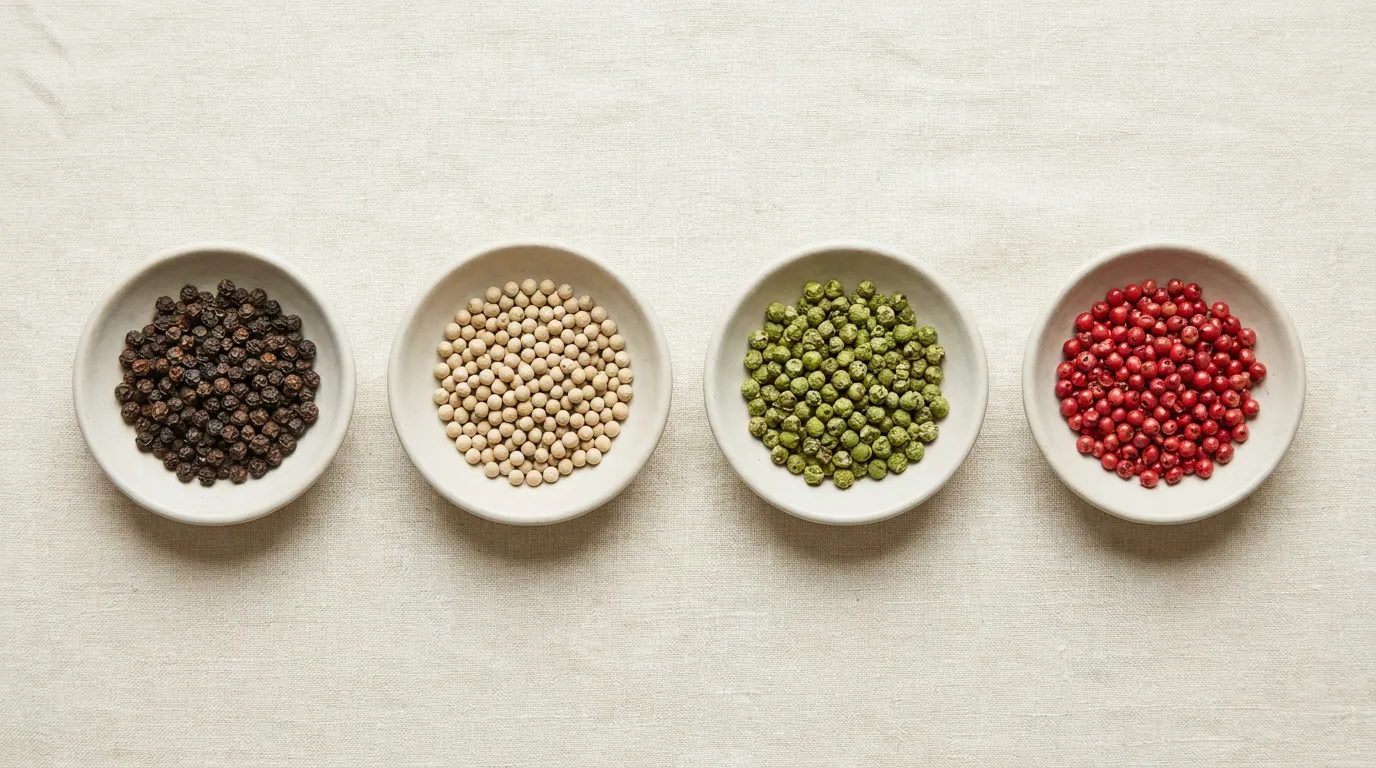
Unripe green berry briefly blanched then sun-dried for weeks until the skin shrivels and darkens. Retains the full outer husk, preserving all flavor compounds. Most versatile and widely used worldwide.
Fully ripe berry soaked in water for several days, then dehusked and dried. Smoother, warmer flavor; less sharp heat. Preferred in French and Chinese cuisine. Disappears in white sauces. Slightly pricier and harder to source in Saudi Arabia.
Unripe green berry, preserved by freeze-drying or brine. Fruity, fresh flavor with moderate heat. Used in Thai and French cuisine, notably Steak au Poivre Vert. Most expensive variety due to preservation difficulty.
Not from Piper nigrum at all — from the Brazilian pepper tree Schinus terebinthifolius. Mild, fruity, peppery flavor without true piperine heat. Used for visual garnish and delicate flavor. Warning: May cause allergic reactions in people allergic to cashews or pistachios, as the trees are related.
Five Premium Grades of Black Pepper
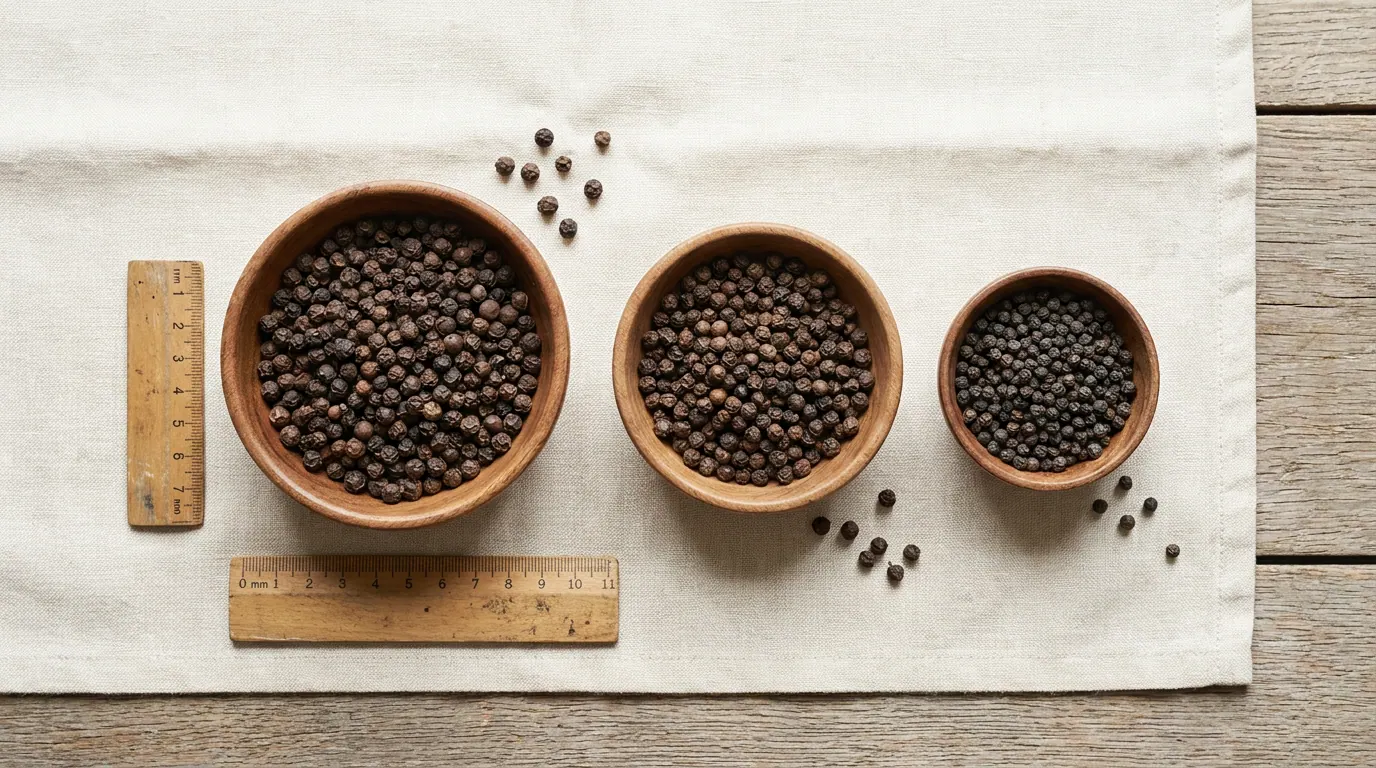
Just as coffee and olive oil have recognized quality grades, black pepper has its own international classification. The difference between Tellicherry and Malabar is like the difference between a Specialty coffee and a commercial blend. Five primary grades in the global market:
| Grade | Origin | Size | Flavor | Price (SAR/kg) |
|---|---|---|---|---|
| Tellicherry Garbled Extra Bold (TGEB) | Kerala, India | 4.75 mm+ | Deepest, citrus notes | 150–250 |
| Tellicherry Garbled Special (TGSEB) | Kerala, India | 4.25 mm+ | Deep, moderate heat | 120–180 |
| Malabar Garbled-1 (MG-1) | Kerala, India | 3.25–4.25 mm | Balanced, highest relative piperine | 50–80 |
| Lampong | Sumatra, Indonesia | 3–4 mm | Sharp, smoky, camphor | 40–70 |
| Sarawak | Borneo, Malaysia | 4 mm | Woody, cedar notes | 80–150 |
| Kampot (PDO) | Cambodia | Variable | Floral-sweet, citrus | 250–400 |
| Vietnamese (Commercial) | Vietnam | 3–4 mm | Strong heat, generic | 30–60 |
Best for steak, carpaccio, and direct tasting. The large berry size and flavor depth shine in finishing applications. Grind fresh over steak after searing for an immediately noticeable difference. Also excellent for fine salads.
Ideal for kabsa, broths, and soups. Highest piperine per gram among grades, delivering strong heat in home cooking. Costs three times less than Tellicherry with no meaningful difference in cooked dishes — the smart Saudi kitchen choice.
Its strong heat and camphor note make it ideal for grill rubs and BBQ. Stands up to high charcoal heat and gives meat a distinctive Indonesian depth. Best for large cuts like brisket. The most affordable premium pepper.
Cambodian pepper with a European Protected Designation of Origin. Floral-sweet flavor with no bitterness. Ideal for seafood and fruit. Expensive but worth it for connoisseurs. Buy whole berries and grind at the moment of use.
The Chemistry — Piperine & Essential Oils
Everything that makes pepper extraordinary lies beneath the surface. Four core compounds, each with a distinct role:
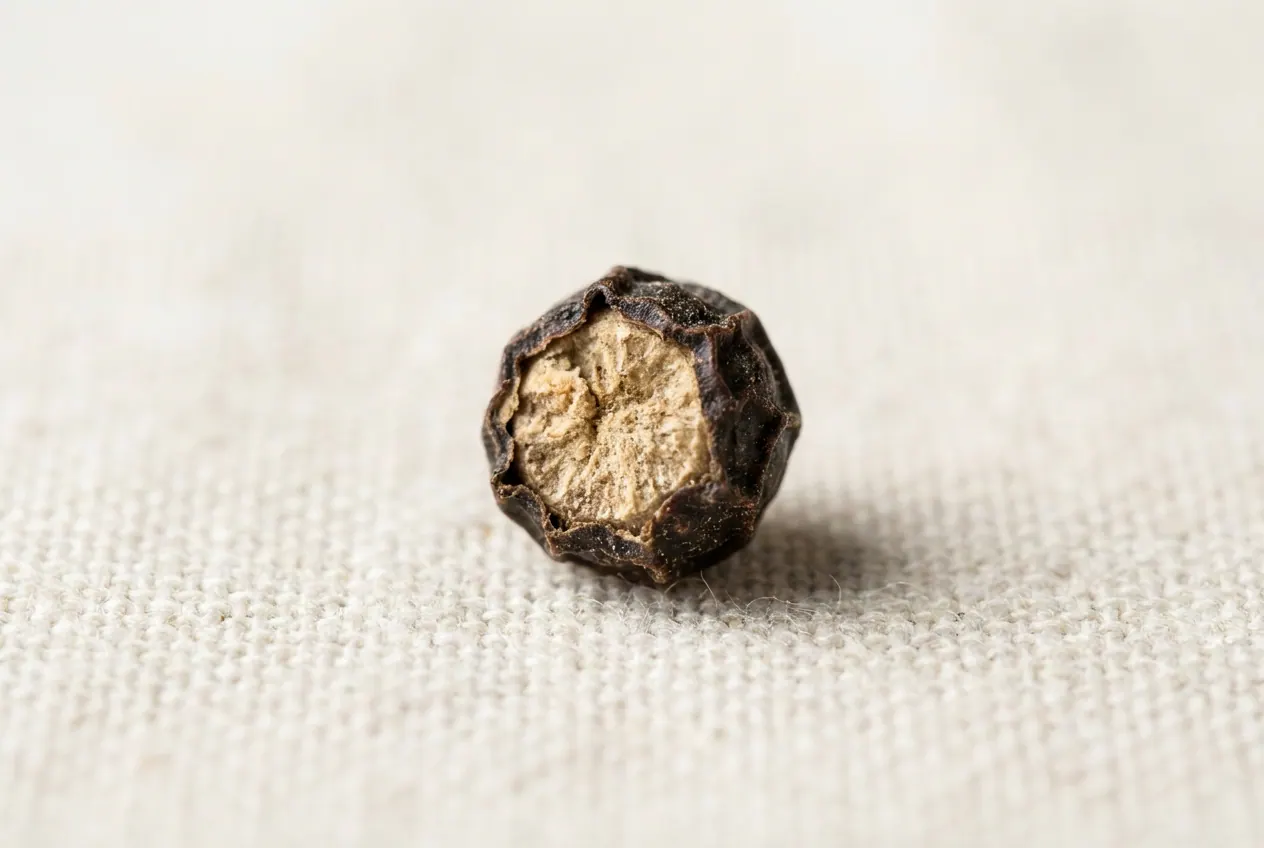
The main alkaloid in pepper, creating the burning sensation by activating TRPV1 receptors. Less intense than capsaicin but longer-lasting. Its key property is inhibiting liver enzymes that break down drugs and natural compounds, dramatically amplifying their absorption — the scientific reason pepper earned its royal title.
A complex blend including sabinene, limonene, β-caryophyllene, and α-pinene. These oils create the aroma, not the heat. They evaporate quickly from pre-ground pepper and stay locked in whole berries — the reason freshly ground pepper has dramatically deeper flavor than aged pre-ground.
Minor piperine-like compounds adding subtle flavor layers that explain why pepper taste varies by origin. Tellicherry has higher concentrations of these compounds; Kampot has different ratios. These fine chemical differences are what distinguish Specialty Pepper.
One teaspoon of black pepper provides 13% of daily manganese and 7% of vitamin K — surprising figures for a spice used in small quantities. But pepper's primary health value isn't its direct nutrients; it's piperine's role in amplifying absorption of other nutrients throughout the meal.
Piperine — The Scientific Secret That Redefined Spices
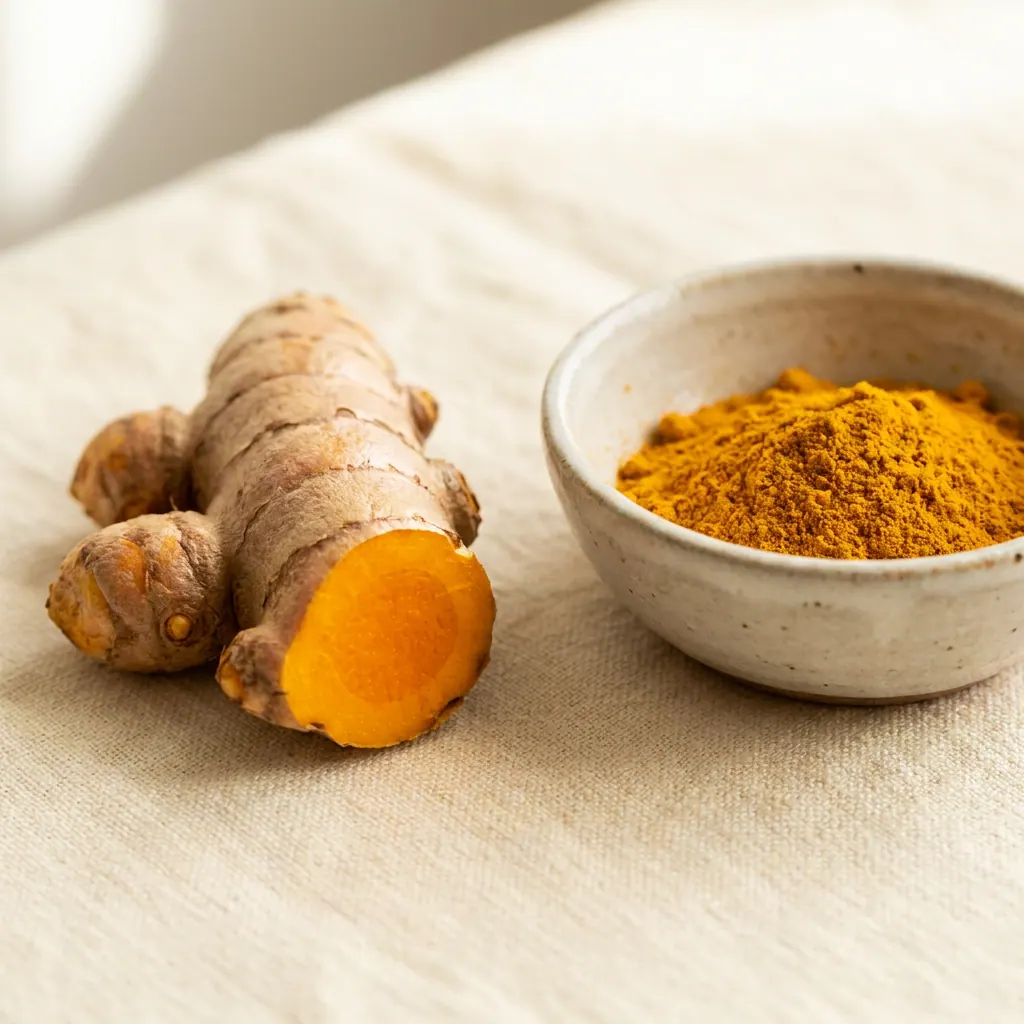
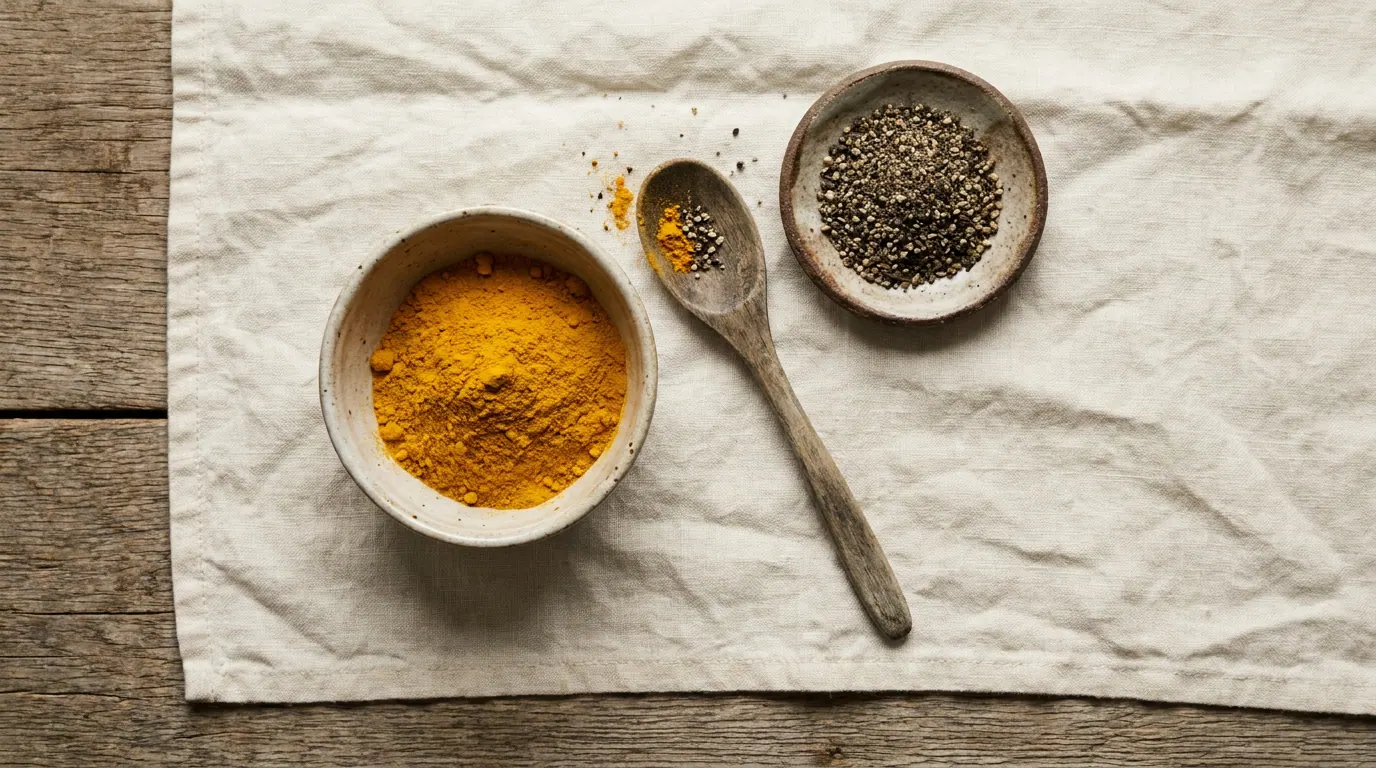
In 1998, Guido Shoba and colleagues published a clinical trial in Planta Medica that shook the world of nutrition. Adding 20 mg of piperine to 2 grams of curcumin boosted curcumin blood levels by 2,000%. Not 200% — twenty times. The study opened a scientific field for using pepper to enhance absorption of drugs and natural nutrients, making adding pepper to turmeric in Golden Latte a daily Western ritual today.
Four Mechanisms Piperine Uses
The liver contains enzymes that break down curcumin and drugs and eliminate them rapidly. Piperine temporarily inhibits CYP3A4 and UGT enzymes, allowing curcumin to remain in the bloodstream longer. The effect lasts 1–2 hours after piperine intake, making simultaneous consumption essential.
Intestinal walls contain efflux transporters that push curcumin back into the digestive tract. Piperine inhibits these transporters, allowing more curcumin to cross into the bloodstream. This is why consuming them together in the same meal — not hours apart — is essential.
Piperine stimulates stomach acid, bile, and pancreatic enzyme secretion, supporting protein and fat digestion. This gives the traditional use of pepper with heavy meat dishes a clear scientific mechanism. For the same reason, excess may irritate a sensitive stomach.
Piperine supports absorption of vitamin B6, B12, selenium, and beta-carotene. Preliminary studies link it to improved anemia outcomes. The benefit isn't just for turmeric — the entire nutritional meal benefits from pepper's presence.
Golden Turmeric Milk Recipe (Golden Latte)
Ingredients & Method (1 cup)
Ingredients:
- 1 cup milk (dairy, almond, or oat)
- 1 tsp ground turmeric
- ¼ tsp freshly ground black pepper
- 1 tsp coconut oil or olive oil (essential for solubility)
- Optional: 1 tsp honey, small piece ginger, pinch of cinnamon
Method:
- Combine milk and oil in a saucepan over medium heat
- Add turmeric and freshly ground pepper as it begins to bubble
- Stir 1–2 minutes without full boil (prevents milk solids from breaking)
- Remove from heat, add honey if desired, drink warm
Black Pepper in Saudi & Gulf Cooking — The Kabsa Bzar
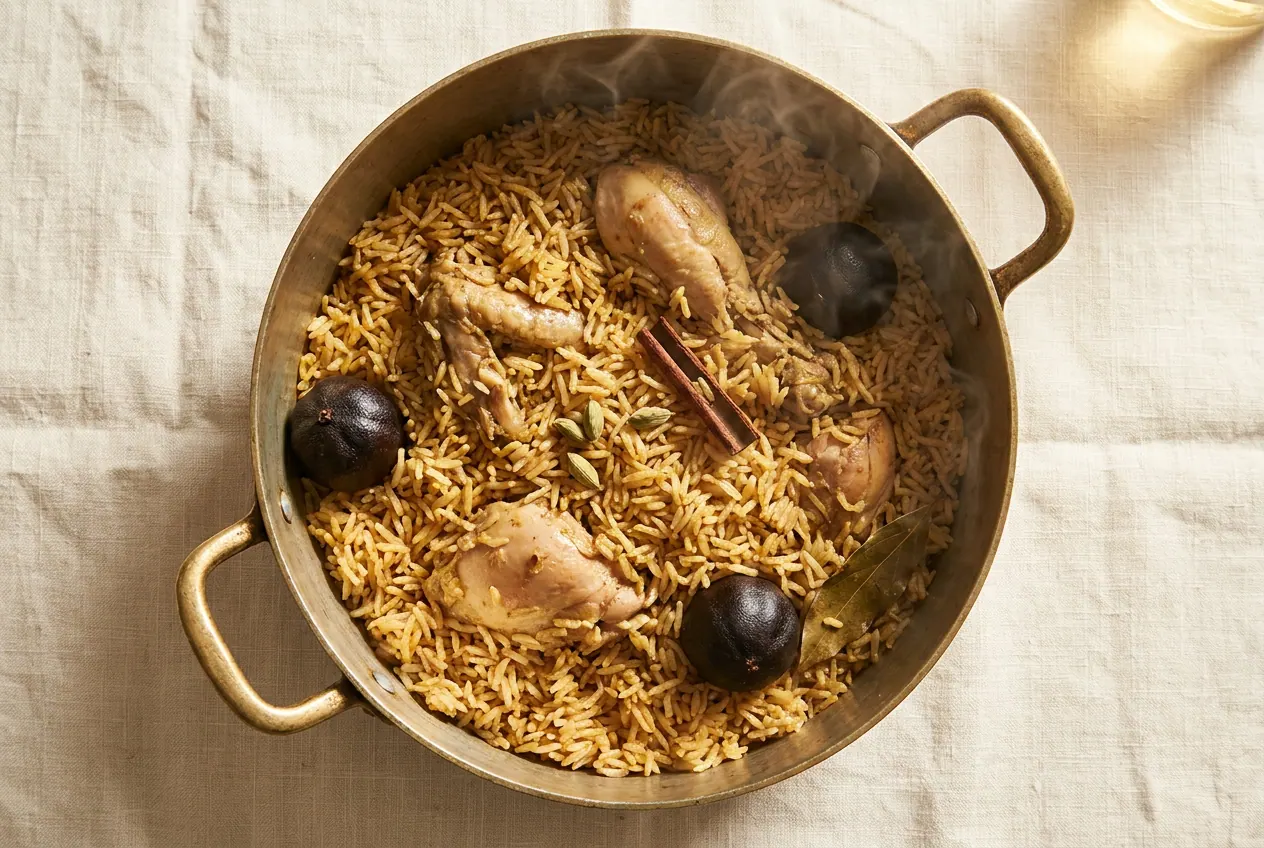
Black pepper is a cornerstone of Saudi kabsa bzar and all Gulf spice blends. No bzar is complete without it; no kabsa is finished without it. Seven traditional uses in Saudi cuisine:
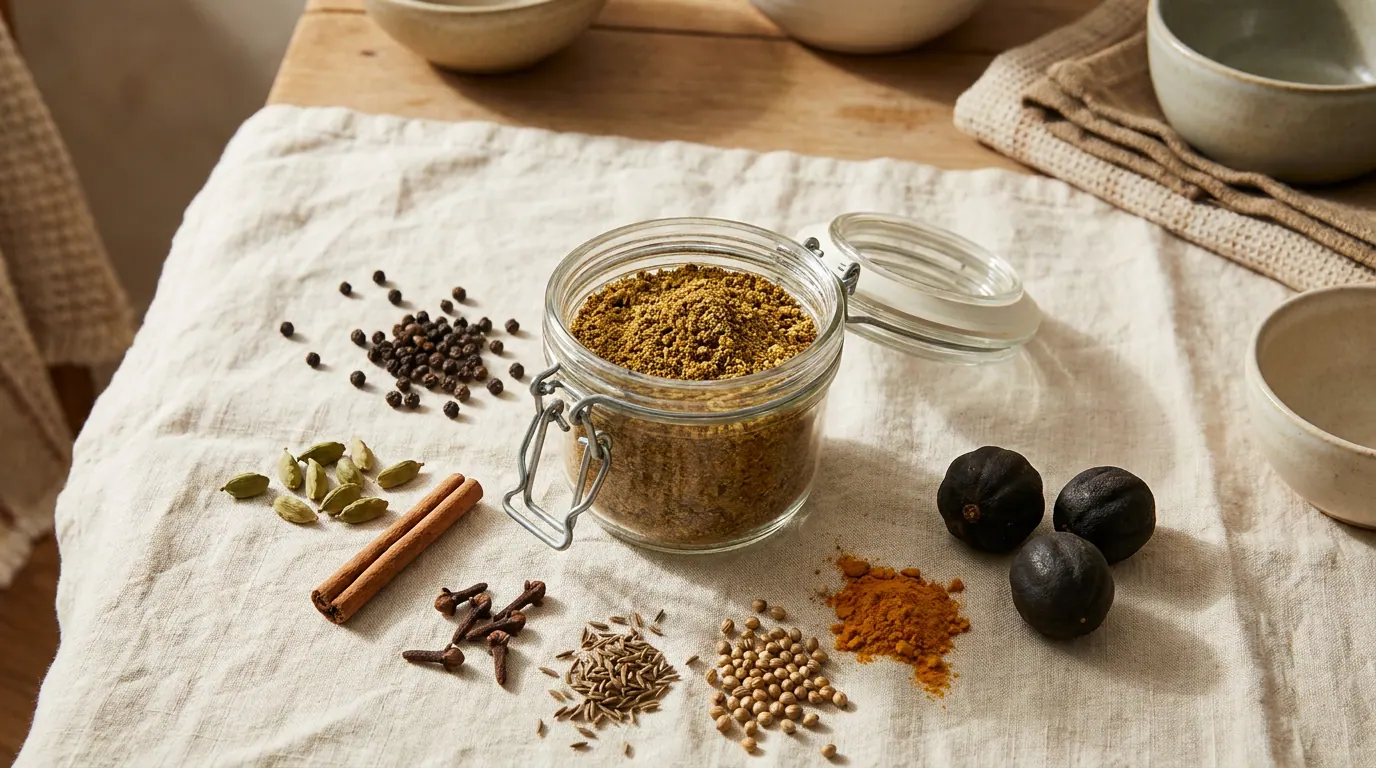
Black pepper is heat-sensitive. Adding early with onions gives diffused, gentle heat. Adding late over the plated dish gives sharp, direct heat. The golden rule: add half early and half as a finishing touch — you get both depth and bite.
Six Tests for Pepper Quality
Adulterated or stale pepper has ruined many dishes. Six simple tests verify quality before purchasing or using:
Place a peppercorn in a glass of water for one minute.
Crush a berry between your fingers and smell immediately.
Break a berry firmly between two fingers.
Measure random berries with a precise ruler.
Examine berries under natural light.
Read the label: origin, date, grade, batch number.
"Dusty pepper is authentic because it's aged." Reality is the opposite. Good old pepper retains its color and sheen even as some aroma fades. Dustiness and gray color can indicate adulteration with flour, starch, or small stones. The water float test will expose it — adulterated pepper leaves sediment or colors the water.
Storage & Shelf Life
In a sealed glass jar away from light: full flavor for 4 years. The essential oils stay locked inside until you grind. This is why buying whole berries is always the superior choice.
Pre-ground loses 70% of its essential oils within 3–4 months, becoming dull and earthy within 6 months. Buy a small pepper mill (SAR 20–50) and grind as needed. The freshness difference is immediately detectable.
Alcohol-like smell, visible mold, or clumped berries are discard signals. If berries float on water when rinsed, they're too old and have lost their content.
Health Benefits — Evidence-Based
Piperine inhibits NF-κB, a primary inflammatory signaling pathway. Several cell studies showed reduced markers of inflammation. Human clinical trials are still limited but promising. Used in traditional medicine for centuries for joint pain.
Piperine stimulates digestive enzyme secretion and gastric acid production. Supports protein breakdown and fat digestion. Traditional use before and during heavy meals has clear scientific backing. Beneficial for poor appetites (elderly, post-illness recovery).
Both piperine and the essential oils in pepper have demonstrated antioxidant activity in laboratory studies, scavenging free radicals. The practical significance of culinary amounts in humans requires more research.
Piperine may mildly stimulate thermogenesis (heat production), but the effect does not exceed 2–3% of daily metabolic rate. It does not melt fat or substitute for calorie management. Commercial "fat-burning" supplements containing piperine lack strong clinical evidence for their claims.
Who Should Use Caution
Drug interactions: Piperine inhibits liver enzymes (CYP3A4) responsible for metabolizing certain medications. Drugs affected include blood thinners (Warfarin), statins (cholesterol), some antidepressants, and diabetes medications. Culinary amounts are generally safe, but concentrated piperine supplements require physician consultation.
GERD and acid reflux: Piperine stimulates stomach acid secretion and may weaken the esophageal sphincter in sensitive individuals, triggering reflux. If you experience heartburn after a pepper-heavy meal, reduce your intake or avoid it.
Young children under 4: Avoid pepper completely — it can irritate the respiratory system if inhaled. Introduce very gradually in small amounts after age 4.
Pregnancy: Culinary amounts are safe. Avoid concentrated piperine supplements during pregnancy — insufficient safety data.
Safe Daily Amounts
¼ to ½ teaspoon daily (0.5–1 gram) is safe for most adults — roughly what enters a family meal. Key guidelines:
The natural amount in a well-seasoned family dish. This provides about 5–10 mg of piperine, well within safe ranges. High doses of 5+ grams daily may cause temporary stomach irritation and blood pressure spikes.
Concentrated piperine supplements (10–20 mg capsules) used alongside turmeric supplements: consult your doctor if on any chronic medication. The interaction potential is real, even if culinary amounts are safe.
Substitutes for Black Pepper
White Pepper
- Best substitute (same plant)
- Milder, earthier flavor
- Ideal for white sauces and light-colored dishes
- 1:1 replacement ratio
- Less pungent — add slightly more
Cayenne Pepper
- Provides heat but completely different flavor
- Use ¼ of the quantity called for
- No piperine — no curcumin absorption benefit
- Works in cooked dishes not finishing applications
- Not suitable for coffee or gentle uses
Ground Long Pepper
- Closest relative to black pepper
- Higher piperine content per gram
- Sweeter, more complex flavor
- Historical use in Islamic medicine
- Rare but available in specialty spice shops
Frequently Asked Questions
Does the 2,000% curcumin absorption increase really work?
Whole berries or pre-ground — what's better?
When should I add pepper during cooking?
Does pepper worsen acid reflux (GERD)?
What is the correct pepper-to-turmeric ratio?
How long does black pepper stay fresh?
Want personalized meal plans using Saudi ingredients?
EEINA creates personalized nutrition plans built around Saudi heritage ingredients like kabsa spices, dates, olive oil, and more — reviewed per our editorial methodologys.
Scientific References
- VerifiedShoba G, Joy D, Joseph T, et al. "Influence of Piperine on the Pharmacokinetics of Curcumin in Animals and Human Volunteers." Planta Medica. 1998;64(4):353-356. DOI: 10.1055/s-2006-957450
- VerifiedSrinivasan K. "Black Pepper and its Pungent Principle-Piperine: A Review of Diverse Physiological Effects." Critical Reviews in Food Science and Nutrition. 2007;47(8):735-748.
- DocumentedInternational Pepper Community (IPC). Pepper Statistical Yearbook 2024. Production statistics and market data.
- VerifiedMeghwal M, Goswami TK. "Piper nigrum and Piperine: An Update." Phytotherapy Research. 2013;27(8):1121-1130.
- VerifiedBae J, Kim J, Choue R, Lim H. "Fennel (Foeniculum vulgare) and Fenugreek (Trigonella foenum-graecum) Tea Drinking Suppresses Subjective Short-term Appetite." Clinical Nutrition Research. 2015;4(3):168-174.
- DocumentedIbn Sina (Avicenna). Al-Qanun fi al-Tibb (The Canon of Medicine). Vol. 1, Materia Medica, 11th century. Historical reference.
- DocumentedIbn Qayyim al-Jawziyya. Al-Tibb al-Nabawi (Prophetic Medicine). Historical text, referenced for classical medical heritage context only.
- VerifiedOkumura Y, Narukawa M, Watanabe T. "Adiposity Suppression Effect in Mice due to Black Pepper and Its Main Pungent Component, Piperine." Bioscience, Biotechnology, and Biochemistry. 2010;74(8):1545-1549.
- VerifiedStojanovic-Radic Z, Pejcic M, Jokanovic M, et al. "Piperine as a Potential New Bioactive Agent in the Management of Obesity-associated Diseases." Current Medicinal Chemistry. 2019;26(33):6029-6050.
- VerifiedRoussel AM, Hininger I, Benaraba R, et al. "Antioxidant Effects of a Cinnamon Extract in People with Impaired Fasting Glucose That Are Overweight or Obese." Journal of the American College of Nutrition. 2009;28(1):16-21.
- VerifiedUSDA FoodData Central. Black Pepper, ground. Nutritional composition data. 2024 edition.
- DocumentedAl-Razi (Rhazes). Al-Hawi fi al-Tibb. Classical Islamic medical text, 9th–10th century.
- VerifiedDamanhouri ZA, Ahmad A. "A Review on Therapeutic Potential of Piper nigrum L. (Black Pepper): The King of Spices." Med Aromat Plants. 2014;3(3):161.
- VerifiedButt MS, Pasha I, Sultan MT, et al. "Black Pepper and Health Claims: A Comprehensive Treatise." Critical Reviews in Food Science and Nutrition. 2013;53(9):875-886.
- DocumentedSpecification for Pepper — Black (Whole), Decorticated, and Ground. SASO 453/2018. Saudi Standards, Metrology, and Quality Organization.
- DocumentedProtected Geographical Indication — Kampot Pepper. European Commission. Official Journal of the EU. Registration number: PGI-KH-02434.
All referenced studies are peer-reviewed or historically documented. Health claims on this page correspond to the numbered references above. Educational content — not a substitute for medical advice.