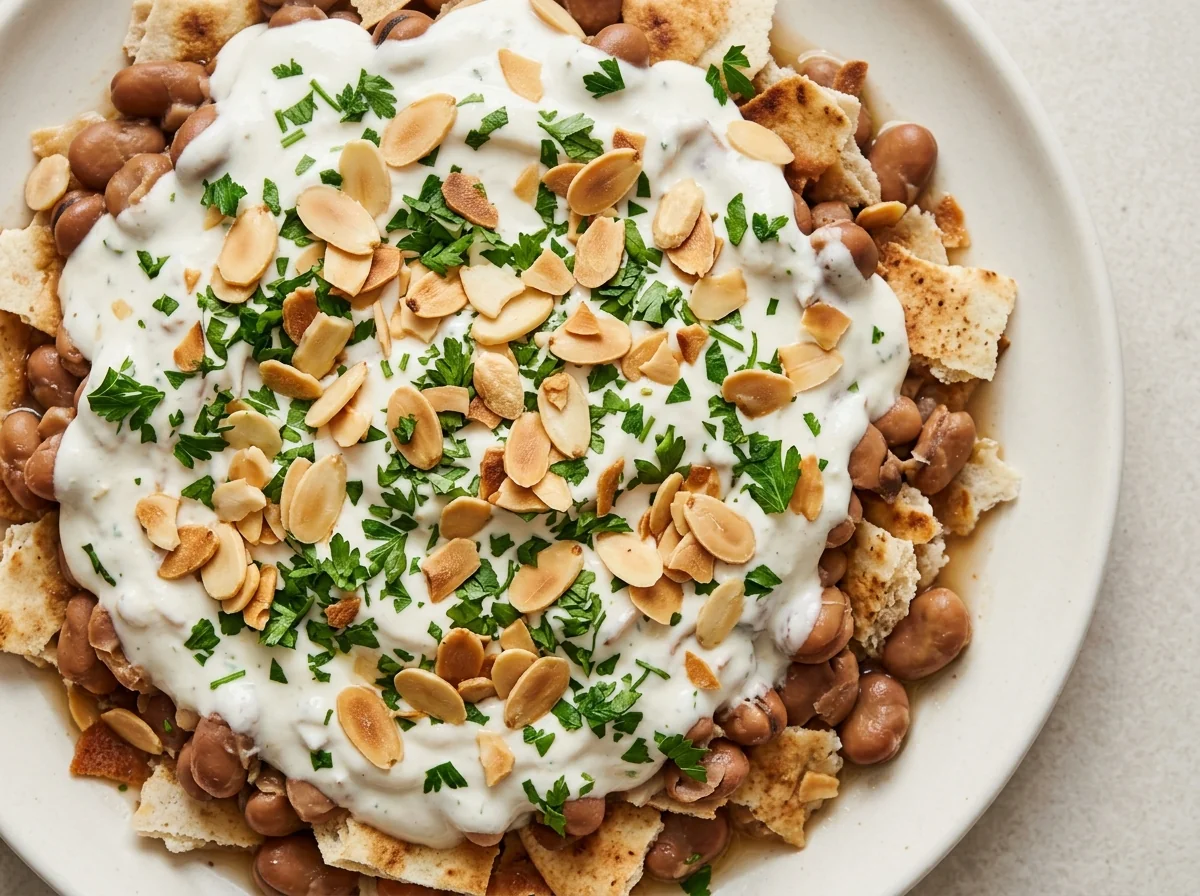
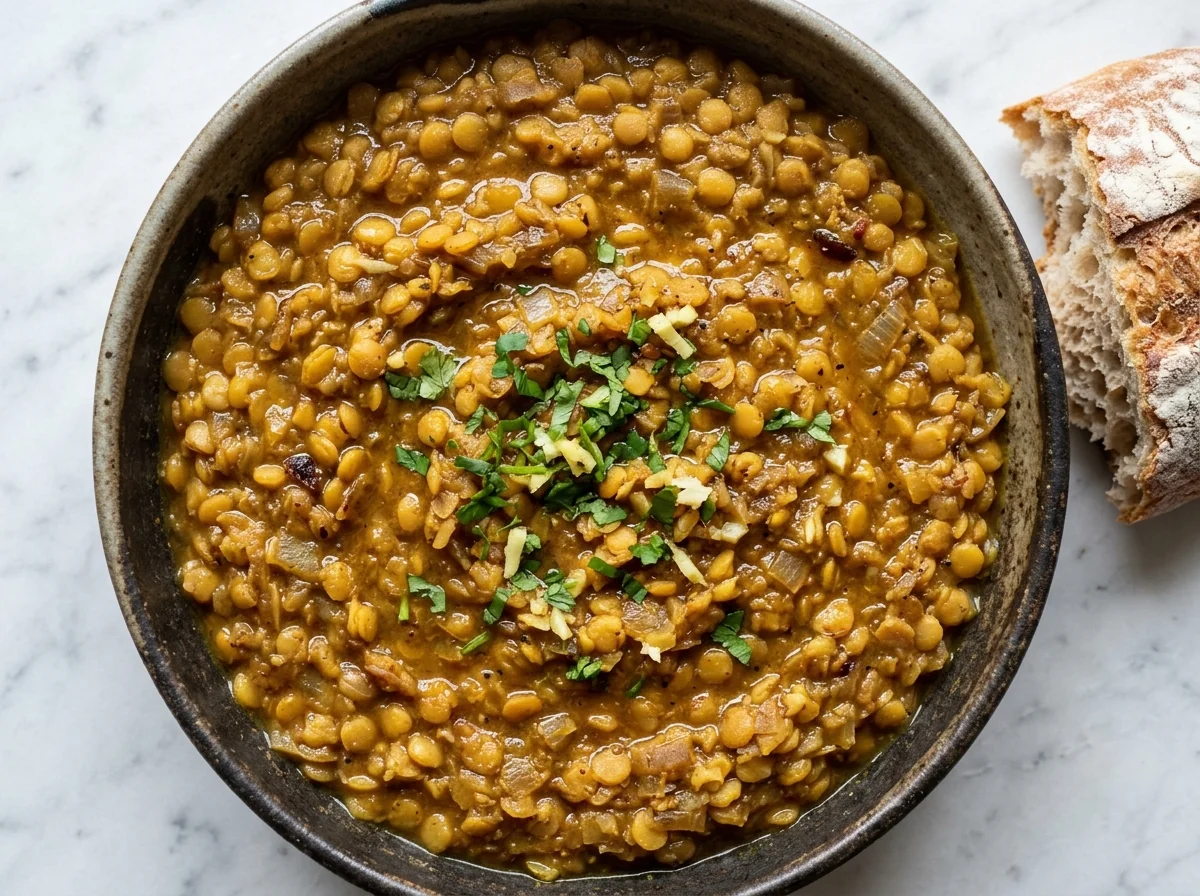
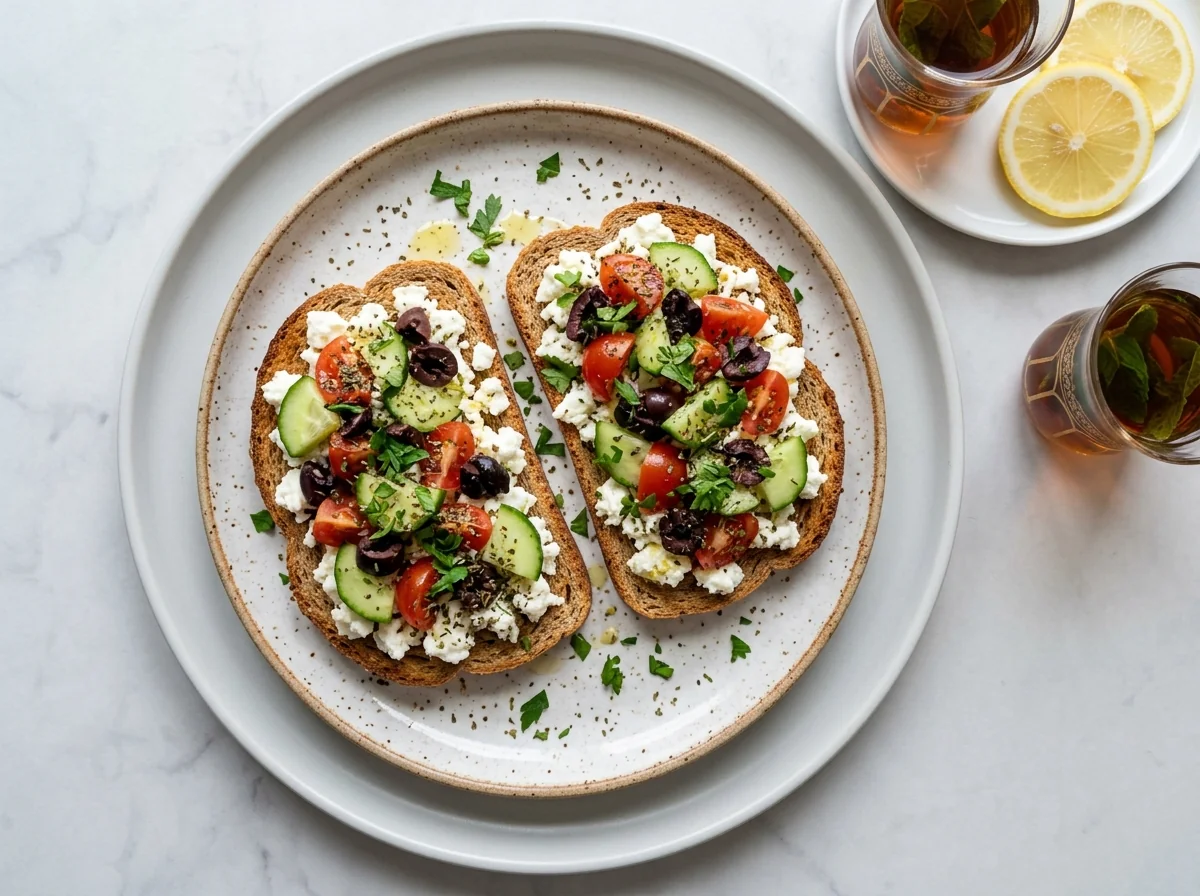
A rich Levantine-Egyptian breakfast — sliced sujuk (spiced sausages) browned then finished with eggs cracked on top. Rich in protein, low in carbohydrates, but high in fat and sodium, contains eggs.
Sujuk with eggs is a beloved rich breakfast in the Levant and Egypt. Sujuk (sujuk / sujok) is beef or lamb sausages heavily spiced with garlic, cumin, red pepper, and baharat — of Turkish-Armenian origin that spread through Arab cuisine.
Sujuk slices are browned and eggs are cracked on top, making a flavour-rich breakfast, served especially on weekends and guests' breakfasts. Its strong appetising aroma and spicy flavour have made it one of the most beloved rich breakfast dishes, scooped up with bread.
Preparation Steps
Brown the sujuk
Place the sujuk slices in a skillet over medium heat (usually no oil is needed — sujuk is fatty). Brown them with stirring until they are done, have released their fat, and their spices are fragrant — about five minutes. Sujuk is spiced meat sausages seasoned with garlic and spices, so its aroma is strong and appetising.
Add the tomato (optional)
Add the chopped tomato (if using) and stir it with the sujuk until it softens and a light sauce forms. The tomato balances the richness of the sujuk and adds gentle acidity.
Manage the fat
If the sujuk has released a lot of fat, drain some of it before adding the eggs (sujuk is naturally fatty). Leave enough to cook the eggs and add flavour.
Add the eggs
Reduce the heat and crack the eggs over the sujuk (for fried eggs), or beat them and pour them in (for scrambled). A pinch of black pepper and baharat, and only a very little salt — sujuk is already naturally salty.
Cook the eggs
For fried eggs: cover the skillet for two minutes until the whites are set and the yolks remain runny. For scrambled: stir the eggs with the sujuk until they are set and still soft. Do not overcook or the eggs will dry out.
Serve
Serve the sujuk with eggs hot in the skillet or on a plate, with Arabic bread and fresh vegetables (tomatoes, cucumber, and rocket) to balance its richness. Scooped up with bread — a beloved, satisfying rich Levantine-Egyptian breakfast, especially on weekends.
Blood Sugar Impact
The glycemic index (GI) measures how quickly a food raises blood sugar, while the glycemic load (GL) measures how much a full serving raises it. Together they give the complete picture.
Glycemic Index
GI
62Medium
Low0–55Medium56–69High70+
A low value (≤55) means a gradual rise in blood sugar — the most suitable range for diabetes and insulin resistance.
Glycemic Load
GL
7Low
Low0–10Medium11–19High20+
Glycemic load reflects the impact of the full serving. To lower it: take half a serving, or pair the recipe with a source of protein and fiber.
Nutritional Information
Per ServingMakes 3 servings · one serving is about 195 g of raw ingredients
Calories301 kcal15%of Daily Value*
Protein23 g46%of Daily Value*
Carbohydrates13 g5%of Daily Value*
Fat17 g22%of Daily Value*
Fiber1 g4%of Daily Value*
Sodium237 mg10%of Daily Value*
Potassium478 mg10%of Daily Value*
Phosphorus327 mg26%of Daily Value*
* Percent Daily Values are based on a 2,000-calorie diet per FDA food-label reference values — your daily needs may be higher or lower. Values are derived from the recipe's ingredients via the USDA database.
Troubleshooting
The most common problems when preparing Sujuk with Eggs — Levantine Breakfast, and how to fix them:
The dish is very greasy
Sujuk is naturally fatty. Drain some of the released fat before adding the eggs, and keep the sujuk portion moderate. Choose lower-fat sujuk if available.
The dish is very salty
Salt was added on top of the already salty sujuk. Do not add any salt at all — sujuk is powerfully salted (it is part of its production). Balance it with tomatoes, vegetables, and bread instead of salt.
The sujuk is tough or dry
Browned too long over high heat. Brown it over medium heat only until cooked and its fat is released (about 5 minutes) — overdoing it dries and toughens it.
The eggs are dry and rubbery
Overcooked. Turn off the heat while the eggs are still soft (they finish with the residual heat of the skillet), and leave the yolks runny or the scramble moist.
Sujuk flavour is too overpowering
Normal — sujuk is strongly flavoured. Add tomatoes to balance the acidity, serve fresh vegetables, and keep the sujuk portion moderate with more eggs to moderate its intensity.
Storage and Make-Ahead
Raw sujuk
Sujuk keeps refrigerated for days (according to its date) or in the freezer for months. It is a processed meat — follow the expiry date on the packaging and thaw in the refrigerator before cooking.
Cooked dish
Sujuk with eggs is best eaten fresh when prepared. Cooked eggs do not keep well — prepare the quantity that will be eaten immediately. It is quick (20 minutes).
Advance preparation
No advance preparation is needed (very quick). The sujuk can be sliced and kept refrigerated, then browned and the eggs cracked at breakfast time.
Food safety
Cook the sujuk until fully done (processed meat requires thorough cooking), and the eggs until the whites are fully set. Do not leave the dish out of the refrigerator for more than two hours.
Tested Ingredient Substitutions
Original Ingredient
Tested Substitute
Ratio
Flavor Difference
sujuk
freshly spiced ground meat or low-fat smoked turkey
same quantity
Greatly reduces saturated fat and sodium, with a lighter flavour than processed sujuk
whole eggs
a mix of eggs and egg whites
as needed
Lower in cholesterol and fat while maintaining the protein, with a lighter consistency
full sujuk quantity
reduce it and increase eggs and tomatoes
—
Reduces fat and sodium while keeping the flavour from a smaller sujuk quantity
How Much Does It Make? Scaling Guide
Servings
Sujuk
Eggs
2 (half recipe)
130 g
3 eggs
3 (base)
200 g
4 eggs
6 (family)
400 g
8 eggs
EEINA Nutrition Tip
Sujuk with eggs is rich in protein and low in carbohydrates, but its biggest challenge is the high saturated fat and elevated sodium (sujuk is a processed, spiced, salted meat product). It is an occasional breakfast, not a daily one — especially for those monitoring blood pressure and cholesterol. Keep the sujuk portion moderate, drain some of the fat, add no salt, and balance it with an abundance of fresh vegetables. Eggs themselves are an excellent protein.
Add This Recipe to Your Plan
The EEINA app saves your favorite recipes, calculates them from their real ingredients, and shows your daily numbers toward your goal. Try it free now.
Beef or lamb sausages heavily spiced with garlic, cumin, red pepper, and baharat — of Turkish-Armenian origin that spread through Levantine and Egyptian cuisine. Browned and eaten at breakfast, especially with eggs.
Is sujuk with eggs healthy?
Rich in protein and low in carbohydrates, but its challenge is the high saturated fat and elevated sodium (processed, spiced, salted meat). It is an occasional breakfast, not a daily one — in a moderate quantity with vegetables, especially for those monitoring blood pressure and cholesterol.
Do I add oil for frying?
Usually not — sujuk is fatty and releases enough fat when browning. You may need a drop of oil at the start only if the sujuk is particularly lean, but most sujuk releases its own fat.
How do I balance the richness of the dish?
Keep the sujuk portion moderate and drain some of the fat, add tomatoes for acidity, and balance it with an abundance of fresh vegetables (cucumber, rocket, and tomatoes). Vegetables and acidity cut through the sense of richness.