The Reference Protein

Eggs

Nutrition science literally measures other proteins against the egg: one large boiled egg (~50 g) carries 6.3 g of benchmark-quality protein, 147 mg of choline (about a quarter of the daily value — the brain-development nutrient most diets run short on), a quarter-day of selenium, plus vitamins D and B12, all for 78 calories and essentially zero carbohydrates. This page also tells the cholesterol story the way it actually unfolded — dietary guidelines dropped the old daily cap, and the American Heart Association's 2020 advisory finds an egg a day acceptable for healthy adults — and equips you with six freshness tests, the 6-8-10 boiling ladder, and the pregnancy rule that matters: fully set, never raw.

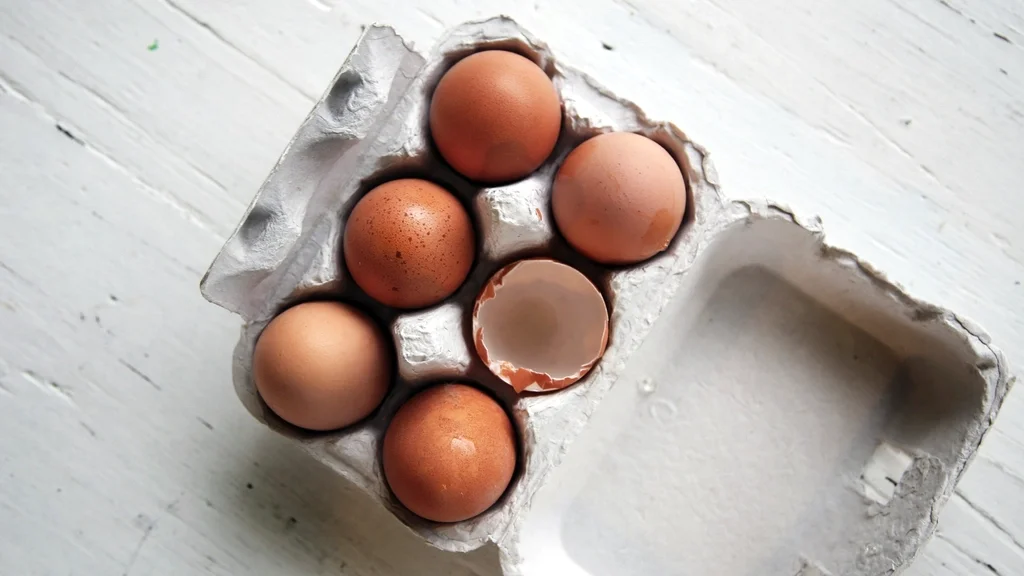
Brown eggs in an open carton in bright natural light
6.3 gReference protein per egg
147 mgCholine — ~¼ daily value
78Calories, boiled large
6-8-10The boiling ladder (minutes)
8 min read Updated 2026-09-21 Verified data
EEINA Editorial Content
Based on authoritative sources (USDA · NIH · FDA · AHA) and reviewed per our editorial methodology
Medical Disclaimer: The following content is a general educational reference based on peer-reviewed studies and classical medical heritage. It does not substitute professional medical advice. If you have a health condition, take chronic medications, or are pregnant or breastfeeding, consult your doctor before following any dietary recommendation. People with diagnosed high cholesterol, diabetes, or egg allergy should follow their own care team's individual plan.

Nutritional Profile — one large boiled egg (~50 g)

Calories
78 kcal
Protein
6.3 g — the biological-value benchmark others are scored against
Carbohydrates
<1 g — a glycemic index is not applicable
Fat
5.3 g, nearly all in the yolk
Choline
147 mg ≈ a quarter of the daily value — almost all in the yolk
Selenium
≈ a quarter of the daily value
Vitamins D & B12
meaningful contributions of both, rare outside animal foods
Cholesterol
186 mg — see the story update below before judging it

Reading the Egg Aisle

Shell color is breed cosmetics, not nutrition. What actually differs:

Brown vs White
Same inside — SAR 12–22/30 eggs

The hen's breed decides shell color; the nutrition tables read the same. Pay for size, freshness and farming standard — never for shell shade.

Sizes (M / L / XL)
Baking counts on Large

Recipes worldwide are written for large (~50 g shelled). Swapping sizes shifts moisture in baking — for breakfast it hardly matters, for cakes it does.

Omega-3 Enriched
Fed flaxseed, priced higher

Hens fed flax or algae lay yolks with more omega-3 — a real difference at a real premium. Worth it if eggs are your main omega-3 route; optional otherwise.

The Date Stamp
Freshest math in the aisle

Pick the farthest date, open the carton, and reject any cracked shell on the spot — cracks are bacteria's open door, and no discount is worth one.

Nutrition Science — The Cholesterol Story, Told Straight

Few foods carried a heavier verdict, and few verdicts were revised so clearly:

  • The update: U.S. Dietary Guidelines dropped the old 300 mg/day dietary-cholesterol cap in 2015; for most people, saturated fat drives blood cholesterol more than dietary cholesterol does. The AHA's 2020 science advisory: an egg a day fits a heart-healthy pattern for healthy adults
  • Who still individualizes: diagnosed high cholesterol, diabetes, or cardiac history — your care team sets your number, and what rides alongside the egg (butter, processed meat) often matters more than the egg
  • Choline, the quiet headline: 147 mg per yolk of the nutrient NIH highlights for brain development and liver function — most diets run short, and the yolk-skippers throw the choline out with it
  • Cooked beats raw: studies show egg protein absorbs far better cooked than raw — the movie-hero raw-egg glass is worse absorption plus salmonella risk
Pregnancy Rules
Fully set, never raw

Choline makes eggs a pregnancy ally — cooked through: firm yolk and white, no runny breakfasts, no homemade raw-egg mayo or mousse. Commercially pasteurized products are the sanctioned exception.

Baby's First Eggs
~6 months, well-cooked

Current allergy guidance favors introducing well-cooked egg around six months with other solids — early acquaintance is now seen as protective, not risky. One new food at a time, and your pediatrician confirms.

Family Kitchen Uses

ShakshukaThe regional breakfast king
Eggs poached in spiced tomato — one pan, complete breakfast. The Saudi-style version is in the EEINA library.
The Boiling Ladder6 / 8 / 10 minutes
From a gentle boil: 6 min jammy, 8 min creamy-set, 10 min fully firm — then straight into cold water to stop the cooking and dodge the green ring. Older eggs peel easier than farm-fresh ones.
Baked Vegetable EggahThe oven frittata
Eggs binding a skillet of vegetables, oven-finished — lunchbox slices for two days. Recipe in the EEINA library.
Avocado Egg ToastThe modern classic
Whole-grain toast, avocado, and a set egg — fats, fiber and reference protein in five minutes. Recipe in the EEINA library.
Kitchen tip

Store eggs in their carton on an inner fridge shelf, not the door rack — the carton blocks odors and the inner shelf holds steady cold. Don't wash eggs before storing (washing strips the shell's protective coat); rinse only right before use if needed. Hard-boiled keep about one week refrigerated.

Frequently Asked Questions

Do eggs raise cholesterol?
For most healthy people, far less than once feared: guidelines dropped the old cap, and AHA 2020 accepts an egg a day in a heart-healthy pattern. Diagnosed conditions individualize with their care team — and the butter alongside often matters more than the egg.
How many eggs a day are okay?
An egg a day sits comfortably in current guidance for healthy adults; active people often eat more within balanced totals. It's the weekly pattern — and the cooking fat — that writes the verdict.
Brown or white eggs?
Identical nutrition — shell color is hen breed, nothing else. Buy by date, size and standard, not shade.
How do I test an egg's freshness?
The float test: submerge in water — lying flat is fresh, tilting is aging (use soon, hard-boil), floating is expired, discard. The air pocket inside grows with age and lifts it. Confirm with the smell test after cracking; a bad egg announces itself.
Can I eat runny yolks while pregnant?
The rule is fully set: firm white and yolk, no runny or raw preparations, no homemade raw-egg sauces. Pasteurized commercial products are the exception. The choline inside makes cooked eggs a pregnancy ally worth keeping.
When can my baby have eggs?
Around six months, well-cooked and soft — current allergy guidance treats early introduction as protective. One new food at a time; your pediatrician confirms the plan.