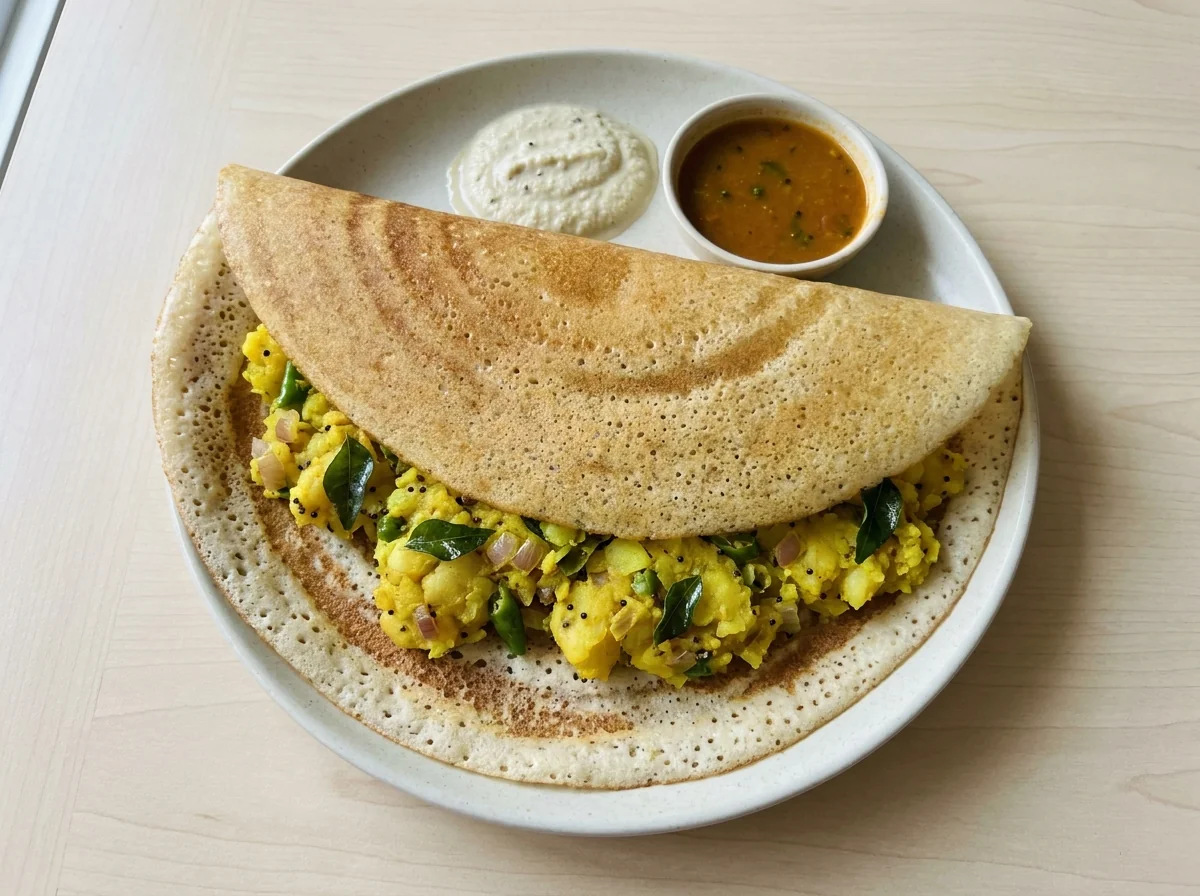
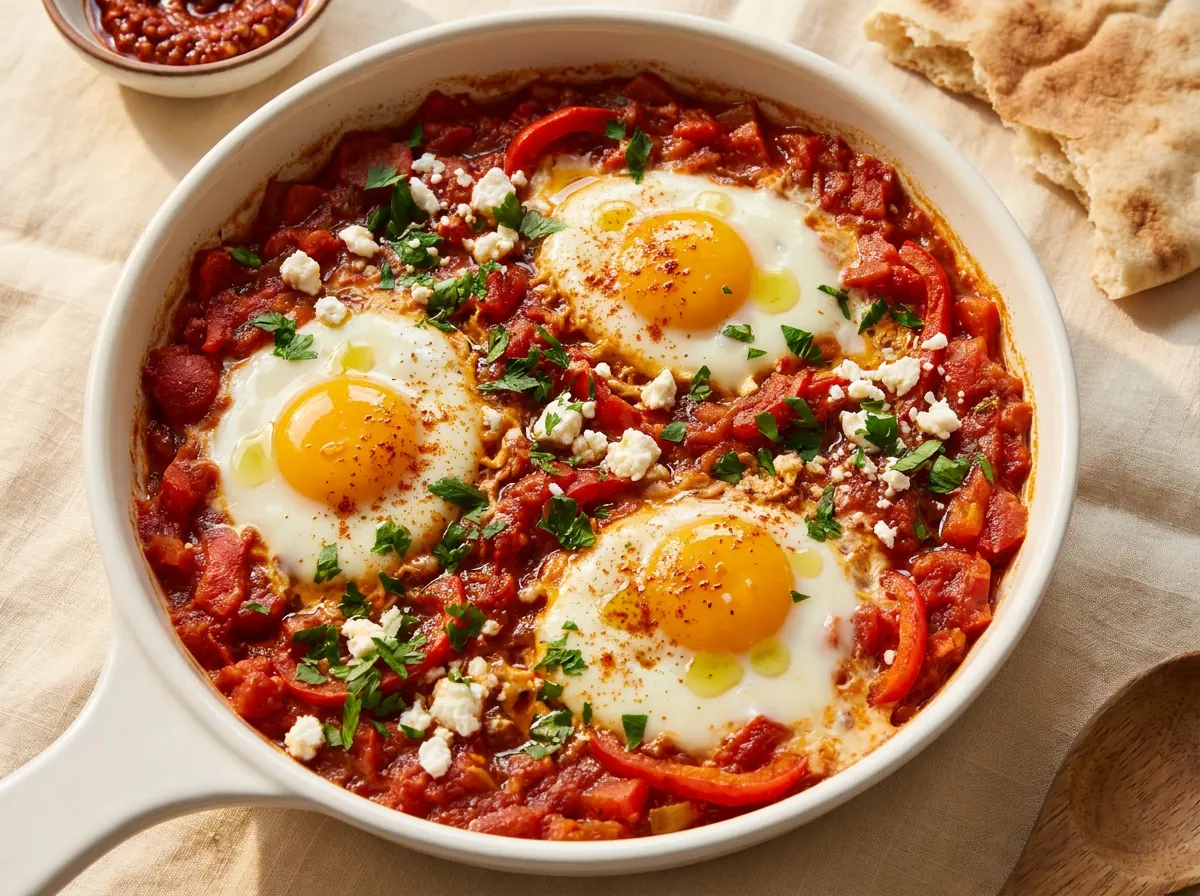
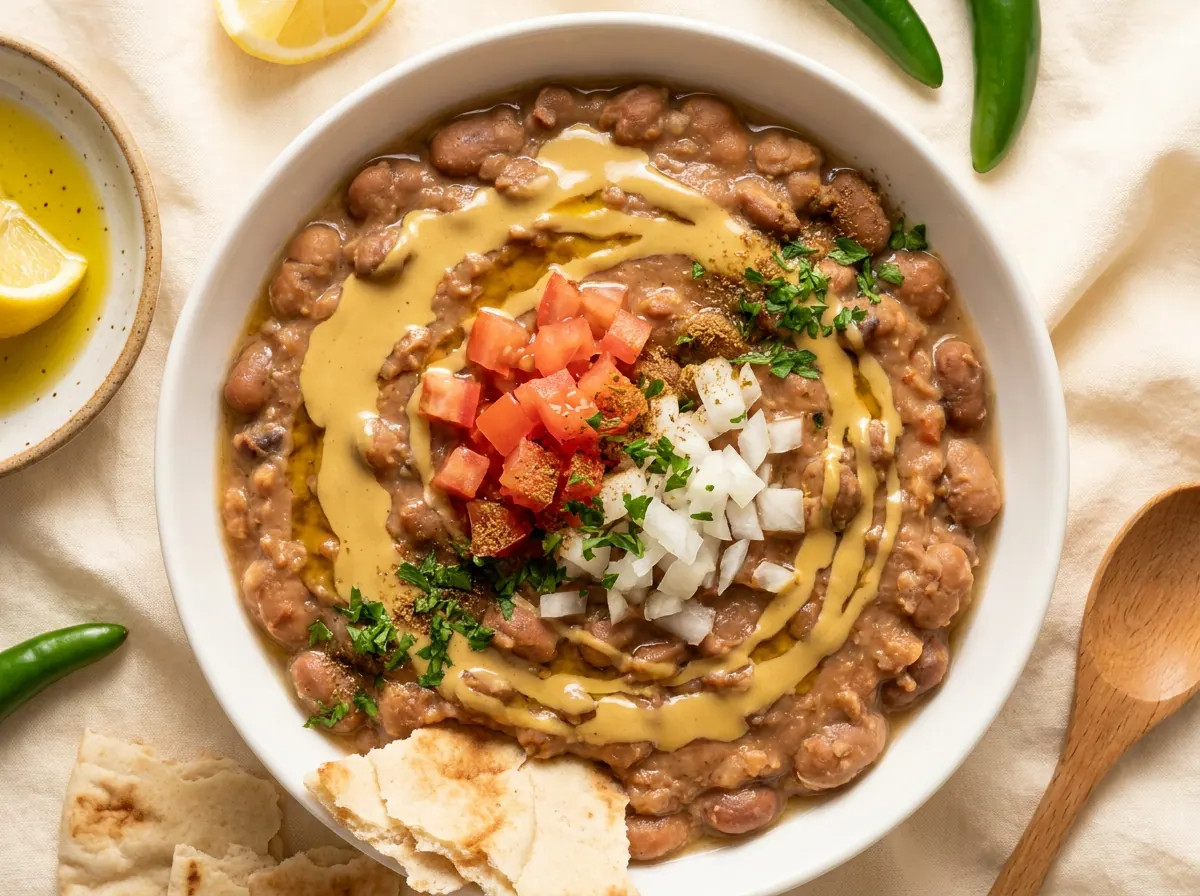
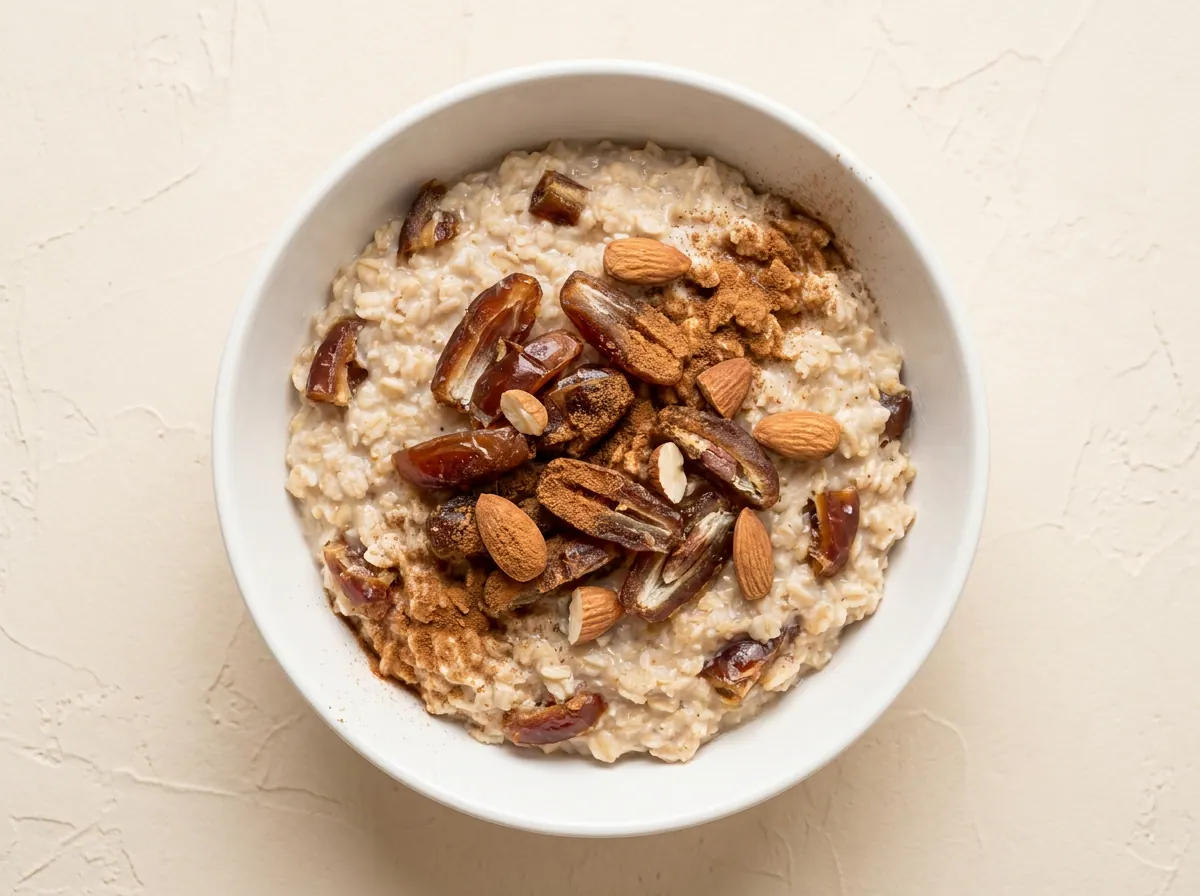
Dosa is the classic South Indian breakfast, and its fermented batter gives it a crispness and a pleasant tangy flavor that we love serving in the morning.
Preparation Steps
Soak the grains
Soak the rice in one bowl and the lentils with the fenugreek in another bowl in plenty of water for six hours, until the grains soften and become easy to grind.
Grind the batter
Drain the water and grind the lentils smooth and fluffy, then the rice slightly coarse, and combine them with a little salt until the consistency is a pourable liquid like light cream.
Ferment the batter
Cover the bowl and leave it in a warm place for eight to twelve hours, until the batter doubles and bubbles appear on the surface. This is the sign of a successful fermentation and the source of the distinctive flavor.
Boil the potatoes
Boil the potatoes in water until they are completely tender when pierced with a fork, then peel and mash them coarsely.
Prepare the filling
Heat the oil and add the mustard seeds until they pop, then the curry leaves, onion, chili, and ginger, and stir until the onion wilts, then add the turmeric and salt.
Finish the filling
Add the mashed potatoes and a little water and stir over low heat for two minutes until the flavors blend, then set it aside.
Spread the dosa
Heat a flat griddle and pour a ladle of batter, spreading it into a thin circle with a spiral motion from the center outward, and drizzle a little oil on the edges.
Toast and fill
Leave it until the base browns and turns golden and crisp and lifts off the griddle easily, place about two spoonfuls of filling in the center and fold it, and serve it hot right away.
Blood Sugar Impact
The glycemic index (GI) measures how quickly a food raises blood sugar, while the glycemic load (GL) measures how much a full serving raises it. Together they give the complete picture.
Glycemic Index
GI
66Medium
Low0–55Medium56–69High70+
A low value (≤55) means a gradual rise in blood sugar — the most suitable range for diabetes and insulin resistance.
Glycemic Load
GL
46High
Low0–10Medium11–19High20+
Glycemic load reflects the impact of the full serving. To lower it: take half a serving, or pair the recipe with a source of protein and fiber.
Nutritional Information
Per ServingMakes 4 servings · one serving is about 340 g of raw ingredients
Calories421 kcal21%of Daily Value*
Protein11 g22%of Daily Value*
Carbohydrates76 g28%of Daily Value*
Fat8 g10%of Daily Value*
Fiber6 g21%of Daily Value*
Sodium607 mg26%of Daily Value*
* Percent Daily Values are based on a 2,000-calorie diet per FDA food-label reference values — your daily needs may be higher or lower. Values are derived from the recipe's ingredients via the USDA database.
Troubleshooting
The most common problems when preparing Indian Potato-Filled Dosa (Masala Dosa), and how to fix them:
The batter did not ferment
Place the bowl in a warmer spot and extend the time, as low heat slows fermentation considerably.
The dosa sticks to the griddle
Make sure the griddle is well heated before pouring and wipe it with a little oil before the first dosa.
The dosa is thick
Thin the batter with a little water and spread it thinner with a quick spiral motion.
Storage and Make-Ahead
Refrigerator
Keep the fermented batter in the refrigerator for up to three days in an airtight container, and stir it before use.
Filling
Keep the potato filling in the refrigerator for up to two days and reheat it well before serving.
Freezing
The filling can be frozen for up to a month, but it is best to use the batter fresh after fermenting.
Tested Ingredient Substitutions
Original Ingredient
Tested Substitute
Ratio
Flavor Difference
Urad lentils
Skinned white lentils
1 to 1
This substitute is more available in the Arab market and gives a close texture.
Curry leaves
A little bay leaf
A small amount
Not an exact flavor match but it adds an acceptable aromatic scent.
White rice
Aged basmati rice
1 to 1
Gives a lighter batter with good fermentation.
How Much Does It Make? Scaling Guide
Ingredient
2 servings
4 servings (base)
8 servings
White rice
100 g
200 g
400 g
Urad dal
35 g
70 g
140 g
Potatoes
250 g
500 g
1000 g
Vegetable oil
15 ml
30 ml
60 ml
EEINA Nutrition Tip
Fermenting the rice and lentil batter develops its flavor and makes its texture lighter, and a warm place speeds up the fermentation and improves the result.
Add This Recipe to Your Plan
The EEINA app saves your favorite recipes, calculates them from their real ingredients, and shows your daily numbers toward your goal. Try it free now.