No dish gathers our households like a platter of rice at the center of the table — and no staple raises more questions. Which variety is gentlest on blood sugar? Basmati (GI ~58, medium) behaves very differently from short-grain white rice (GI ~73, high), and the difference comes down to starch chemistry: amylose versus amylopectin. Add the documented cool-and-reheat trick — 24 hours in the fridge converts part of the starch into resistant starch, and a published human trial found a lower glycemic response even after reheating — plus a few safety rules most kitchens never hear about, and the familiar grain turns out to be worth a full encyclopedia page.
~58GI of boiled basmati (medium)
~73GI of short-grain white (high)
45 gCarbs per cooked cup
24 hChilling builds resistant starch
8 min readUpdated 2026-09-21Verified data
EEINA Editorial Content
Based on authoritative sources (USDA · University of Sydney · PubMed) and reviewed per our editorial methodology
Medical Disclaimer: The following content is a general educational reference based on peer-reviewed studies and classical medical heritage. It does not substitute professional medical advice. If you have a health condition, take chronic medications, or are pregnant or breastfeeding, consult your doctor before following any dietary recommendation.
Nutritional Profile — one cup cooked white rice (158 g)
Calories
205 kcal
Total carbohydrates
45 g
Dietary fiber
0.6 g (white, milled) · ~3.5 g per cup of cooked brown
Protein
4.3 g (lysine-limited; legumes complete it)
Fat
0.4 g
Gluten
Naturally gluten-free, all varieties
Glycemic index
~58 basmati (medium) · ~73 short-grain white (high) · ~68 brown
Approximate price
SAR 5–18/kg for common varieties (varies by season and origin)
The Varieties on Our Shelves
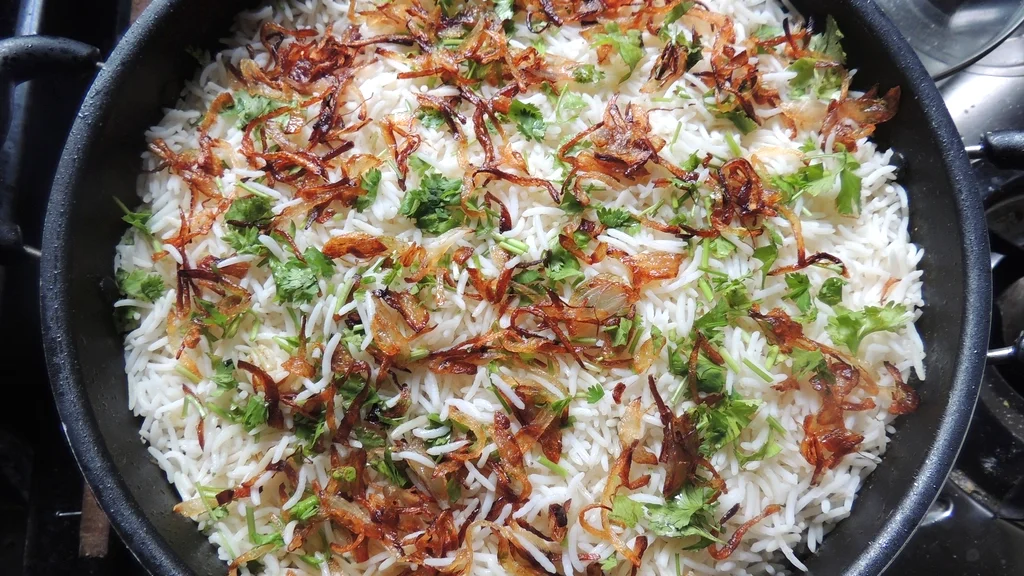
Basmati (and parboiled sella)
The kabsa grain — GI ~58
Long, aromatic, high in amylose, so it cooks up fluffy and separate and digests more gently. Aged basmati (1+ year) cooks even longer and fluffier — that "aged" label is worth paying for.
Short-Grain White (Egyptian-style)
Creamy and clingy — GI ~73
High-amylopectin starch dissolves into the pot, which is exactly what creamy dishes like Hijazi saleeg want — and why its glycemic index runs high. Portion control and pairing matter most here.
Brown & Hassawi Red
Whole grain, bran intact
Milling is what turns rice white; brown rice keeps its bran — fiber, magnesium, B vitamins — and Hassawi red, the heritage rice of the Al-Ahsa oasis, keeps a red bran and an earthy flavor. Both go rancid faster: buy small, store cool.
Jasmine
Floral aroma, softer grain
Thailand's aromatic rice: softer and slightly clingier than basmati, the natural partner for Asian dishes and fried fish. Its GI runs high like other white rices — same pairing rules apply.
Nutrition Science — Rice & Blood Sugar
Rice's glycemic behavior is set by its starch ratio: amylose (straight chains, firm and slow) versus amylopectin (branched, sticky and fast). That's why one word — "rice" — spans a GI range from the 50s to the 70s:
Choose by variety: basmati (~58) over short-grain white (~73); brown sits around ~68 but adds real fiber
The third-of-the-plate rule: rice fills a third, protein a third, salad and vegetables the rest
Rinse before cooking: better texture, and regulators document that rinsing plus cooking in excess water and draining reduces part of the inorganic arsenic rice absorbs from soil
The Cool-and-Reheat Trick
Published human trial (2015)
White rice cooled 24 hours at fridge temperature re-crystallizes part of its starch into resistant starch (RS3), which behaves like fiber. The trial measured a lower glycemic response for cooled-then-reheated rice versus freshly cooked — ideal for weekly meal-preppers. Chill it within an hour of cooking.
Leftover Rice Safety
The one-hour rule
Cooked rice left hours at room temperature can grow Bacillus cereus, whose toxin survives reheating. Refrigerate within an hour, keep 3–4 days maximum, reheat piping hot once. Chilled correctly, yesterday's rice is safe — and better for fried rice.
Family Kitchen Uses
Kabsa & MandiBasmati, rinsed & soaked
Rinse until the water runs clear, soak 30 minutes, measure water by variety — that trio separates fluffy kabsa from mush, before any spice enters the pot.
Hijazi SayadiyahFish-broth rice
Rice simmered in fish broth with caramelized onions under seared grouper — one of the Hijaz coast's oldest rice dishes. Full recipe in the EEINA library.
Rice + Lentils (Mujaddara)Complete plant protein
Rice is short on lysine, lentils are short on methionine — together they form a practically complete protein, as nutrition references document. Old frugal cooking, modern protein science.
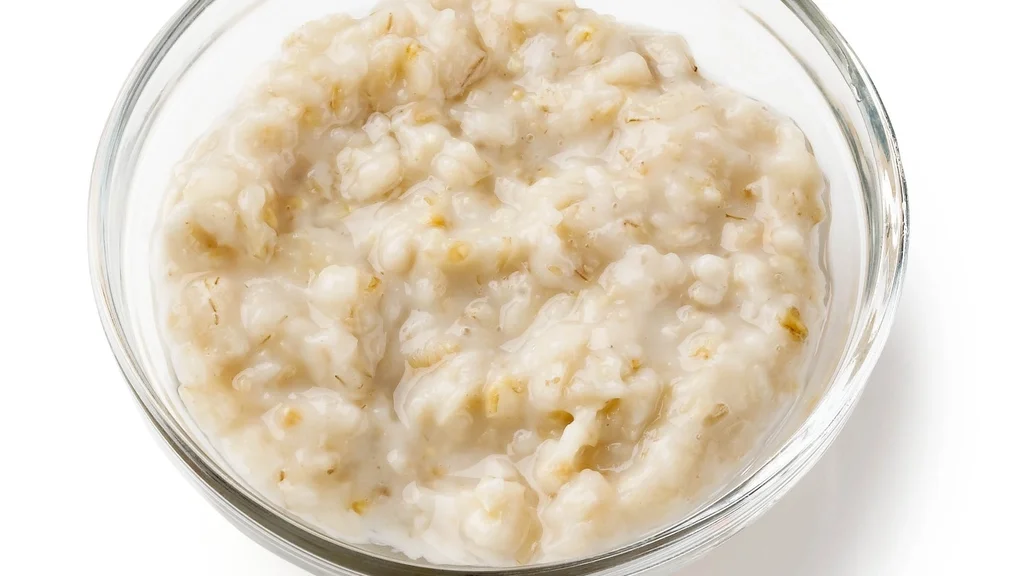
Almond-Milk Rice PuddingRenal-friendly dessert
The timeless rice pudding rebuilt with almond milk — lower sodium and phosphorus load, same creamy comfort. Recipe in the EEINA library.
Kitchen tip
Day-old chilled rice makes the best fried rice: the grains firm up and won't mash in the pan — and you gain resistant starch on top. Two goals, one fridge.
Frequently Asked Questions
Which rice is best for blood sugar?
Basmati (GI ~58, medium) over short-grain white (~73, high), thanks to higher amylose. Keep rice to a third of the plate and pair it with protein and salad; the cool-and-reheat trick lowers the response further.
Is washing rice necessary?
Yes, twice over: it removes surface starch so grains cook separate, and regulators document that rinsing plus cooking in excess water and draining reduces part of the inorganic arsenic rice absorbs from soil.
Is leftover rice safe?
Safe if chilled within an hour of cooking, kept 3–4 days in the fridge, and reheated piping hot once. The real risk is rice left out for hours — Bacillus cereus toxin survives reheating.
What about arsenic in rice?
Rice absorbs more inorganic arsenic than other grains because it grows flooded. Regulators advise managing, not avoiding: rinse, cook in excess water and drain where the dish allows, and rotate other grains through the week — especially for infants' cereals.
Is rice gluten-free?
Yes — every variety, naturally. Rice is the world's first safe staple for celiac disease and wheat allergy, provided the product avoids cross-contact in processing.
Why does my rice turn sticky?
Three causes: a short-grain (high-amylopectin) variety, unrinsed surface starch, or too much water. For fluffy rice: basmati, rinse until clear, soak 30 minutes, and measure water by the variety, not by habit.