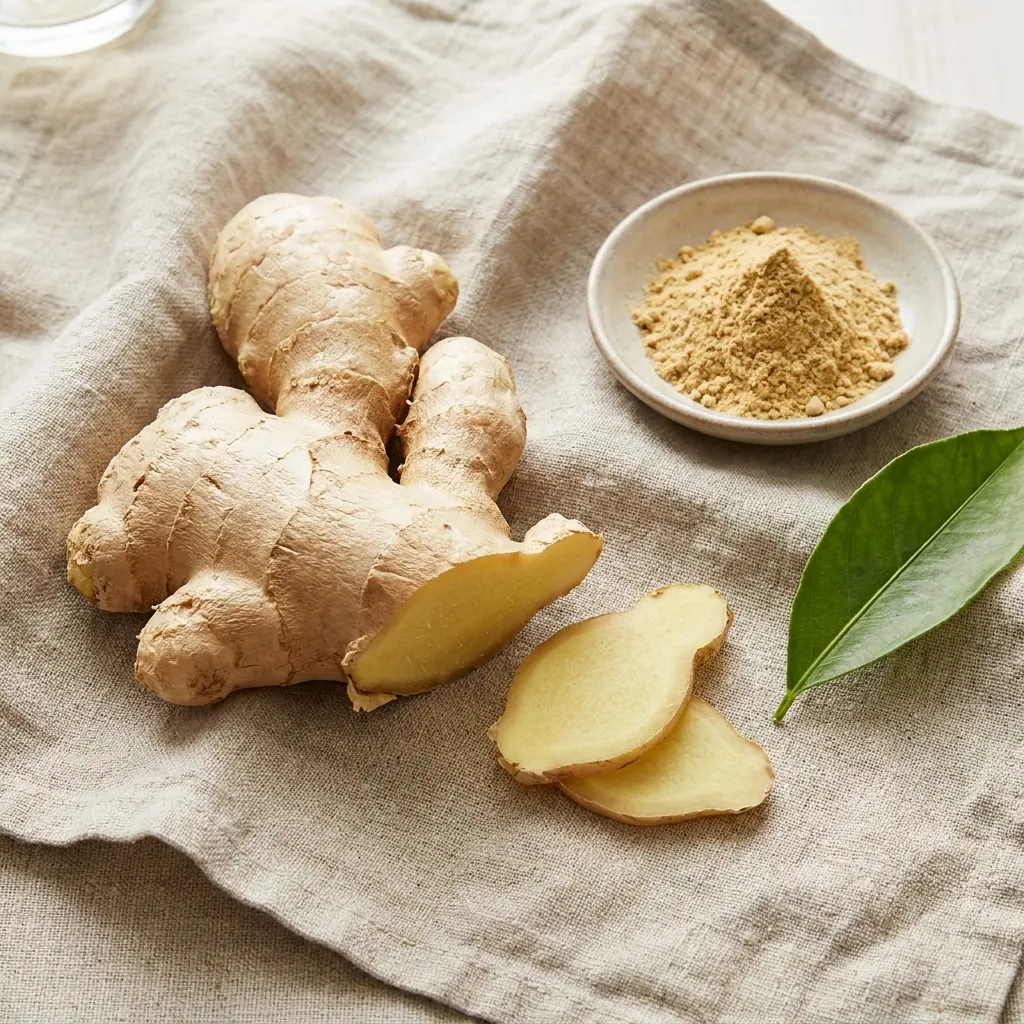
Ingredient Profile
- Scientific name
- Zingiber officinale, family Zingiberaceae
- Active compounds
- Gingerols (fresh) & Shogaols (dried/cooked)
- Origin
- Southeast Asia
- Top producer
- India (40% of world supply)
- Saudi culinary use
- Karak tea, Kabsa marinades, winter drinks
- Key benefit
- Anti-emetic (nausea) & Anti-inflammatory
- Safe daily dose
- 3–4 g (1 tsp powder or 2cm fresh root)
What Is Ginger?
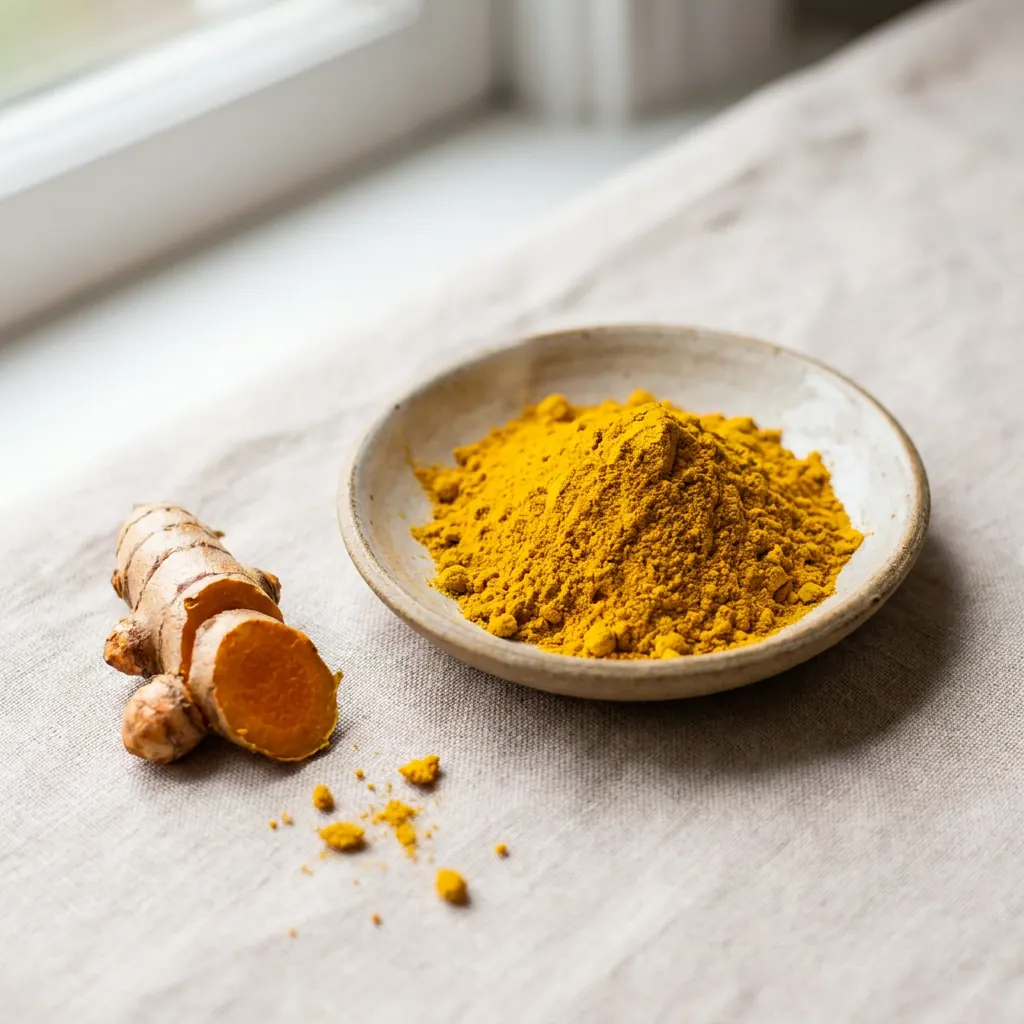
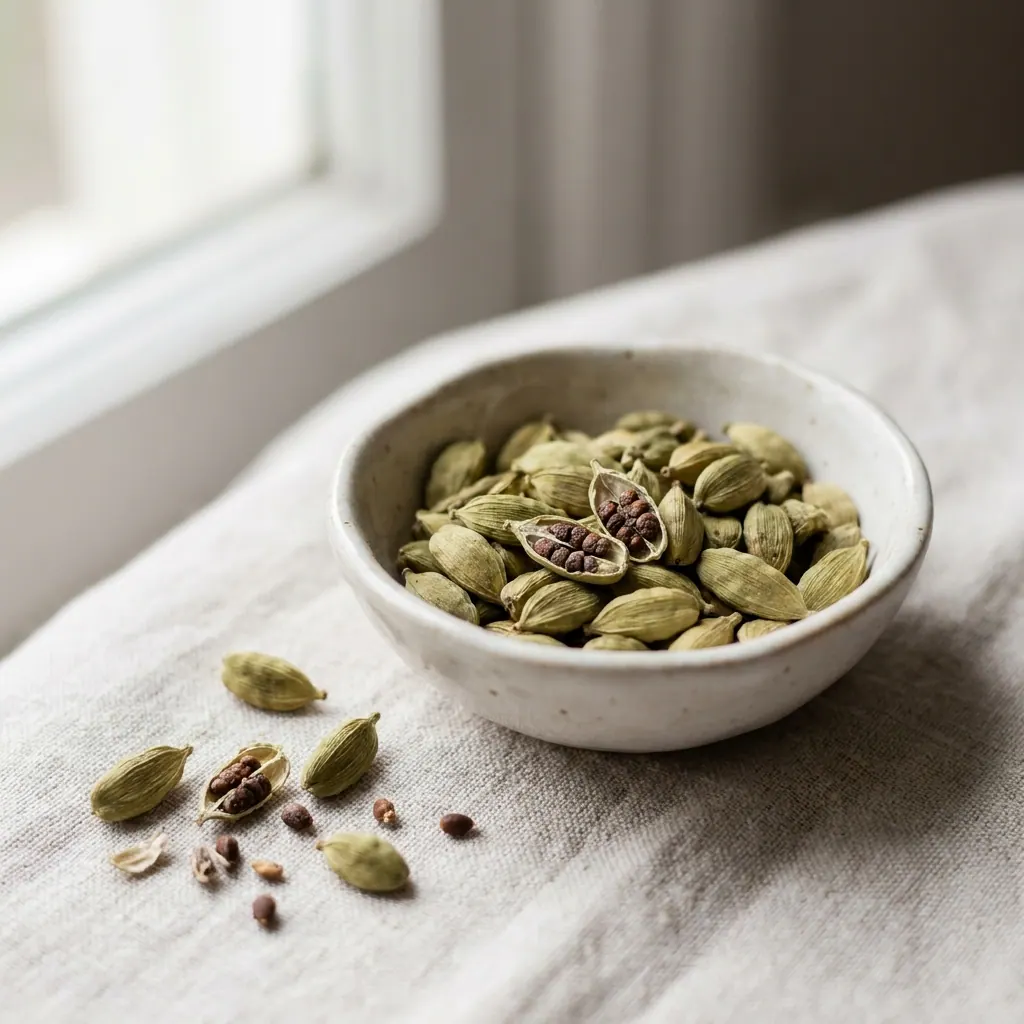
Ginger is a flowering plant whose rhizome (root) is used as a spice and medicine. It belongs to the same family as turmeric and cardamom. Fresh ginger has a spicy, citrusy, and slightly woody flavor, while dried ginger powder is much more pungent and warming.
In the Saudi and Gulf kitchen, ginger is most famous for its role in Karak tea. It is also a staple in marinades for grilled meats and is traditionally brewed as a hot tea with lemon and honey during the winter months to "warm the body" and fight off colds.
Ginger Science — Fresh vs. Dried
Gingerol (Fresh)
The primary compound in fresh ginger. It provides a sharp, refreshing heat and is highly effective at blocking the receptors in the gut that trigger nausea.
Best for: Pregnancy nausea, morning sickness, and antioxidant support.
Shogaol (Dried/Cooked)
Formed when ginger is dried or cooked. It is twice as spicy as gingerol and has more potent anti-inflammatory properties.
Best for: Joint pain, arthritis, and boosting circulation.
Ginger is the gold standard for natural nausea relief. Meta-analyses show it is significantly more effective than placebo for morning sickness and travel sickness without the side effects of drugs.
Taking 250mg of ginger powder four times daily during the first three days of a period has been shown to reduce pain intensity as effectively as 400mg of Ibuprofen.
Recent trials on Type 2 diabetics show that 2g of daily ginger can lower fasting blood sugar by 12% and improve long-term HbA1c levels by up to 10%.
Due to its anti-inflammatory effects, consuming ginger daily can reduce muscle pain following intense exercise (DOMS) by about 25% when taken consistently.
For pregnancy or motion sickness, the science suggests 1 gram of ginger daily. This is best taken as four 250mg doses throughout the day (or 1/4 tsp of ground ginger in water four times). Do not exceed 1.5g per day during pregnancy.