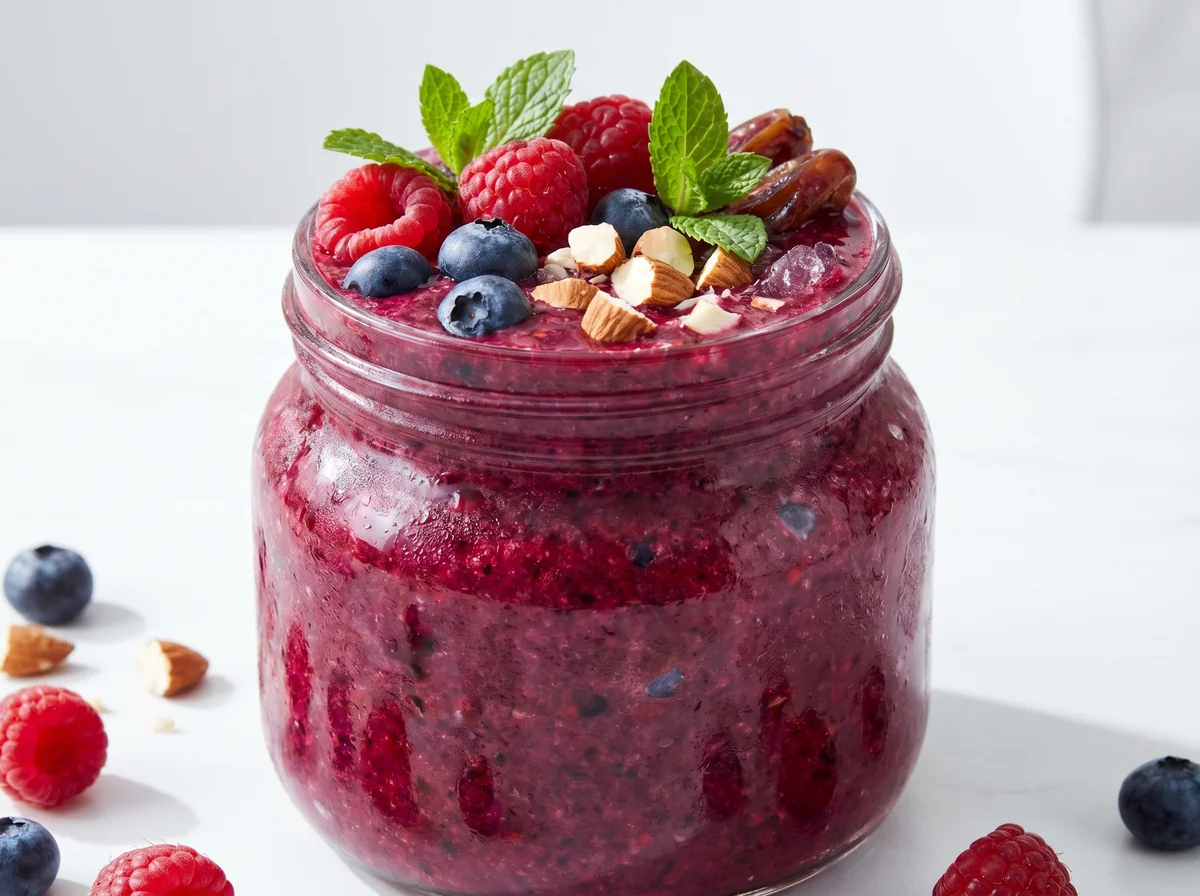
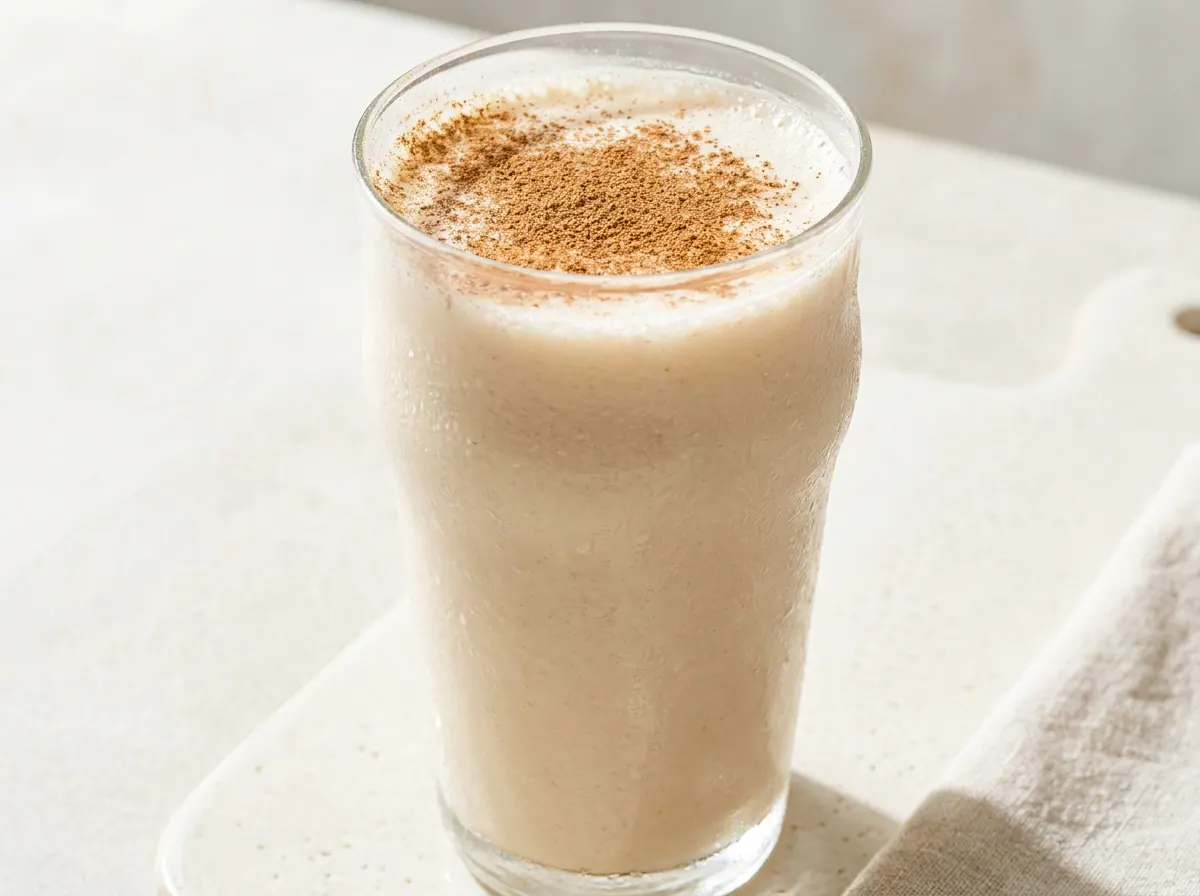
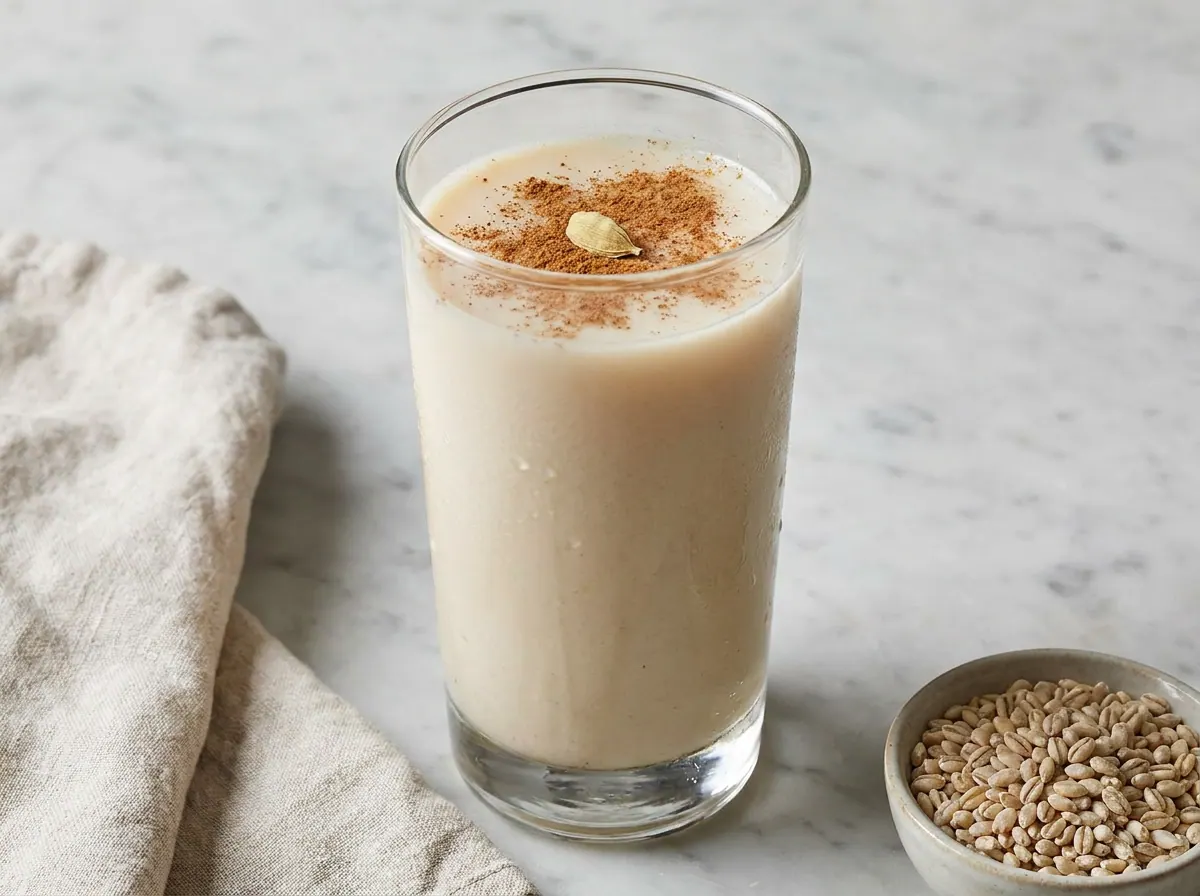
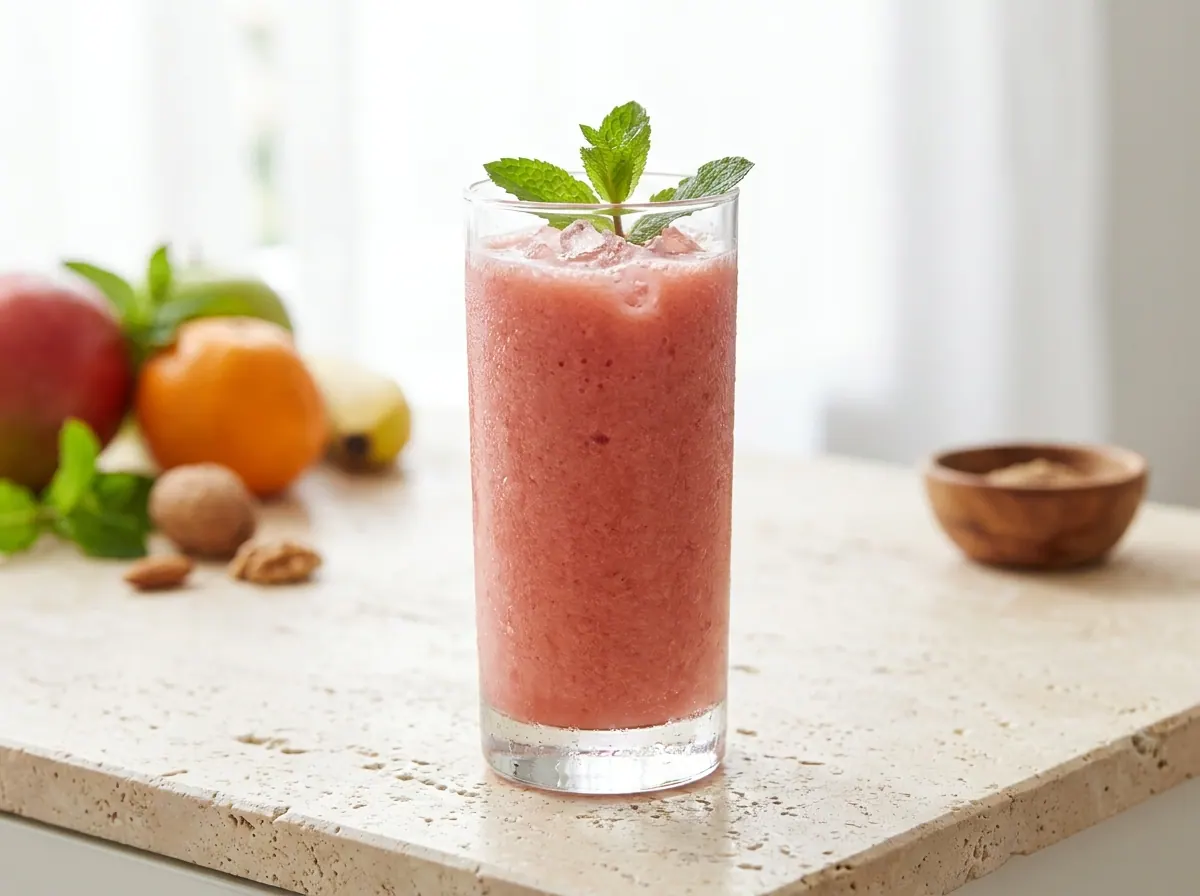
At Ramadan tables and on hot summer evenings, many people look for a drink that hydrates and nourishes without weighing down the stomach or drowning in sugar. This smoothie is born of a simple idea: instead of straining beet into a clear juice and losing its fiber, keep the whole fruit and pair it with frozen berries and yogurt.
This trio gives a striking crimson color, a thick shake-like consistency, and a refreshing acidity that cuts through the beet's earthiness. It is a nobler cousin of traditional beet juice: more fiber, more protein from the yogurt, and natural sweetness from the berries that makes added sugar unnecessary.
Preparation Steps
Boil the beet
Submerge the whole unpeeled beet in water over medium heat and boil for about 30 minutes until a fork slides easily into the center — that is the sign it is done. Boiling it in its skin preserves its color and earthy flavor. Prepare it in advance or use ready-cooked beet to save time.
Peel and dice
Leave the beet to cool for a couple of minutes then rub off the skin with your palm under cold running water — it slips off easily — and cut into small cubes. Cooling it before cutting makes blending easier and prevents the heat from thinning the yogurt.
Combine the ingredients
Place the diced beet, frozen berries, yogurt, milk, honey, and lemon juice in the blender jar, arranging the liquid at the bottom so the blades move freely. The frozen berries reduce the need for much ice and give the smoothie a thick consistency.
Blend until smooth
Blend on high speed for a full minute until the mixture is smooth, uniformly crimson in color, and lump-free — the berries disappearing is the sign of readiness. Add the ice cubes and pulse a few times if you want a colder consistency.
Adjust and serve
Taste and adjust the acidity with drops of lemon or the sweetness with a little honey as desired — beets vary in their natural sweetness. Pour into two glasses and serve immediately before the berries lose their color and freshness.
Blood Sugar Impact
The glycemic index (GI) measures how quickly a food raises blood sugar, while the glycemic load (GL) measures how much a full serving raises it. Together they give the complete picture.
Glycemic Index
GI
42Low
Low0–55Medium56–69High70+
A low value (≤55) means a gradual rise in blood sugar — the most suitable range for diabetes and insulin resistance.
Glycemic Load
GL
11Medium
Low0–10Medium11–19High20+
Glycemic load reflects the impact of the full serving. To lower it: take half a serving, or pair the recipe with a source of protein and fiber.
Nutritional Information
Per ServingMakes 2 servings · one serving is about 360 g of raw ingredients
Calories237 kcal12%of Daily Value*
Protein14 g28%of Daily Value*
Carbohydrates31 g11%of Daily Value*
Fat8 g10%of Daily Value*
Fiber5 g18%of Daily Value*
Sodium127 mg6%of Daily Value*
* Percent Daily Values are based on a 2,000-calorie diet per FDA food-label reference values — your daily needs may be higher or lower. Values are derived from the recipe's ingredients via the USDA database.
Troubleshooting
The most common problems when preparing Beetroot Berry and Yogurt Smoothie, and how to fix them:
Color is dull brown instead of crimson
Add more lemon juice — acidity stabilizes the red betalain pigment in beet and prevents it from fading. Serving the drink immediately also preserves the color's brightness.
Consistency is too thin
Reduce the milk or add more frozen berries and yogurt. Frozen berries in particular thicken the mixture without diluting its flavor the way melting ice does.
Dominant earthy flavor from the beet
Reduce the beet to 100 g and increase the berries, and add a squeeze of lemon. Boiling in the skin and then peeling reduces the earthiness compared to raw beet.
Mixture will not become smooth
Let the blender run for a full minute on high speed, and arrange the liquid at the bottom. If it is still coarse, add 30 ml of milk to help the blades move.
Too sweet or off-balance
Omit the honey and increase the lemon juice slightly — the balance between the acidity of the berries and lemon and the natural sweetness of the beet is the secret of a well-balanced flavor.
Storage and Make-Ahead
Serve immediately
Best drunk within 15 minutes of preparation to preserve the color, consistency, and air-sensitive vitamins.
Refrigerator
Store in an airtight container in the refrigerator for up to 24 hours — it may separate slightly, so stir or shake well before drinking.
Freezer
Pour into ice cube molds and freeze for up to two weeks, then blend the cubes later with a splash of milk for a quick smoothie.
Tested Ingredient Substitutions
Original Ingredient
Tested Substitute
Ratio
Flavor Difference
Greek yogurt
Plain plant-based yogurt (coconut or soy)
1:1
Makes the recipe dairy-free — the protein will be slightly lower, so choose a protein-fortified variety.
Cow's milk
Unsweetened almond or oat milk
1:1
A plant-based alternative — note that almond milk adds a tree nut allergen.
Honey
One pitted date or a few drops of stevia
1 teaspoon honey = 1 date
The date adds fiber — stevia is a calorie-free option for those watching blood sugar.
Frozen mixed berries
Blueberries only or frozen strawberries only
1:1
Each variety changes the color and acidity slightly — blueberries shift the color toward purple.
Boiled beet
Oven-roasted beet
1:1
Roasting concentrates the sweetness and deepens the flavor — wrap in foil at 200°C for about 40 minutes.
How Much Does It Make? Scaling Guide
Ingredient
2 servings
4 servings
6 servings
Cooked beetroot
150 g
300 g
450 g
Frozen mixed berries
200 g
400 g
600 g
Greek yogurt
200 g
400 g
600 g
Cold milk
150 ml
300 ml
450 ml
Honey (optional)
1 tsp
2 tsp
3 tsp
EEINA Nutrition Tip
Choose plain, unsweetened Greek yogurt — it nearly doubles the protein compared to regular yogurt and slows the blood sugar rise after drinking. For those watching their weight, make the honey optional and start without it, as the natural sweetness of the berries is usually enough.
Add This Recipe to Your Plan
The EEINA app saves your favorite recipes, calculates them from their real ingredients, and shows your daily numbers toward your goal. Try it free now.
Yes, generally — its ingredients are common safe foods. Make sure the yogurt is pasteurized and the berries are well washed, and consult your doctor if you have any specific dietary concern during pregnancy.
Will it raise blood sugar?
It is gentler on blood sugar than filtered juice because it retains the whole fiber and includes the protein of the yogurt, which both slow absorption. It does, however, contain natural sugars from the berries and beet, so make the honey optional if you have diabetes.
Why did my urine or stool turn pink after drinking it?
This is a common, harmless phenomenon called beeturia — it is caused by the betalain pigment in beet, which some people's bodies do not break down completely. It disappears on its own and is nothing to worry about.
Can it be prepared the night before?
Yes — prepare it the evening before and store in an airtight container in the refrigerator for up to 24 hours, then shake well before drinking as the ingredients may separate slightly.
Is it suitable for people with kidney disease or kidney stones?
Beet is high in oxalates and potassium, so it may not be suitable for people with oxalate kidney stones or kidney restrictions. Consult your doctor or renal dietitian before including it regularly in your diet.