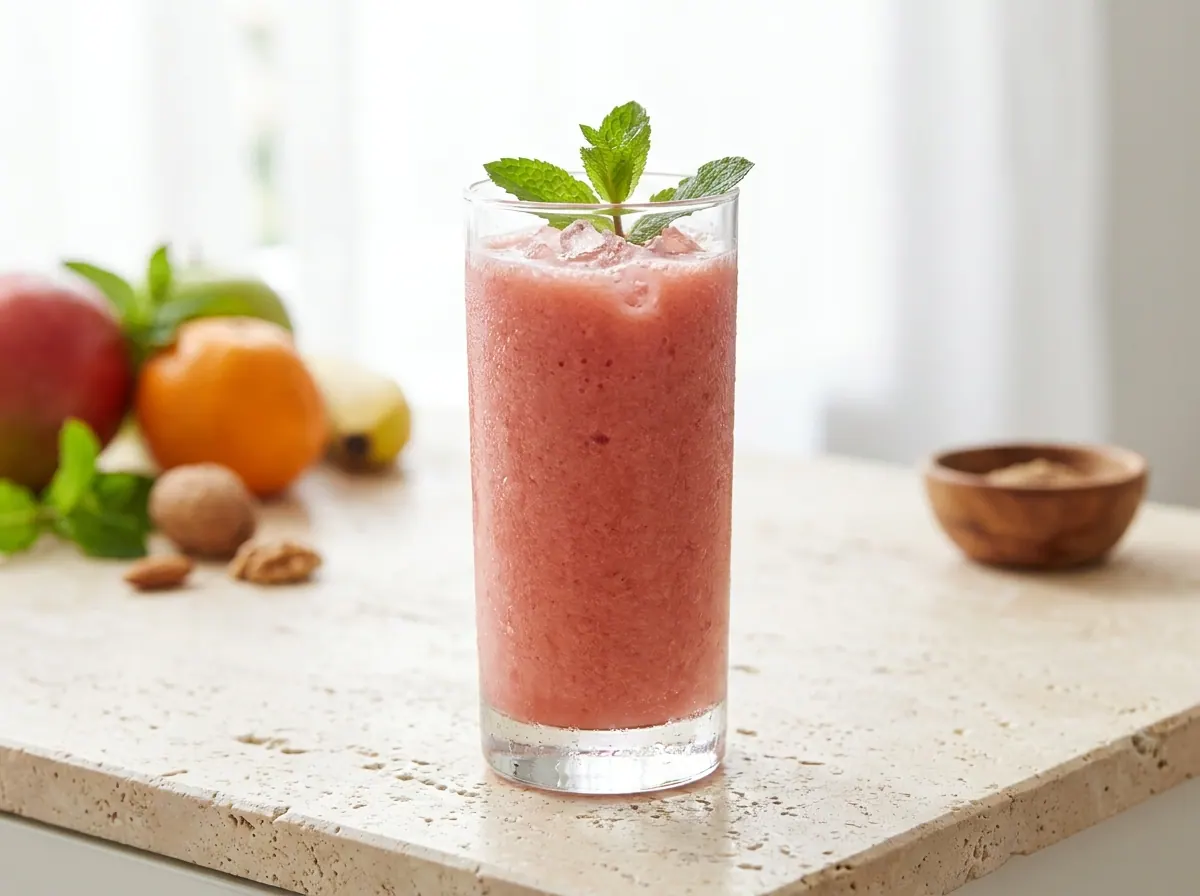
Red sobia is a traditional cold Hijazi Ramadan drink made from stale bread or cracked barley with sugar, cardamom, and rose water — its signature pink colour comes from added strawberry flavouring or syrup. An honestly high-glycemic sweetened drink.
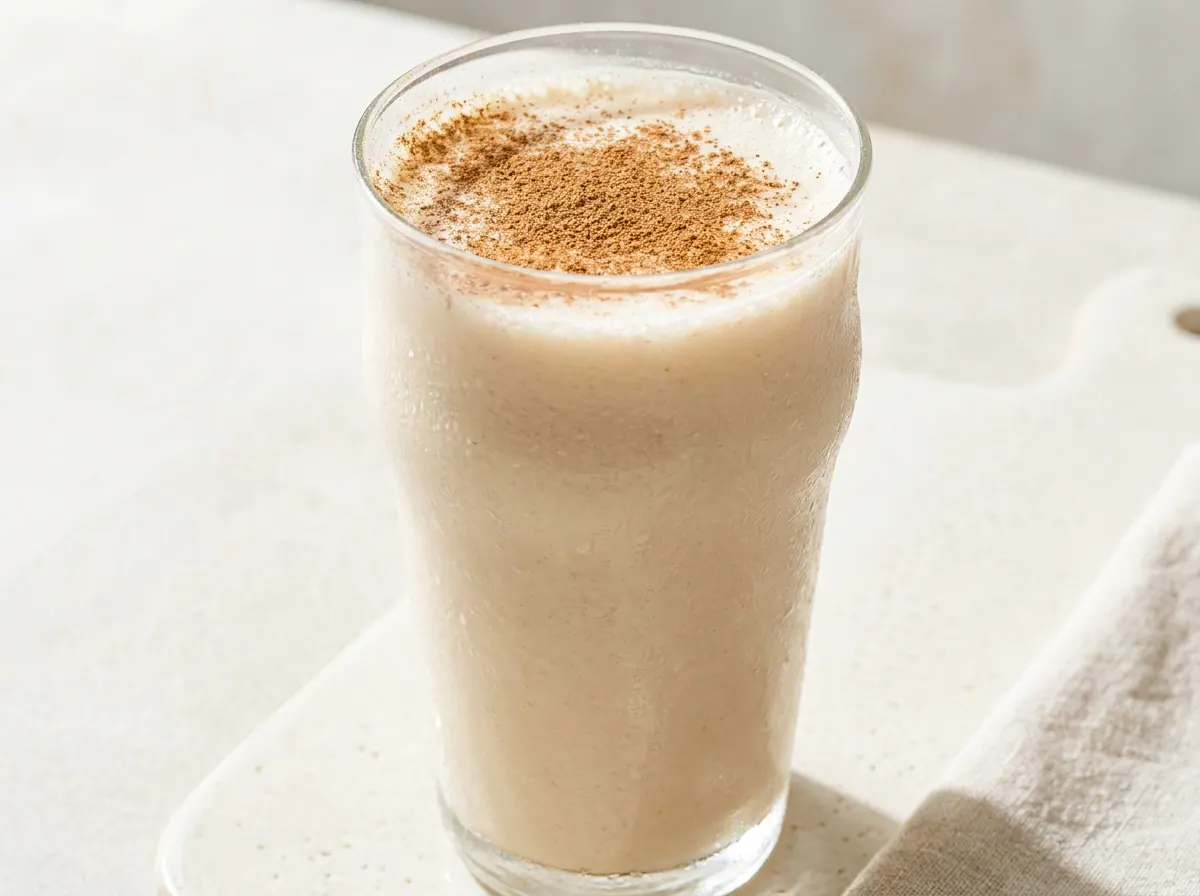
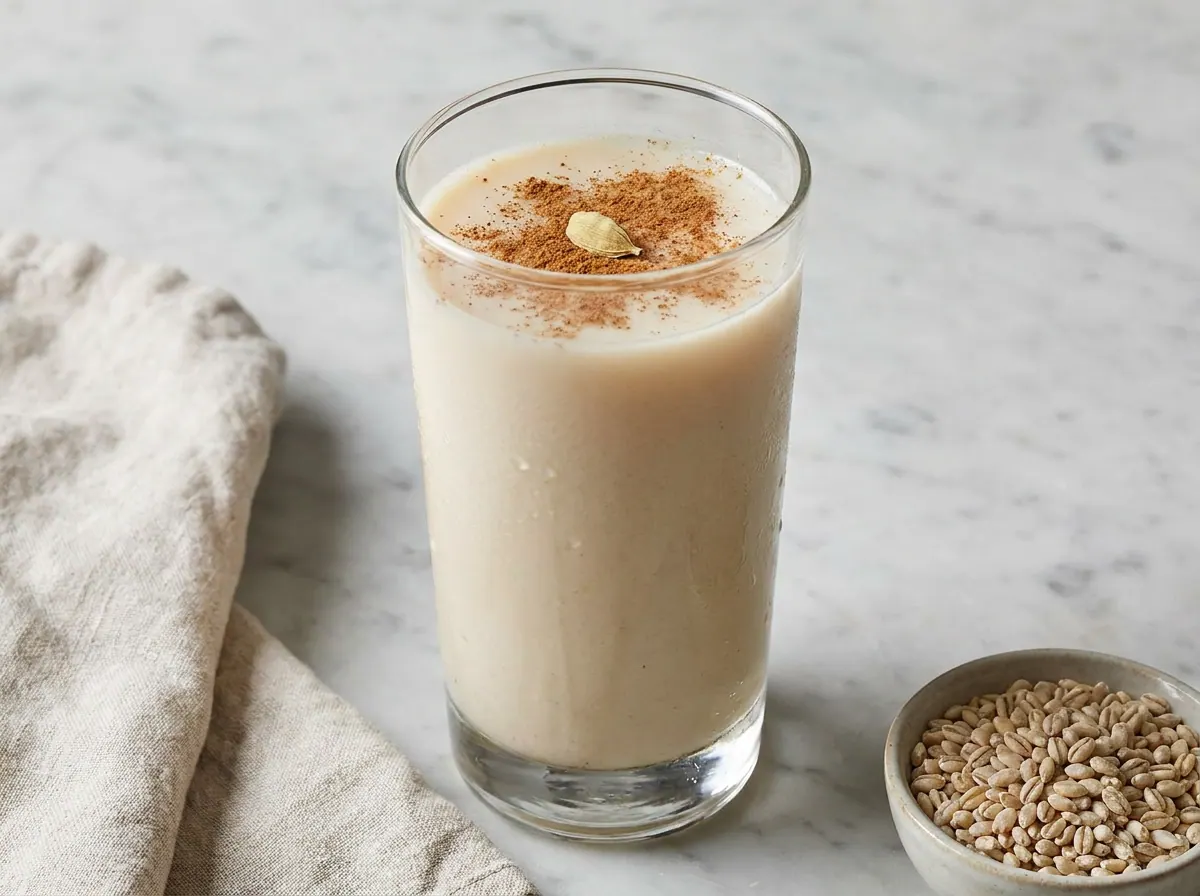
Sobia is a cold drink popular in the Hijaz and Egypt; accounts say it entered the Hijaz via Egyptian pilgrims' caravans centuries ago and became one of the most famous Ramadan drinks on the tables of Jeddah and Mecca. The Saudi version is made from stale bread or cracked barley or wheat flour with sugar, cardamom, and cinnamon, and is sometimes left for a brief natural fermentation that gives it a gentle tanginess.
Sobia comes in various colours: white in the natural barley colour, brown with the addition of tamarind, and red — the subject of this recipe. The red colour here honestly comes from strawberry flavouring or syrup or added red food colouring, not a natural colour from the base. It is a drink of hospitality and pleasure, not a therapeutic drink, and its value rests primarily on added sugar.
Preparation Steps
Soak the bread
Tear the stale bread into small pieces and soak in part of the water until completely soft. If using cracked barley, soak it too for several hours or briefly simmer then strain.
Add the sugar and flavourings
Add the sugar, cardamom, and rose water to the soaked bread along with the remaining water.
Blend
Blend the ingredients in an electric blender until completely smooth and uniform.
Strain
Strain the mixture well through a fine sieve or piece of cloth to get a liquid free from coarse residue.
Add the red colour
Add the strawberry syrup or flavouring, or a few drops of red food colouring, and stir until the pink colour is evenly distributed. This is the source of the added red colour.
Taste and adjust
Taste and adjust the sugar or water as desired.
Chill
Refrigerate the sobia until completely cold — ideally leave it to set for a while.
Serve
Serve very cold with ice. Consume within 2 to 3 days as it loses its quality and may begin to ferment after that.
Blood Sugar Impact
The glycemic index (GI) measures how quickly a food raises blood sugar, while the glycemic load (GL) measures how much a full serving raises it. Together they give the complete picture.
Glycemic Index
GI
58Medium
Low0–55Medium56–69High70+
A low value (≤55) means a gradual rise in blood sugar — the most suitable range for diabetes and insulin resistance.
Glycemic Load
GL
31High
Low0–10Medium11–19High20+
Glycemic load reflects the impact of the full serving. To lower it: take half a serving, or pair the recipe with a source of protein and fiber.
Nutritional Information
Per ServingMakes 8 servings · one serving is about 350 g of raw ingredients
Calories266 kcal13%of Daily Value*
Protein5 g10%of Daily Value*
Carbohydrates59 g21%of Daily Value*
Fat1 g1%of Daily Value*
Fiber5 g18%of Daily Value*
Sodium150 mg7%of Daily Value*
Potassium114 mg2%of Daily Value*
Phosphorus83 mg7%of Daily Value*
* Percent Daily Values are based on a 2,000-calorie diet per FDA food-label reference values — your daily needs may be higher or lower. Values are derived from the recipe's ingredients via the USDA database.
Troubleshooting
The most common problems when preparing Hijazi Red Sobia, and how to fix them:
The sobia has a rough texture and did not become smooth.
The bread was not soaked enough before blending, or was not well strained afterward. Soak the bread until it has fully absorbed the water and softened completely before running the blender, then pass the mixture through a fine-mesh sieve or clean cotton cloth, gently squeezing the residue to extract every last bit of liquid.
The texture is too watery, like plain water.
Not enough bread or barley relative to the water. Traditional sobia has a medium consistency between liquid and thick. Add one more loaf or half a cup of soaked barley, or reduce the water slightly in the next batch. Leaving it in the fridge for several hours also helps it thicken.
The red colour is pale or uneven.
The strawberry syrup was added all at once without enough stirring. Add it gradually with continuous stirring until you reach the desired shade, and remember the colour here is added — not natural — so the amount controls the intensity. A few drops of red food colouring will give a more vivid shade if desired.
An unexpected sharp or sour taste.
The sobia was left outside the fridge for too long and natural fermentation began. Some families enjoy this slight tanginess, but if you do not want it, serve it fresh and cold and do not leave it outside the fridge. Discard it if a strong alcoholic smell or heavy bubbling appears.
A heavy layer settles at the bottom.
This is natural in sobia — starch tends to sink. Stir or shake well before each serving and serve in a pitcher that is easy to stir. Good straining first reduces settling but does not eliminate it entirely.
Storage and Make-Ahead
Fridge (4 °C)
Ready sobia: 2 to 3 days maximum in a sealed pitcher or container. After that it loses its flavour and natural fermentation may begin. Stir before each serving to redistribute the settled starch.
Freezer (-18 °C)
Generally not recommended. Freezing separates the starch from the water, and the texture becomes grainy after thawing. Sobia is a fresh drink made for a few days.
Prep ahead
For Ramadan gatherings: prepare it the morning of the same day or the previous evening and let it chill and set in the fridge. Colour and ice: add the strawberry syrup at preparation time, but do not add the ice until serving so it does not dilute.
Serving
Serve very cold with ice, stirring before pouring. Do not leave outside the fridge for a long time, especially in hot weather — a sugary drink ferments quickly in the heat.
Tested Ingredient Substitutions
Original Ingredient
Tested Substitute
Ratio
Flavor Difference
Full amount of white sugar
Reduce sugar by one third
1 cup instead of 1.5 cups
Lighter sweetness and glycemic load — closer to moderation.
Stale white bread
Cracked barley alone
1.5 cups barley
More traditional texture with a clearer grain flavour.
Strawberry syrup
Liquid strawberry flavouring and drops of red food colouring
to desired colour
Less added sugar than syrup; the colour stays pink.
Cardamom alone
Cardamom and a pinch of cinnamon
half tsp cardamom and a pinch of cinnamon
Warmer flavour closer to some traditional versions.
How Much Does It Make? Scaling Guide
Number of cups
Dry bread
Sugar
Water
Strawberry syrup
4 (small family)
2 flatbreads
0.75 cup
1 liter
2 tbsp
8 (base)
4 flatbreads
1.5 cups
2 liters
3–4 tbsp
12 (gathering)
6 flatbreads
2.25 cups
3 liters
5–6 tbsp
20 (large gathering)
10 flatbreads
4 cups
5 liters
8–10 tbsp
EEINA Nutrition Tip
Enjoy it mindfully: red sobia is a beautiful part of Ramadan tables, but it is a high-glycemic sweetened drink. Serve it in a small cup rather than a large glass, have it after iftar rather than instead of it, and consider reducing the sugar by two thirds — the flavour stays delicious and the blood-sugar impact decreases noticeably.
Add This Recipe to Your Plan
The EEINA app saves your favorite recipes, calculates them from their real ingredients, and shows your daily numbers toward your goal. Try it free now.
No. The red colour in red sobia is added from strawberry flavouring or syrup or red food colouring, and is not a natural colour in the drink, which is otherwise a pale colour from the bread or barley.
Is it suitable for people with diabetes?
Generally not suitable. It is a high-glycemic sweetened drink (GL 32 per cup). Anyone who wants to try it should have a very small cup with a greatly reduced sugar amount, and it is best to consult a specialist.
How long does it keep in the fridge?
2 to 3 days maximum. After that it loses its flavour and natural fermentation may begin. Stir before each serving.
What is the difference between white and red sobia?
The base is the same — bread or barley. White sobia is left in its natural pale colour; red sobia has strawberry flavouring or syrup added, turning it pink; and brown sobia has tamarind added.