The Original Complete Food

Milk

One cup of whole milk (244 g) carries 149 kcal, 7.7 g of two-speed protein (slow casein, fast whey — the 80/20 split sports nutrition later trademarked), 276 mg of calcium with the vitamin D that helps absorb it, potassium, and about half a day's B12 — at a glycemic index near 39, low despite the "liquid" reputation. This page settles the whole-vs-low-fat question with numbers, walks the four practical solutions for lactose intolerance (a dose problem, not a milk ban — and not the same thing as milk allergy), and carries the region's oldest beverage heritage: the Prophetic supplication over milk, and saleeg — our rice-in-milk answer to the world's porridges.

A glass of milk beside dates on a warm neutral surface
~39Glycemic index (low)
276 mgCalcium per cup
7.7 gProtein per cup
80/20Casein-to-whey split
8 min read Updated 2026-09-21 Verified data
EEINA Editorial Content
Based on authoritative sources (USDA · University of Sydney · NIH) and reviewed per our editorial methodology
Medical Disclaimer: The following content is a general educational reference based on peer-reviewed studies and classical medical heritage. It does not substitute professional medical advice. If you have a health condition, take chronic medications, or are pregnant or breastfeeding, consult your doctor before following any dietary recommendation. True milk allergy requires an allergist's plan — this page's lactose-intolerance solutions do not apply to it.

Nutritional Profile — one cup whole milk (244 g)

Calories
149 kcal (1% milk: ~102 kcal)
Carbohydrates
~12 g — nearly all of it lactose
Protein
7.7 g (≈80% slow casein, ≈20% fast whey)
Fat
7.9 g (4.6 g saturated) — the whole story of the fat-percentage labels
Calcium
276 mg, with added vitamin D as its absorption partner
Potassium
322 mg
Vitamin B12
≈ half the daily value per cup
Glycemic index
~39 (low) — dairy sugars arrive slowly despite the liquid form

The Dairy Aisle, Decoded

Same milk, different processing decisions. The percentage on the label is fat by weight — everything else stays close:

Whole (3–4% fat)
149 kcal per cup — SAR 6–9/liter

Fullest mouthfeel and satiety; the fat carries flavor and fat-soluble vitamins. The classic choice for growing children after age one and for anyone whose calories have room for it.

Low-fat & Skim (1%, 0%)
~102 kcal per cup at 1%

Same protein, calcium and B12 with roughly a third fewer calories — the arithmetic choice when daily cups add up. Not automatically "healthier": it is a calorie decision, not a virtue decision.

Lactose-Free Milk
Real milk, pre-digested sugar

Ordinary milk whose lactose was already split by added lactase — slightly sweeter taste, identical protein and calcium. The cleanest solution for the lactose-intolerant, at a small price premium.

Laban & Fermented Kin
The region's daily glass

Fermentation consumes part of the lactose and adds live cultures — which is why laban and yogurt often sit gently on stomachs that plain milk unsettles. Our Greek yogurt page tells that chapter in full.

Nutrition Science — Two Proteins, One Sugar, One Misunderstanding

Milk's file rests on three facts worth knowing precisely:

  • Two-speed protein: casein (~80%) digests slowly and feeds muscles for hours — the logic behind the pre-sleep glass; whey (~20%) arrives fast post-workout. One cup carries both, decades before supplement tubs existed
  • Lactose intolerance is a dose problem, not a ban: per NIH references, most affected adults tolerate small servings, especially with food. Four working solutions: smaller portions with meals · fermented dairy (laban, yogurt) · lactose-free milk · lactase drops or tablets. It is not milk allergy — an immune reaction that requires an allergist, not label tricks
  • Calcium works as a team: the 276 mg per cup absorbs alongside vitamin D (added to most market milk) within an overall pattern, per NIH ODS — no single glass builds bone alone, but the daily habit compounds
The First-Year Rule
AAP guidance

No cow's milk as a main drink before 12 months — an infant's kidneys and iron stores are not ready. From one to two years, whole milk is the standard recommendation; discuss the switch with your pediatrician.

The Phlegm Myth
Reviewed and retired

Published reviews found no increase in measured mucus production after milk — the "coating" feel is texture, not phlegm. The fish-and-milk prohibition has no scientific basis either; cuisines worldwide pair them daily.

Family Kitchen Uses

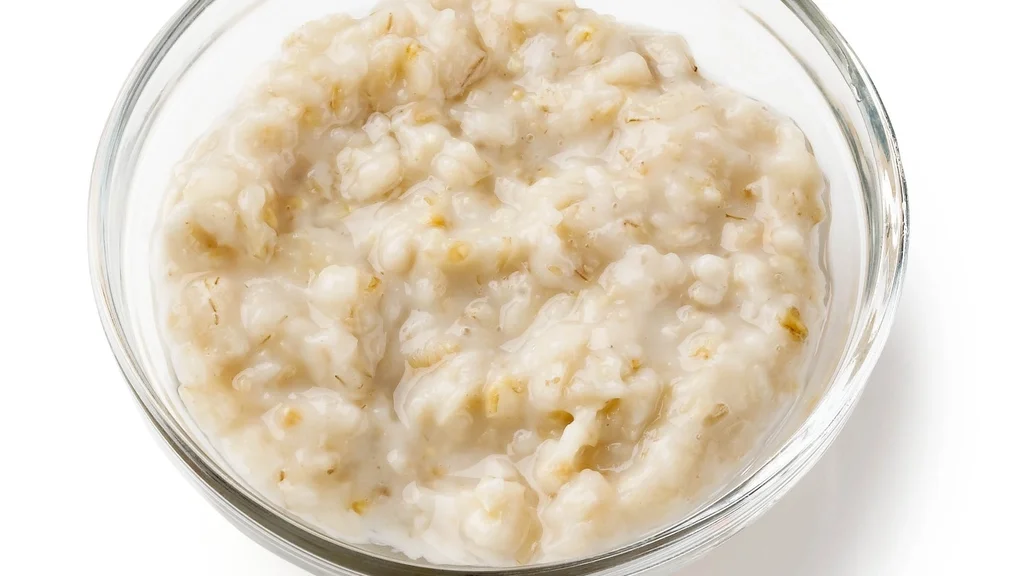
Hijazi SaleegOur rice-in-milk classic
Rice simmered soft in milk until porridge-silky, crowned with chicken — the Hijaz's answer to the world's comfort bowls. Recipe in the EEINA library.
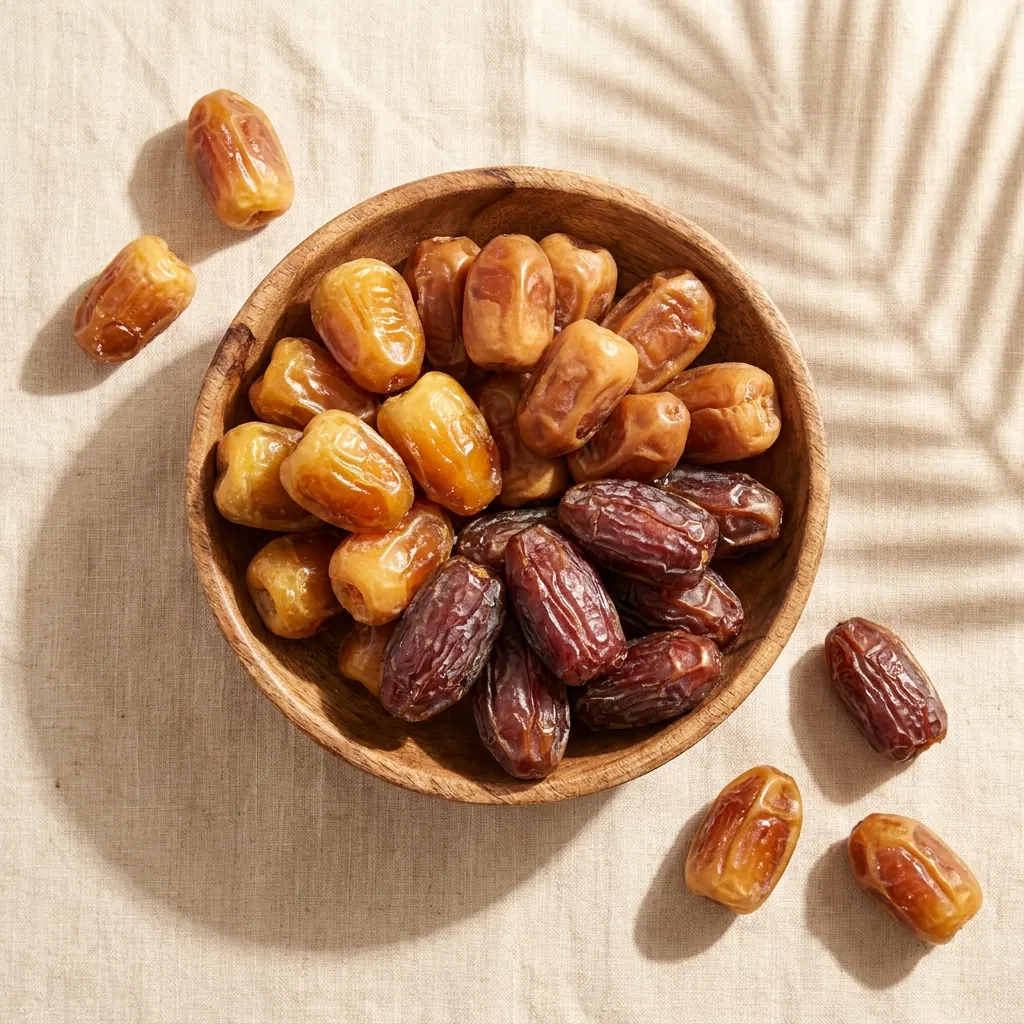
Date-Milk Cardamom SmoothieThe heritage pairing, blended
Dates and milk — the oldest breakfast partnership in the region — with cardamom, in one glass. Recipe in the EEINA library.
Light MahalabiaMilk dessert, calibrated
Milk set with starch and rosewater, sweetened with restraint — proof that dairy dessert can stay light. Recipe in the EEINA library.
The Pre-Sleep GlassCasein's slow shift
A warm cup before bed feeds muscles overnight on slow casein — the traditional habit sports science later explained.
Kitchen tip

Warm milk gently and off a rolling boil — high heat scorches its sugars onto the pot and skins the surface. For saleeg and mahalabia, low patient heat with occasional stirring is the whole secret.

Frequently Asked Questions

Whole or low-fat — which should I buy?
A calorie decision, not a health verdict: whole (149 kcal/cup) for satiety and children one to two years; 1% (~102 kcal) when daily cups add up. Protein, calcium and B12 are essentially the same.
Is lactose intolerance the same as milk allergy?
No. Intolerance is a digestion shortfall (bloating, discomfort) managed by dose and the four solutions above. Allergy is an immune reaction, can be serious, and belongs with an allergist — never self-manage it with label tricks.
Does milk increase phlegm when I have a cold?
Published reviews measured no increase in mucus production — the momentary coating feel is texture. Drink it or skip it by comfort, not by fear.
When can my baby drink cow's milk?
Not as a main drink before 12 months (AAP guidance) — infant kidneys and iron stores are not ready. From one to two years, whole milk is standard; confirm timing with your pediatrician.
Is the fish-and-milk prohibition real?
No scientific basis — cuisines from creamy seafood chowders to yogurt-marinated fish pair them daily without incident. It is inherited caution, not chemistry.
How do I store milk properly?
In the fridge's cold body, never the door shelf (the warmest spot), closed tight away from strong odors it absorbs. Opened fresh milk holds about a week per FoodKeeper guidance — trust the smell test over the printed date after opening.