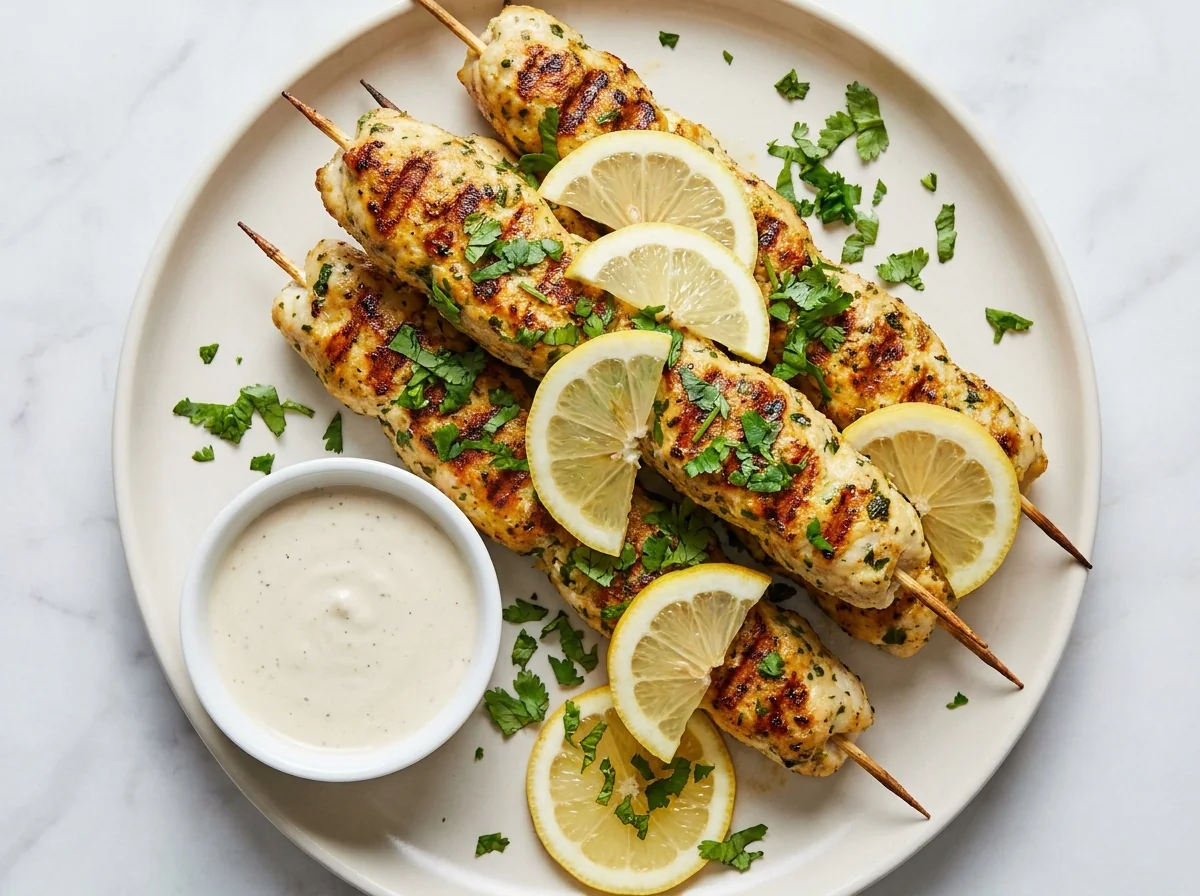
Fish kofta is the heritage of the ports of Egypt and the Levant, where fishermen mince the small catch into a green kofta with coriander.
For the heart's table it is the complete substitute for lamb kofta: the same grilling ritual with saturated fats that almost vanish, and the coriander and cumin carry the full identity.
Preparation Steps
The fish is pulsed. Not a paste
The cold, dried fillet is pulsed in the processor in short bursts until a coarse, cohesive mince. Long blending produces a rubbery fish paste: the coarseness is the texture.
The green dough
The mince with the squeezed onion, coriander, garlic, spices, breadcrumbs and egg. Knead lightly just to bring it together: the breadcrumbs absorb the fish's moisture and the egg binds.
A cold rest of half an hour
The dough sets in the fridge. Fish kofta is more tender than meat and needs to chill before the fire.
Fingers on a grill pan with a smear of oil
Plump fingers with wet hands: three minutes per face on a hot, brushed pan. A single careful flip: fish kofta is flipped once, not repeatedly.
Yogurt-tahini and a final squeeze
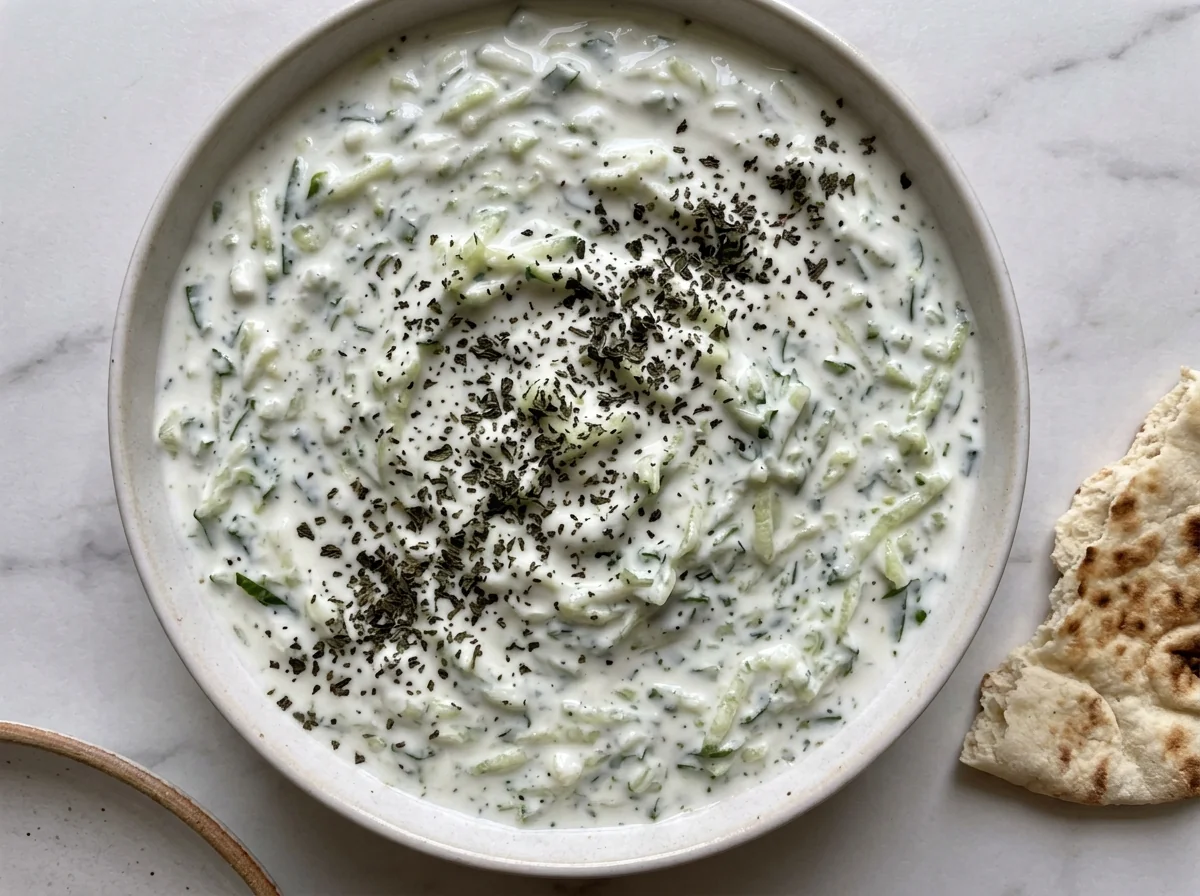
The sauce alongside and the lemon over it. A marine protein with fats that are almost negligible: the grilled kofta the heart eats without the count of lamb.
Blood Sugar Impact
The glycemic index (GI) measures how quickly a food raises blood sugar, while the glycemic load (GL) measures how much a full serving raises it. Together they give the complete picture.
Glycemic Index
GI
35Low
Low0–55Medium56–69High70+
A low value (≤55) means a gradual rise in blood sugar — the most suitable range for diabetes and insulin resistance.
Glycemic Load
GL
5Low
Low0–10Medium11–19High20+
Glycemic load reflects the impact of the full serving. To lower it: take half a serving, or pair the recipe with a source of protein and fiber.
Nutritional Information
Per ServingMakes 4 servings · one serving is about 240 g of raw ingredients
Calories378 kcal19%of Daily Value*
Protein36 g72%of Daily Value*
Carbohydrates18 g7%of Daily Value*
Fat18 g23%of Daily Value*
Fiber4 g14%of Daily Value*
Sodium499 mg22%of Daily Value*
* Percent Daily Values are based on a 2,000-calorie diet per FDA food-label reference values — your daily needs may be higher or lower. Values are derived from the recipe's ingredients via the USDA database.
Troubleshooting
The most common problems when preparing Grilled Fish Kofta with Coriander & Lemon, and how to fix them:
It came out rubbery
It was minced to a paste. The pulses and the coarseness. Its first law.
It fell apart on the pan
A loose dough or too many flips. The absorbing breadcrumbs, the cold rest and the single flip.
A fishy smell dominated
An old fillet. The fresh is almost neutral, and the coriander, cumin and lemon are the trio of refinement.
It dried out
It exceeded its six minutes. Fish needs less, and the tahini sauce is its balm.
Storage and Make-Ahead
Right away
With its sauce and lemon.
Raw dough in the fridge
For the day, or fingers laid out in the freezer for a month: grilled from near-thawed.
Grilled in the fridge
A day, returning on a gentle pan: fish does not like a second reheat.
Tested Ingredient Substitutions
Original Ingredient
Tested Substitute
Ratio
Flavor Difference
White fish
Minced salmon. An orange kofta, higher omega
~
The full heart upgrade
Breadcrumbs
Ground oats. Fiber over protein
~
The notebook comes together
Grilling
A 220-degree oven for twelve minutes on a rack
~
The large-family batch
Its companion from the notebook
Balsamic skewers and a little bulgur
~
A complete heart-friendly grill spread
How Much Does It Make? Scaling Guide
Ingredient
4 servings
2 servings
8 servings
Fish
600 g
300 g
1.2 kg
Breadcrumbs
40 g
20 g
80 g
Coriander
30 g
15 g
60 g
EEINA Nutrition Tip
Pulse the fish and leave it coarse; the difference between fish kofta and "fish-paste patties" is all in the mincing: a processor running long turns the delicate fish protein into a gummy paste that comes out sadly rubbery; short pulses leave small cohesive pieces that keep the "meat" texture in the bite. Fish is the fastest of proteins to surrender to the blades: treat it with a pulse and watch.
Add This Recipe to Your Plan
The EEINA app saves your favorite recipes, calculates them from their real ingredients, and shows your daily numbers toward your goal. Try it free now.
Its serving has ~1 g saturated versus ~12 for lamb kofta. A complete reversal in the heart's most important numbers while keeping the ritual of kofta and the grill.
How is it counted?
~260 calories per serving with its sauce and ~32 g of protein. A model heart dinner that satisfies honestly.
The two weekly fish servings. Does it count toward them?
Yes. The AHA recommendation of two servings includes both white and oily fish: this is one of them and salmon or kingfish is the second.
Will the meat-kofta crowd accept it?
The grilled green one with its tahini convinces by its own identity, not by comparison. Serve it as a proud fish kofta, not a "kofta substitute": the name is half the acceptance.