Earthful Spice & Cuminaldehyde Science

Cumin

Cumin—Cuminum cyminum—is the aromatic soul of the Saudi kitchen. From the first scent of a Sizzling Kabsa base to the topping on a fresh bowl of Hummus, cumin provides the warm, earthy depth that defines Gulf cuisine. Used for over 5,000 years, it is one of the most researched spices for its ability to stimulate digestion and support metabolic health.

Cumin
5,000Years of use
8 min read Updated 2026-05-28 Reviewed SFDA
MH
Dr. Mona Al-Harbi
SFDA-licensed Clinical Dietitian — medically reviewed this content.
SFDA Licensed12 years experience
Medical Disclaimer: The following content is a general educational reference based on peer-reviewed studies and classical medical heritage. It does not substitute professional medical advice. If you have a health condition, take chronic medications, or are pregnant or breastfeeding, consult your doctor before following any dietary recommendation.

Ingredient Profile

Scientific name
Cuminum cyminum, family Apiaceae
Active compound
Cuminaldehyde (digestive stimulant)
Origin
Eastern Mediterranean & Upper Egypt
Top producer
India, Syria, Turkey, Iran
Saudi culinary use
Kabsa bzar, Hummus topping, Falafel, Shawarma
Key nutrient
Iron (exceptionally high for a spice)
Safe daily dose
1–2 tsp ground (approx. 3–6 g)

What Is Cumin?

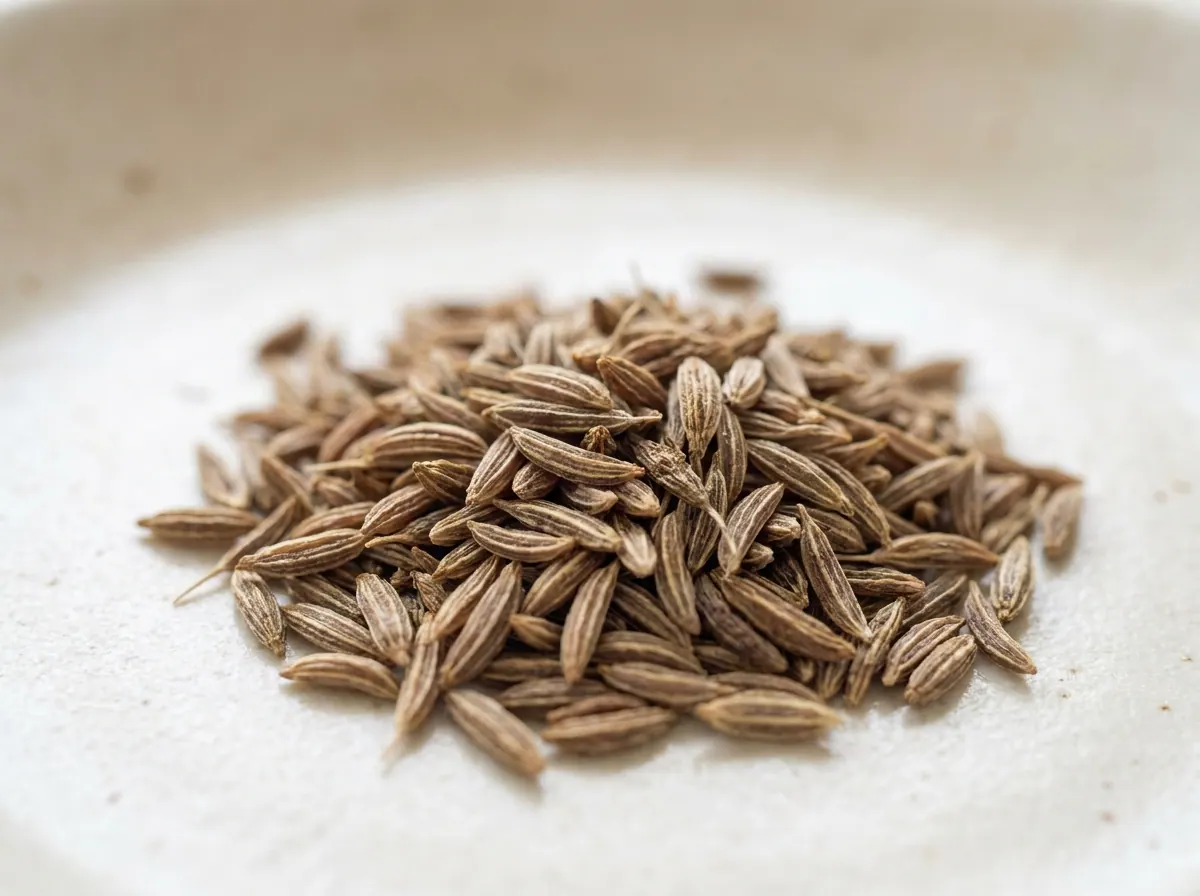
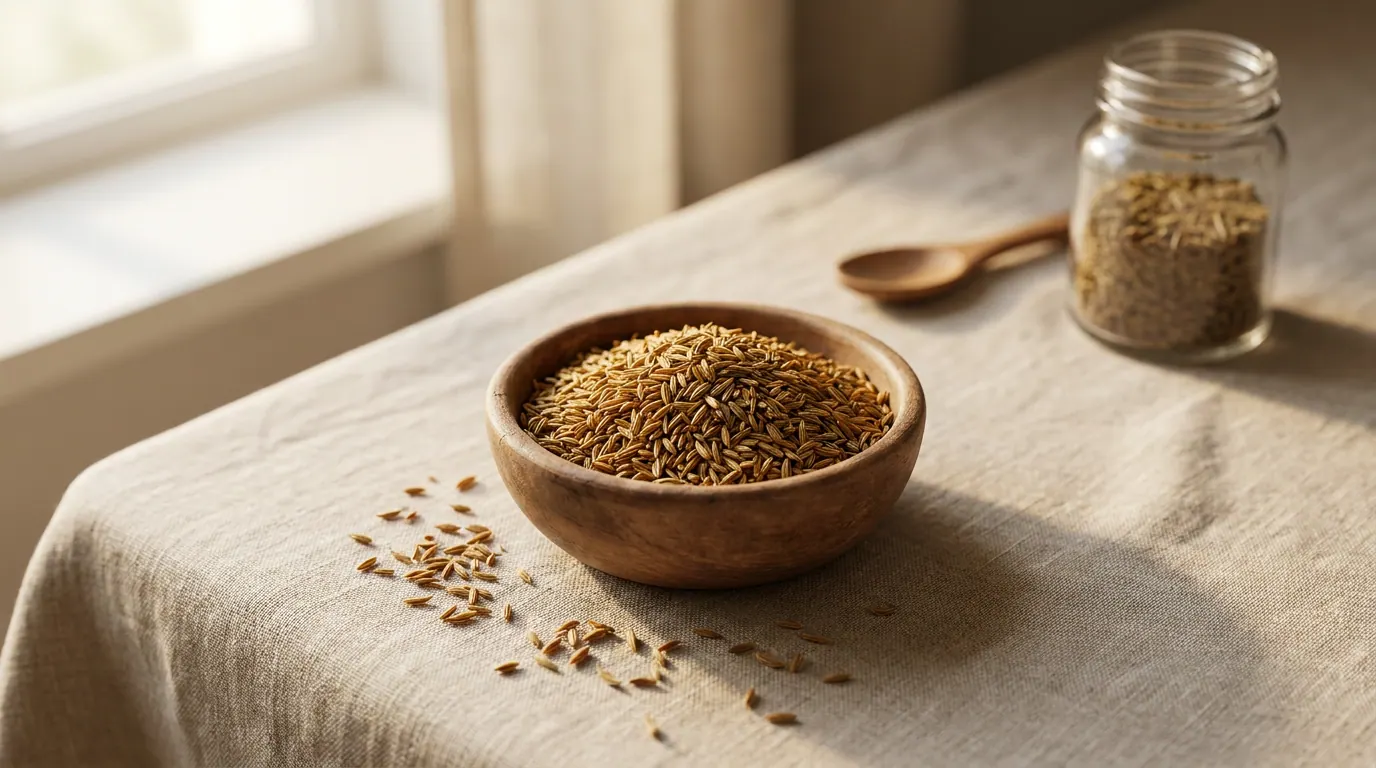
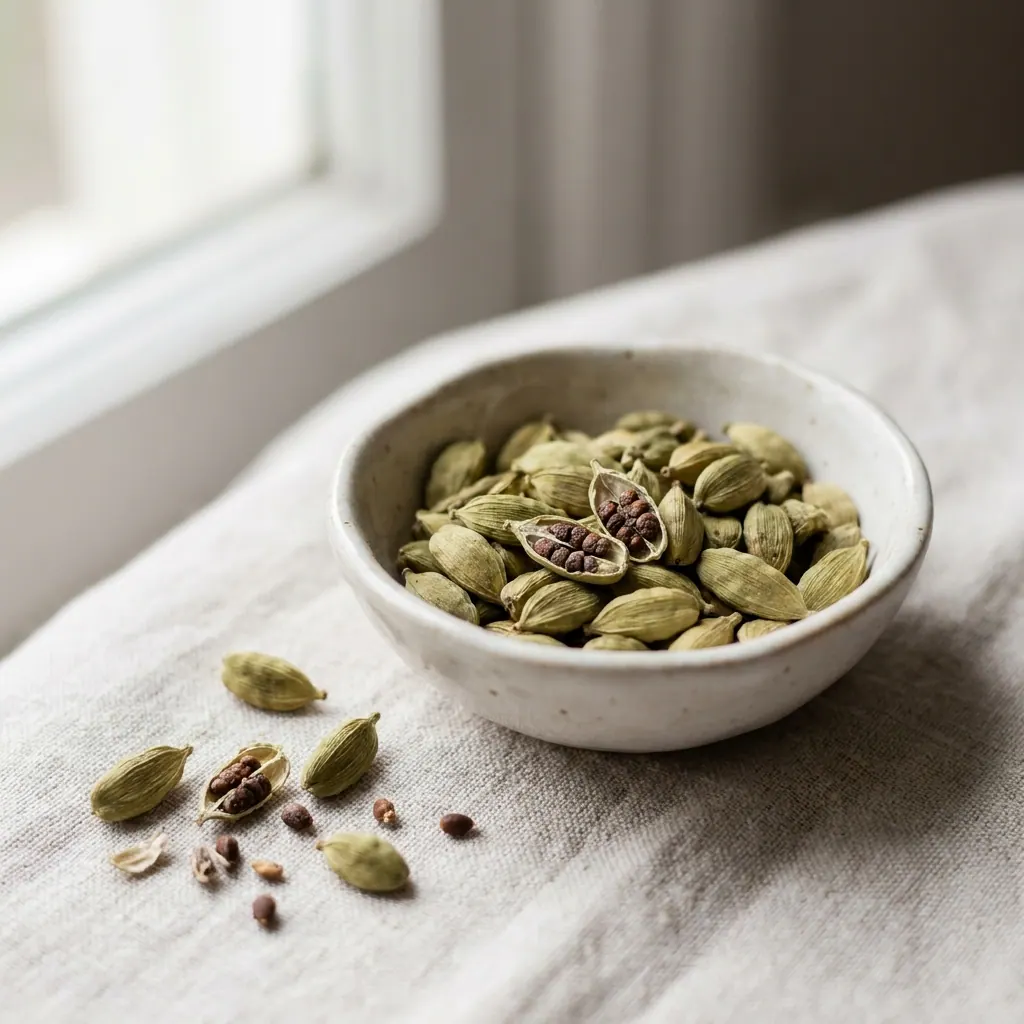
Cumin is the dried seed of a small herbaceous plant in the same family as parsley and coriander. The seeds are small, boat-shaped, and distinctively ridged, ranging in color from pale green to deep golden brown. Cumin is often confused with caraway or fennel, but its flavor is uniquely pungent, peppery, and intensely earthy.

In Saudi Arabia and the Gulf, cumin is the "anchor" of the Bzar (spice mix). While other spices like cardamom or saffron provide high notes, cumin provides the base. It is traditionally used not just for flavor, but as a functional ingredient to help digest heavy meat and rice dishes.

Cumin Science — Digestion & Iron

Enzyme Stimulant
Digestive Power

Research confirms that cumin increases the activity of digestive enzymes in the gut, particularly those that break down fats and complex carbohydrates. It is a proven traditional remedy for bloating and indigestion.

Iron Density
15% DV in 1 tsp

Cumin seeds are naturally very high in iron. One teaspoon of ground cumin contains nearly 1.4 mg of iron, making it an excellent dietary supplement for women and those on plant-based diets.

Cholesterol Support
LDL Reduction

Clinical trials on overweight individuals showed that consuming 3g of cumin powder daily for 8 weeks resulted in a significant reduction in "bad" LDL cholesterol and triglycerides.

Antioxidant Defense
Phenolic Compounds

Cumin contains various plant compounds like phenols and flavonoids that protect cells from oxidative damage. This contributes to its role as an anti-inflammatory agent in traditional medicine.

The Extraction Tip

For the best flavor and health benefit, toast whole cumin seeds in a dry pan for 1–2 minutes until they become fragrant, then grind them fresh. Pre-ground cumin loses up to 60% of its volatile oil and health-promoting cuminaldehyde within months of opening.
Kitchen Uses in Saudi & Gulf Cooking

Kabsa Base1 tsp
Added to the hot oil with onions at the very start. Sautéing cumin in fat releases its fat-soluble aromas, which then penetrate the rice and meat.
Hummus Topping½ tsp
Finely ground cumin sprinkled over the top of Hummus or Mutabbal. It provides a visual contrast and helps digest the chickpeas.
Saudi Falafel1 tbsp
Ground into the falafel dough. Cumin is the dominant spice here, balancing the freshness of coriander and parsley with its spicy heat.
Lentil Soup1 tsp
Cumin is the essential companion to lentils in Hejazi cuisine. It deepens the flavor and prevents the bloating often associated with legumes.

Frequently Asked Questions

Is cumin the same as Black Seed (Habba Sawda)?
No. They are from entirely different plant families. Cumin is boat-shaped and earthy, while Black Seed (Nigella sativa) is triangular, jet black, and has a peppery, oregano-like taste.
Does cumin really help with weight loss?
Studies suggest it can be a modest aid. It supports metabolism and digestion, which are key components of weight management, but it is not a "fat burner" on its own.
Are there any side effects?
Cumin is very safe in culinary amounts. However, concentrated supplements should be used with caution by people with gallstones or those on blood sugar medications, as cumin may enhance their effects.