Dual Spices & Linalool Science

Coriander

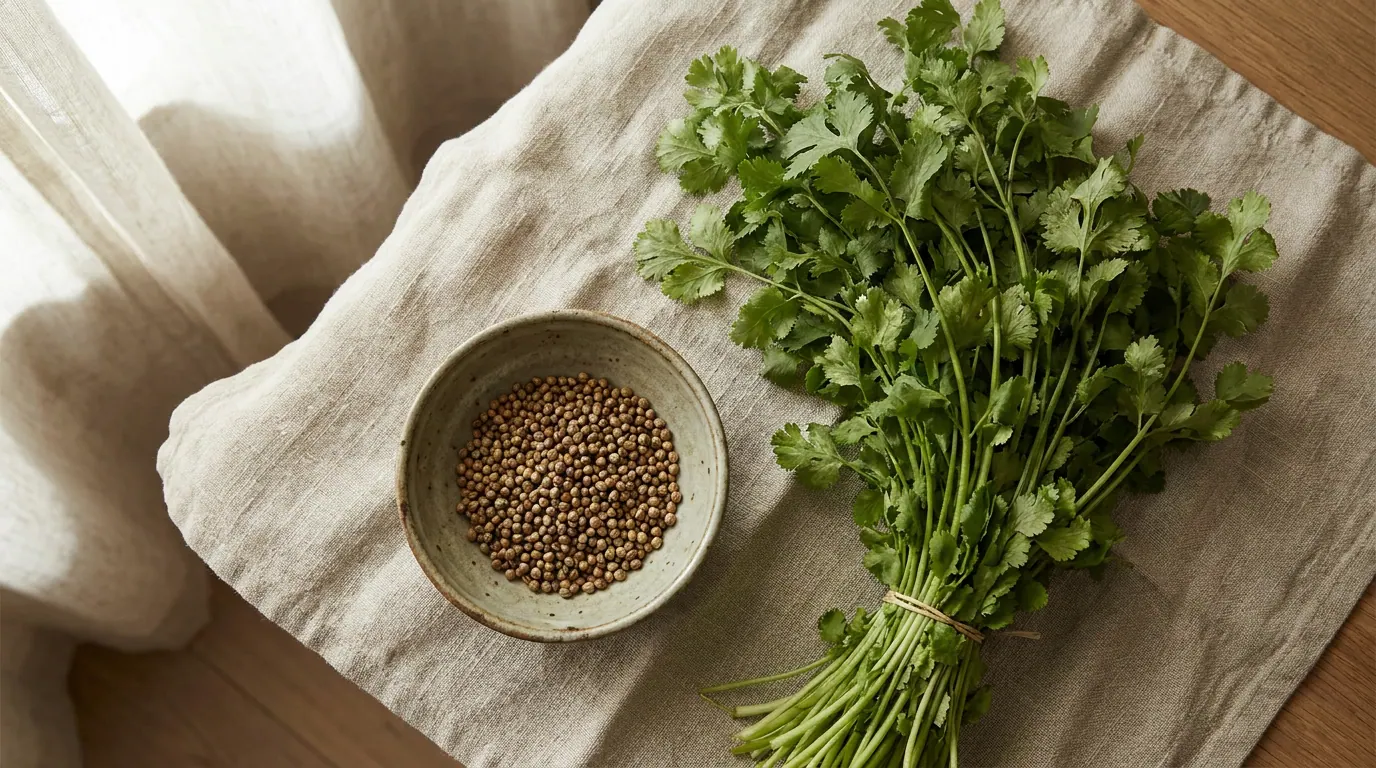
Coriander—Coriandrum sativum—is unique in the culinary world for providing two distinct spices from one plant. Its fresh green leaves (Cilantro) offer a bright, citrusy punch, while its golden seeds provide a warm, nutty aroma that anchors Saudi Bzar spice blends. Used for over 7,000 years, coriander is now at the center of research for its ability to support blood sugar and digestive health.

Coriander
7,000Years of culinary use
8 min read Updated 2026-05-28 Reviewed SFDA
MH
Dr. Mona Al-Harbi
SFDA-licensed Clinical Dietitian — medically reviewed this content.
SFDA Licensed12 years experience
Medical Disclaimer: The following content is a general educational reference based on peer-reviewed studies and classical medical heritage. It does not substitute professional medical advice. If you have a health condition, take chronic medications, or are pregnant or breastfeeding, consult your doctor before following any dietary recommendation.

Ingredient Profile

Scientific name
Coriandrum sativum, family Apiaceae
Active compound (Seeds)
Linalool (warm, citrusy, calming)
Active compound (Leaves)
Decanal (fresh, soapy to some)
Origin
Eastern Mediterranean & Levant
Top producer
India, Morocco, Syria, Russia
Saudi culinary use
Kabsa bzar, Falafel, Lentil soup, Grilled fish
Safe daily dose
1–2 tsp ground seeds or 1 cup fresh leaves

What Is Coriander?

Coriander is a versatile herb in the same family as cumin and parsley. In North America, the leaves are called cilantro and the seeds coriander, but in the Middle East and Europe, both parts carry the name. The seeds are small, round, and brownish-gold, carrying a sweet, lemony flavor that develops when toasted. The leaves are flat, jagged, and intensely aromatic.

In Saudi kitchens, coriander seeds are a non-negotiable part of the national spice blend. They are almost always paired with cumin, as their flavors complement each other perfectly—cumin providing the earthiness and coriander providing the floral, citrusy lift.

Coriander Science — Digestion & Metabolism

Digestive Relief
IBS Support

Clinical studies have shown that coriander seed extract can significantly reduce bloating, stomach pain, and frequency of IBS symptoms. The linalool in the seeds acts as a natural antispasmodic for the gut muscles.

Blood Sugar Control
Enzyme Activation

Coriander seeds and leaves are being studied for their "anti-diabetic" effects. They appear to help clear glucose from the blood by activating enzymes that remove sugar, though more human trials are needed.

Vitamin K Dense
Bone & Blood Health

The fresh leaves are an exceptional source of Vitamin K, providing nearly 300% of the daily value in a single serving. This is vital for healthy blood clotting and maintaining strong bone density.

Brain Support
Anti-Anxiety

The essential oils in coriander seeds, particularly linalool, have shown calming effects in animal studies comparable to some standard anti-anxiety medications. Traditional Arab medicine used it as a sleep aid.

The Genetic Factor

Does cilantro taste like soap to you? It’s not your fault—it’s your genes. About 4–14% of people carry the OR6A2 gene, which makes them highly sensitive to the aldehydes in coriander leaves, perceiving them as soapy rather than citrusy.
Kitchen Uses in Saudi & Gulf Cooking

Saudi Bzar2 tbsp
Roasted and ground coriander seeds are the heart of the national nine-spice blend. They provide the necessary floral balance to the heavy meat flavors of Kabsa.
Authentic Falafel1 bunch
While parsley is used for color, fresh coriander leaves provide the soul of the flavor in traditional Hijazi and Levantine falafel recipes.
Lentil Soup½ cup
Finely chopped fresh coriander added 2 minutes before serving. The residual heat releases the aldehydes without destroying the delicate leaf texture.
Charcoal Fish1 bunch
A marinade of crushed fresh coriander, garlic, lemon, and cumin is the standard for grilled Najal or Hamour in the Red Sea regions.

Frequently Asked Questions

Can I swap coriander seeds for fresh leaves?
No. Their flavor profiles are completely different. The seeds are warm and nutty, while the leaves are fresh and citrusy. Swapping them will fundamentally change the character of your dish.
How do I keep fresh coriander from wilting?
Treat it like flowers: trim the stems and place the bunch in a glass of water in the fridge, loosely covered with a plastic bag. It will stay fresh for up to 10 days.
Is coriander safe for everyone?
Generally yes, but because it is very high in Vitamin K, those taking blood-thinning medications (like Warfarin) should maintain a consistent daily intake and consult their doctor.