Gibna Areesh with Tomato (Egyptian Fresh Cheese with Tomato)
A light Egyptian breakfast — soft fresh Areesh cheese mashed with tomatoes, green onion, olive oil, and cumin. High in protein, low in carbohydrates and glycaemic index, and contains dairy.
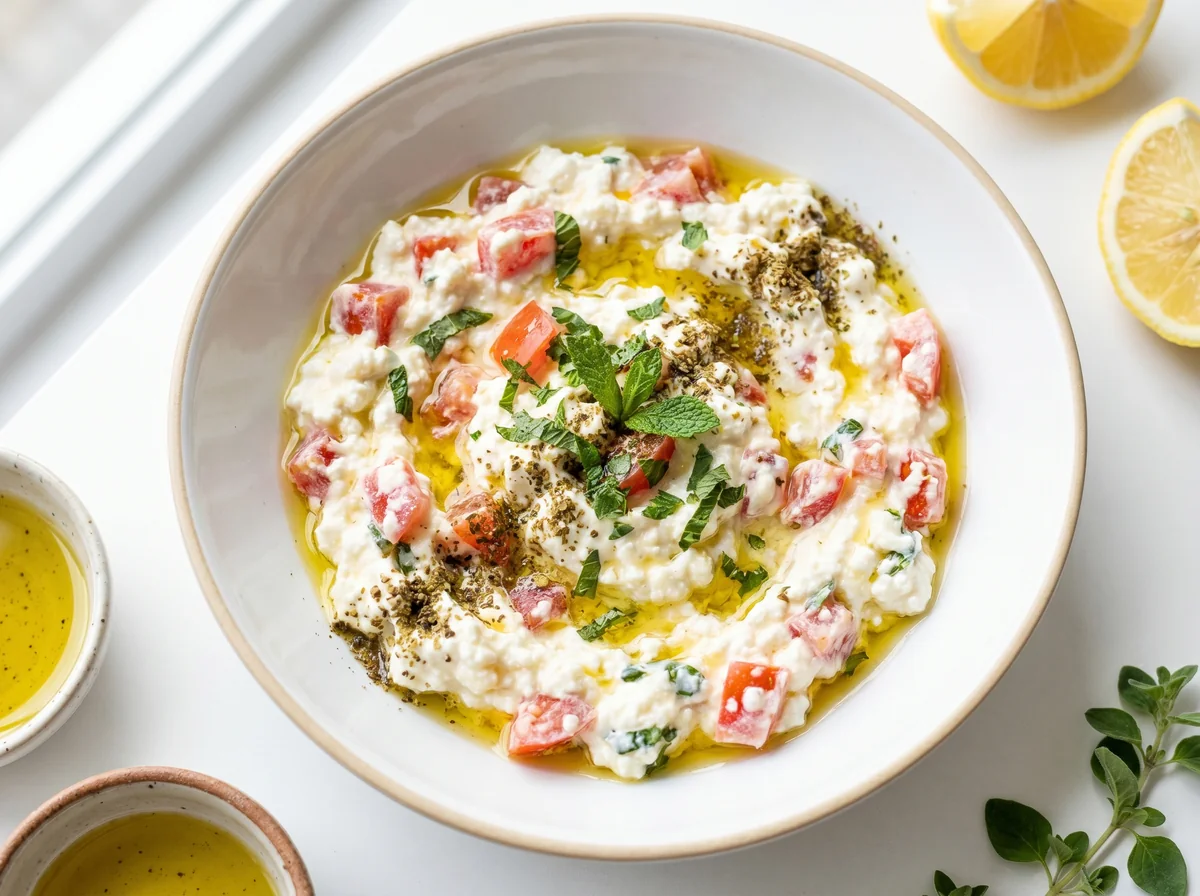
Gibna Areesh with tomato is a light, beloved everyday Egyptian breakfast that combines soft low-fat white cheese with tomatoes, green onion, olive oil, and cumin.
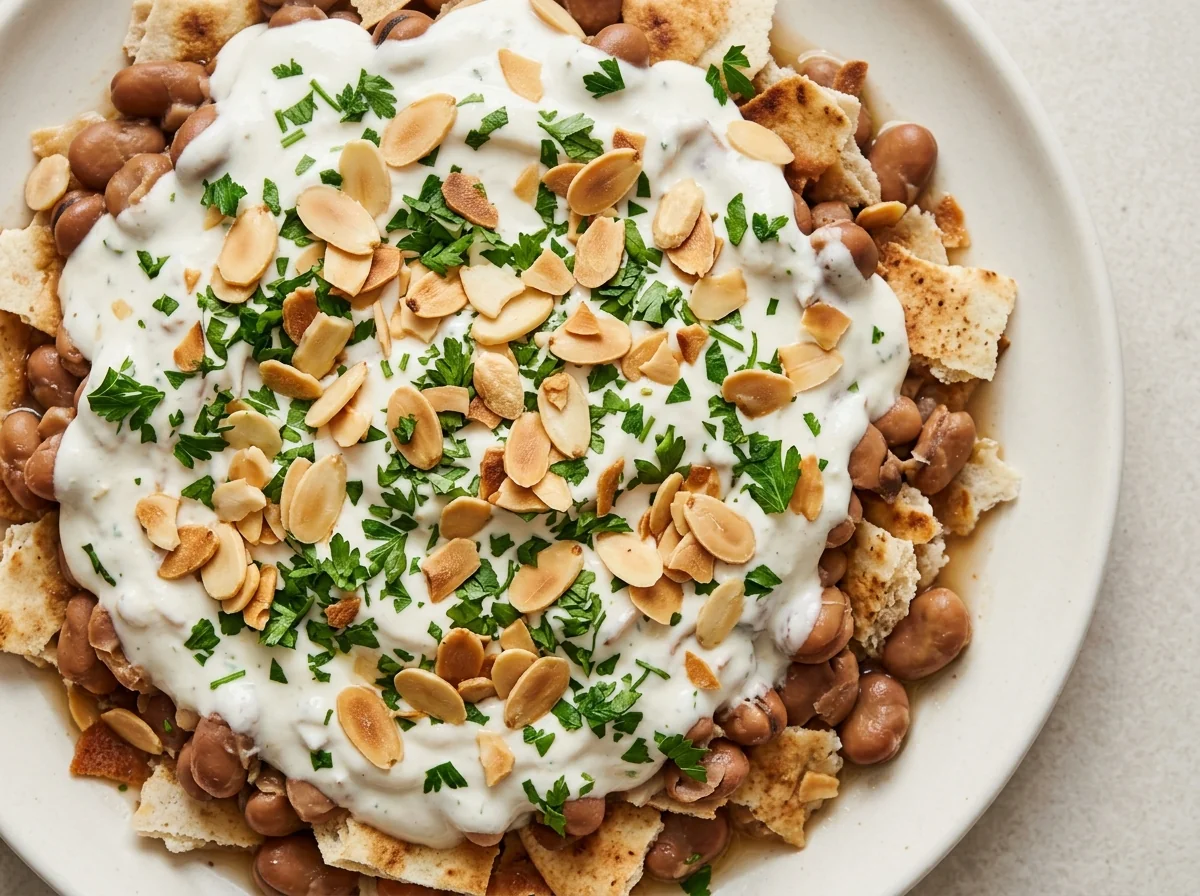
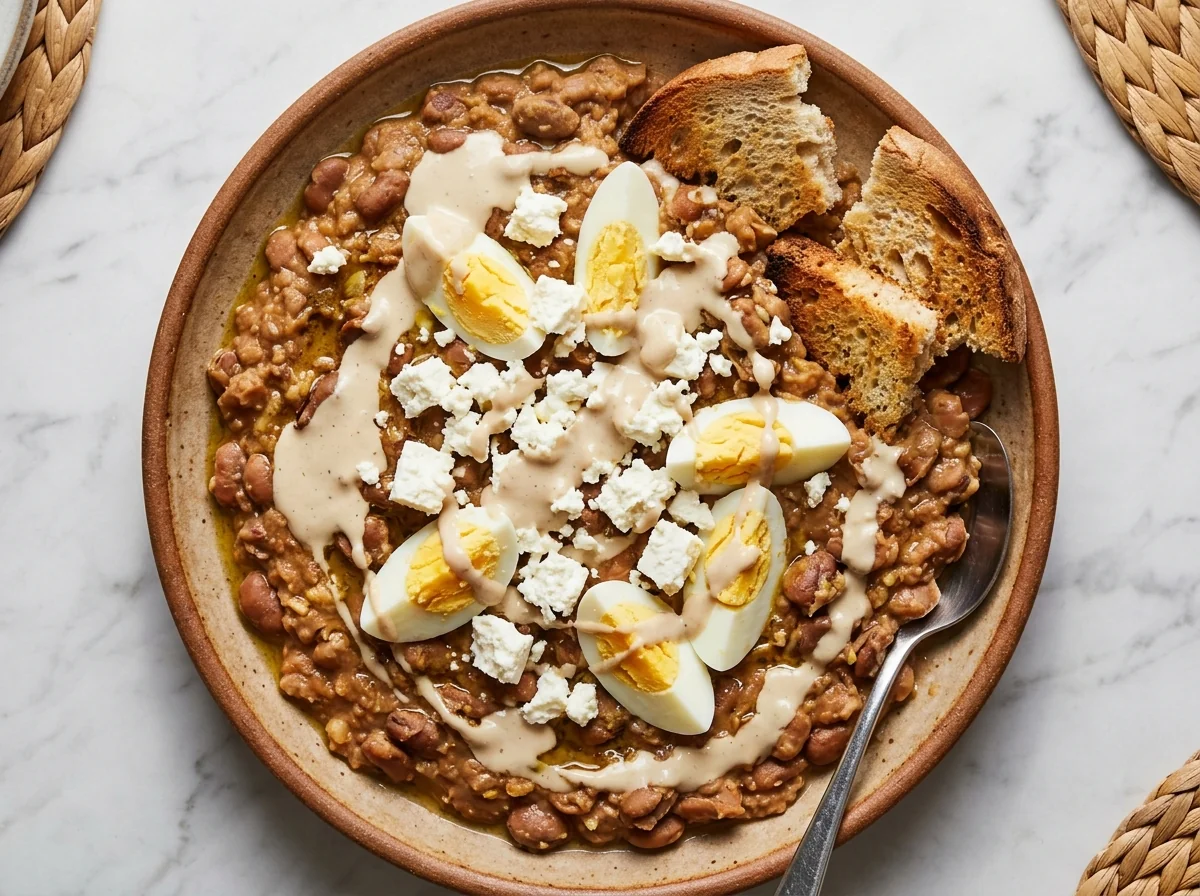
Areesh is a traditional Egyptian cheese made from skimmed milk — high in protein and low in fat. This dish is a model of the simple, clever Egyptian rural breakfast — served with baladi flatbread and sometimes alongside ful (stewed fava beans) — and a way many people start their day with a filling yet light meal.
Preparation Steps
Prepare the cheese
Place the Areesh cheese in a bowl and mash it lightly with a fork until slightly smooth (or leave it grainy as preferred). Areesh is a soft, low-fat, high-protein white Egyptian cheese — the foundation of this light Egyptian breakfast.
Chop the vegetables
Dice the tomatoes into small cubes (drain away some of their liquid if they are very juicy so the mixture does not become watery), then finely chop the green onion. Ripe, sweet tomatoes balance the flavour of the cheese.
Mix
Add the tomatoes and green onion to the cheese, then add the olive oil, cumin, pepper, and chilli. Fold gently until combined without crushing the tomatoes. Cumin is a distinctive flavour in Egyptian country-style cheese.
Season and serve
Taste and adjust salt cautiously (Areesh is usually already salty). Serve the cheese with tomato cold or at room temperature with warm baladi flatbread — a light, high-protein Egyptian breakfast, or as part of a spread alongside ful (stewed fava beans), eggs, and vegetables.
Blood Sugar Impact
The glycemic index (GI) measures how quickly a food raises blood sugar, while the glycemic load (GL) measures how much a full serving raises it. Together they give the complete picture.
Glycemic Index
GI
36Low
Low0–55Medium56–69High70+
A low value (≤55) means a gradual rise in blood sugar — the most suitable range for diabetes and insulin resistance.
Glycemic Load
GL
8Low
Low0–10Medium11–19High20+
Glycemic load reflects the impact of the full serving. To lower it: take half a serving, or pair the recipe with a source of protein and fiber.
Nutritional Information
Per ServingMakes 3 servings · one serving is about 305 g of raw ingredients
Calories279 kcal14%of Daily Value*
Protein13 g26%of Daily Value*
Carbohydrates27 g10%of Daily Value*
Fat14 g18%of Daily Value*
Fiber4 g14%of Daily Value*
Sodium668 mg29%of Daily Value*
Potassium450 mg10%of Daily Value*
Phosphorus214 mg17%of Daily Value*
* Percent Daily Values are based on a 2,000-calorie diet per FDA food-label reference values — your daily needs may be higher or lower. Values are derived from the recipe's ingredients via the USDA database.
Troubleshooting
The most common problems when preparing Gibna Areesh with Tomato (Egyptian Fresh Cheese with Tomato), and how to fix them:
The mixture is watery
The tomatoes released their liquid. Drain the tomato cubes of some of their juice before mixing, or add them right before serving — salt draws water from tomatoes over time.
Too salty
The Areesh was already salty and more salt was added. Taste the cheese first and only add salt if needed. If it is too salty, choose a low-salt Areesh or rinse it lightly.
Bland flavour
Not enough cumin or unripe tomatoes. Cumin is the key flavour in Egyptian country cheese, and olive oil adds depth. Use ripe, sweet tomatoes and add a pinch of chilli if you like.
Dry texture
The Areesh is too dry. Add a drizzle of olive oil or a spoonful of yogurt to moisten and soften it — some types of Areesh are drier than others.
Storage and Make-Ahead
Refrigerator (4°C)
Store the mixture in an airtight container in the refrigerator for two days, but it is best eaten fresh (tomatoes release their liquid over time). The cheese alone keeps according to its use-by date.
Meal prep
Mash the cheese and prep the ingredients, then add the tomatoes right before serving to keep them firm and the mixture from becoming watery. This gives a fresh, quick breakfast.
Freezer
Not recommended for freezing — freezing ruins the texture of soft cheese and makes the tomatoes watery on thawing.
Note
This dish is very quick to prepare (10 minutes), so it is best made fresh when needed rather than stored for a long time.
Tested Ingredient Substitutions
Original Ingredient
Tested Substitute
Ratio
Flavor Difference
Areesh cheese
Cottage cheese or labneh (strained yogurt)
Same quantity
Cottage cheese is very similar; labneh (strained yogurt) is thicker and richer. Areesh has the lowest fat and highest protein.
Olive oil
Reduce to one tablespoon
1 tablespoon instead of 2
Reduces calories while keeping the flavour; olive oil remains a healthy fat
Green onion
Finely chopped red onion or mint
To taste
Green onion is gentler; mint adds a refreshing note
How Much Does It Make? Scaling Guide
Servings
Cottage cheese
Tomato
Green onion
2 (half recipe)
125 g
1 piece
2 stalks
3 (base)
250 g
2 pieces
3 stalks
6 (family)
500 g
4 pieces
6 stalks
EEINA Nutrition Tip
Gibna Areesh with tomato is one of the smartest foods for those watching their weight or blood sugar: high in protein, low in fat and carbohydrates, and with a very low glycaemic index — and the protein extends satiety. The tomatoes and green onion add vitamins and fibre, and the olive oil is a healthy fat. An excellent, balanced breakfast or snack. Just adjust the salt, as Areesh can be quite salty.
Add This Recipe to Your Plan
The EEINA app saves your favorite recipes, calculates them from their real ingredients, and shows your daily numbers toward your goal. Try it free now.
A soft white Egyptian cheese made from skimmed milk — low in fat and high in protein. Similar to cottage cheese, it is used in Egyptian country-style breakfasts with tomatoes and vegetables.
Is Gibna Areesh with tomato healthy?
Very much so: high in protein, low in fat and carbohydrates, and with a very low glycaemic index. An excellent choice for weight management and blood sugar control — protein extends satiety. Just adjust the salt.
How do I prevent the mixture from becoming watery?
Drain the tomato cubes of some of their juice before mixing, or add the tomatoes right before serving. Salt draws water from tomatoes over time and the mixture becomes watery.
What do I serve it with?
With baladi or Arabic flatbread as a light breakfast, or as part of an Egyptian breakfast spread with ful (stewed fava beans), eggs, vegetables, and olives. It also works as a high-protein snack with cucumber.