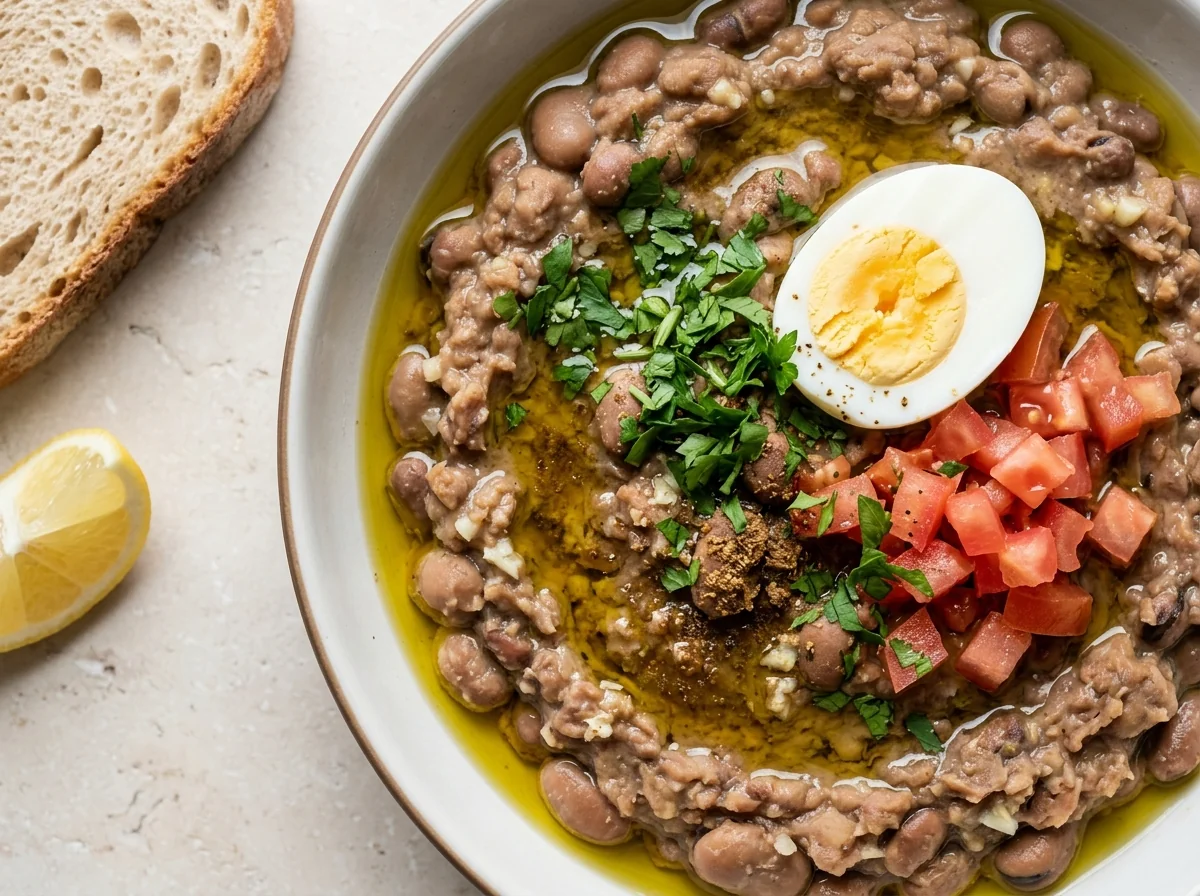
Foul medames is one of the oldest breakfast dishes in Egypt and the Levant, going back to the Pharaohs who ate it in their daily meals.
At suhoor it stands out for keeping you full for hours with few calories and high plant protein, so the faster can last the daylight hours.
Preparation Steps
Warm the beans
In a small pot over low heat, place the drained beans with 1/4 cup water and leave for three minutes until hot and fully softened. Stir with a wooden spoon and mash half the beans inside the pot to build a creamy texture.
Build the dressing
Mix the olive oil, lemon juice, crushed garlic, and ground cumin in a small bowl. Stir until they combine into a uniform sauce with a strong aroma.
Pour the dressing and stir
Pour the dressing over the warm beans and stir gently. Sprinkle a little extra cumin, cover the pot, and leave on low heat for two more minutes so the flavors soak in.
Adjust the texture
If the beans are too thick, add a spoon of hot water. If they are thin, leave on the heat one more minute. Taste and adjust the salt and lemon before serving.
Serve
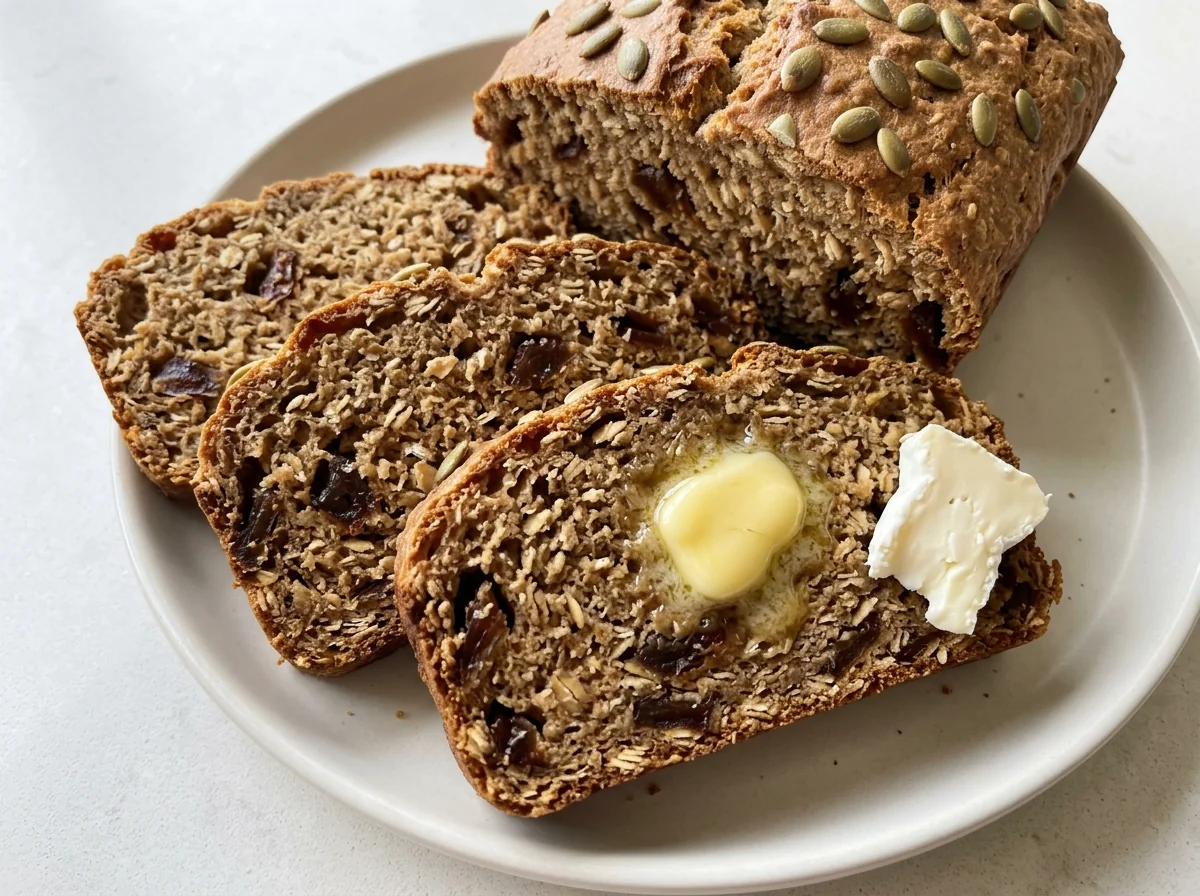
Pour the beans into a wide plate and garnish with the chopped parsley, chopped tomato, and pieces of boiled egg. Serve immediately with warm country bread and lemon wedges on the side.
Blood Sugar Impact
The glycemic index (GI) measures how quickly a food raises blood sugar, while the glycemic load (GL) measures how much a full serving raises it. Together they give the complete picture.
Glycemic Index
GI
41Low
Low0–55Medium56–69High70+
A low value (≤55) means a gradual rise in blood sugar — the most suitable range for diabetes and insulin resistance.
Glycemic Load
GL
20High
Low0–10Medium11–19High20+
Glycemic load reflects the impact of the full serving. To lower it: take half a serving, or pair the recipe with a source of protein and fiber.
Nutritional Information
Per ServingMakes 2 servings · one serving is about 360 g of raw ingredients
Calories559 kcal28%of Daily Value*
Protein26 g52%of Daily Value*
Carbohydrates61 g22%of Daily Value*
Fat25 g32%of Daily Value*
Fiber12 g43%of Daily Value*
Sodium1214 mg53%of Daily Value*
* Percent Daily Values are based on a 2,000-calorie diet per FDA food-label reference values — your daily needs may be higher or lower. Values are derived from the recipe's ingredients via the USDA database.
Troubleshooting
The most common problems when preparing Foul Medames with Olive Oil and Lemon, and how to fix them:
The beans stay sour
Add more cumin and a small spoon of olive oil over the plate just before eating.
The sauce is bitter
The garlic burned or you cleaned it too much. Lower the heat and halve the garlic next time.
The bread tears
Choose fresh country bread and warm it directly on the fire, not in the oven.
The taste is flat
It needs more salt or lemon. Add a pinch of salt and the juice of half a lemon and stir.
The beans are dry after two hours
Add two spoons of water and warm over low heat while stirring.
Storage and Make-Ahead
Refrigerator (4°C)
Two days in an airtight container. Reheat with a spoon of water before serving.
Not suitable for freezing
Cooked beans lose their texture and turn rubbery after thawing.
Tested Ingredient Substitutions
Original Ingredient
Tested Substitute
Ratio
Flavor Difference
Canned beans
Home-cooked fava beans
1:1
Less sodium and full control over texture.
Olive oil
Vegetable oil
1:1
Loses flavor but stays healthy.
Cumin
Ground dried coriander
1:1
Different but acceptable at suhoor.
How Much Does It Make? Scaling Guide
Ingredient
2 people
4 people
6 people
Foul medames
400 g
800 g
1200 g
Olive oil
40 ml
80 ml
120 ml
Lemon
30 ml
60 ml
90 ml
Garlic
10 g
20 g
30 g
Cumin
3 g
6 g
9 g
Parsley
10 g
20 g
30 g
EEINA Nutrition Tip
Mash half the beans inside the pot to build the creamy texture; whole beans leave the dish thin and watery. Freshly ground cumin makes a big difference from old, pre-ground cumin.
Add This Recipe to Your Plan
The EEINA app saves your favorite recipes, calculates them from their real ingredients, and shows your daily numbers toward your goal. Try it free now.
Yes, canned foul medames is fully safe and heat-treated. Choose low-sodium types and drain well before warming.
How many calories in a cup of fava beans?
About 240 calories per cup. Foul medames is rich in plant protein and fiber and low in fat.
Do fava beans cause bloating during the fast?
Canned beans contain starch that has been broken down during processing, so there is less bloating than with home-cooked beans. Drain them, rinse them well, and reduce the amount on the first try.
Is this suhoor suitable for pregnant women?
Yes, foul medames is rich in the folic acid that matters during pregnancy, but reduce the salt and choose a low-sodium canned version.