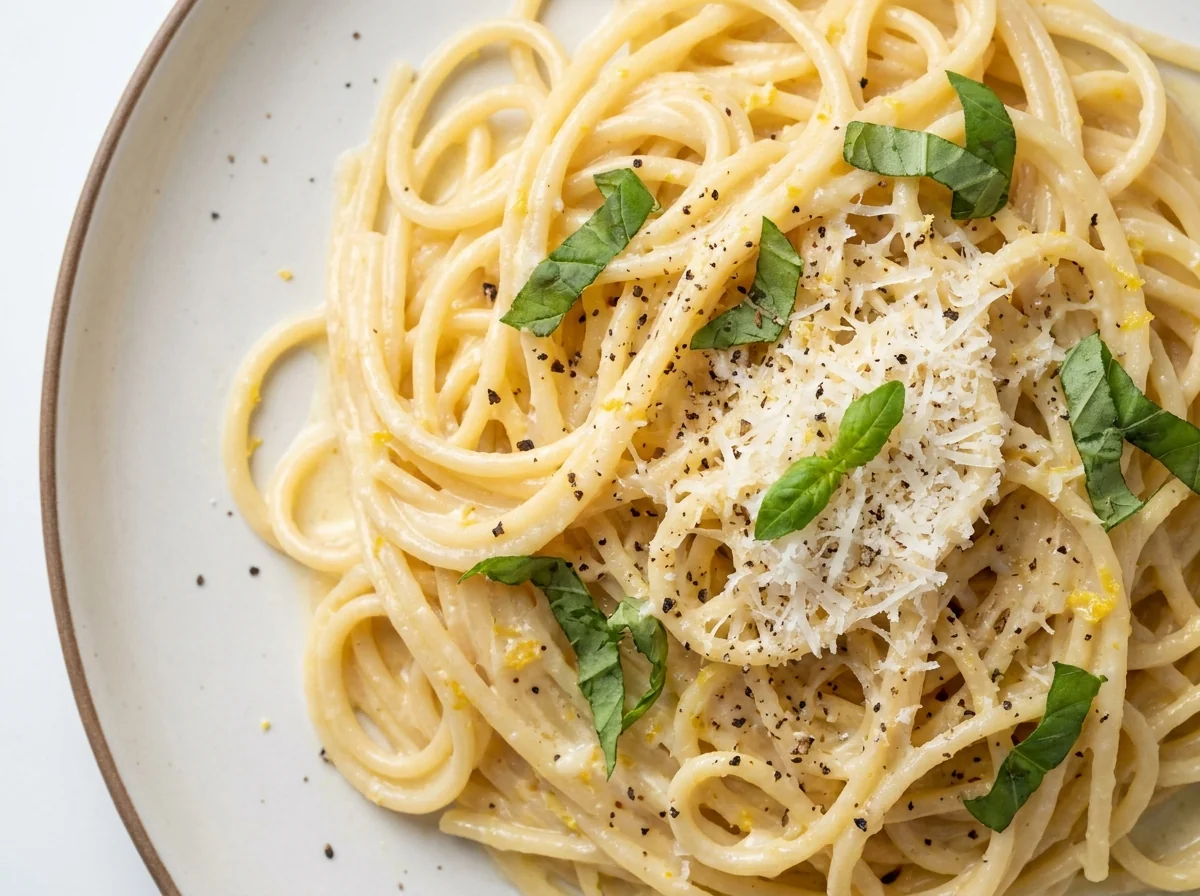
Pasta al limone (with lemon) is one of the dishes of Italy's Amalfi Coast where lemons abound in the orchards: a light creamy sauce led by lemon zest rather than the weight of cream.
A summer dish that proves creamy pasta can be refreshing rather than heavy.
Preparation Steps
Boil the pasta and reserve the cooking water
Boil the pasta in well-salted water for one minute less than the time written on the package because it finishes cooking with the sauce, and reserve a cup of the cooking water, as in lemon pasta it is half the sauce not just a helper.
Prepare the lemon and melt the base
Wash the lemon and zest its outer yellow peel then squeeze half of it. In a wide pan over low heat melt the butter with the garlic for those who want it, then add the lemon zest for half a minute until its aromatic oils release. The zest is the main source of the lemon flavor in this dish and the juice is a sour complement.
Add the cream with a single boil
Pour in the light cream and let it come to a single gentle boil in which it thickens, then turn off the heat.
Combine the pasta with the sauce and stir vigorously
Add the pasta, half a cup of the cooking water, and the lemon juice to the pan, and stir and shake the pan vigorously for a full minute, so the starch emulsifies with the butter and cream into a pale yellow sauce that coats every strand.
Finish with Parmesan off the heat
Quickly stir in the fresh Parmesan with black pepper and basil, and serve immediately: refreshing acidity over light creaminess in about a third of an hour.
Blood Sugar Impact
The glycemic index (GI) measures how quickly a food raises blood sugar, while the glycemic load (GL) measures how much a full serving raises it. Together they give the complete picture.
Glycemic Index
GI
47Low
Low0–55Medium56–69High70+
A low value (≤55) means a gradual rise in blood sugar — the most suitable range for diabetes and insulin resistance.
Glycemic Load
GL
36High
Low0–10Medium11–19High20+
Glycemic load reflects the impact of the full serving. To lower it: take half a serving, or pair the recipe with a source of protein and fiber.
Nutritional Information
Per ServingMakes 2 servings · one serving is about 210 g of raw ingredients
Calories658 kcal33%of Daily Value*
Protein20 g40%of Daily Value*
Carbohydrates80 g29%of Daily Value*
Fat29 g37%of Daily Value*
Fiber3 g11%of Daily Value*
Sodium372 mg16%of Daily Value*
* Percent Daily Values are based on a 2,000-calorie diet per FDA food-label reference values — your daily needs may be higher or lower. Values are derived from the recipe's ingredients via the USDA database.
Troubleshooting
The most common problems when preparing Creamy Lemon Pasta (Al Limone), and how to fix them:
The sauce broke into oil
Strong boiling after the cream or cheese on the heat. A single gentle boil and the Parmesan off the heat, and the cooking water brings the separated sauce back together.
A light bitterness in the taste
The lemon's white pith got in with the zest. Zest only the surface yellow layer with one turn without digging.
The acidity overpowered
The juice exceeded half the fruit. The zest is the base and the juice a complement, and an extra spoon of cream adjusts the taste.
It set up in the plate
This is the nature of all creamy sauces. A splash of the reserved cooking water and serving immediately preserve its texture.
Storage and Make-Ahead
Immediately
Served right after preparation with its refreshing acidity.
In the fridge
One day only, and it is loosened with a little milk and loses some of its flavor.
Not suitable for freezing
Cream and lemon separate on freezing.
Tested Ingredient Substitutions
Original Ingredient
Tested Substitute
Ratio
Flavor Difference
Light cream
Milk with a spoon of starch
~
The lighter version with the same texture
Adding protein
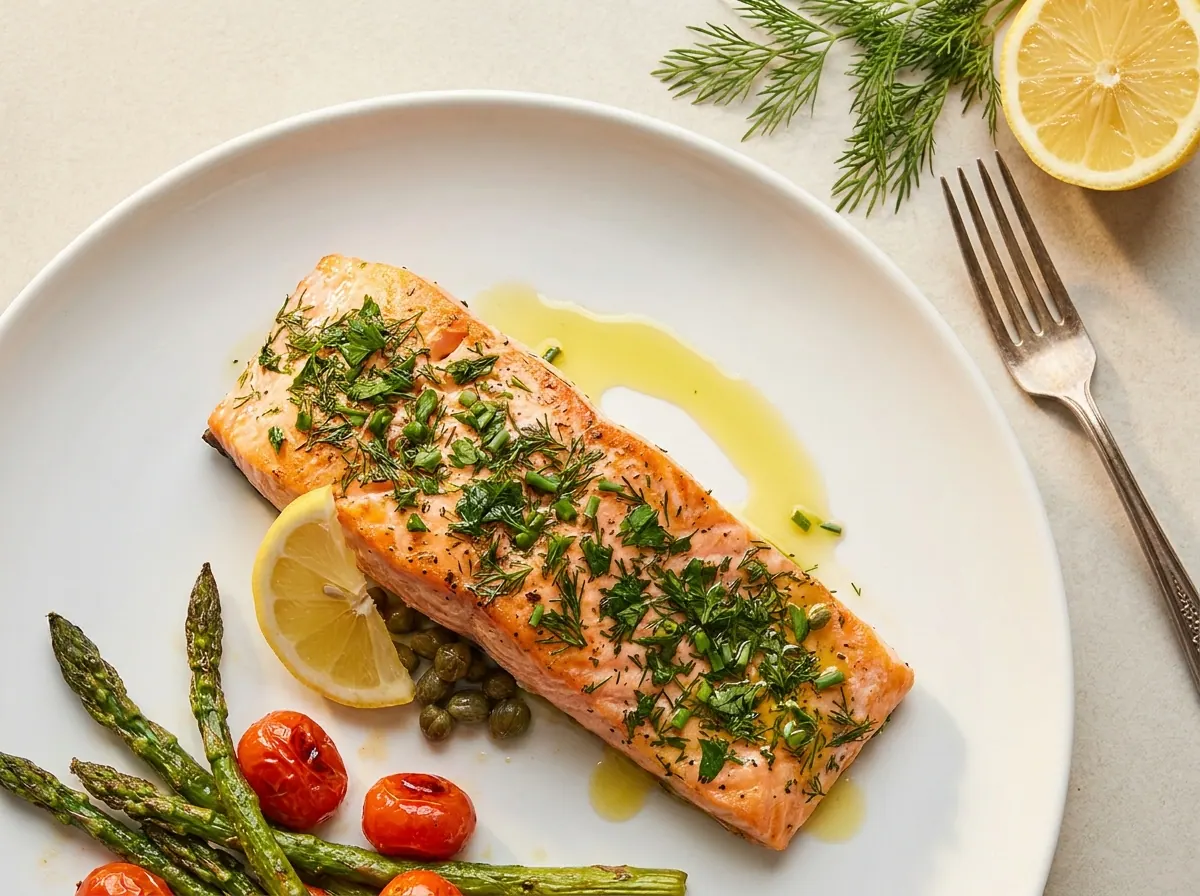
Quickly fried shrimp or flaked salmon
200 g
A luxurious seafood version
Adding greens
Asparagus or peas boiled with the pasta in the last two minutes
150 g
A complete spring version
Basil
Fresh mint
~
A summer flavor common in Amalfi
How Much Does It Make? Scaling Guide
Ingredient
2 servings
1 serving
4 servings
Pasta
200 g
100 g
400 g
Cream
100 ml
50 ml
200 ml
Lemon
1 piece
1/2 piece
2 pieces
EEINA Nutrition Tip
Zest only the yellow peel and beware the white layer beneath it. The aromatic oils are all in the thin yellow layer, while the white is a bitterness that ruins the sauce. Use a fine grater with a light hand that goes around the fruit one turn without digging.
Add This Recipe to Your Plan
The EEINA app saves your favorite recipes, calculates them from their real ingredients, and shows your daily numbers toward your goal. Try it free now.
Yes, and it is a dish known on the coasts of southern Italy for generations. The refreshing acidity over the calm creaminess is a successful balance that explains its popularity in summer.
How is it lighter than Alfredo?
A hundred milliliters of cream against Alfredo's large quantities, and the lemon refreshes what the cheese weighs down: creaminess at half the load.
Where is its protein?
Shrimp, salmon, or grilled chicken is added to it, or it stays an elegant carbohydrate dish with a side protein plate.
Our local lemon or the imported yellow one?
Both work, and the aromatic local one with abundant zest comes very close to Amalfi lemon.