According to your health goal

Weight Loss

Healthy sustainable weight loss is based on a simple principle: energy in less than energy out, but calmly and without harsh deprivation. Global health authorities agree on a moderate calorie deficit, with weight dropping gradually at a rate of half to one kilogram per week, because this is what lasts.

The key to satiety is the combination of protein, fiber, and low energy density, with portion control. Avoid harsh diets and quick promises; a steady habit is more lasting than a temporary solution. This page is for general guidance and does not substitute for the advice of your doctor or nutritionist.

8
Recipes serving the goal
Half to one kilo
Sustainable weekly rate
Calculated
Calories & Macros for each dish
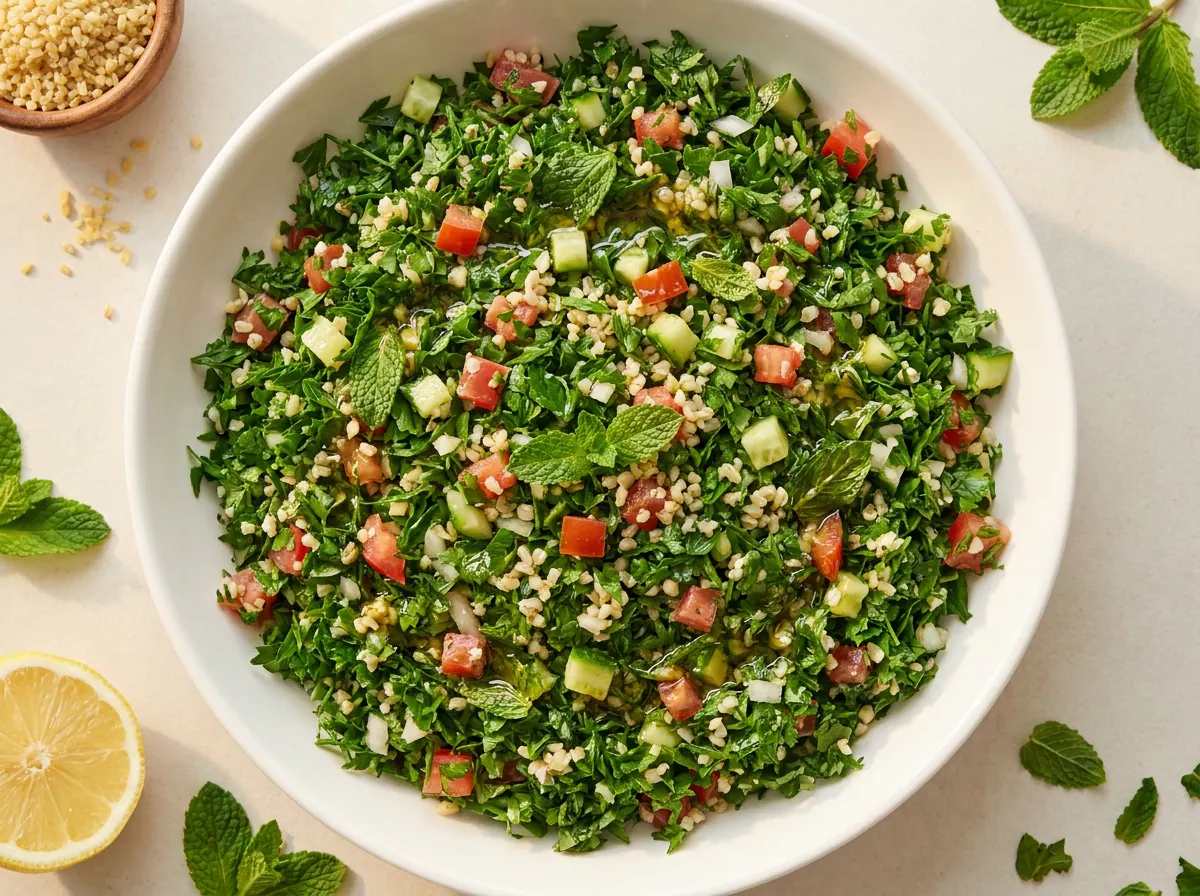
Light low-calorie dishes: green salad, grilled vegetables, and lemon water
Nutrition Guidance

Evidence-Based Nutrition Guidance

Five pillars supported by health authority guidance and systematic reviews, with honest disclosure of the evidence level for each pillar.

Moderate calorie deficit, not a harsh diet

To lose weight, the NHS advises the average adult to reduce about 600 calories from their daily needs, not starvation. The basis according to the WHO is balancing energy intake with expenditure; a moderate sustainable deficit is more beneficial than sharp restrictions that are difficult to maintain.

Evidence level: Government and international health authority guidance (Strong)
Gradual drop: Half to one kilo per week

The CDC confirms that those who lose weight at a slow, steady rate (about half to one kilogram per week) are more capable of maintaining the result than those who lose quickly. Unrealistic goals are discouraging and increase the likelihood of returning to the original weight. We do not promise quick loss.

Evidence level: Government health authority guidance (Strong)
Protein maintains muscle and increases satiety

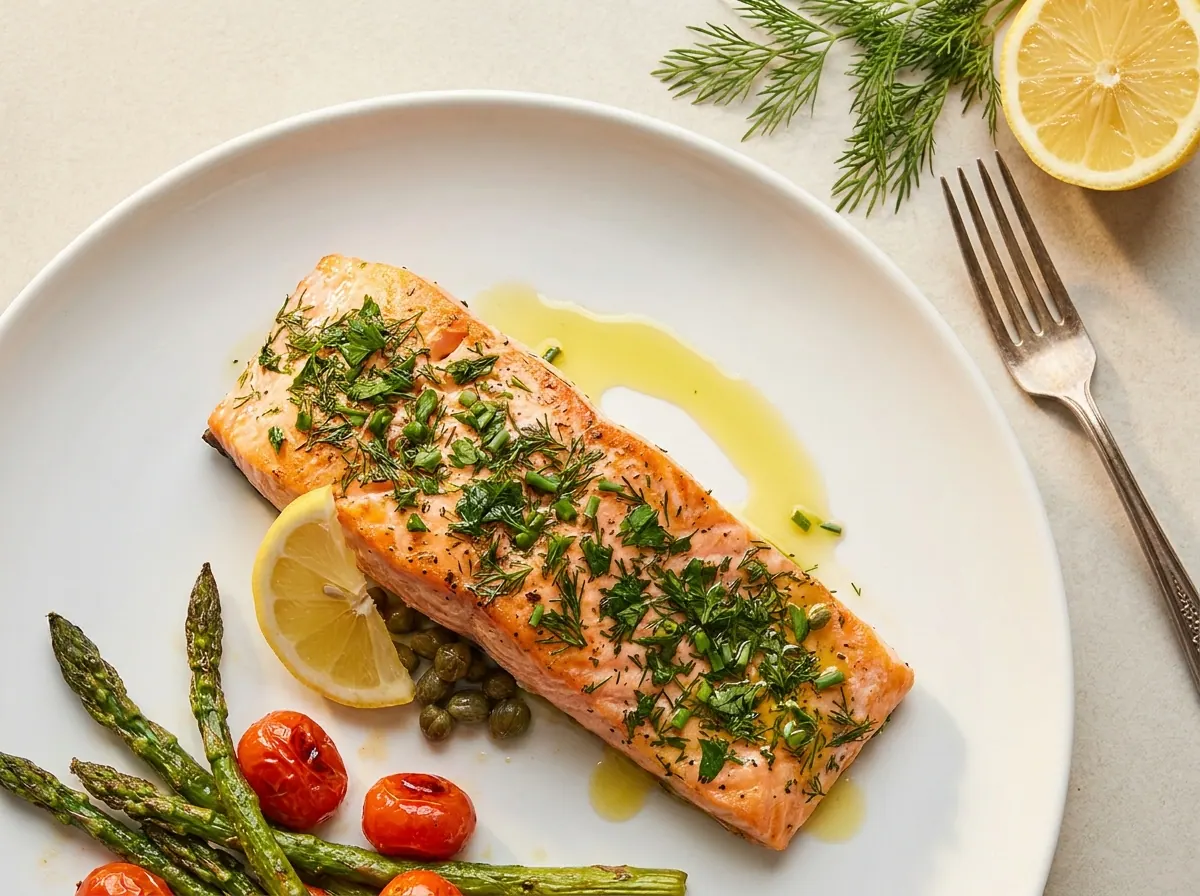
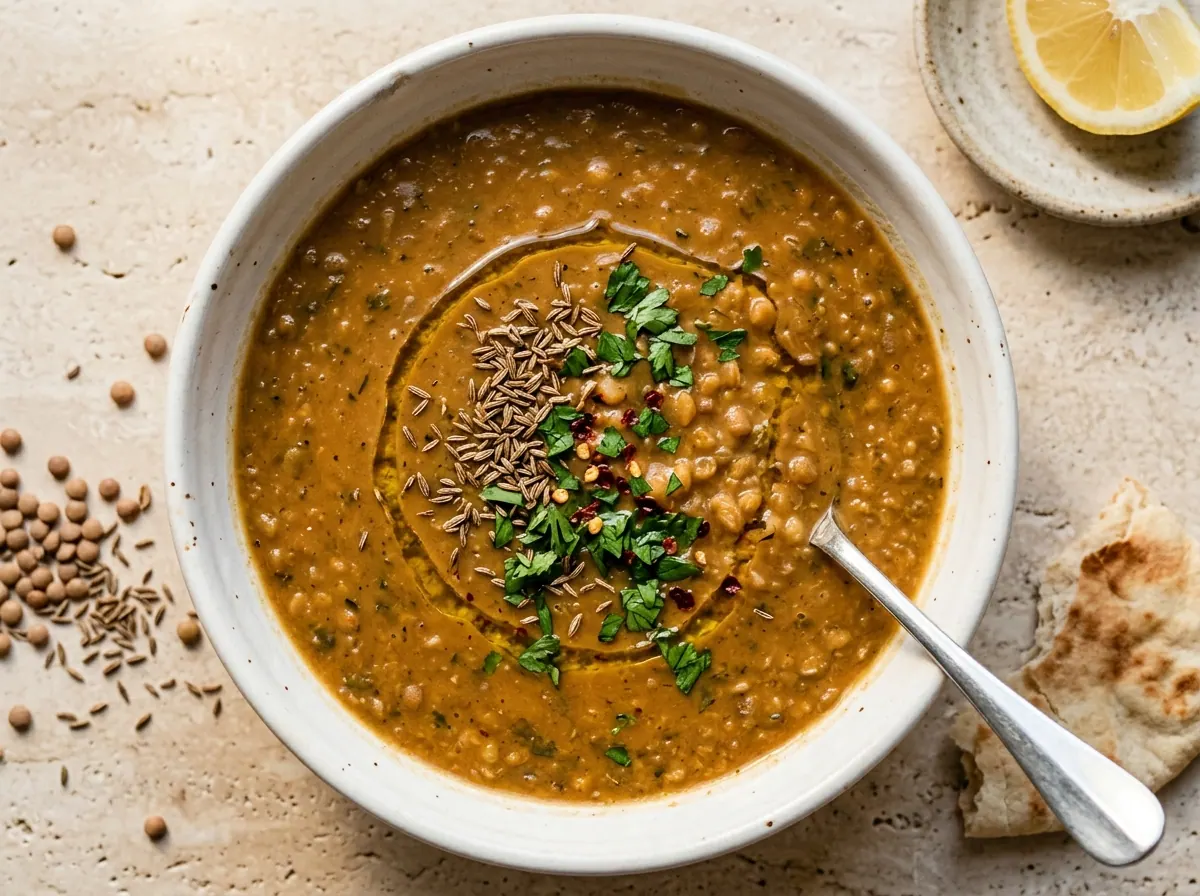
Protein (legumes, lentils, eggs, fish, and lean meat) helps with the feeling of satiety. A systematic review indicates that consuming more than 0.8 grams per kilogram of body weight daily reduces muscle mass loss during a calorie deficit, and amounts up to 1.6 grams per kilogram may be preferred. Consult a nutritionist to determine what suits you.

Evidence level: Systematic review (Moderate to Strong)

Fiber for satiety: Aim for 30 grams daily

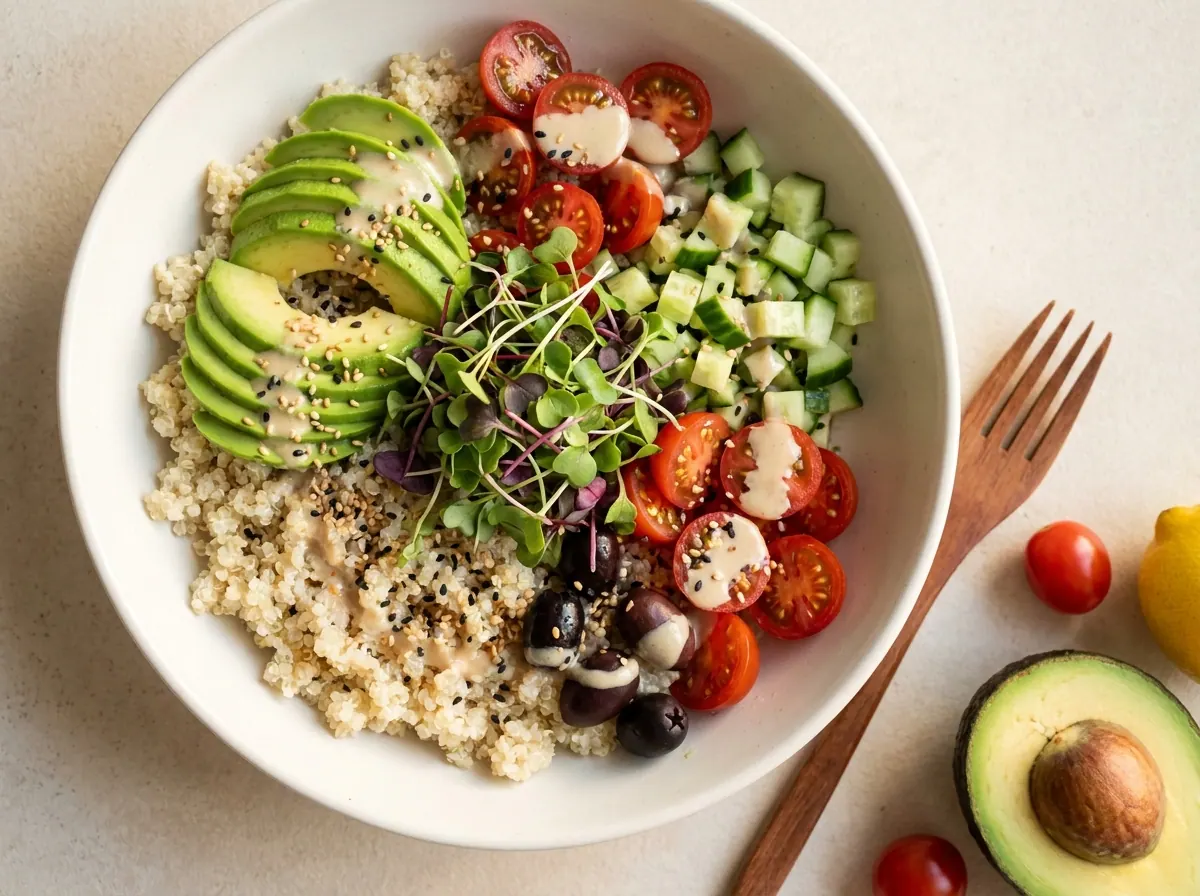
British guidelines recommend raising fiber to 30 grams daily, as most adults consume only about 20. Whole foods rich in fiber like bulgur, oats, legumes, and vegetables satisfy for longer and leave less room for high-calorie foods.

Evidence level: Government health authority guidance (Strong)

Low energy density and portion control

Foods rich in water and fiber and low in fat like vegetables, fruits, and soups have low energy density, so they fill the plate with a satiating volume and fewer calories. A meta-analysis concluded that low energy density foods are associated with weight loss. Start your meal with two portions of vegetables and adjust portion sizes.

Evidence level: Meta-analysis (Moderate to Strong)
Library

Recipes serving weight loss

Satiating dishes rich in protein and fiber and low in energy density, ordered from lowest glycemic index.

Your weight loss plan in your pocket

Subscribe to the Eeina app to build a weekly plan calculated for low calories that suits your goal and your Saudi taste, with satiating recipes delivered to you daily.

Start for free Or continue browsing recipes

Start your weight loss plan for free

Start for free