According to your health goal

Athlete

Athlete nutrition is built on three pillars: sufficient protein for muscle building and repair, good carbohydrates to fuel exercise and replenish glycogen afterwards, and hydration and electrolyte replacement for long sessions. Timing around exercise helps, but the total daily protein and carbohydrate intake remains the most important.

These are general guidelines for a healthy adult athlete; if you have a health condition or are preparing for a competition, adjust the amounts with a sports nutritionist. The recipes below combine high-quality protein from fish, chicken, legumes, and eggs, with slow-digesting carbohydrates for energy.

8
Recipes serving the athlete
3 Pillars
Protein, Carbs & Hydration
Evidence-Based
Scientific sources for every recommendation
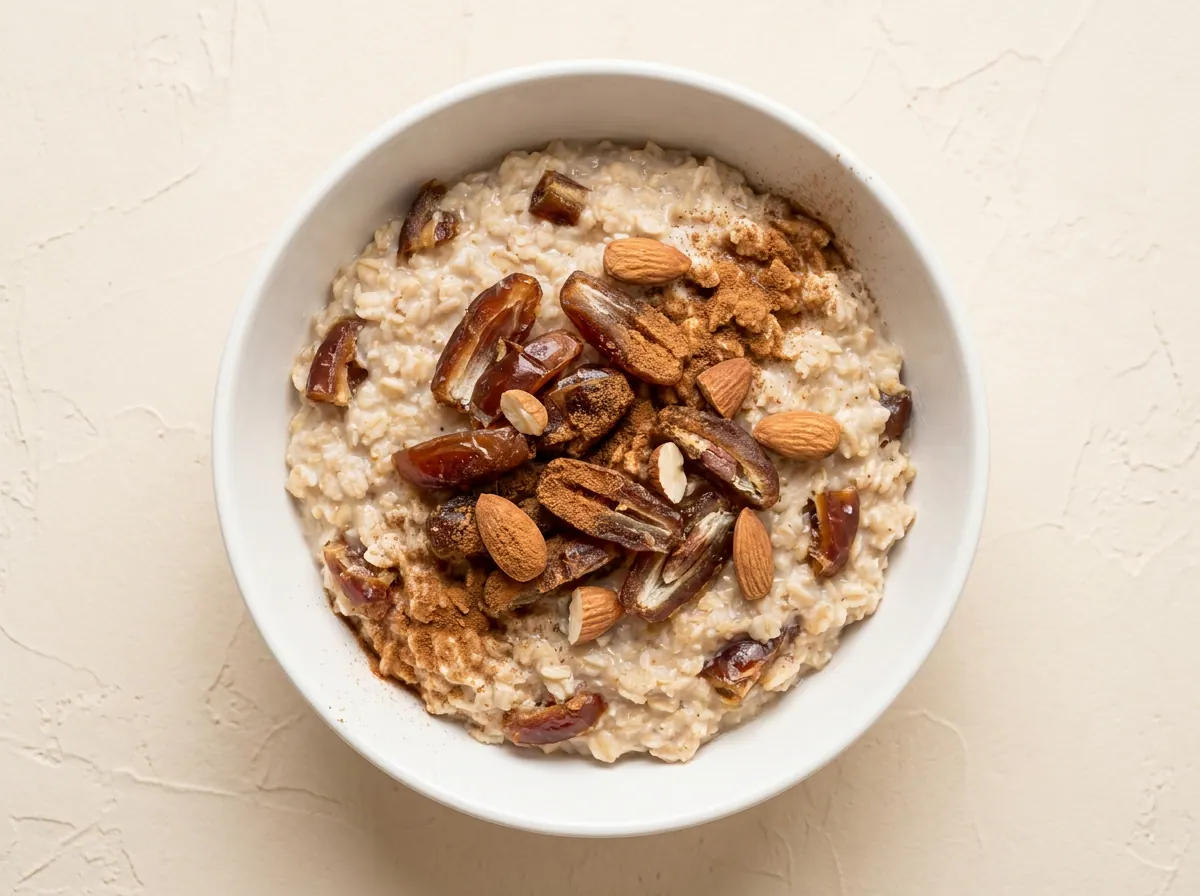
High protein foods for the athlete: fish, chicken, legumes, eggs, and oats
Nutrition Guidance

Evidence-Based Nutrition Guidance

Five pillars for athlete nutrition, each with its detail and the evidence level supporting it.

Protein for muscle building and repair: 1.4 to 2.0g per kg daily

The International Society of Sports Nutrition (ISSN) position stand recommends a daily protein intake between 1.4 and 2.0g per kg for most exercising individuals to build and maintain muscle mass, distributed across meals in amounts of about 0.25g per kg (or 20 to 40g) every three to four hours. Eeina sources: fish, chicken, legumes, and eggs.

Evidence Level: Strong — Peer-reviewed scientific society position stand (ISSN 2017). Source

Carbohydrates for energy and glycogen replenishment: Scales with exercise volume

According to international guidelines, daily needs range between 3 and 5g per kg for light activity, 5 to 7g per kg for moderate exercise, and 6 to 10g per kg for endurance training. Good carbohydrates like oats, legumes, rice, and dates fuel muscles and fill glycogen stores.

Evidence Level: Strong — Carbohydrate reference for training and competition (Burke et al., Journal of Sports Sciences). Source

Post-exercise timing: Carbs and protein to speed recovery

To replenish glycogen as quickly as possible after endurance exercise, about 1 to 1.2g per kg of carbohydrates per hour is recommended during the first four hours, with the addition of high-quality protein (about 20 to 40g) that supports muscle protein synthesis. Daily total remains most important, but timing is beneficial between close sessions.

Evidence Level: Strong — Post-exercise recovery review (NIH/PMC). Source

Hydration and electrolyte replacement: Replace water and sodium in long sessions

The American College of Sports Medicine (ACSM) position stand recommends pre-hydration of about 5 to 7 ml per kg of body weight a few hours before exercise, and drinking regularly during it to avoid losing more than 2% of body weight. Sodium is the most prominent electrolyte in sweat; those exercising for more than one to two hours or sweating heavily (common in Saudi heat) need sodium replacement, not just water.

Evidence Level: Strong — Peer-reviewed ACSM position stand. Source

High-quality protein sources: Diversify between fish, legumes, and lean meats

The NHS recommends two portions of fish per week (one oily like salmon or sardines rich in Omega-3), choosing lean cuts of meat, and considering legumes like beans, lentils, and chickpeas as a good low-fat, fiber-rich alternative. These sources provide iron, zinc, and B vitamins that support energy and recovery.

Evidence Level: Strong — Government health authority guidance (NHS). Source

Library

Recipes serving the athlete

High-quality protein with slow-digesting carbohydrates — ordered from lowest glycemic index.
Browse more
Important notice

This is general guidance, not medical advice

Your sports nutrition in one app

Subscribe to the Eeina app to build a calculated weekly plan that balances your protein and carbs around your workout, and receive your high-protein recipes daily.

Start for free Or continue browsing recipes

Start your customized athlete plan for free

Start for free