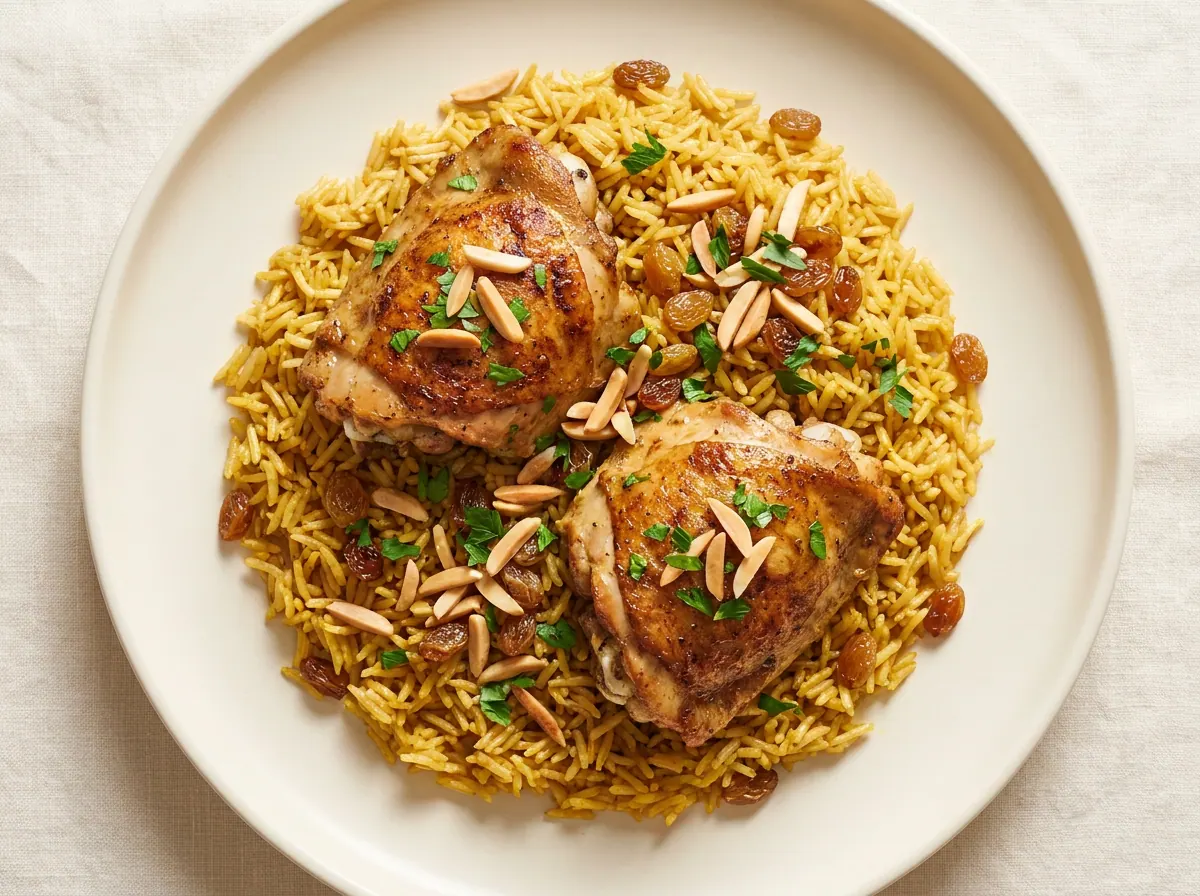
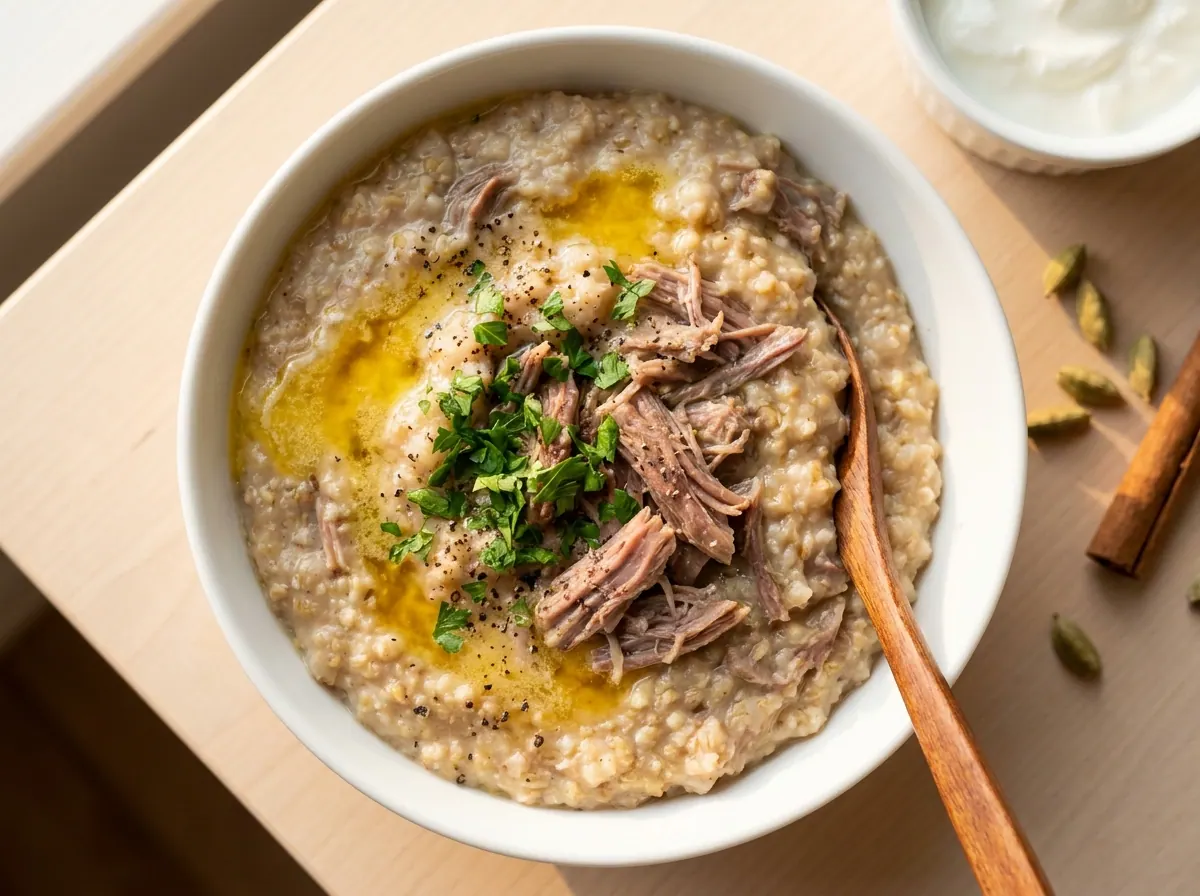
The Kabsa taste your family loves — with 40% lower GI than traditional recipes. Long-grain basmati rice, lean chicken, and Saudi spices in measured proportions. Suitable for diabetics and balanced diets.
The Kabsa we love often has a hidden cost. Short-grain rice spikes blood sugar rapidly (GI around 72), and chicken with skin and ghee increases the serving to about 650 calories. For those watching their sugar or weight, a single plate might cost them more than they think.
The solution is not to give up the dish, but to rebuild it with three steps: long-grain Basmati rice lowers the GI to 42, skinless chicken saves about 120 calories, and olive oil instead of ghee saves about 80. The result is a Kabsa that keeps its authentic Saudi character, at 430 calories instead of 650.
Preparation Steps
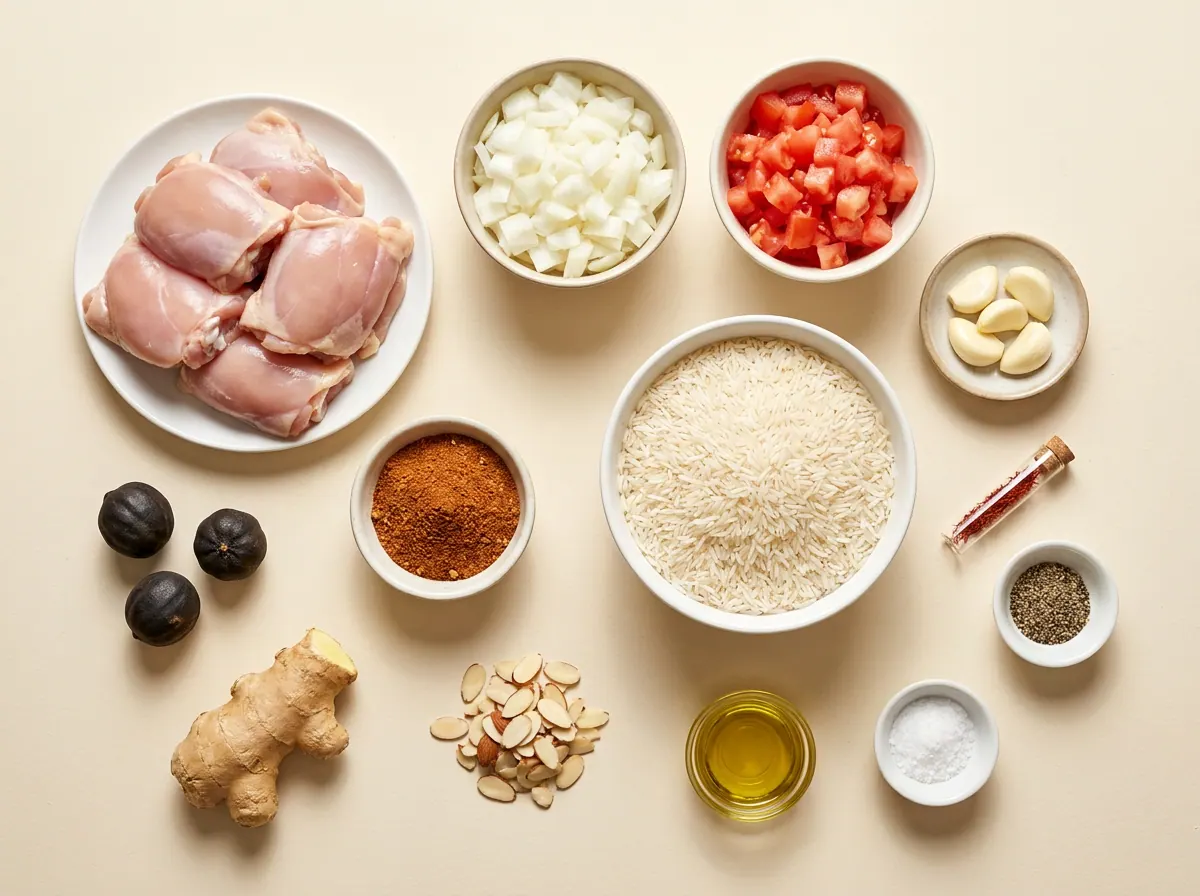
Prepare Ingredients and Quantities
Prepare all ingredients before starting. Wash the rice 3 times until the water runs clear (eliminating surface starch). Soak it in warm water for half an hour before cooking, then drain. The basic ratio is: 1 cup of rice to 1.5 cups of water (not 2 full cups).
10 minutes
Prepare Chicken
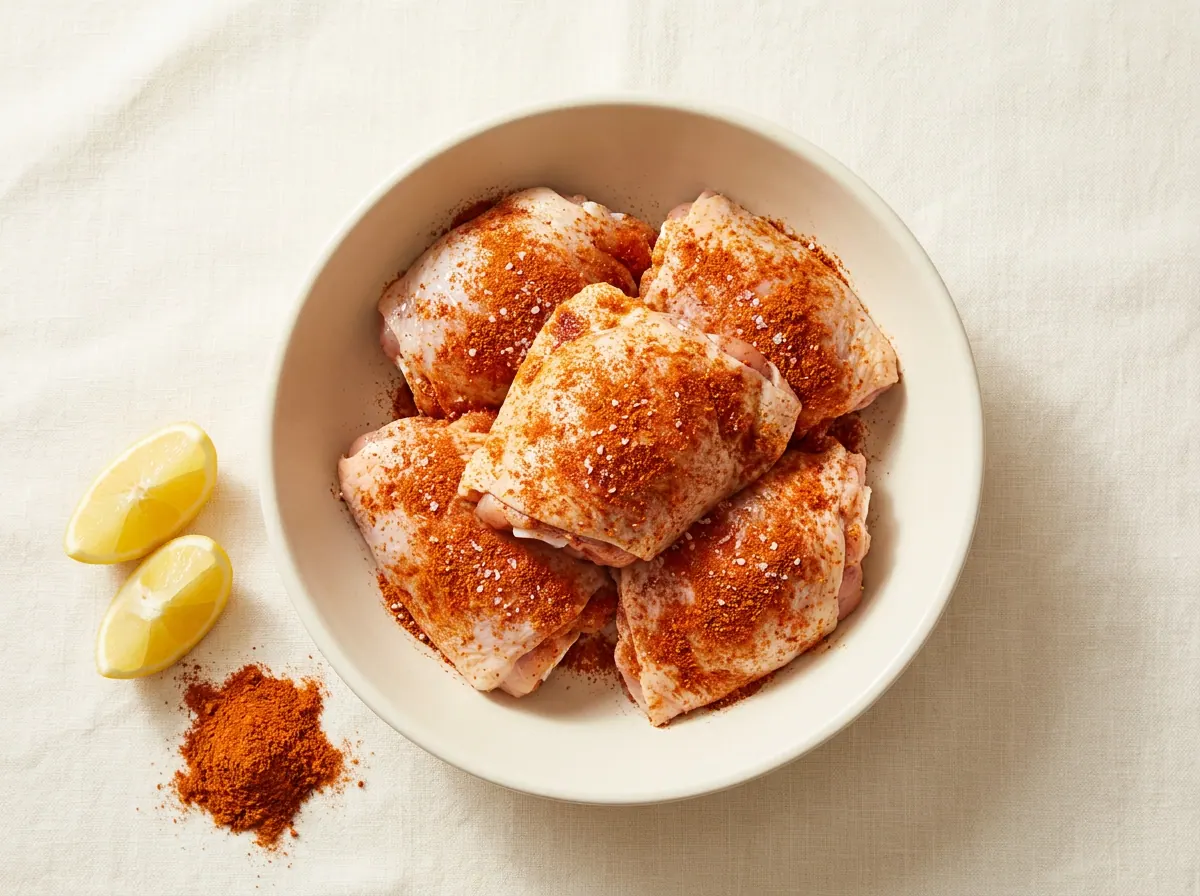
Marinate the chicken with half the Kabsa spices + salt + a quarter cup of lemon juice. Leave it for 15 minutes at room temperature. Avoid adding oil at this stage.
15 minutes
Sauté Onion and Spices
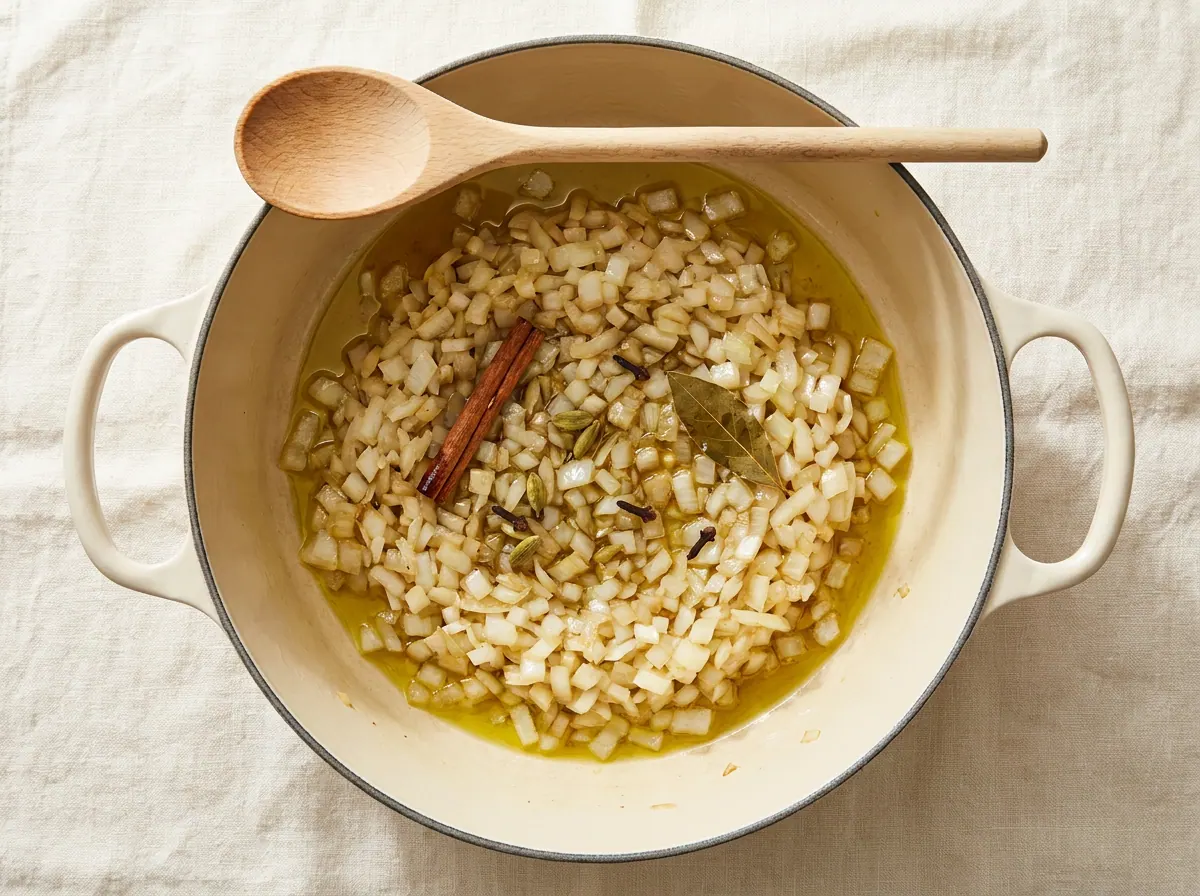
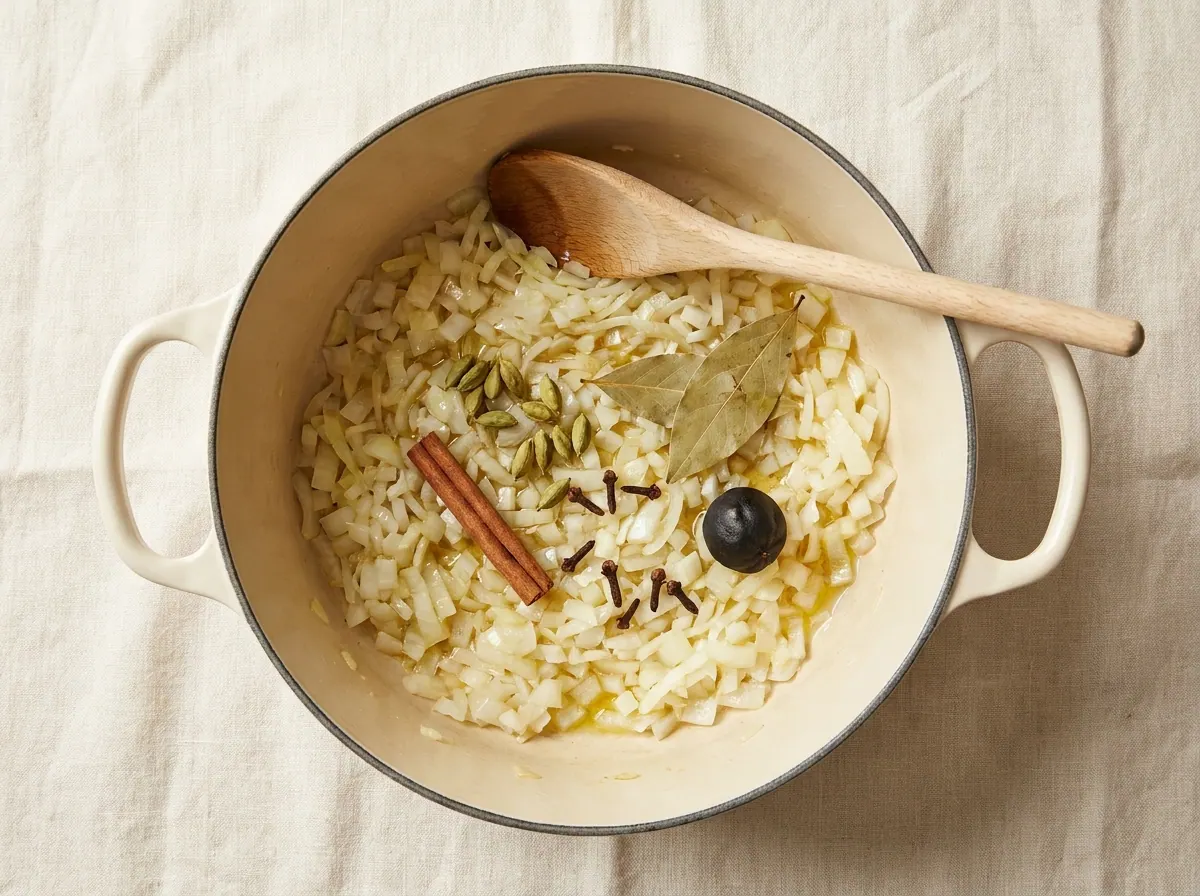
Heat the olive oil in a large pot. Add the onion and sauté until golden (7-8 min). Add the garlic and ginger and sauté for a minute. Add the remaining Kabsa spices, salt, and black pepper.
10 minutes
Add Chicken and Broth
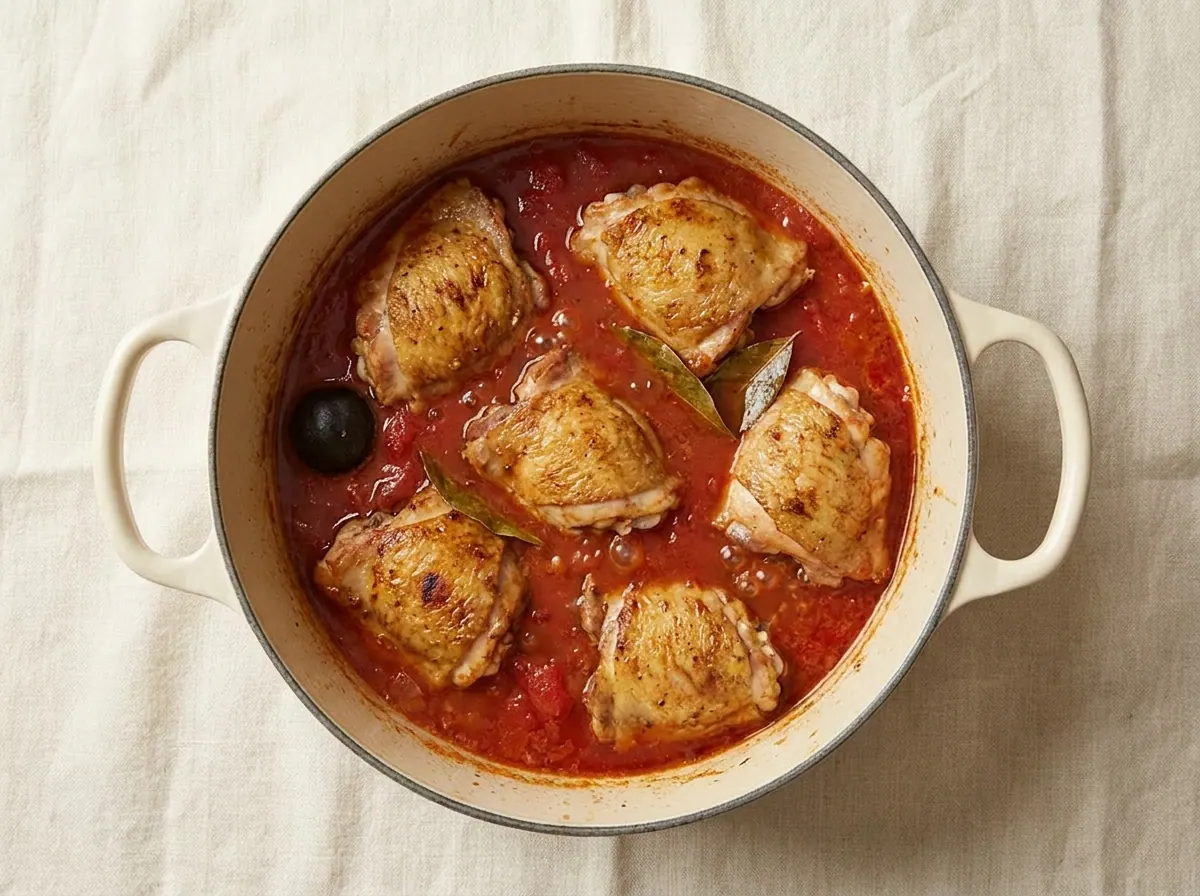
Add the pureed tomatoes and sauté for two minutes. Add the marinated chicken and dried lime (make holes in it) and cover with water (~3 cups). Let it boil, then reduce heat. Cover the pot and let the chicken cook for 20 minutes.
22 minutes
Cook Rice
Wash the rice thoroughly under cold water. Remove the chicken from the pot, add the rice to the remaining broth, and add a pinch of saffron soaked in a tablespoon of hot water. Cover and cook for 18 minutes on low heat.
18 minutes
Serving
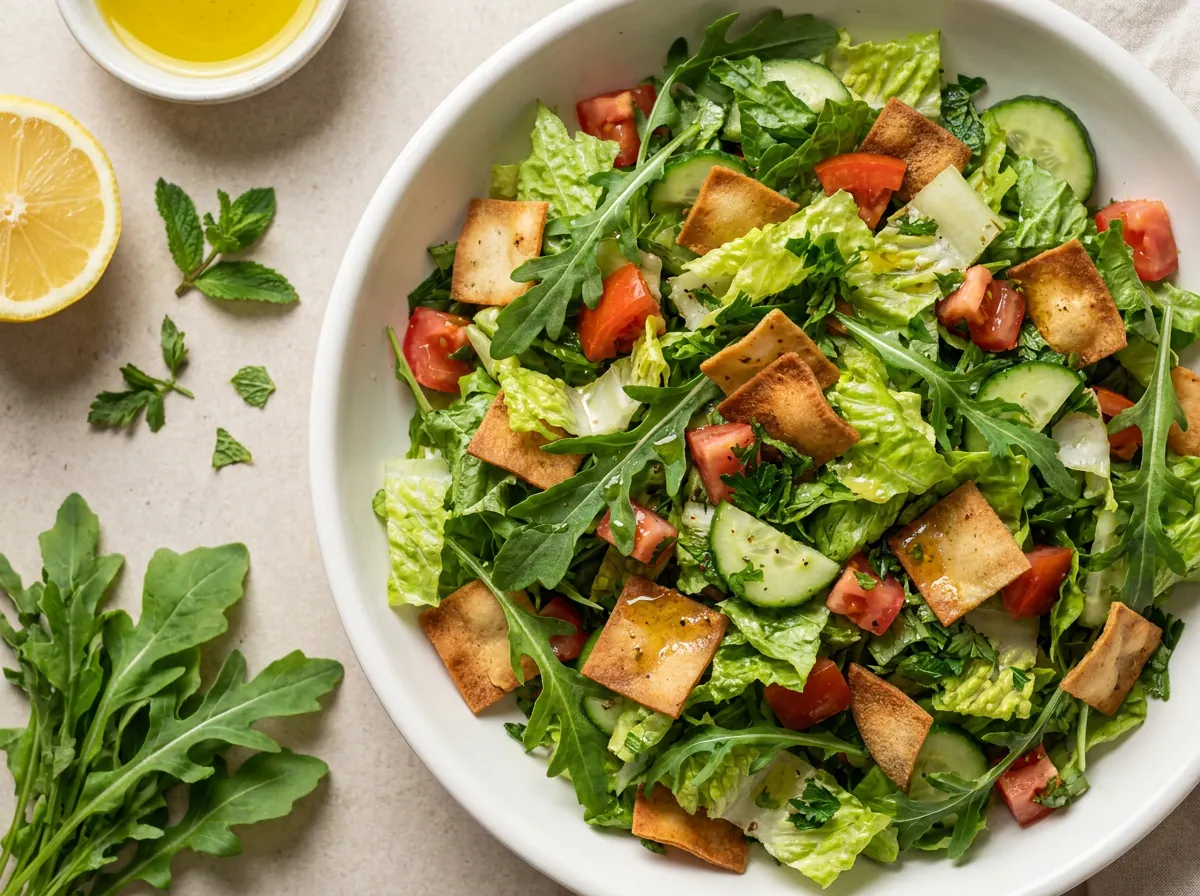
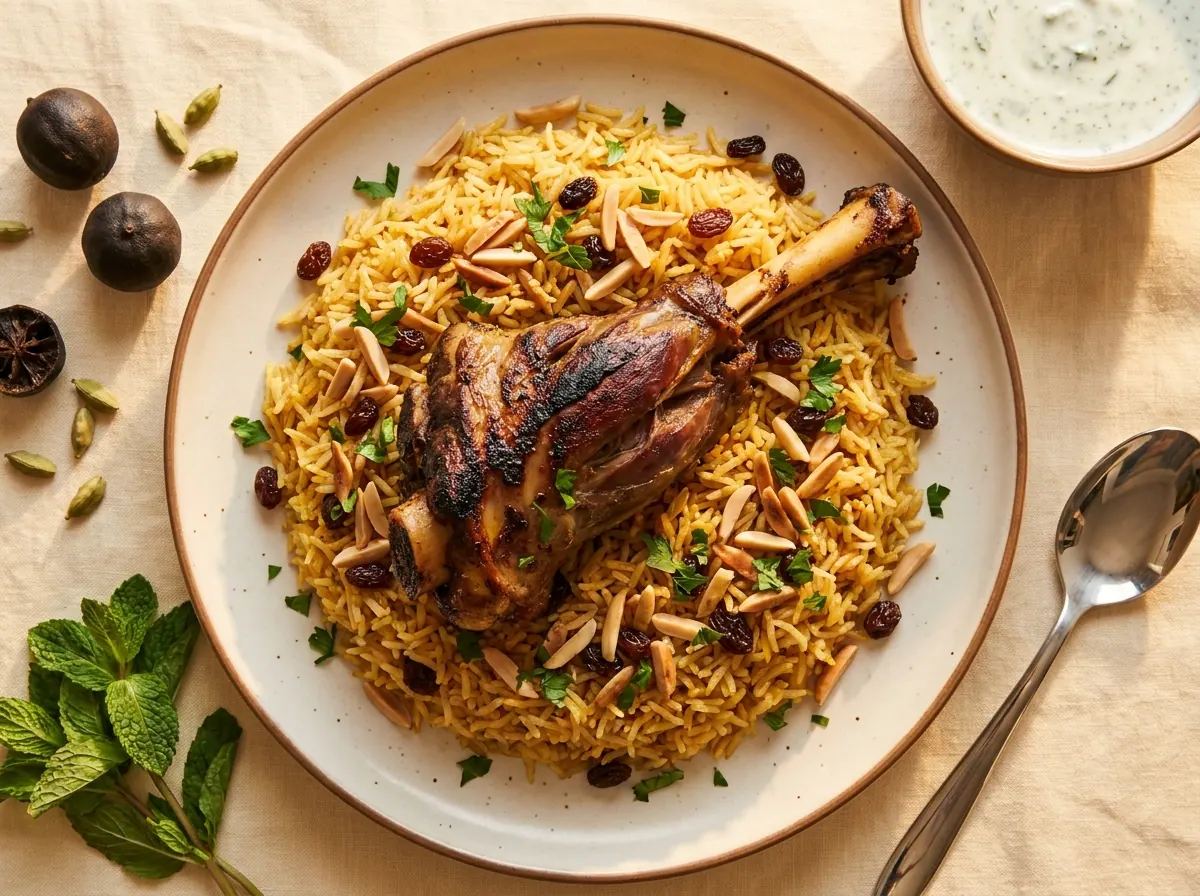
Toast slivered almonds in a dry pan for 2-3 minutes until golden. Fluff the rice gently with a fork, place the chicken on top, and sprinkle with toasted almonds and chopped parsley. Serve hot with a fresh salad or fresh laban.
5 minutes
Blood Sugar Impact
Glycemic Index (GI) measures how quickly blood sugar rises after eating, and Glycemic Load (GL) measures the rise for a full serving. Both readings together give the accurate picture.
Glycemic Index
GI
42Low
Low0–55Medium56–69High70+
A low value (≤55) means a gradual rise in blood sugar, making it ideal for diabetics and insulin resistance.
Glycemic Load
GL
23High
Low0–10Medium11–19High20+
Glycemic Load reflects the impact of the entire serving. To lower it: eat a half portion or pair the recipe with protein and fiber.
Nutritional Values
Per ServingCalculated USDA + Sydney University
Calories430 kcal
Protein32 g
Carbohydrates48 g
Fat14 g
Fiber5 g
Sodium520 mg
If You Encounter Problems
Six common troubleshooting tips from Saudi culinary experience:
The rice is sticky and clumped
The rice was not washed, or too much water was used. Wash the rice under running water until the water is completely clear to remove excess starch. Soak in warm water for 30 minutes, then drain. The basic ratio is: 1 cup of rice to 1.5 cups of water.
The chicken is dry on the outside and raw inside
The heat was too high, or the chicken did not reach the safe temperature. According to the USDA, chicken is safe when it reaches 74°C in the deepest part. Use a food thermometer to check, or cut a piece to ensure no pink remains.
The spices burnt and left a bitter taste
Whole spices (cardamom, dried lime, cinnamon, bay leaf) should be sautéed in warm oil for only a few seconds to release their aromatic oils, then liquid must be added immediately. Sautéing spices too long causes bitterness.
The Kabsa is too pale and lacks the classic golden color
Dried lime was omitted or turmeric was not used. The golden color comes from moderate turmeric, and the light brown from dried lime releasing its flavor in the water. A teaspoon of sweet paprika can provide a similar color.
The rice is cooked but lacks flavor
The rice was cooked in water rather than broth. Classic Kabsa cooks the rice in the seasoned broth resulting from boiling the chicken, absorbing all the flavors. If too dry, add a spoonful of tomato paste and a little healthy oil.
The bottom burnt and formed a black crust
The heat was too high or the pot was too thin. Kabsa needs a thick-bottomed pot (heavy stainless steel or cast iron) and should be cooked on very low heat after the boil begins. A golden crust is desirable, but a burnt black one is not. Scoop from the top gently without scraping.
Storage & Preparation
Refrigeration (4°C)
Complete Kabsa: 3 days in an airtight container after cooling to room temperature.
Separated: 4 days, preserving the textures of chicken and rice best.
Freezing (-18°C)
Kabsa: 2 months in a freezer-safe container. Defrost overnight in the fridge before reheating.
Individual portions: Pack in small containers for easy daily meals (great for work/uni).
Prep Ahead
Chicken marinade: Overnight in the fridge to absorb flavors.
Vegetables (onion, tomato, garlic): 1 hour ahead in airtight containers.
Wash/Soak rice: Exactly 30 minutes before cooking.
Reheating
In a medium oven (160°C) covered with foil for 15 minutes, or in a heavy skillet on low heat with a tablespoon of water. Do not overheat.
How Much Does It Make? Scaling Guide
Number of servings
Rice
Chicken
Water/broth
Pot
2 (individual × 2)
1 cup
0.5 chicken (500 g)
1.5 cups
medium pot
4 (base)
2 cups
1 chicken (1 kg)
3 cups
large pot, 28 cm
8 (large family)
4 cups
2 chickens
6 cups
very large pot, 32 cm
12 (entertaining)
6 cups
3 chickens
9 cups
banquet pot, or in two batches
Add This Recipe to Your Plan
The EEINA app saves your favorite recipes, calculates them from their real ingredients, and shows your daily numbers toward your goal. Try it free now.
Yes, a GI of 42 is considered low (≤55). But watch your portion: half a serving (~22g carbs) if you are following carb counting. Check with your doctor to adjust your insulin dose if needed.
Can I substitute the chicken with lamb?
Yes, but the calories rise to ~550 and the fat to ~22g. Choose a lean cut (such as the leg) and use the same quantity.
How do I store the leftovers?
In an airtight container in the fridge for 3 days, or in the freezer for up to a month. To reheat: 3-4 minutes in the microwave with a splash of water.
Does it raise blood sugar quickly after eating?
No. The low GI plus the fiber and protein keep blood sugar stable for 3-4 hours. Drink water before eating, and add a salad to increase fiber.
Can I make it without dried lime (loomi)?
You can, but loomi gives the authentic Saudi flavor plus vitamin C. An acceptable substitute: grated lemon zest + a tablespoon of lemon juice.
Sources: USDA · SFDA · Sydney University · our methodology · Updated