Najdi Jamriyah · a sweet mafrouk dish in which toasted flour is rubbed with milk, sugar, oil, and dates until finely crumbled, then topped with honey. A popular sweet of Najd and Qassim, with values from the Basaqr Saudi study.
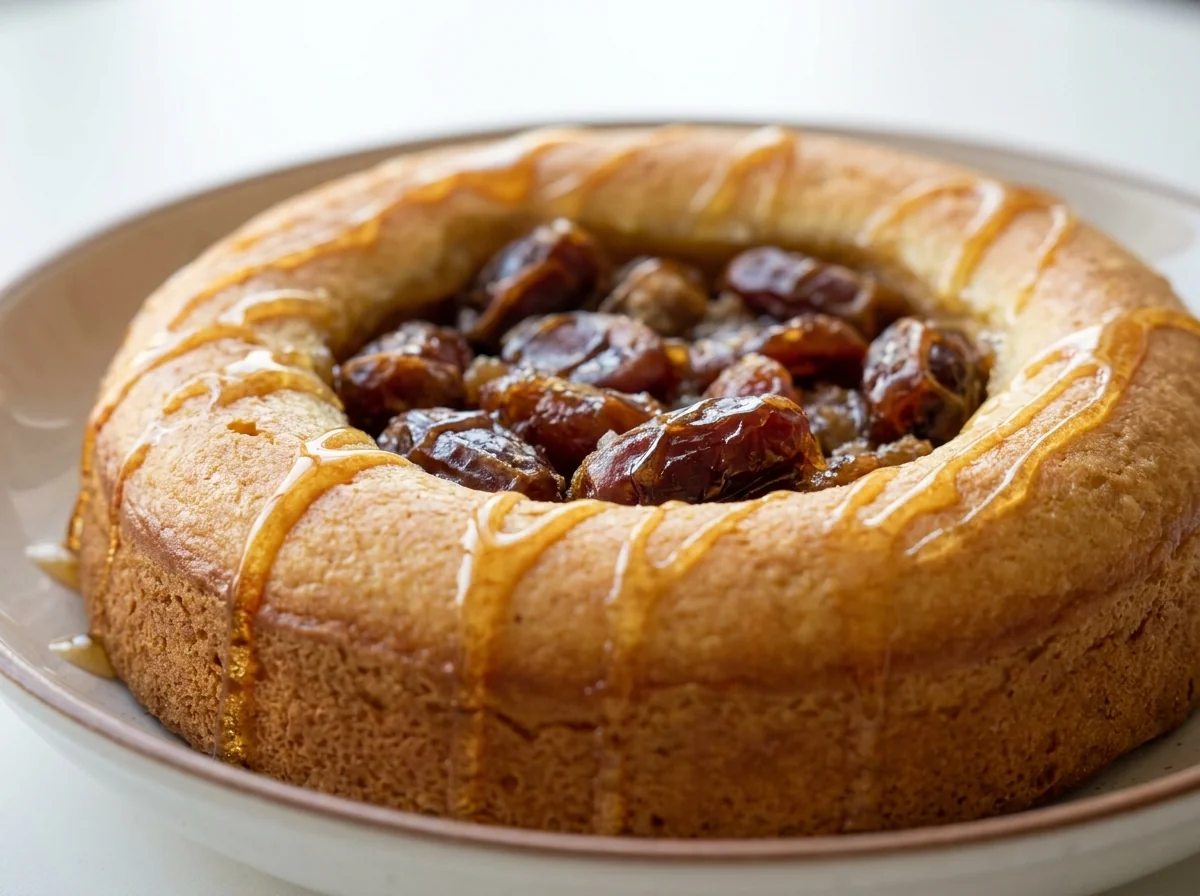
Jamriyah is a sweet mafrouk dish from the heritage of Najd and Qassim, in which toasted flour is rubbed with milk, sugar, and dates until finely crumbled. It was served in winter and at breakfast and hospitality.
Its secret is toasting the flour well and rubbing the ingredients to the crumbly mafrouk texture. EEINA's version keeps the method, and its values are from the Basaqr Saudi study; it is a sweet eaten in moderate portions.
Preparation Steps
Toast the flour
Toast the flour over low heat with stirring until fragrant and lightly colored; toasting gives Jamriyah its flavor.
Dissolve the wet ingredients
Mix the powdered milk, sugar, salt, and baking powder into the water, and warm the oil a little.
Rub and cook
Add the liquid mixture and the oil to the toasted flour over low heat and stir and rub until it comes together and crumbles into fine grains (the mafrouk texture).
Add the dates
Chop the dates and rub them through the dough until distributed and partly melted, lending natural sweetness.
Serve with honey
Turn the Jamriyah out into a serving dish and garnish with honey on top. Served warm in moderate portions.
Blood Sugar Impact
The glycemic index (GI) measures how quickly a food raises blood sugar, while the glycemic load (GL) measures how much a full serving raises it. Together they give the complete picture.
Glycemic Index
GI
60Medium
Low0–55Medium56–69High70+
A low value (≤55) means a gradual rise in blood sugar — the most suitable range for diabetes and insulin resistance.
Glycemic Load
GL
16Medium
Low0–10Medium11–19High20+
Glycemic load reflects the impact of the full serving. To lower it: take half a serving, or pair the recipe with a source of protein and fiber.
Nutritional Information
Per ServingMakes 6 servings · one serving is about 135 g of raw ingredients
Calories194 kcal10%of Daily Value*
Protein4 g8%of Daily Value*
Carbohydrates29 g11%of Daily Value*
Fat8 g10%of Daily Value*
Fiber3 g11%of Daily Value*
Sodium181 mg8%of Daily Value*
* Percent Daily Values are based on a 2,000-calorie diet per FDA food-label reference values — your daily needs may be higher or lower. Values are derived from the recipe's ingredients via the USDA database.
Troubleshooting
The most common problems when preparing Najdi Jamriyah, and how to fix them:
The Jamriyah is sticky, not crumbly
Too much water or too little rubbing. Adjust the liquid and rub well over low heat until it crumbles.
Raw flour taste
It was not toasted enough. Toast the flour until fragrant before adding the liquid.
Too dry
Too little liquid. Add a little warm water while rubbing to the desired texture.
Too sweet
Reduce the sugar and rely on the sweetness of the dates and the honey garnish.
Storage and Make-Ahead
Refrigerator (4°)
Three days in an airtight container; warm a little before serving.
Freezer (-18°)
One month in an airtight container. Thaw and reheat with a sprinkle of water.
Reheating
Reheat over low heat with a sprinkle of water and stirring to restore softness.
Tested Ingredient Substitutions
Original Ingredient
Tested Substitute
Ratio
Flavor Difference
White flour
Whole-wheat flour
half
Adds fiber and lowers the glycemic index
Sugar
Rely on dates and honey
omit it
Natural, lower added sugar
Oil
Local ghee
same amount
Authentic Najdi flavor, higher in saturated fat
Powdered milk
Liquid milk
as the texture
An available substitute with less water
How Much Does It Make? Scaling Guide
Number of servings
Flour
Sugar
Dates
3 (half recipe)
1.5 cups
quarter cup
4
6 (base)
3 cups
half cup
8
12 (gathering)
6 cups
1 cup
16
EEINA Nutrition Tip
Dates give Jamriyah natural sweetness, fiber, and potassium, but with the flour, sugar, and oil it remains a high-energy sweet. Eat it in small portions; lighten it by cutting the added sugar and relying on the sweetness of dates and honey.
Add This Recipe to Your Plan
The EEINA app saves your favorite recipes, calculates them from their real ingredients, and shows your daily numbers toward your goal. Try it free now.