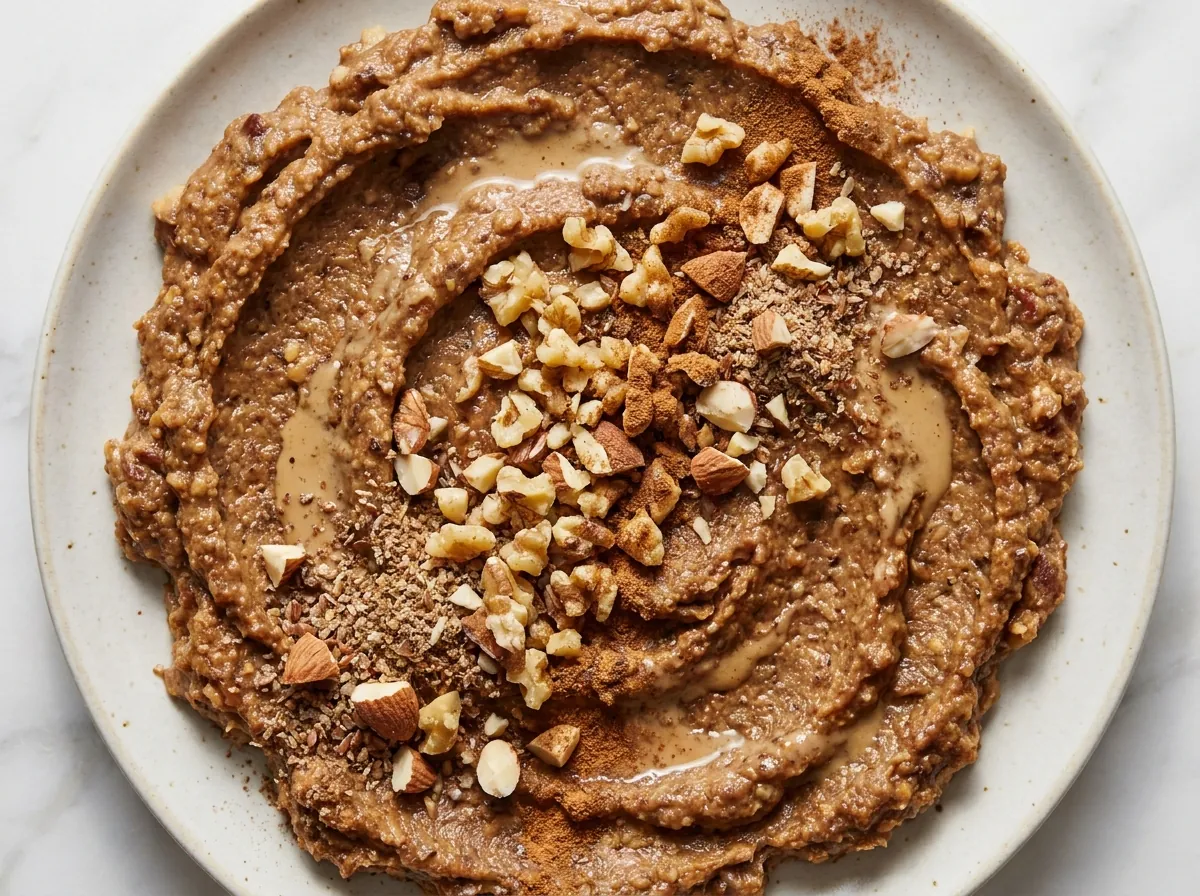
A quick energy bite we prepare for the breastfeeding mother who has no time to cook, bringing together the natural sweetness of dates with the richness of tahini and nuts in a paste eaten with a spoon.
Preparation Steps
Soften the dates
Place the pitted dates in a bowl, and if they are hard, soak them in warm water for a few minutes until they soften, because soft dates mash easily and give a cohesive paste.
Mash the dates
Mash the dates with a fork or in a food processor until they become a sticky, uniform dough, which is the base of the paste that binds the rest of the ingredients.
Add the tahini
Add the tahini and mix well until the streaks of tahini disappear and blend with the dates, since the tahini gives a rich texture and a distinctive sesame flavor.
Fold in the nuts and flaxseed
Add the chopped walnuts and almonds, the ground flaxseed, and the cinnamon, and stir by hand or with a spoon until they are distributed, because even distribution gives a crunch in every bite.
Adjust the texture
If the paste is dry, add a little warm water a spoonful at a time until it softens, and if it is soft, add a few more nuts, until you reach a texture that can be eaten with a spoon or spread.
Shape and serve
Serve it in a small bowl to eat with a spoon, or spread it on a slice of bread, or shape it into small balls, and keep it cold so it firms up more.
Blood Sugar Impact
The glycemic index (GI) measures how quickly a food raises blood sugar, while the glycemic load (GL) measures how much a full serving raises it. Together they give the complete picture.
Glycemic Index
GI
45Low
Low0–55Medium56–69High70+
A low value (≤55) means a gradual rise in blood sugar — the most suitable range for diabetes and insulin resistance.
Glycemic Load
GL
13Medium
Low0–10Medium11–19High20+
Glycemic load reflects the impact of the full serving. To lower it: take half a serving, or pair the recipe with a source of protein and fiber.
Nutritional Information
Per ServingMakes 8 servings · one serving is about 65 g of raw ingredients
Calories251 kcal13%of Daily Value*
Protein5 g10%of Daily Value*
Carbohydrates33 g12%of Daily Value*
Fat13 g17%of Daily Value*
Fiber5 g18%of Daily Value*
Sodium5 mg0%of Daily Value*
Potassium396 mg8%of Daily Value*
Phosphorus164 mg13%of Daily Value*
* Percent Daily Values are based on a 2,000-calorie diet per FDA food-label reference values — your daily needs may be higher or lower. Values are derived from the recipe's ingredients via the USDA database.
Troubleshooting
The most common problems when preparing Date, Tahini, and Nut Paste for the Breastfeeding Mother, and how to fix them:
The paste is dry and crumbly
The dates were dry; soak them in warm water first, then add water a spoonful at a time until it comes together.
The paste is too sticky and clings
Add more chopped nuts or a spoonful of thick tahini to firm up the texture and balance the stickiness.
A slight bitter taste
The tahini may be old; taste it before use and replace it if it is rancid, since fresh tahini has a pleasant nutty taste.
Storage and Make-Ahead
Refrigerator
Keep in an airtight container for up to 7 days, and it firms up more when cold.
Freezer
Freeze for up to two months as balls separated by parchment paper, and thaw in the refrigerator before eating.
Serving
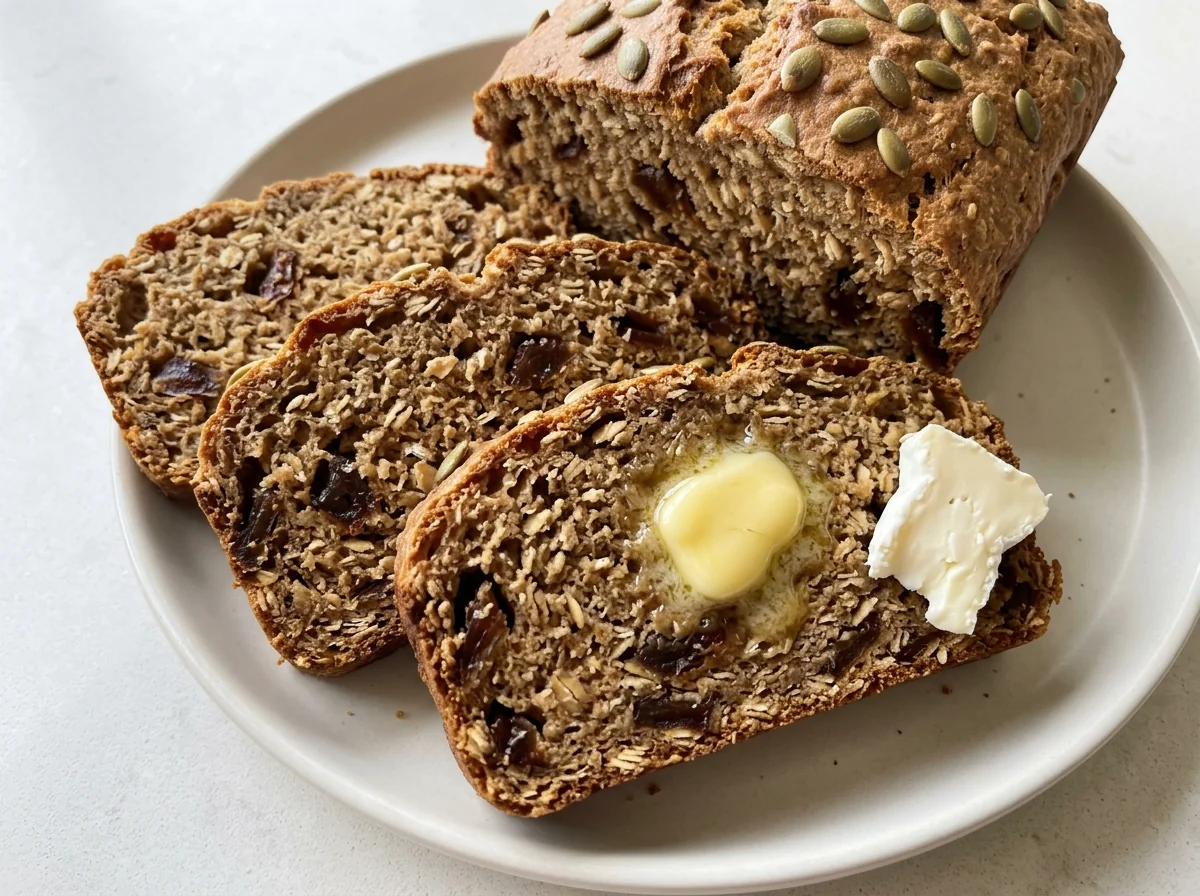
Spread on a slice of brown bread or serve alongside a glass of laban.
Tested Ingredient Substitutions
Original Ingredient
Tested Substitute
Ratio
Flavor Difference
Walnuts and almonds
Pistachios or cashews
Same weight
A variation in flavor; be sure to chop them for even distribution.
Tahini
Peanut butter
Same weight
A different flavor and a thicker texture; make sure it has no added sugar.
Flaxseed
Chia seeds
Same weight
Adds fiber and absorbs liquid; you may need a few extra drops of water.
Dates
Soaked dried figs
Same weight
A milder sweetness and fine seeds, with a similar texture after mashing.
How Much Does It Make? Scaling Guide
Ingredient
2 servings
4 servings
8 servings (base)
Pitted dates
75 g
150 g
300 g
Tahini
20 g
40 g
80 g
Chopped walnuts
12 g
25 g
50 g
Chopped almonds
12 g
25 g
50 g
EEINA Nutrition Tip
Ground flaxseed is easier to absorb than the whole seed. Grind it fresh and keep the paste cold to preserve its fats.
Add This Recipe to Your Plan
The EEINA app saves your favorite recipes, calculates them from their real ingredients, and shows your daily numbers toward your goal. Try it free now.
Do dates increase a breastfeeding mother's milk supply?
No single ingredient increases milk supply on its own; supply depends on frequent breastfeeding. Dates are a source of energy and iron, and the tahini and nuts are a source of calcium and beneficial fats, so it is a nourishing snack that supports the mother between feeds.
How many bites are suitable per day?
Two to three spoonfuls is a reasonable snack, since it is energy-rich, and the amount depends on your daily needs and the rest of your meals.
Is it suitable for a pregnant woman too?
Yes, it is a generally nourishing snack, but if you have gestational diabetes, watch the amount since dates are rich in natural sugar, and consult your doctor.