The Nut World's Omega Crown

Walnuts

Famous for looking like a brain, worthy for something deeper: walnuts carry the highest plant omega-3 (ALA) of any common nut by a wide margin — about 2.5 g per 28 g handful of 12–14 halves, several times an almond's share — alongside the nut aisle's richest antioxidant phenols, most of them hiding in the thin brown skin people mistakenly rub off. This page tells the brain story straight (research interest is real; memory promises are not), teaches the one distinction every walnut buyer needs — the skin's healthy astringent bite versus true rancidity's old-paint smell — and explains the storage rule that separates walnuts from their siblings: those precious polyunsaturated oils oxidize fastest of the family, so shelled walnuts live in the fridge (months) or freezer (a year), never a hot cupboard. From Aleppo's muhammara to our arugula-pomegranate salad, the Levant knew where this king belonged long before the studies agreed.

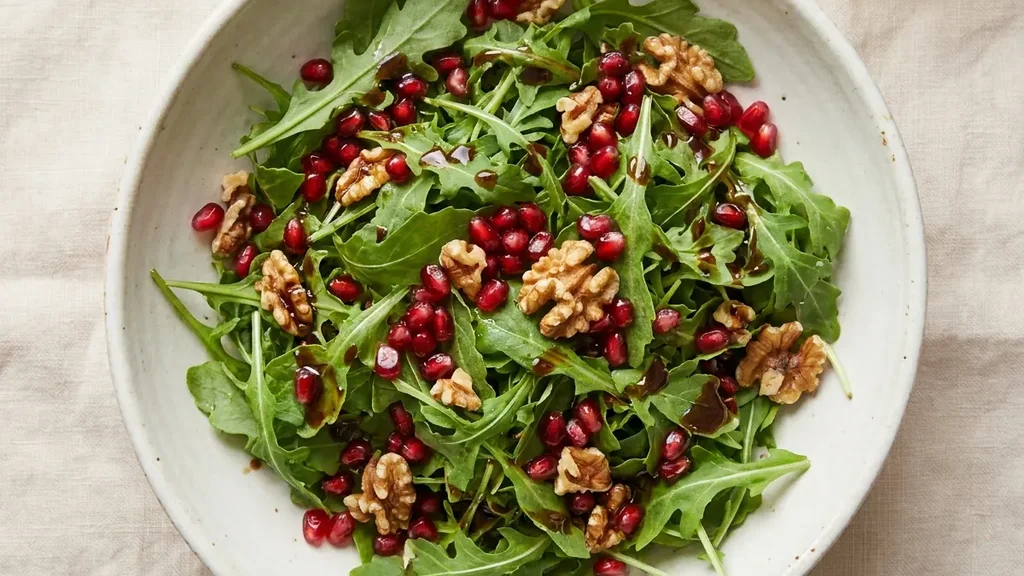
Golden walnut halves over an arugula and pomegranate salad
~2.5 gPlant omega-3 per handful
12–14Halves = the reference serving
FridgeIts home, unlike its siblings
QuietOn blood sugar, practically
8 min read Updated 2026-09-21 Verified data
EEINA Editorial Content
Based on authoritative sources (USDA · NIH) and reviewed per our editorial methodology
Medical Disclaimer: General educational reference; not a substitute for professional medical advice. Tree-nut allergy can be severe — diagnosed individuals follow their allergist's plan exclusively; whole nuts are a choking hazard before about age four.

Nutritional Profile — one handful (28 g ≈ 12–14 halves)

Calories
~185 kcal — the richest sibling, so count it
Fat
~18.5 g, mostly polyunsaturated — its signature
Omega-3 (ALA)
~2.5 g — the family crown, several times almonds'
Protein
4.3 g
Fiber
1.9 g
Carbohydrates
~4 g, half fiber — net is tiny
Copper & manganese
generous shares of both
Glycemic impact
negligible — the ideal meal-calming companion

The Four Distinctions That Matter

Brain Story, Told Straight
Interest yes, promises no

The lookalike shape is folklore; the science is its ALA and phenols keeping walnuts prominent in cognitive-aging research with positive signals. A sensible daily bet within a balanced pattern — not a memory pill.

Bitterness vs Rancidity
The buyer's key distinction

The thin brown skin's light astringency is healthy phenols — most of the walnut's antioxidants live there, so don't rub it off. True spoilage smells of old paint and tastes of stale oil: that's rancidity, and it's final.

The Fridge Rule
Unlike all its siblings

Those precious polyunsaturated oils oxidize fastest of the family: shelled kernels live in the fridge (months) or freezer (a year) — in-shell tolerates a cool room longer. Hot cupboards steal walnuts in weeks.

Walnuts vs Almonds
SAR 35–70/kg shelled

Walnuts crown omega-3; almonds crown vitamin E and edge protein. Rotating both is exactly what the nut literature loves — the wise pantry keeps the pair.

Nutrition Science — Crown, Heart and Honest Conversion

  • The omega crown: ~2.5 g ALA per handful, the highest of common nuts — with our standing honesty (per NIH): ALA converts to EPA/DHA at a limited rate, so walnuts are a superb daily contributor, not a substitute for two weekly fish meals
  • Heart file: nut reviews place walnuts at the front of their favorable lipid evidence within balanced patterns — a lifestyle brick, never a medication substitute
  • Blood sugar: ~2 g net carbs per handful, and its fat-protein package blunts whatever meal it joins — the ideal pairing partner our fruit pages keep prescribing (an apple with walnut halves, a date stuffed with one)
  • The weight paradox includes it: pattern studies don't link counted handfuls to weight gain — substitution, not addition, and the richest sibling (185 kcal) deserves the strictest counting

Family Kitchen Uses

Over Green SaladsArugula-pomegranate classic
Walnut halves turn leaves into a meal — our arugula-pomegranate and beet-yogurt salads are the ready models.
With Pomegranate MolassesThe Levant's great pairing
Walnut richness under sweet-sour molasses — muhammara's logic, Aleppo's gift, working in salads and dips alike.
Baked Fruit's CrownCinnamon apples & oatmeal
Crushed walnuts over baked cinnamon apples and date-baked oatmeal — crunch completing softness, recipes in the library.
Gentle Dry ToastingLow heat, two minutes
A quiet pan and constant motion wake its aroma; long high heat betrays its delicate oils faster than any sibling's.
Kitchen tip

Buying: golden-pale plump kernels (dark, shriveled ones have aged), a clean nutty smell (paint-like = rancid, final), a decisive snap (rubbery = moisture). In-shell: heavy and silent when shaken. Fridge-stored walnuts also drink neighboring odors — keep the container tight, or your walnuts will taste of onions.
Frequently Asked Questions

Are walnuts really brain food?
The shape is folklore; the ALA and phenols are real, and cognitive-aging research watches them with interest. A sensible daily bet — not a memory promise.
How many per day?
The 28 g handful ≈ 12–14 halves ≈ 185 kcal with ~2.5 g omega-3. The richest sibling — count it strictest.
Why does my walnut taste slightly bitter?
The brown skin's healthy phenolic astringency — keep it. True spoilage is stale-oil taste plus old-paint smell: rancidity, and it's final.
Why the fridge?
Its polyunsaturated oils oxidize fastest of the family: shelled kernels fridge for months, freezer for a year; in-shell tolerates a cool room longer.
Walnuts or almonds?
Different crowns — omega vs vitamin E. Rotate both; the literature loves variety.
Do walnuts spike blood sugar?
Practically no — tiny net carbs, and they calm accompanying meals. Calories alone (185/handful) go in the ledger.