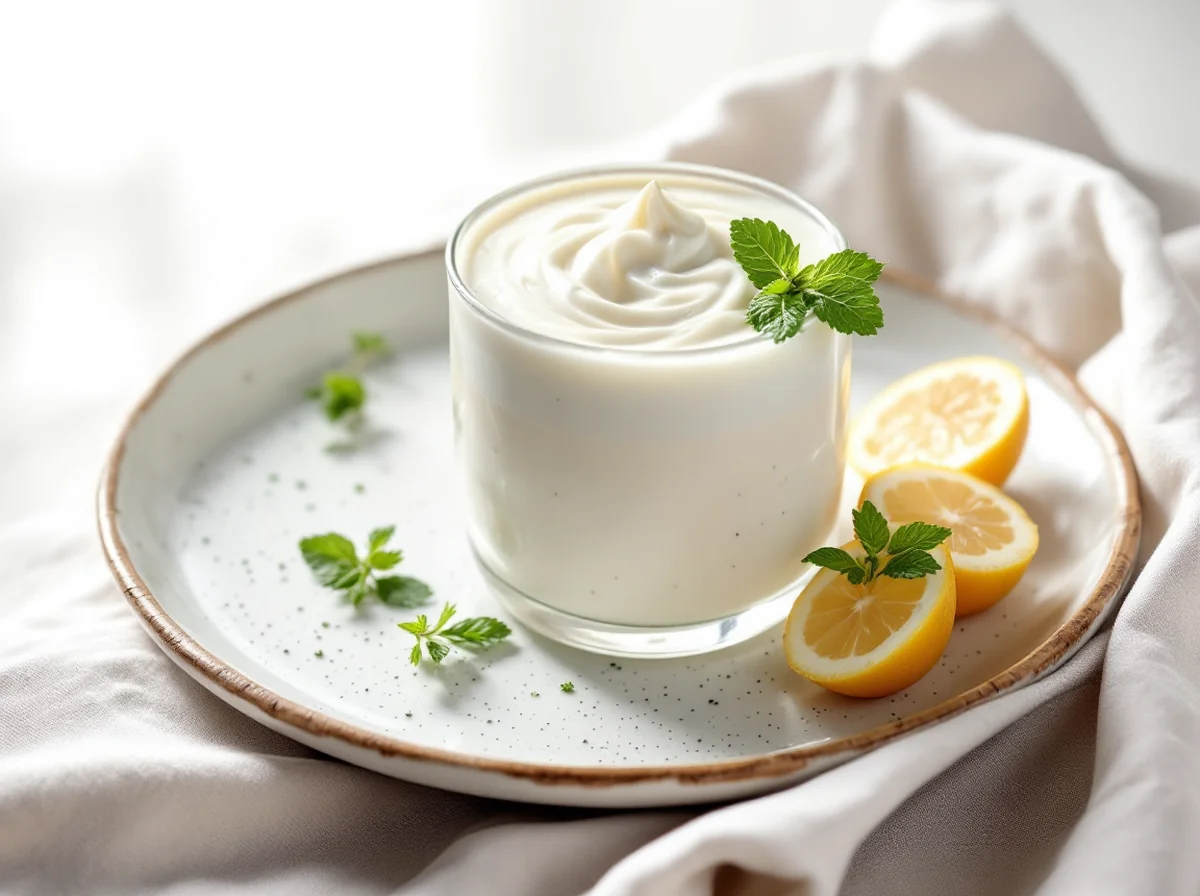
Ayran is a traditional Turkish drink of yogurt, water and salt, served cold and accompanying grills, kebab and pide.
It spread across Turkey, the Balkans and the Levant, and mint leaves are added to it as a common refreshing touch.
Preparation Steps
Prepare the yogurt
Pour the yogurt into a jug or blender. Use plain unsweetened yogurt, as the quality of the ayran depends on the quality of the yogurt.
Add the water and salt
Add the cold water, salt and dried mint. A ratio of one cup of water to every two cups of yogurt gives a rich texture, and add more water if you prefer a lighter texture.
Whisk
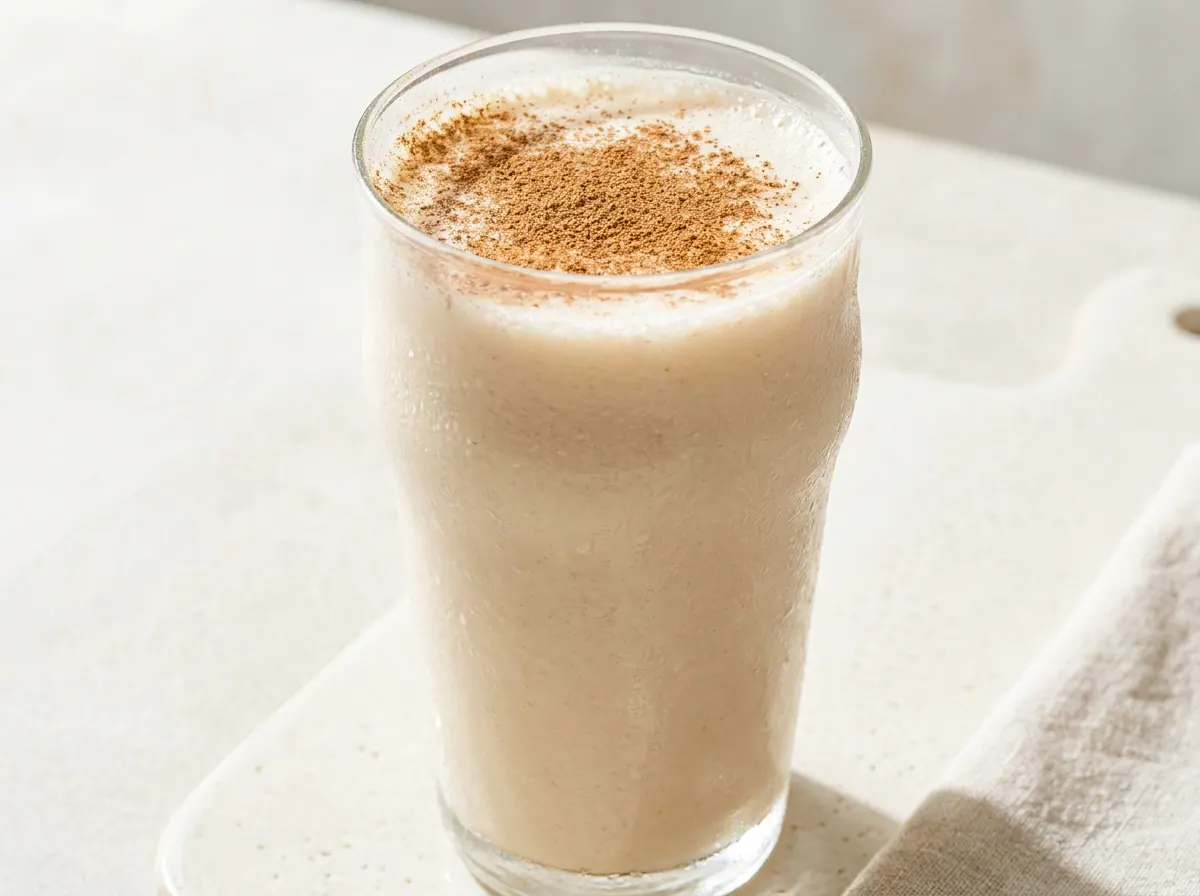
Whisk the mixture with a blender or a hand whisk for one minute until it is uniform and a light layer of foam forms on the surface.
Chill
Put the mixture in the fridge until fully cold, or pour it right away over ice cubes in the glasses.
Serve
Pour the ayran into glasses with ice, and garnish each glass with a fresh mint leaf. Serve it very cold so it is refreshing.
Blood Sugar Impact
The glycemic index (GI) measures how quickly a food raises blood sugar, while the glycemic load (GL) measures how much a full serving raises it. Together they give the complete picture.
Glycemic Index
GI
35Low
Low0–55Medium56–69High70+
A low value (≤55) means a gradual rise in blood sugar — the most suitable range for diabetes and insulin resistance.
Glycemic Load
GL
2Low
Low0–10Medium11–19High20+
Glycemic load reflects the impact of the full serving. To lower it: take half a serving, or pair the recipe with a source of protein and fiber.
Nutritional Information
Per ServingMakes 4 servings · one serving is about 190 g of raw ingredients
Calories76 kcal4%of Daily Value*
Protein5 g10%of Daily Value*
Carbohydrates6 g2%of Daily Value*
Fat4 g5%of Daily Value*
Fiber0 g0%of Daily Value*
Sodium252 mg11%of Daily Value*
Potassium194 mg4%of Daily Value*
Phosphorus119 mg10%of Daily Value*
* Percent Daily Values are based on a 2,000-calorie diet per FDA food-label reference values — your daily needs may be higher or lower. Values are derived from the recipe's ingredients via the USDA database.
Troubleshooting
The most common problems when preparing Ayran with Mint, and how to fix them:
The ayran is too thick
Add cold water gradually and whisk until you reach the texture you want.
The taste is too sour
Use fresh, non-sour yogurt, or add a splash of extra water to ease the acidity.
The foam disappears quickly
Whisk the ayran right before serving and serve it immediately, as the foam is part of its traditional presentation.
Storage and Make-Ahead
Fridge
Keeps in a sealed jug for up to two days, and whisk it again before serving as it separates.
Serving
Served very cold over ice for the best flavor.
Freezing
Not recommended for freezing because the yogurt's texture separates after thawing.
Tested Ingredient Substitutions
Original Ingredient
Tested Substitute
Ratio
Flavor Difference
Full-fat yogurt
Low-fat yogurt
1:1
Reduces fat and calories, with a slightly lighter texture.
Dried mint
Chopped fresh mint
same amount
Gives a more aromatic flavor; use about a chopped teaspoon.
Salt
Omit the salt
same amount
For those reducing sodium, it can be served without salt and with more mint.
How Much Does It Make? Scaling Guide
Ingredient
4 servings
2 servings
8 servings
Yogurt
500 g
250 g
1000 g
Water
250 ml
125 ml
500 ml
Salt
2 g
1 g
4 g
Dried mint
1 g
1/2 g
2 g
EEINA Nutrition Tip
Harvard T.H. Chan School of Public Health explains that fermented dairy products like yogurt are a good source of protein and calcium. Because it contains salt, people with high blood pressure are advised to reduce or omit the added salt.
Add This Recipe to Your Plan
The EEINA app saves your favorite recipes, calculates them from their real ingredients, and shows your daily numbers toward your goal. Try it free now.