
Pregnancy & Breastfeeding
Nutrition during pregnancy and breastfeeding is not "eating for two," but smarter choices for specific nutrients that build the fetus's body and protect the mother's health: iron, calcium, folate, protein, omega-3, and iodine. Along with what is added, there is what is avoided: raw foods, high-mercury fish, and excess caffeine.
We have collected here the recommendations of trusted authorities (WHO, NHS, NIH, and the Saudi Ministry of Health) in a simplified format. The golden rule remains above all: consult your doctor or nutritionist before any supplement or change; your condition and tests are the reference.
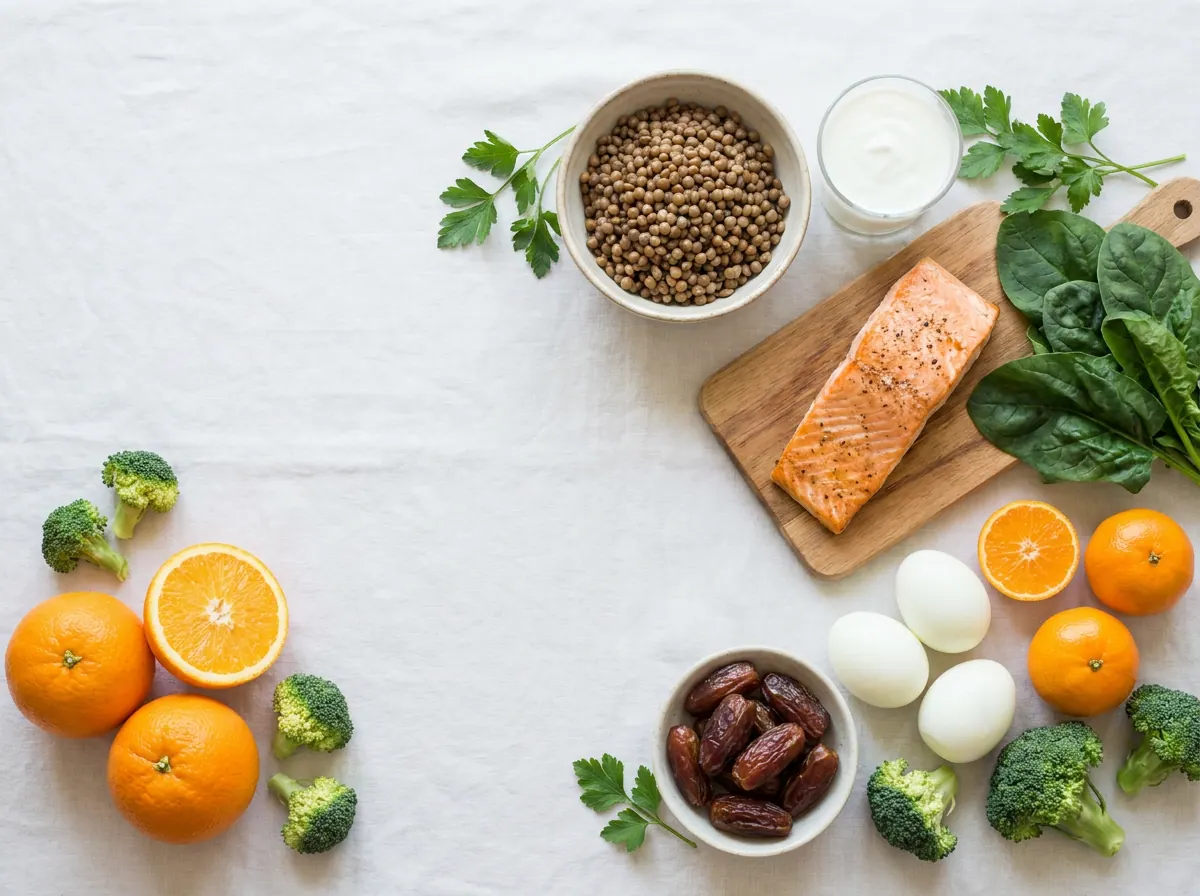
Evidence-Based Nutrition Guidance
Start folic acid before pregnancy and until the 12th week
The Saudi Ministry of Health and the US NIH recommend taking 400 mcg of folic acid daily, preferably starting three months before pregnancy and continuing until the 12th week, because the neural tube of the fetus closes within the first 28 days, before many women know they are pregnant. This reduces the risk of neural tube defects. Do not start any supplement without consulting your doctor, as some cases need a different dose determined by the doctor alone.
Official health authority recommendation — Strong evidenceIron prevents anemia, but with medical supervision
The WHO recommends a daily supplement combining iron (30 to 60 mg) with folic acid (400 mcg) as part of prenatal care, to reduce the risk of anemia, iron deficiency, and low birth weight. The Saudi Ministry of Health mentions about 30 mg of iron daily. Enhance this with food sources like lentils, legumes, and meat, with Vitamin C to improve absorption. The exact dose and type of supplement is a medical decision based on hemoglobin analysis.
WHO recommendation — Strong evidenceCalcium is important, and may prevent pre-eclampsia in cases of low intake
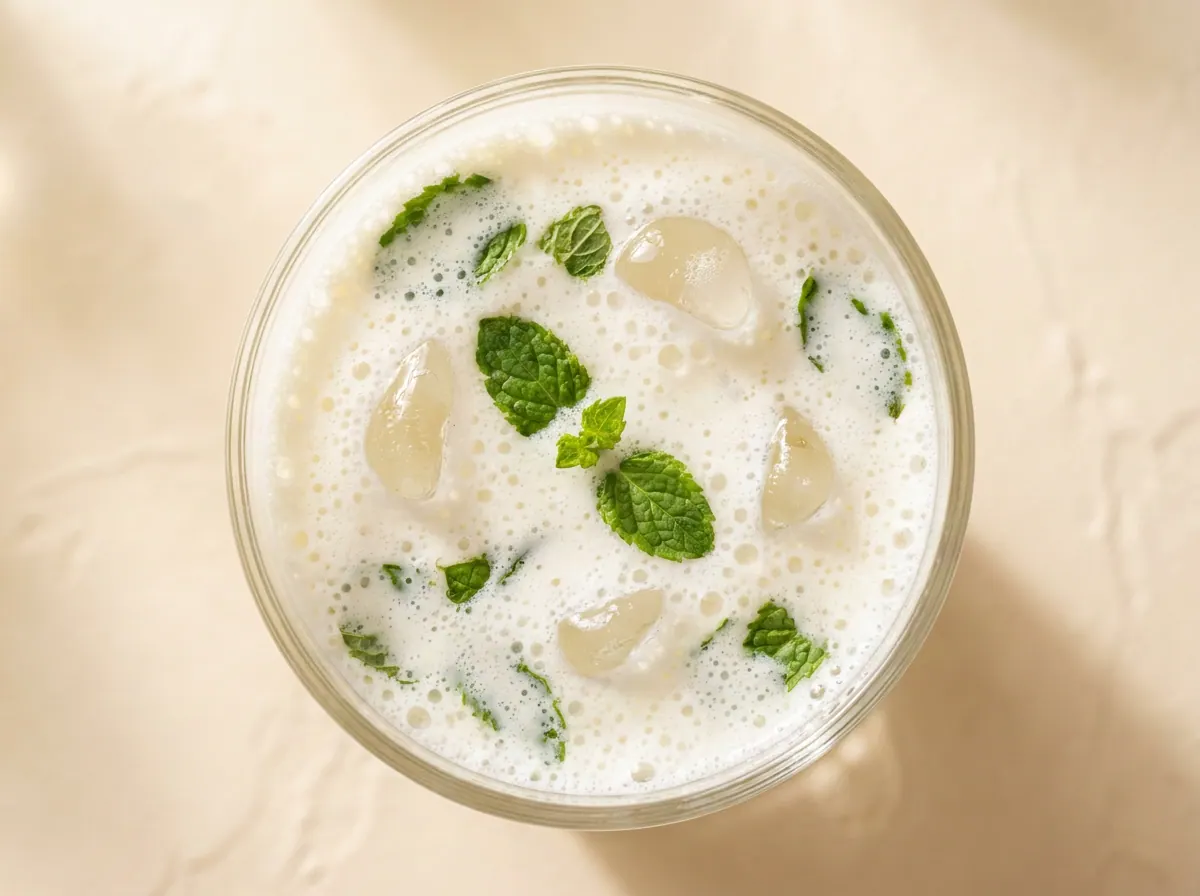
In communities with low dietary calcium intake, the WHO recommends a daily calcium supplement for pregnant women to reduce the risk of pre-eclampsia, in an amount determined by the doctor. Nutritionally, pasteurized milk, yogurt, laban, and tahini are excellent sources. Do not take a calcium supplement on your own, and do not combine it randomly with iron as it reduces its absorption; organize this with your doctor or nutritionist.
WHO recommendation — Strong evidenceOmega-3 and Iodine for fetal brain development
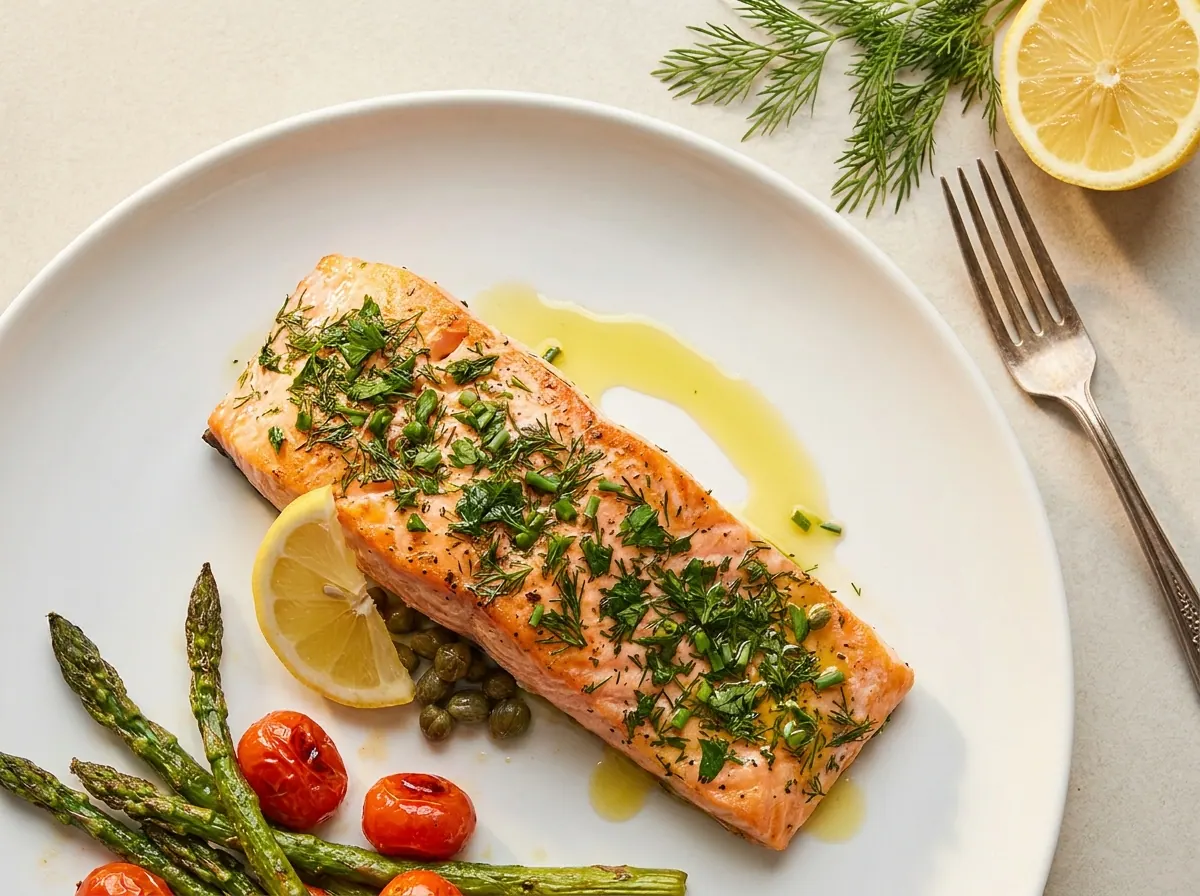
The American College of Obstetricians and Gynecologists and the FDA recommend eating two to three servings of low-mercury fish per week (about 200 to 300 mg of Omega-3 daily) such as salmon, to support fetal neurodevelopment. Iodine needs increase during pregnancy and breastfeeding (about 250 mcg daily according to references) because it is essential for thyroid hormones and brain development. Consult your doctor about iodine supplements or pregnancy vitamins suitable for you.
Professional society recommendation and scientific review — Moderate to Strong evidenceProtein builds fetal tissues and the placenta
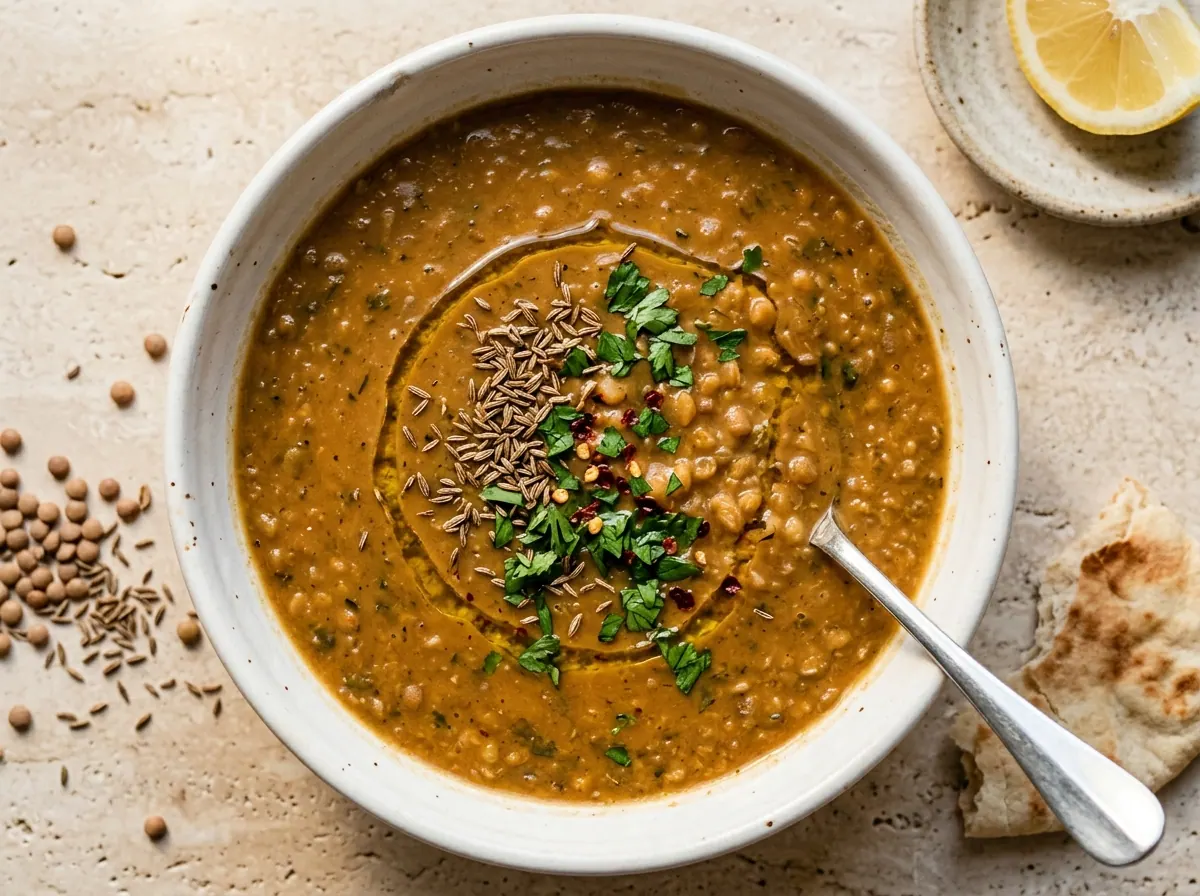
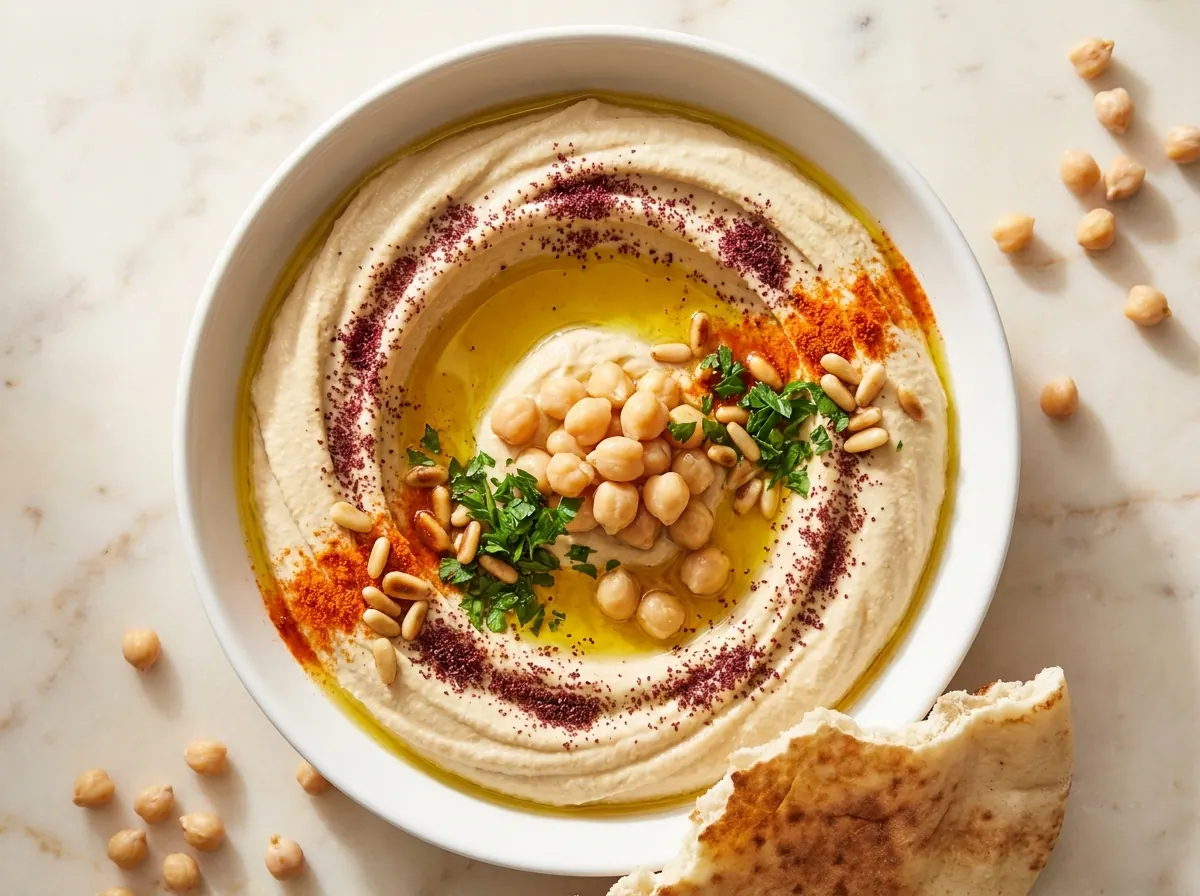
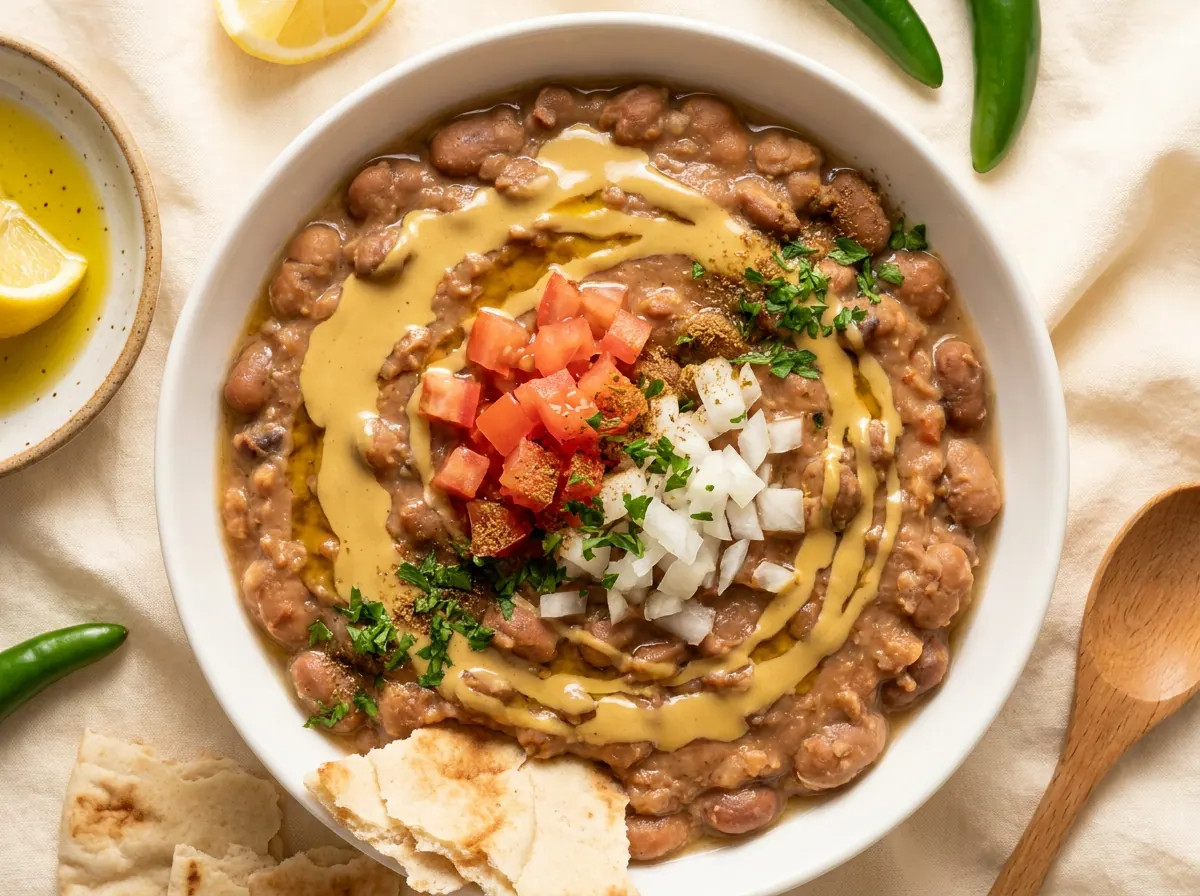
The body's need for protein increases during pregnancy and breastfeeding to build fetal tissues, the placenta, and increase blood volume. Distribute it over various sources: legumes (lentils, beans, chickpeas), well-cooked eggs, fully cooked poultry and meat, low-mercury fish, and pasteurized dairy products. Combining legumes and grains, like beans with bread, gives a complete protein. For any precise quantitative plan, consult a nutritionist.
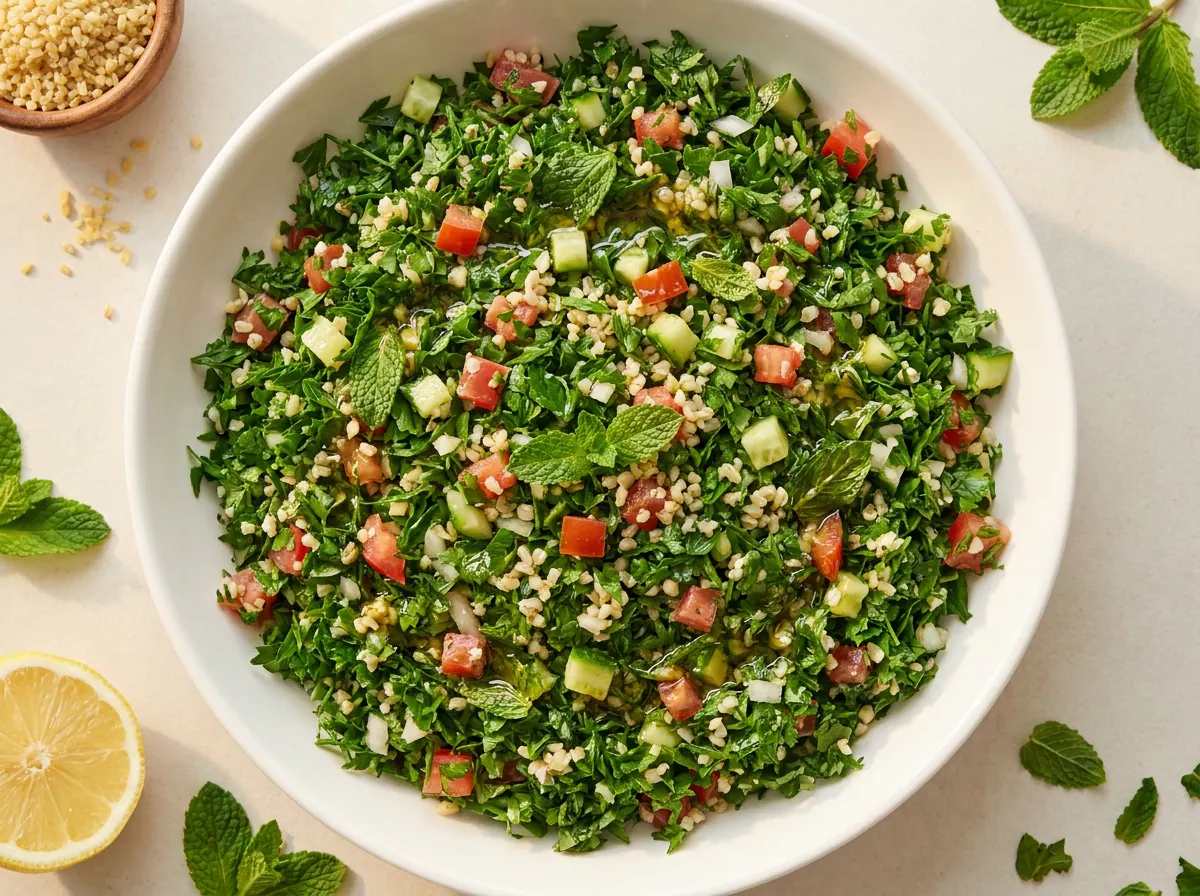
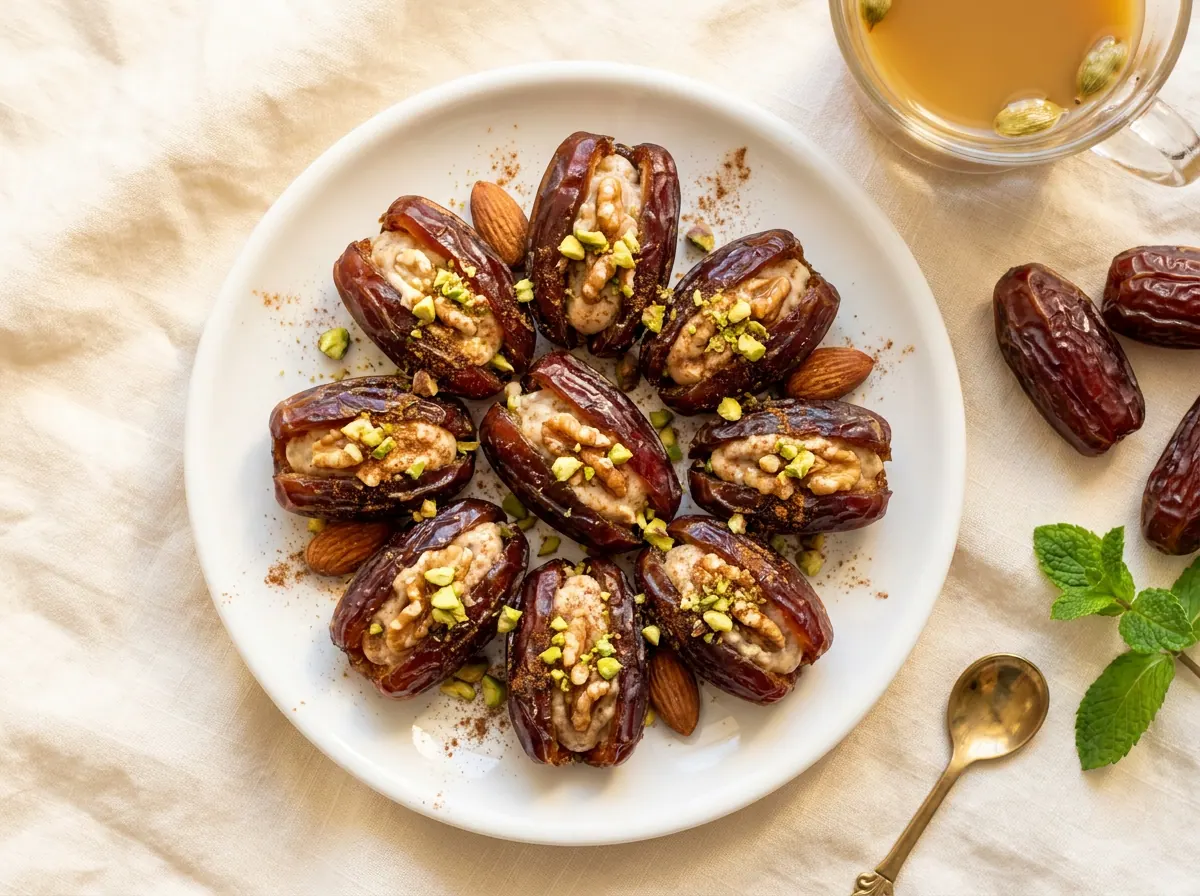
General supported nutritional guidance — Moderate evidenceRecipes suitable for pregnancy and breastfeeding
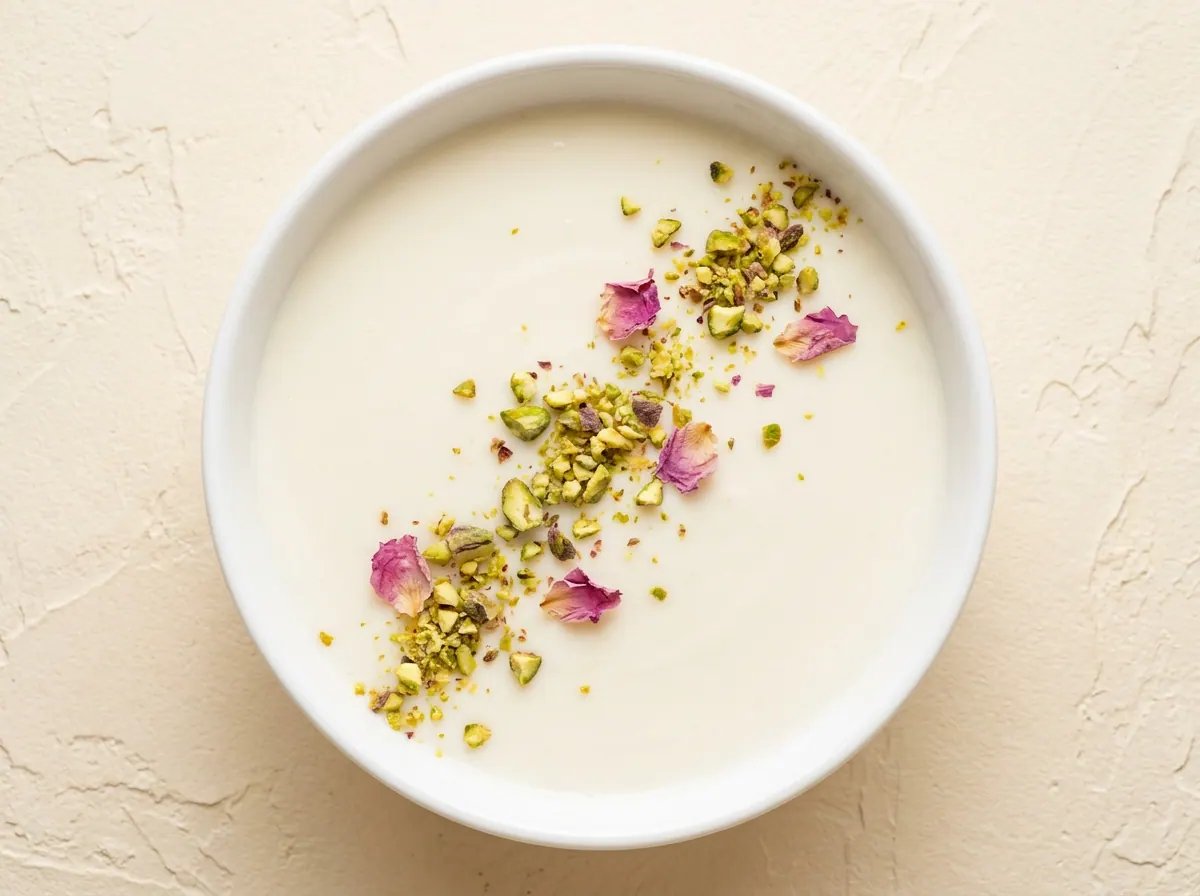
Food Safety Warning
Food safety during pregnancy is as important as what you eat. According to the NHS: avoid raw or undercooked meat, fish, and eggs (risk of listeria and salmonella). Refrain from high-mercury fish (shark, swordfish, king mackerel), and limit tuna. Do not eat too much liver and its products because they are very rich in Vitamin A which may harm the fetus; therefore, we did not include the liver recipe here despite its richness in iron. Avoid soft blue-veined cheeses and those made from unpasteurized milk, and pâté. Be sure to wash vegetables and fruits. As for caffeine, do not exceed 200 mg per day (about two cups of coffee). General notice: these are educational guidelines and do not substitute for a doctor, and we do not provide drug doses. Consult your doctor or nutritionist before any supplement or change, especially with any health condition like gestational diabetes, blood pressure, allergy, or high-risk pregnancy.
Approved References
- WHODaily iron and folic acid supplementation during pregnancy
- WHOCalcium supplementation during pregnancy for the prevention of pre-eclampsia
- WHOPre-eclampsia and eclampsia
- NHSFoods to avoid in pregnancy
- NIHFolate (Consumer)
- NIHDietary Supplements in Life Stages: Pregnancy
- MOH Saudi ArabiaNutrition of the pregnant woman
- MOH Saudi ArabiaHealthy Pregnancy (File)
Your pregnancy and breastfeeding nutrition plan in Eeina app
Subscribe to the Eeina app to design a plan rich in iron, calcium, and folate that suits your stage, and receive your recipes daily. Your doctor remains the reference before any change.
Start for free Or continue browsing recipesStart your pregnancy nutrition plan for free
Start for free