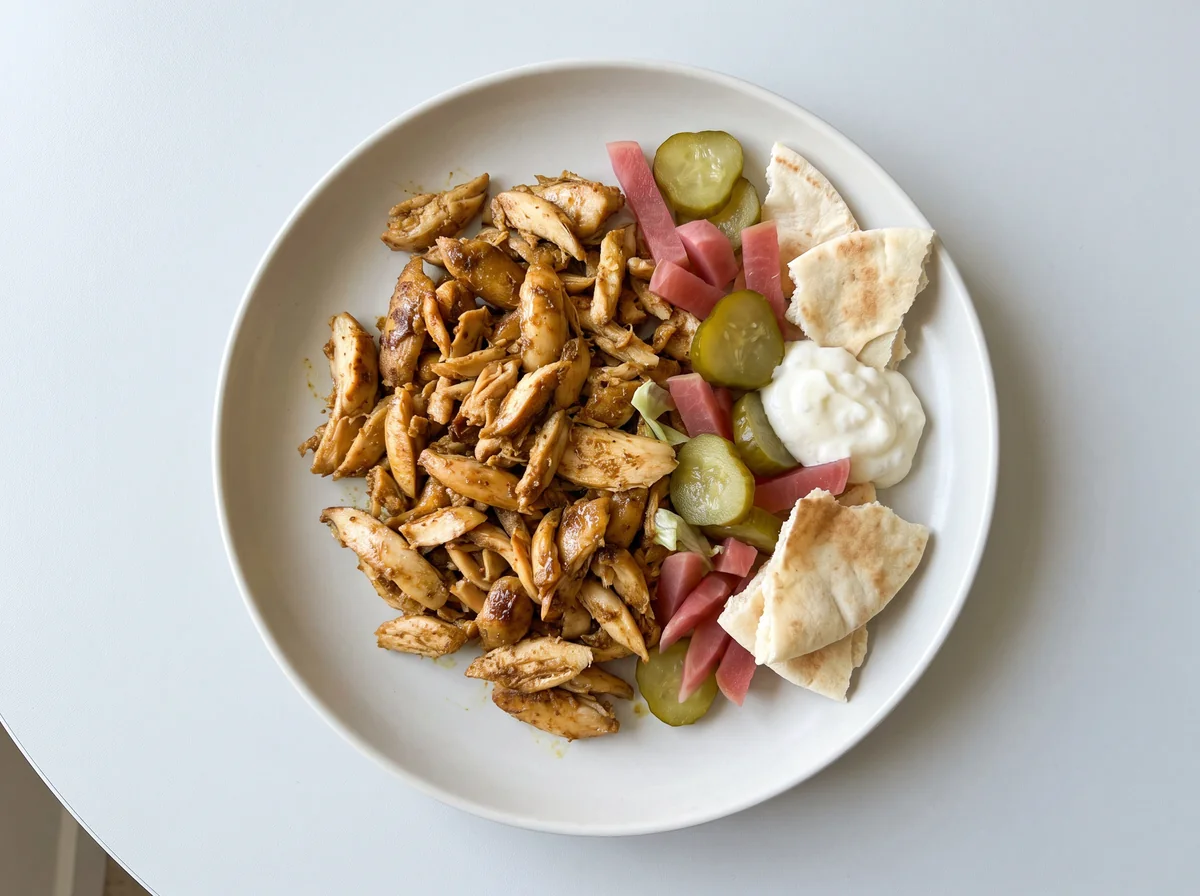
Homemade chicken shawarma seasoned with tomato paste, chili, red vinegar, and lemon juice, soaked overnight then roasted in the oven until cooked. It is served with Arab bread and garlic sauce or mixed vegetables as a family lunch.
Homemade chicken shawarma started in Levantine restaurants in the 1980s when the price of chicken dropped in the local market.
It stood out for the speed of its seasoning through long soaking, and home cooking began to imitate it. The 'Abu Shawarma' spices are a secret mix for each shop, but the base is one: coriander, cumin, paprika, cardamom, cinnamon, and red pepper.
Preparation Steps
Prepare the seasoning mixture
In a large bowl, mix the tomato paste, the chili paste, the red vinegar, and the sour lemon juice. Stir until the mixture is smooth and becomes a uniform red color. Add the spices and stir gently.
Add the water
Pour the water into the bowl and stir until the tomato paste dissolves fully and the mixture is smooth. The texture should be liquid that coats the chicken slices.
Season the chicken
Place the chicken slices in the seasoning mixture, and turn them with our hands until they are coated on all sides. Close the bowl tightly with plastic wrap.
Chill overnight
Place the bowl in the fridge for a full 24 hours. This step is essential so the chicken absorbs all the flavors and the pieces become tender. Do not reduce it below 12 hours.
Roast the chicken
Take the chicken out of the fridge 30 minutes before cooking. Arrange the slices in an oven tray lined with parchment paper. Place it in a preheated oven at 200° for 20 minutes, until it cooks and a light crust forms on the edges.
Serve
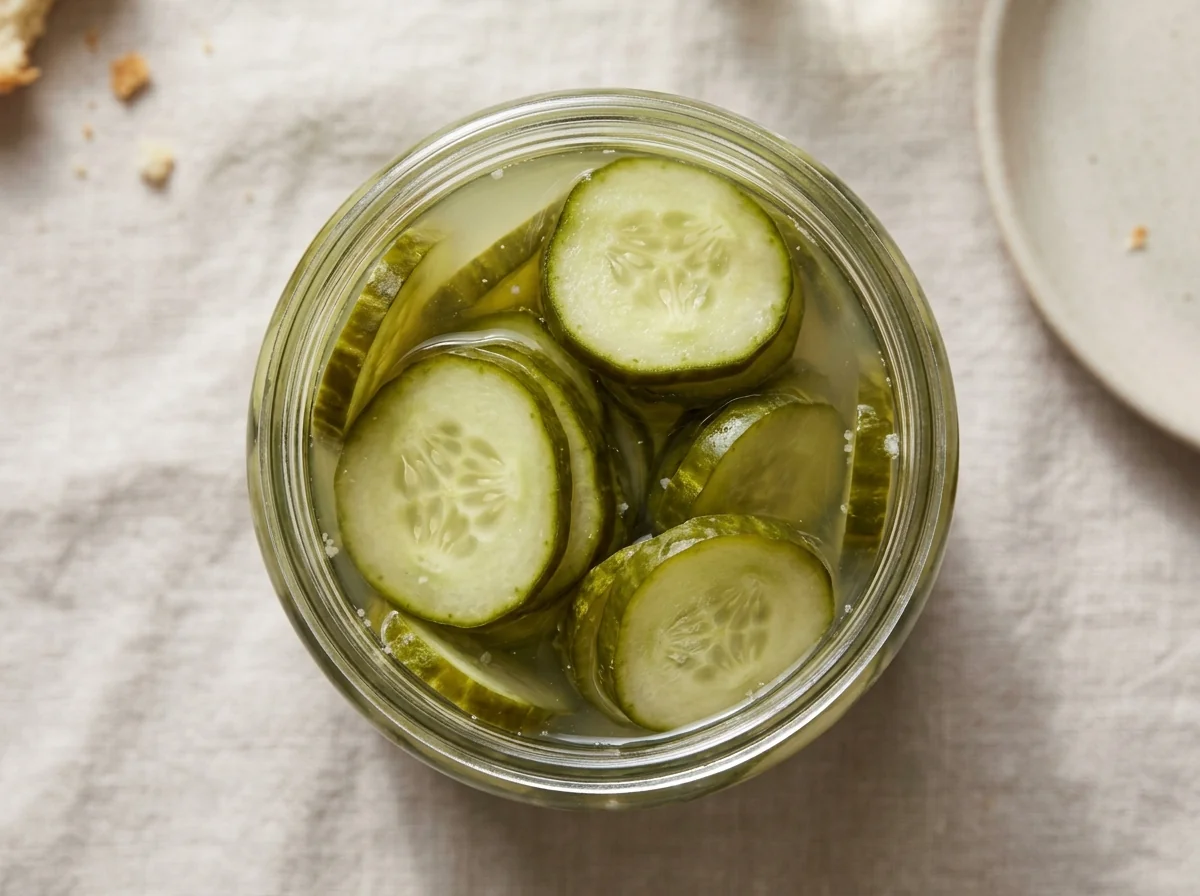
Take the shawarma out of the oven and let it rest 5 minutes. Serve it with Arab bread or shrak bread, garlic sauce, chopped parsley, and onion, tomato, and pickled cucumber slices.
Blood Sugar Impact
The glycemic index (GI) measures how quickly a food raises blood sugar, while the glycemic load (GL) measures how much a full serving raises it. Together they give the complete picture.
Glycemic Index
GI
24Low
Low0–55Medium56–69High70+
A low value (≤55) means a gradual rise in blood sugar — the most suitable range for diabetes and insulin resistance.
Glycemic Load
GL
1Low
Low0–10Medium11–19High20+
Glycemic load reflects the impact of the full serving. To lower it: take half a serving, or pair the recipe with a source of protein and fiber.
Nutritional Information
Per ServingMakes 4 servings · one serving is about 405 g of raw ingredients
Calories506 kcal25%of Daily Value*
Protein63 g126%of Daily Value*
Carbohydrates5 g2%of Daily Value*
Fat23 g29%of Daily Value*
Fiber1 g4%of Daily Value*
Sodium245 mg11%of Daily Value*
* Percent Daily Values are based on a 2,000-calorie diet per FDA food-label reference values — your daily needs may be higher or lower. Values are derived from the recipe's ingredients via the USDA database.
Troubleshooting
The most common problems when preparing Seasoned Chicken Shawarma, and how to fix them:
The chicken is dry after the oven
Cover the tray with aluminum foil in the first half of cooking, and uncover it in the second half to brown.
The flavor is light
Double the spices in the seasoning, and leave the chicken in the fridge for 36 hours, not 24.
Storage and Make-Ahead
Raw seasoned chicken
Stays 24-36 hours in the fridge. It can be frozen in the seasoning for a month, and cooked directly from the freezer with 15 extra minutes.
Cooked chicken
Kept in the fridge for 3 days, and reheated in a pan with a tablespoon of water.
Tested Ingredient Substitutions
Original Ingredient
Tested Substitute
Ratio
Flavor Difference
Red vinegar
Apple vinegar or lemon juice
1:1
A slightly different result, but the acidity is enough.
Chili paste
Red chili powder
1:1
Less heat and more spread in the flavor.
EEINA Nutrition Tip
The 24-hour seasoning is the secret of the deep flavor. For a shortcut: only 4 hours will give an acceptable result. Red vinegar gives tenderness and a better texture than white vinegar, because it contains grape residues.
Add This Recipe to Your Plan
The EEINA app saves your favorite recipes, calculates them from their real ingredients, and shows your daily numbers toward your goal. Try it free now.
A mix of coriander, cumin, paprika, cardamom, cinnamon, sweet red pepper, turmeric, ginger. Sold ready in spice shops under the name 'Abu Shawarma' or 'shawarma spices'.
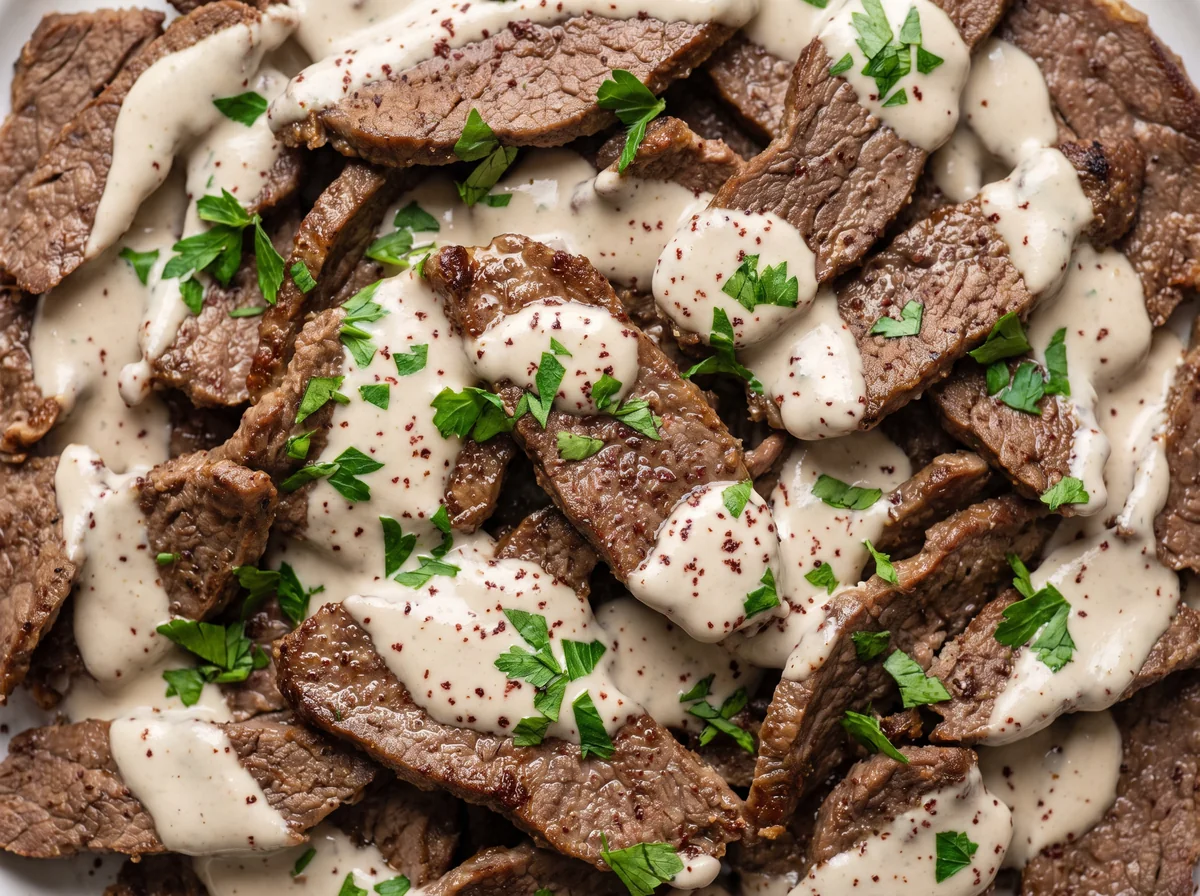
Can beef be used instead of chicken?
Yes, beef slices accept the same seasoning, but they need 48 hours of seasoning and more water.
How do we roast it without an oven?
In a grill pan or on a hot saj with a spray of oil. Turn it every two minutes until it cooks.
Sources: USDA · University of Sydney · Our methodology · Updated on