Visual Warmth & Carotenoid Power

Paprika

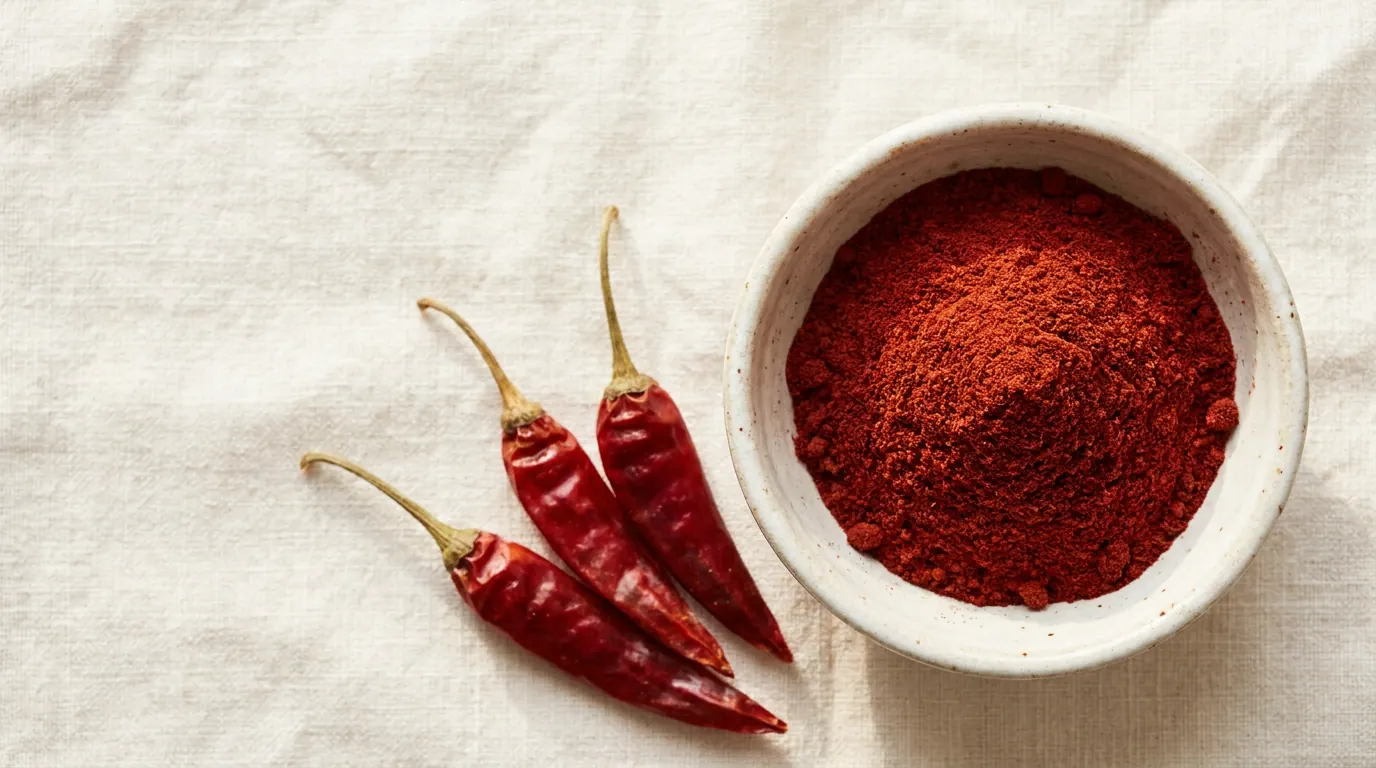
Paprika is a ground spice made from dried red peppers (Capsicum annuum). Known for its vibrant crimson color and mild, sweet flavor, it provides a warm depth to dishes without the intense heat of chili peppers. It is an exceptional source of Capsanthin, a unique antioxidant that gives the spice its color and provides significant health benefits.

Paprika
19%Vit A DV per tbsp
8 min read Updated 2026-05-28 Reviewed SFDA
MH
Dr. Mona Al-Harbi
SFDA-licensed Clinical Dietitian — medically reviewed this content.
SFDA Licensed12 years experience
Medical Disclaimer: The following content is a general educational reference based on peer-reviewed studies and classical medical heritage. It does not substitute professional medical advice. If you have a health condition, take chronic medications, or are pregnant or breastfeeding, consult your doctor before following any dietary recommendation.

Ingredient Profile

Scientific name
Capsicum annuum
Active compound
Capsanthin & Capsorubin (Carotenoids)
Sweet Paprika
Standard mild variety, best for general use
Smoked Paprika
Dried over oak wood for deep smoky flavor
Culinary use
Chicken marinades, stews, hummus garnish
Key benefit
Rich in Vitamin A and supports eye health
Storage
Cool, dark place; use within 6–12 months

What Is Paprika?

Paprika is made by air-drying and then grinding sweet red peppers into a fine powder. Depending on the variety of pepper and the drying method, the flavor can range from fruity and sweet to intensely smoky. In Saudi kitchens, paprika is the secret to the beautiful red lacquer on Grilled Chicken and is a standard ingredient in "Tikka" and "BBQ" spice blends.

Unlike cayenne or chili powder, sweet paprika has a very low capsaicin content. This makes it an ideal "visual" spice, allowing cooks to add a deep red hue to rice, meats, and dips like Hummus and Mutabbal without making the dish spicy.

Paprika Science — Health Benefits

Eye Health
Lutein & Zeaxanthin

Paprika contains lutein and zeaxanthin, two carotenoids that concentrate in the retina of the eye. They help filter harmful high-energy blue light and are linked to a lower risk of cataracts and age-related macular degeneration.

Immune Function
Vitamin A Powerhouse

One tablespoon of paprika provides nearly 20% of your daily Vitamin A needs. This vitamin is essential for maintaining the health of your mucus membranes, which are the body's first line of defense against pathogens.

Cholesterol Support
Capsanthin research

The red pigment, capsanthin, has shown potential in clinical trials to increase "good" HDL cholesterol levels. While more research is needed on dietary doses, it remains a heart-healthy addition to spice cabinets.

Skin Protection
Beta-carotene source

Rich in beta-carotene, which the body converts to Vitamin A (retinol), paprika helps maintain healthy skin cells and supports the repair of tissue damaged by UV exposure and aging.

The Fat-Solubility Rule

The carotenoids in paprika are fat-soluble. To get the maximum nutritional benefit and to release the full color and flavor, always mix paprika with a fat (like olive oil or ghee) before adding it to your dish.
Kitchen Uses in Saudi & Gulf Cooking

Grilled Chicken Rub1 tbsp
Mix paprika with olive oil, garlic, and lemon juice. This creates a deep red paste that gives grilled or roasted chicken a professional, rotisserie-style finish.
Hummus Garnish1 pinch
A standard topping for Hummus and Mutabbal. It provides a visual contrast and a very mild earthy flavor that complements the creamy tahini.
Smoky Marinades1 tsp
Use Smoked Paprika in marinades for lamb or beef. It mimics the flavor of charcoal grilling, even if the meat is cooked in a standard oven.
Red Rice & Stews1 tbsp
Add to tomato-based stews (Margah) or Bukhari rice. Paprika deepens the red color of the tomato paste and adds a subtle fruity sweetness.

Frequently Asked Questions

Is paprika spicy?
Most paprika sold in supermarkets is Sweet Paprika, which has almost zero heat. If you want heat, look for "Hot Paprika" or "Hungarian Spicy Paprika," but even then, it is generally much milder than chili powder or cayenne.
Can I swap Sweet and Smoked paprika?
Be careful. Smoked paprika has a very strong, dominant flavor. Using it in a delicate dish that calls for sweet paprika can overwhelm the other flavors. If you must swap, use half the amount of smoked.
How long does paprika stay fresh?
Paprika is sensitive to light. It will lose its bright red color and flavor within 6–12 months. Store it in an airtight tin or dark glass jar in a cupboard away from the heat of the stove.