Golden Spice & Curcumin Science

Turmeric

Turmeric — Curcuma longa — has been used in Ayurvedic medicine for over 4,000 years. Its active compound curcumin is one of the most studied plant compounds in modern science, with over 13,000 published papers. The challenge: curcumin is poorly absorbed alone. Add black pepper and fat, and absorption rises by up to 2,000%.

13,000+Published studies
8 min read Updated 2026-05-28 Reviewed SFDA
MH
Dr. Mona Al-Harbi
SFDA-licensed Clinical Dietitian — medically reviewed this content.
SFDA Licensed12 years experience
Medical Disclaimer: The following content is a general educational reference based on peer-reviewed studies and classical medical heritage. It does not substitute professional medical advice. If you have a health condition, take chronic medications, or are pregnant or breastfeeding, consult your doctor before following any dietary recommendation.

Ingredient Profile

Scientific name
Curcuma longa, family Zingiberaceae
Active compound
Curcumin — 3–5% of dry powder weight
Origin
South Asia (India, Bangladesh)
Top producer
India 75% of world supply
Saudi culinary use
Kabsa bzar, rice seasoning, golden milk
Key synergy
Black pepper + fat = maximum absorption
Safe daily dose
½–1 tsp ground (1–3 g/day)

What Is Turmeric?

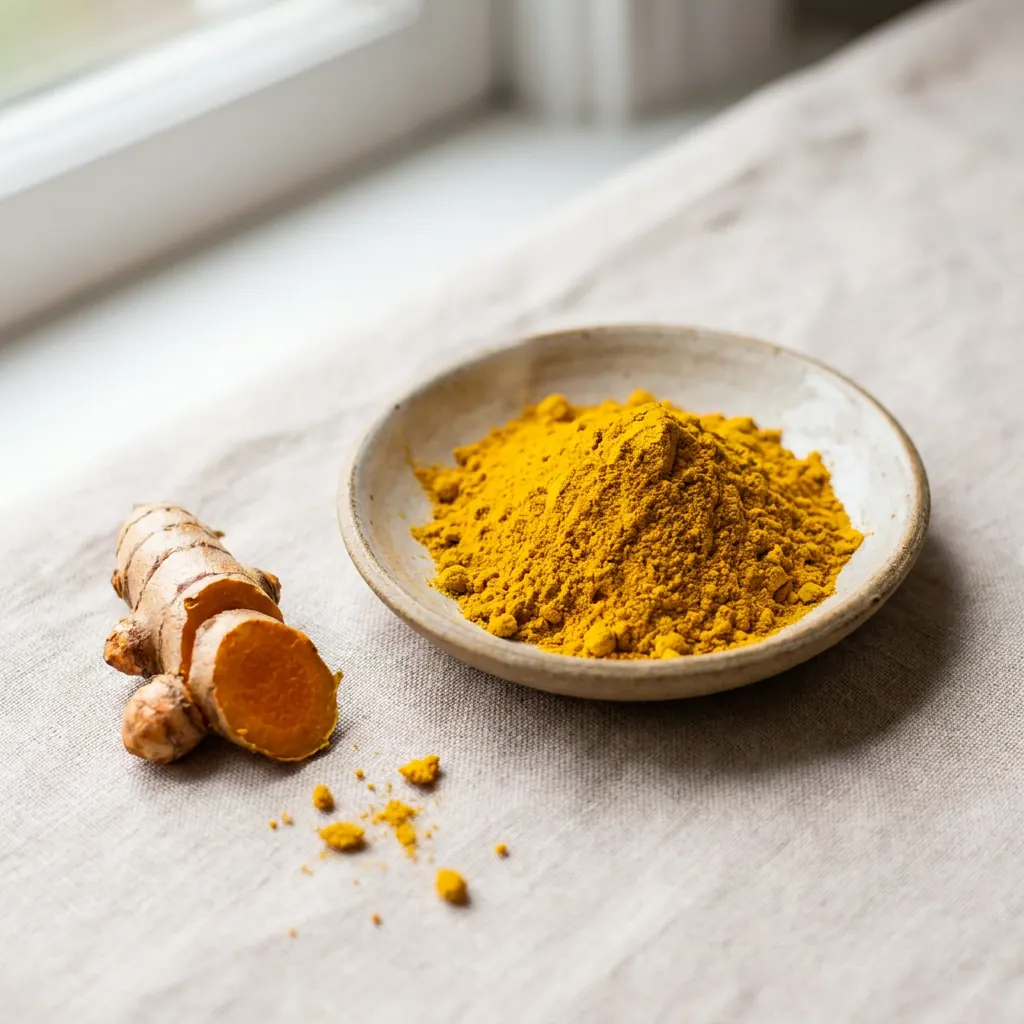
Turmeric is a rhizome (underground stem) of the plant Curcuma longa, in the ginger family. It is harvested, boiled, dried, and ground into the bright orange-yellow powder found in every Saudi kitchen and supermarket. Its color comes from curcuminoids — the most important being curcumin, which makes up 3–5% of dry turmeric powder.

India produces 75% of global turmeric and consumes 80% of its own production. The remaining supply goes to Southeast Asia, the Middle East, and increasingly Western health markets, where turmeric supplements are now a multi-billion-dollar industry.

Curcumin Science — What the Research Says

Anti-Inflammatory
Strong pre-clinical evidence

Curcumin inhibits NF-κB and COX-2 — two central inflammatory pathways. Multiple meta-analyses of human trials show benefits for joint pain (osteoarthritis), with effects comparable to some NSAIDs in select studies, without stomach side effects.

Antioxidant
Well established

Curcumin neutralizes free radicals directly and stimulates the body's own antioxidant enzymes (superoxide dismutase, catalase). This dual mechanism makes it among the most potent dietary antioxidants studied.

Brain & Mood
Emerging research

Curcumin crosses the blood-brain barrier and may increase BDNF (brain-derived neurotrophic factor). Early trials suggest modest benefits for depression when combined with antidepressant therapy. Not a standalone treatment.

Blood Sugar
Promising pilot data

Several small RCTs show curcumin supplementation reduced fasting glucose and HbA1c in type 2 diabetes patients. Mechanism: improves insulin sensitivity. More large-scale trials needed to confirm dose and duration.

The Bioavailability Problem

Curcumin alone is poorly absorbed — most is eliminated before entering the bloodstream. The solution: ¼ tsp black pepper + 1 tsp turmeric + fat (olive oil or milk). The piperine in pepper raises curcumin blood levels by 2,000% (Shoba 1998). Skip the pepper and fat, and you get a fraction of the benefit.
Kitchen Uses in Saudi & Gulf Cooking

Kabsa Bzar1 tsp
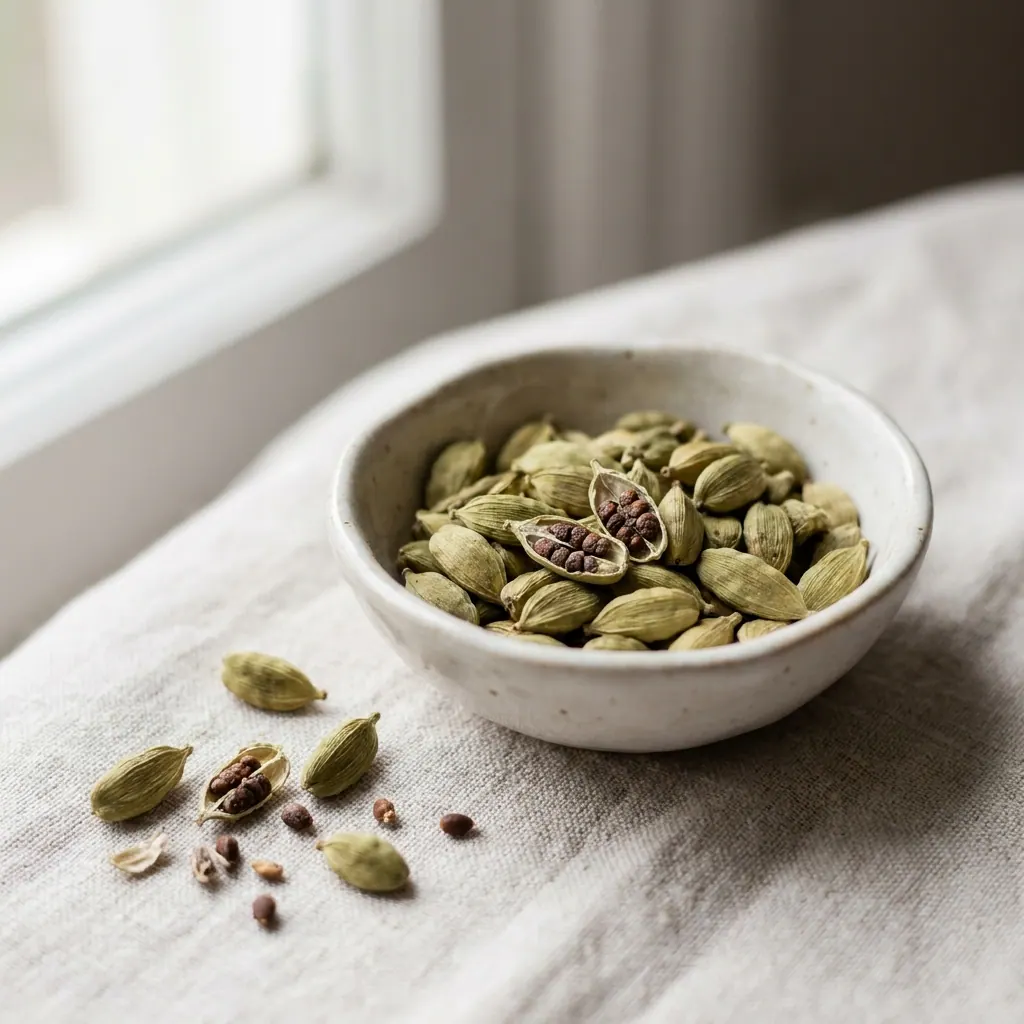
One teaspoon of turmeric in the nine-spice bzar blend adds color and earthy warmth. Its mild bitterness is balanced by cardamom and cinnamon.
Rice Coloring½ tsp
Added to the cooking water for rice — produces a beautiful golden color without overpowering flavor. Common in Saudi and Gulf rice dishes.
Golden Milk1 tsp
1 tsp turmeric + ¼ tsp black pepper + 1 tsp olive oil + 1 cup warm milk. Drink 3–5 evenings per week for maximum curcumin effect.
Chicken Marinade1 tsp
Turmeric in a yogurt marinade for grilled or baked chicken. Adds color, mild flavor, and tenderizes the meat.

Frequently Asked Questions

How much turmeric should I use daily?
½ to 1 teaspoon of ground turmeric daily (1–3 grams) is safe and effective for dietary use. Curcumin supplements (500–1,000 mg/day) are used clinically but should be confirmed with a doctor, especially with blood thinners.
Does cooking destroy curcumin?
Brief cooking (boiling, sautéing) does not destroy curcumin significantly. Extended high-heat (over 180°C for more than 15 minutes) may degrade some compounds. Adding turmeric at the end of cooking preserves more active compounds.
Can turmeric stain teeth?
Yes — curcumin binds to enamel. Rinsing your mouth after consuming golden milk reduces staining. The stain is superficial and removed with normal dental brushing within days.