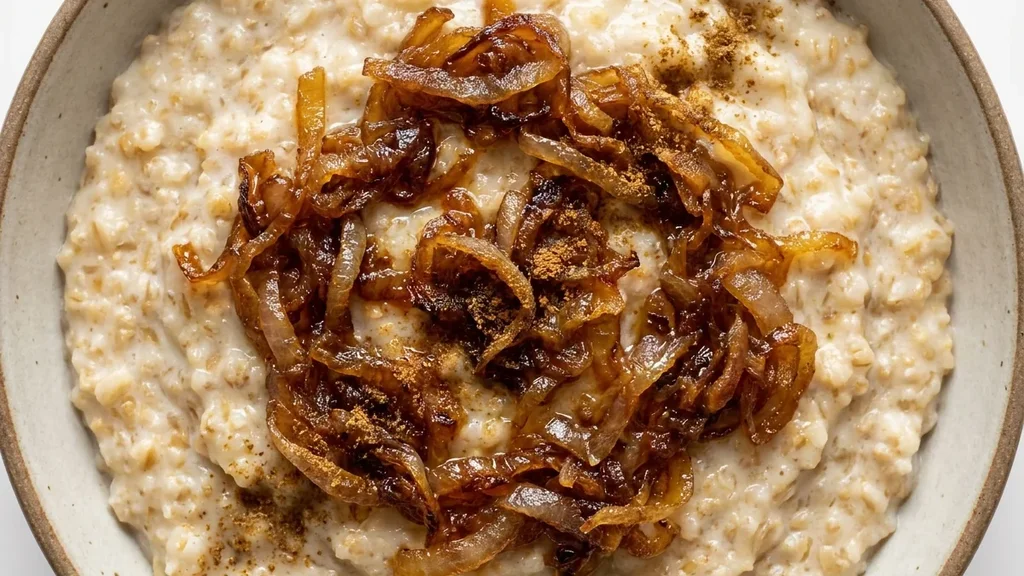
Nutritional Profile — per 100 g dry (typical whole-wheat values*)
- Calories
- ~340 kcal (a cooked, water-swollen cup is far less dense)
- Carbohydrates
- ~72 g
- Dietary fiber
- ~11 g — the whole bran, present and working
- Protein
- ~12 g (lysine-limited; the traditional laban completes it)
- Minerals & B vitamins
- manganese, selenium, magnesium, phosphorus — the germ-and-bran dowry
- Gluten
- fully present — see the celiac warning
- Glycemic index
- not directly measured — we don't invent a number; bulgur (~48, low) is its nearest measured kin
*No USDA entry exists under "jareesh"; values are typical for cracked whole wheat, which jareesh is. The finished dish shifts with its laban, meat and ghee.
The Wheat-Pot Family — Four Names, One Decisive Step
Markets and recipes confuse four wheats; one processing step separates them all:
Whole wheat crushed uncooked, coarse or fine. Needs soaking and a long, gentle simmer — and rewards you with the collapsed, creamy body bulgur can never reach. SAR 6–14/kg by grind and brand.
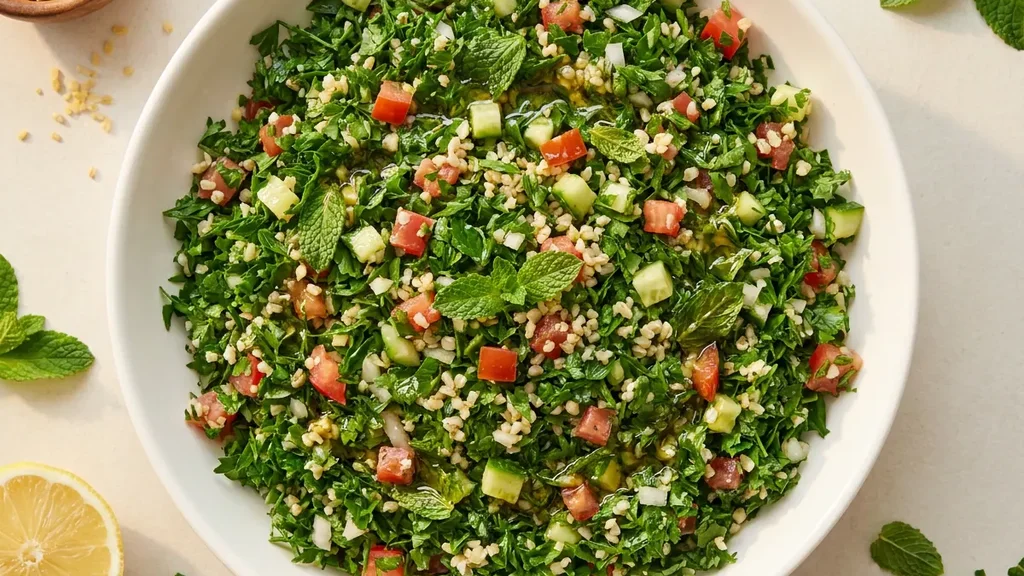
Half-cooked at the factory: ready in minutes as separate grains. Tabbouleh's wheat, with a full page of its own here — never a jareesh substitute: the swap ruins both dishes' textures.
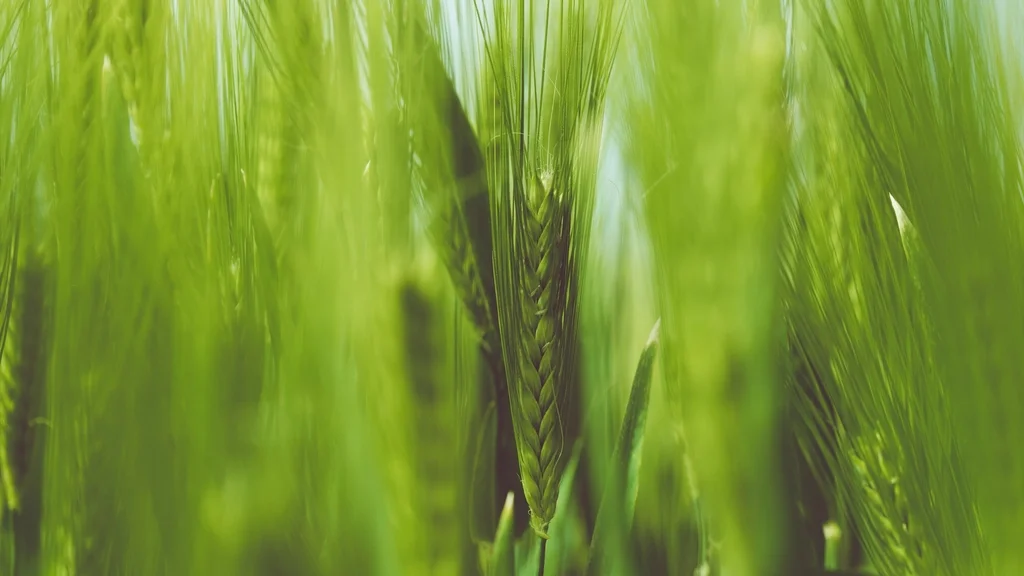
Harvested green and roasted over flame for its smoky voice — the Levant's counterpart craft, with its own page here. Different harvest, different fire, different dish.
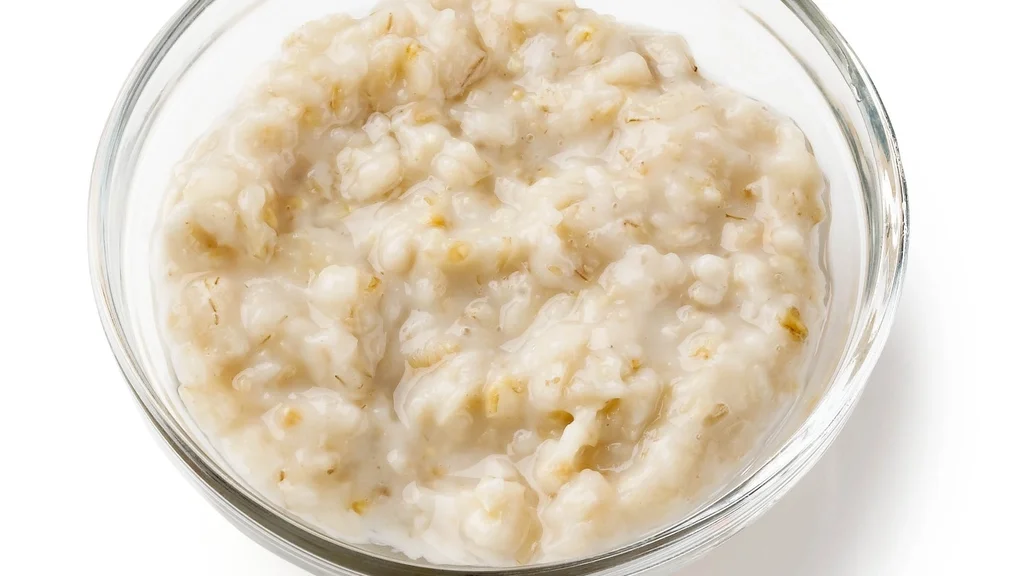
Hulled wheat left whole, cooked for hours with meat then mashed to total silk — the famous Gulf harees. Jareesh is crushed before the pot; harees is crushed by it. Neighbors, not twins.
Nutrition Science — Honest Numbers, Whole-Grain Credentials
Where the data is strong we cite it; where it is absent we say so:
- Whole-grain membership, documented: the major systematic review of whole grains (Aune et al., BMJ 2016 — 45 studies) linked regular intake to meaningfully lower cardiovascular and overall risk. Jareesh is a full member: bran and germ intact, merely cracked
- The glycemic question, answered honestly: no direct GI measurement for jareesh exists in the international databases, so this page carries no invented number. Its frame: a whole grain with ~11 g fiber per 100 g dry, coarse particles digesting slower than fine flour, its nearest measured kin bulgur at ~48 (low), and its traditional laban adding meal-slowing protein. Portion control plus your own glucose response is the practical rule
- The laban completion: wheat protein is lysine-limited; laban (yogurt) is lysine-rich — the traditional Najdi bowl completed its amino acids centuries before the term existed, the same wisdom our mujadara pages document
Pure wheat means gluten in full. Celiac disease and wheat allergy exclude jareesh entirely — "traditional and natural" grants no exemption. The same absolute warning as our bulgur and freekeh pages.
Jareesh itself is a fiber-rich whole grain; the calorie weight comes from generous ghee and fatty meat. With low-fat laban and measured ghee — as EEINA's recipes do — it is a respectable, satisfying diet dish.
Family Kitchen Uses
Cook once, feed the week: jareesh improves overnight as its flavors marry, holds 3–4 days refrigerated, and revives with a splash of water or laban over gentle heat. Store the raw grain airtight in a cool cupboard — and refrigerate or freeze for long months, since whole-grain germ oils slowly turn rancid in heat. A thick layer of flour dust at the bag's bottom means an old grind; clean, uniform golden cracks mean a fresh one.