Ruby Brew & Hypertension Science

Hibiscus (Karkade)

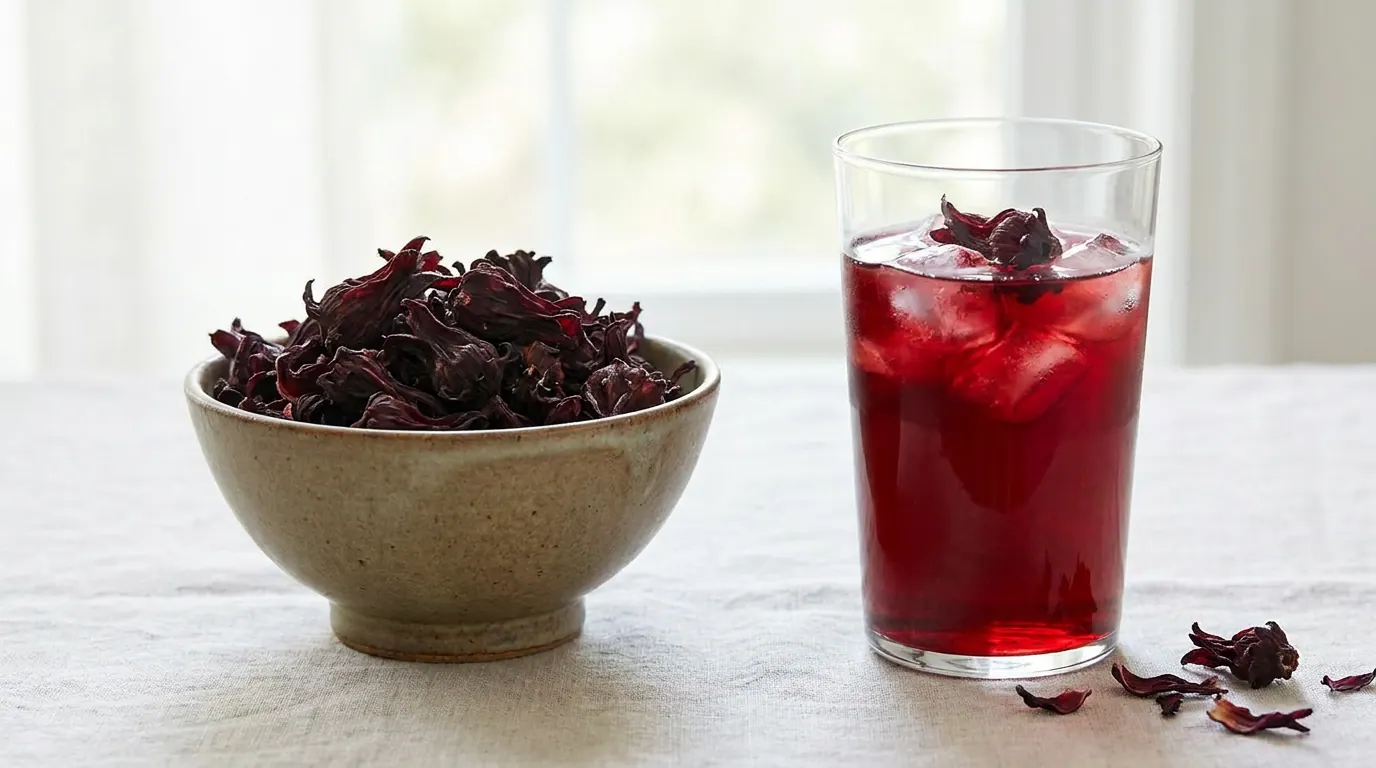
Hibiscus—Hibiscus sabdariffa—is a botanical treasure with a deep ruby hue and a tart, cranberry-like flavor. Known in the Arab world as Karkade, it is not actually the flower petal but the fleshy, dried calyx of the plant. A staple of Saudi Ramadan tables and Sudanese hospitality, it is now one of the most studied herbal infusions for its ability to naturally lower blood pressure.

Hibiscus
7.5 mmHgAvg. systolic drop in trials
8 min read Updated 2026-05-28 Reviewed SFDA
MH
Dr. Mona Al-Harbi
SFDA-licensed Clinical Dietitian — medically reviewed this content.
SFDA Licensed12 years experience
Medical Disclaimer: The following content is a general educational reference based on peer-reviewed studies and classical medical heritage. It does not substitute professional medical advice. If you have a health condition, take chronic medications, or are pregnant or breastfeeding, consult your doctor before following any dietary recommendation.

Ingredient Profile

Scientific name
Hibiscus sabdariffa, family Malvaceae
Active compounds
Anthocyanins, Citric & Hibiscic acids
Origin
West Africa / Sudan
Top producer
Sudan, Egypt, Nigeria, Mexico
Saudi culinary use
Cold Ramadan brew (Hejaz), herbal tea
Key benefit
Anti-hypertensive & high Vitamin C
Preparation
Cold steep (8 hours) or hot brew (10 mins)

What Is Hibiscus (Karkade)?

Hibiscus tea is made from the dried, trumpet-shaped calyces of the Roselle plant. After the flower petals fall off, the calyces enlarge into fleshy, bright red cups that protect the seeds. These are harvested and dried to create the ruby-red "leaves" found in Saudi spice markets. While thousands of hibiscus species exist, only Hibiscus sabdariffa is used for this specific tea.

In Saudi Arabia, particularly in the Hejaz region, cold Karkade is a quintessential Ramadan drink. It is served chilled at Iftar for its refreshing acidity and its reputation as a "thirst-quencher" that hydrates better than plain water due to its mineral content.

Hibiscus Science — Blood Pressure & Heart

Blood Pressure
Systematic Review Data

Meta-analyses of human trials show that hibiscus tea can lower systolic blood pressure by an average of 7.5 mmHg. It is thought to work similarly to ACE inhibitors, helping blood vessels relax.

Antioxidant Load
Anthocyanins

The deep red color comes from anthocyanins, the same class of antioxidants found in blueberries. These compounds help reduce oxidative stress and inflammation in the cardiovascular system.

Metabolic Support
Liver Health

Preliminary research suggests that hibiscus extract may help prevent fatty liver and support weight management by reducing the absorption of dietary fats and carbohydrates.

Kidney Function
Uric Acid Aid

Hibiscus acts as a mild natural diuretic and may help the kidneys flush out excess uric acid, potentially providing benefit for those prone to kidney stones or gout.

The Cold Steep Advantage

While hot brewing is faster, cold steeping hibiscus (soaking the calyces in cold water for 8–12 hours) preserves more of the delicate Vitamin C and produces a clearer, less bitter drink. This is the preferred method for the high-quality Sudanese hibiscus often found in Saudi markets.
Kitchen Uses in Saudi & Gulf Cooking

Hejaz Ramadan Brew½ cup
A staple of the Western Province. Dried calyces are cold-steeped overnight, lightly sweetened, and served in tall glasses with plenty of ice at Iftar.
Hibiscus & Mint1 sprig
Adding a few leaves of fresh Madinah mint to a hot hibiscus infusion balances the tartness with a cooling herbal finish. Common in modern Saudi cafes.
Zobo / Bissap Style1 tbsp
Influenced by West African traditions. Hibiscus boiled with fresh ginger and pineapple skin, creating a spicy, complex tonic that is exceptionally hydrating.
Natural ColoringPinch
A strong hibiscus concentrate is often used in Saudi home cooking to naturally dye jellies, puddings, or even rice for a dramatic visual effect.

Frequently Asked Questions

Does temperature affect the blood pressure benefit?
No. There is a common myth that cold Karkade lowers pressure while hot Karkade raises it. Scientific evidence shows that the benefits come from the plant compounds, regardless of the temperature at which you drink it.
Is it safe for pregnant women?
Occasional culinary amounts are generally safe, but concentrated hibiscus tea or supplements should be avoided during pregnancy as they may affect estrogen levels and stimulate menstruation.
Can it interact with medications?
Yes. Hibiscus may interact with Hydrochlorothiazide (a diuretic) and could increase the effect of blood pressure medications, causing pressure to drop too low. Consult your doctor if you are on chronic medication.