Habba Sawda & Thymoquinone Science

Black Seed

Black Seed (Nigella sativa)—also known as Habba Sawda or Kalonji—is one of the most revered plants in Prophetic Medicine, famously described as a "healing for every disease." Modern science confirms this ancient wisdom, with over 4,000 published studies focusing on its primary active compound, Thymoquinone, and its potent antioxidant, anti-inflammatory, and immune-modulating effects.

Black Seed
4,000+Published studies
8 min read Updated 2026-05-28 Reviewed SFDA
MH
Dr. Mona Al-Harbi
SFDA-licensed Clinical Dietitian — medically reviewed this content.
SFDA Licensed12 years experience
Medical Disclaimer: The following content is a general educational reference based on peer-reviewed studies and classical medical heritage. It does not substitute professional medical advice. If you have a health condition, take chronic medications, or are pregnant or breastfeeding, consult your doctor before following any dietary recommendation.

Ingredient Profile

Scientific name
Nigella sativa, family Ranunculaceae
Active compound
Thymoquinone — 2–4% of volatile oil
Origin
Eastern Mediterranean & Levant
Top producer
India, Ethiopia, Egypt, Turkey
Saudi culinary use
Bread topping, cheese seasoning, honey tonic
Key benefit
Immune modulation & respiratory support
Safe daily dose
1–2 g ground seeds or 1 tsp oil

What Is Black Seed?

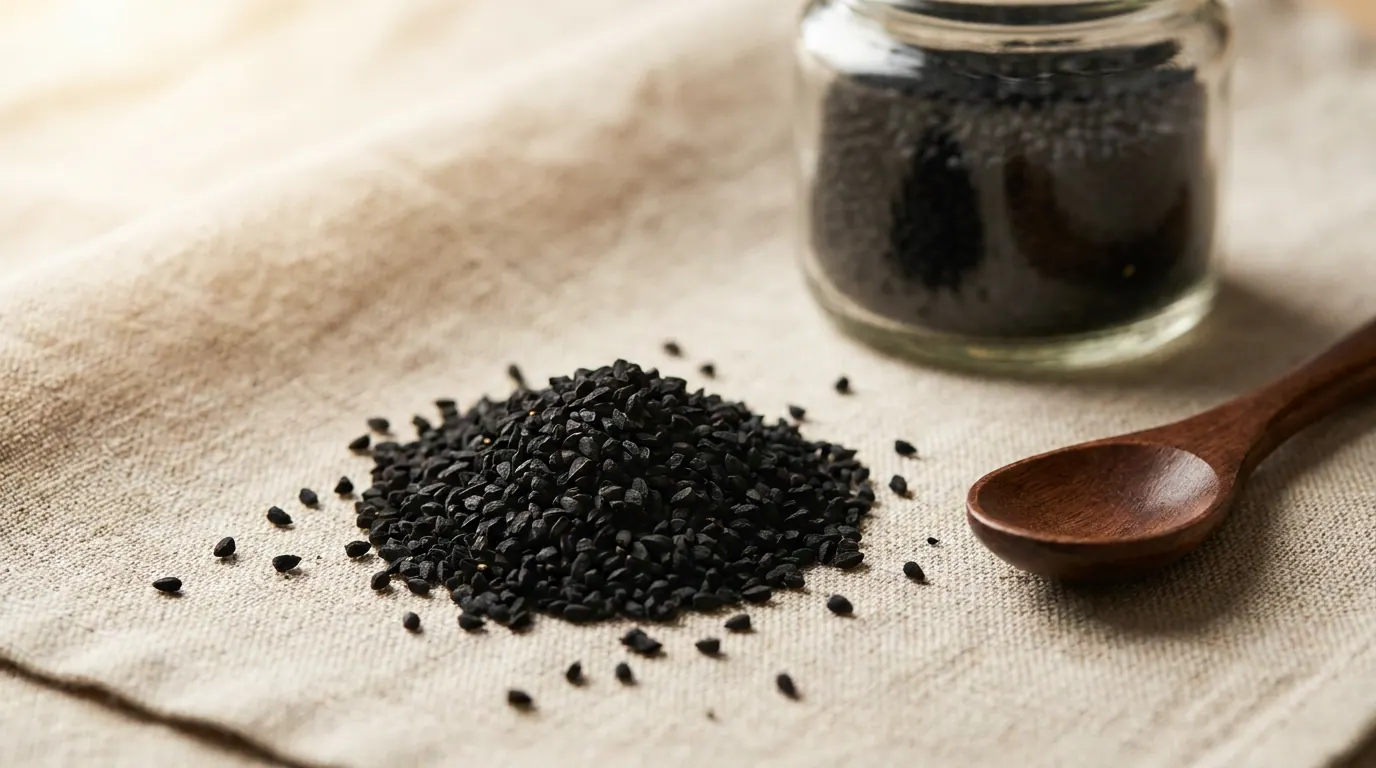
Black Seed is the small, triangular black seed of the Nigella sativa plant. It is widely cultivated across the Middle East, India, and North Africa. It is distinct from black cumin or black caraway, though it often shares those names in different regions. The seeds have a pungent, slightly bitter, and peppery flavor with an oregano-like aroma when crushed.

In the Islamic world, it is called Habba Sawda or Habat al-Barakah (The Blessed Seed). While it has been used for millennia in Ayurvedic and traditional Arab medicine, it is the discovery of Thymoquinone in the 1960s that brought it into the spotlight of modern pharmacology.

The Science of Thymoquinone

Immune Support
T-Cell Activation

Black seed oil enhances the activity of natural killer (NK) cells and T-lymphocytes. Recent clinical trials during the COVID-19 pandemic showed that it may help accelerate recovery and reduce inflammatory markers in mild cases.

Respiratory Health
Anti-Asthmatic

Clinical trials show that 2g of daily black seed consumption improves lung function and reduces the frequency of asthma attacks. Thymoquinone acts as a natural bronchodilator and antihistamine.

Blood Sugar
HbA1c Reduction

Multiple meta-analyses of human trials demonstrate that black seed supplementation can lower fasting blood glucose and HbA1c levels in Type 2 diabetics by improving insulin sensitivity.

Skin & Hair
Eczema & Acne

Topical application of black seed oil has been shown to be as effective as some steroid creams for hand eczema, and significantly reduces acne lesions due to its antibacterial properties.

The Quality Indicator

When buying oil, look for Cold-Pressed and Ethiopian origin. Ethiopian seeds consistently test higher for Thymoquinone (up to 4% of volatile oils) compared to other regions. The oil should be dark amber, pungent, and leave a peppery tingle in the throat.
Kitchen Uses in Saudi & Gulf Cooking

Traditional Bread1 tsp
Used as a topping for Tamees and homemade Saudi breads. The heat of the oven releases its aromatic oils without destroying the thymoquinone.
Honey Tonic½ tsp
The classic Prophetic tonic: ½ tsp ground seeds + 1 tbsp raw honey + warm water on an empty stomach. Enhances absorption and immunity.
White Cheese¼ tsp
Sprinkled over Nabulsi or Akawi cheese with olive oil. Its bitterness cuts through the saltiness of the cheese perfectly.
Date Paste1 tsp
Mixed into date paste (Ma'amoul filling) for added depth and a subtle spicy kick. Common in traditional Saudi sweets.

Frequently Asked Questions

Is it safe during pregnancy?
Small culinary amounts (on bread) are generally safe, but therapeutic doses (capsules or oil) should be avoided during pregnancy as they may stimulate uterine contractions. Consult your doctor first.
Should I grind the seeds?
Yes. Whole seeds may pass through the digestive system intact. For maximum benefit, grind them fresh just before use to prevent the volatile Thymoquinone from evaporating.
Does it interact with medications?
Yes, black seed may increase the effect of blood thinners (like Warfarin) and blood sugar medications. Always inform your physician if you are taking therapeutic amounts.