Portable Energy, Readable Ripeness

Banana

The only fruit whose chemistry changes in front of you: a banana is picked starch-heavy, then its own enzymes convert that starch to sugar day by day — so the peel's color literally tells you how the fruit will behave in your blood. Greenish-tinged means more resistant starch (the fiber-like kind that feeds gut bacteria) and a gentler sugar curve; fully speckled means peak sweetness, ready to replace added sugar in banana bread and nice cream. Between those poles sit 105 calories, 422 mg of potassium, a quarter-day of B6, and a ripe-fruit glycemic index around 51 — low, despite the reputation. This page teaches you to read that clock, freeze the surplus, and keep the fruit-bowl's most enthusiastic ethylene emitter from ripening its neighbors.

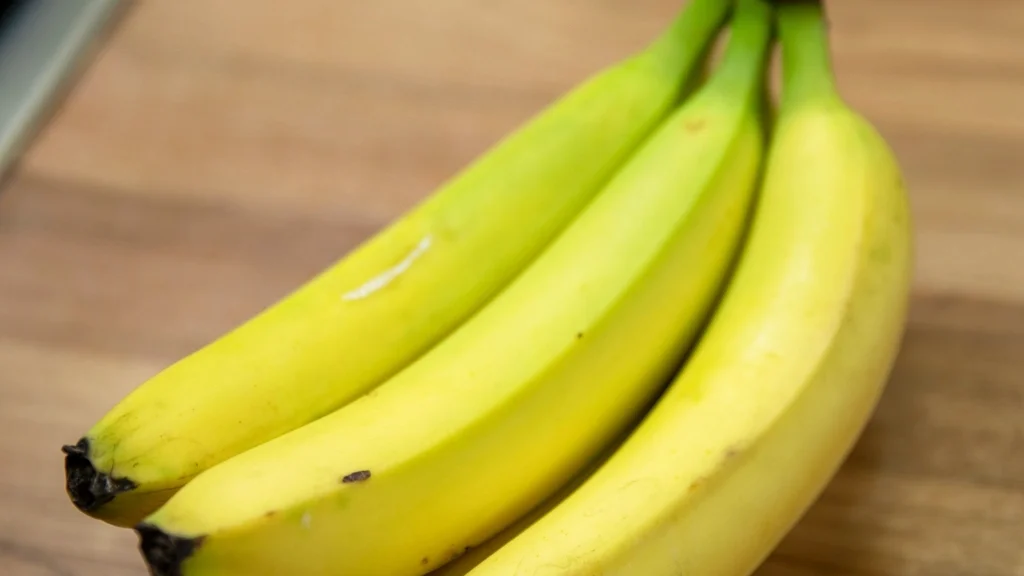
A bunch of bananas at mixed ripeness stages from green-tinged to yellow on a wooden surface
~51GI of a ripe banana (low)
422 mgPotassium per medium fruit
105Calories per medium fruit
RipenessConverts starch to sugar
8 min read Updated 2026-09-21 Verified data
EEINA Editorial Content
Based on authoritative sources (USDA · University of Sydney · NIH) and reviewed per our editorial methodology
Medical Disclaimer: The following content is a general educational reference based on peer-reviewed studies and classical medical heritage. It does not substitute professional medical advice. If you have a health condition, take chronic medications, or are pregnant or breastfeeding, consult your doctor before following any dietary recommendation. On potassium-restricted kidney diets, banana portions are set strictly with a renal dietitian.

Nutritional Profile — one medium banana (118 g, peeled)

Calories
105 kcal — less than most small chocolate bars
Carbohydrates
27 g (the starch-to-sugar split follows ripeness)
Dietary fiber
3.1 g
Sugars
~14 g in a ripe fruit
Potassium
422 mg — the fruit aisle's flagship source
Vitamin B6
≈ a quarter of the daily value
Vitamin C
~10 mg
Glycemic index
~51 ripe (low) — lower green-tinged, higher heavily speckled

The Ripeness Ladder Is the Variety Chart

With bananas, the "variety" that matters daily isn't the cultivar — it's the peel's stage. Master rule: greener means more resistant starch and a gentler curve; browner means sweeter and faster:

Green-Tinged
Resistant starch dominant — SAR 4–8/kg

Firmer, barely sweet, richest in resistant starch that behaves like fiber and feeds gut bacteria. The blood-sugar watcher's pick, and the one that survives to Thursday.

Full Yellow
The balance point

Starch and sugar in equilibrium — the classic lunchbox banana, the general-purpose stage everyone pictures. GI around 51: low, counted like any fruit serving.

Speckled Brown
Nature's added-sugar replacement

Enzymes have turned most starch to sugar: sweetest, softest, fastest-acting. King of banana bread and nice cream, where its sweetness replaces added sugar entirely — and the stage a sugar-watcher defers.

The Staggered-Bunch Trick
Zero-waste shopping

Buy a mixed bunch — a couple yellow for now, the rest green-tinged for later — so every banana meets its right day instead of the whole bunch racing you to Friday.

Nutrition Science — The Clock, the Gas, and the Mineral

Three mechanisms explain everything a banana does:

  • Resistant starch (green stage): green bananas are among nature's richest sources of starch that escapes small-intestine digestion and ferments in the colon as food for beneficial bacteria — reviews link it to gut and metabolic benefits; ripening converts it to sweet sugars
  • Ethylene (its own accelerator): bananas emit ripening gas generously, driving their own clock and every fruit nearby — the reason they get their own hook, away from the fruit bowl (or get deployed deliberately to soften a rock-hard avocado in a paper bag)
  • Potassium (422 mg): per NIH references, a partner in blood-pressure regulation, fluid balance and muscle work within an overall balanced pattern — and most people run short of the daily target, which a pocket banana helps close
For Blood-Sugar Watchers
Read the peel, pair the fruit

A medium ripe banana is ~27 g of carbs at GI ~51 — counted, not banned. Choose green-tinged, pair with nuts or laban to soften the curve, and send the heavily speckled ones to the baking bowl instead.

Pregnancy & Babies
B6 for nausea; first foods at ~6 months

The B6 bananas carry naturally is the same nutrient obstetric references use in managing pregnancy nausea — a gentle dietary ally beside, never instead of, your doctor's plan. And mashed banana is one of the easiest first baby foods from about six months.

Family Kitchen Uses

Banana Oat BreadThe speckled banana's destiny
Overripe bananas sweeten a whole loaf with no added sugar needed — oat flour, no white flour. Recipe in the EEINA library.
Protein Nice CreamOne-ingredient ice cream
Frozen banana slices blended alone whip into genuinely creamy ice cream — no cream, no added sugar. The protein version is in the EEINA library.
Green Smoothie BowlDeliberately under-ripe
The breakfast bowl with spinach and flaxseed uses a green-tinged banana on purpose: more resistant starch, calmer sweetness. Recipe in the EEINA library.
The Gym-Bag SnackPre-workout classic
Easy carbs at a moderate GI plus potassium for working muscles, in a peel-and-go package — the stadium snack that predates sports science.
Kitchen tip

Freeze ripe bananas peeled and sliced, spread flat until solid, then bag them: months of scoop-as-needed slices for smoothies (better than watery ice) and two-minute nice cream. Room temperature until your preferred ripeness, then the fridge — the peel darkens cosmetically while the flesh holds for extra days. Wrapping the bunch's crown in plastic slows the ethylene clock slightly.
Frequently Asked Questions

Do bananas spike blood sugar?
A ripe banana's GI is ~51 — low — with 27 g of carbs to count. Ripeness is the lever: green-tinged is gentler (resistant starch), heavily speckled is faster. Pair with nuts or laban and it fits most plans.
Are bananas fattening?
105 calories per medium fruit — under most small chocolate bars — with fiber and real satiety. Total calorie surplus is what gains weight; a banana is a smart portable snack, not a diet penalty.
Green or speckled — which is better?
Each has a job: green-tinged for gentler sugar and weekday endurance, full yellow for balance, speckled for baking and nice cream where its sweetness replaces added sugar.
The peel turned black in the fridge — is it spoiled?
No: cold darkens the peel's pigments while the flesh inside stays fine. Refrigerate only after the fruit reaches your preferred ripeness, and judge the flesh, not the jacket.
When can my baby have banana?
From about six months with the start of solids: mashed smooth, naturally soft and mildly sweet — one of the world's most common first foods, with no cooking needed. One new food at a time.
Do bananas conflict with kidney disease?
This page's most important caution: on potassium-restricted renal diets, the banana's flagship mineral must be counted precisely — portions are set with a renal dietitian, not guessed. People with latex allergy who react after bananas should also see an allergist (a documented cross-reaction).