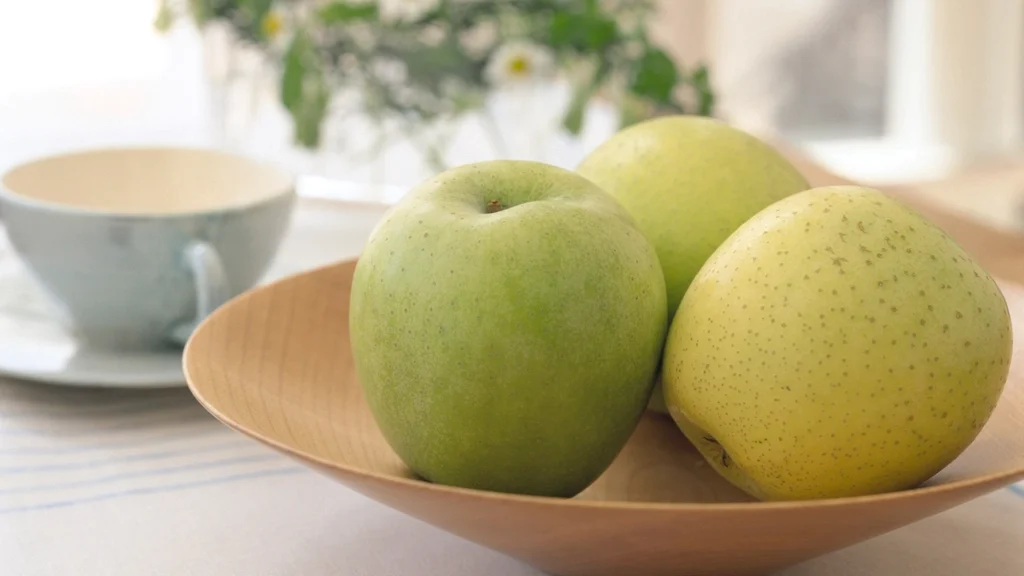
The apple is the easiest healthy habit a household can adopt: no recipe, no prep, and a glycemic index of just 36. Behind that simplicity sits real substance — 4.4 g of fiber per medium fruit, pectin that slows sugar absorption, and a skin that carries most of the fruit's quercetin and antioxidants. Large cohort analyses associate whole apples with a lower risk of type 2 diabetes, while fruit juice shows the opposite pattern — which is why our golden rule is: eat your apples, don't drink them.
36Glycemic index (low)
4.4 gFiber per medium apple
86%Water for light satiety
7,500+Cultivated varieties worldwide
8 min readUpdated 2026-09-12Verified data
EEINA Editorial Content
Based on authoritative sources (USDA · University of Sydney · PubMed) and reviewed per our editorial methodology
Medical Disclaimer: The following content is a general educational reference based on peer-reviewed studies and classical medical heritage. It does not substitute professional medical advice. If you have a health condition, take chronic medications, or are pregnant or breastfeeding, consult your doctor before following any dietary recommendation.
Nutritional Profile — one medium apple with skin (182 g)
Calories
95 kcal
Water
~86% of weight
Total carbohydrates
25 g
Dietary fiber
4.4 g (mostly in and under the skin)
Natural sugars
19 g (fructose-dominant)
Potassium
195 mg
Vitamin C
8.4 mg
Glycemic index
~36 (low) · low glycemic load per fruit
Six Varieties You'll Meet in Our Markets
Gala
The everyday default
Mildly sweet with a light crunch — the lunchbox and fruit-bowl staple, and usually among the most affordable options on the shelf.
Fuji
The sweetest of the shelf
Dense, juicy, and distinctly sweet. The pick for those who want dessert-level flavor from a whole fruit, and it holds its crunch well in storage.
Granny Smith
Tart, firm, kitchen-proof
Bright acidity and a flesh that survives the oven — the baking and salad apple. Slightly less sugar than sweet varieties, though the difference alone won't carry a diet.
Red Delicious · Golden · Honeycrisp
The rest of the lineup
Red Delicious for the fruit bowl, Golden for home baking, and Honeycrisp — at a premium price — for the finest eating crunch on the shelf.
Nutrition Science — Apples & Blood Sugar
Despite their natural sweetness, whole apples carry a low glycemic index of about 36 (University of Sydney database), thanks to three factors:
Pectin, a soluble fiber that forms a gel in the stomach and slows glucose absorption
A fructose-dominant sugar profile with a gentler insulin response than glucose
Polyphenols — quercetin, phloridzin, chlorogenic acid — concentrated in and under the skin
Whole Fruit vs Juice: Opposite Signals
BMJ 2013 pooled cohort analysis
Analysis of three large US cohorts associated whole-fruit intake — apples prominently — with a lower risk of type 2 diabetes, while fruit-juice intake was associated with a higher risk. One cup of juice presses 3–4 apples with the fiber stripped out.
Pair It with Protein
EEINA's smart-snack rule
Apple slices with a handful of nuts, a spoon of peanut butter, or a piece of cheese: protein and good fats flatten the glucose curve further and stretch satiety to the next meal. Carb counters: a medium apple ≈ 25 g carbohydrates.
Family Kitchen Uses
Apple-Cinnamon Oatmeal1 apple, diced
Diced apple softened with oats and a dash of cinnamon — natural sweetness with no added sugar, and a school-morning breakfast that actually holds until lunch.
Peanut-Butter Apple Rings5-min snack
Round slices spread with peanut butter and sprinkled with oats — kids assemble it themselves, which is exactly why they eat it. A smart swap for packaged biscuits.
Crunchy Apple Salad½ apple per bowl
Thin apple slices with leafy greens, walnuts, olive oil, and lemon. The gentle sweetness balances bitter leaves and wins over salad skeptics.
Baked Stuffed Apples1 per person
Cored apples filled with oats, walnuts, and raisins, baked until tender — a real dessert at reasonable calories, with no pastry involved.
Kitchen tip
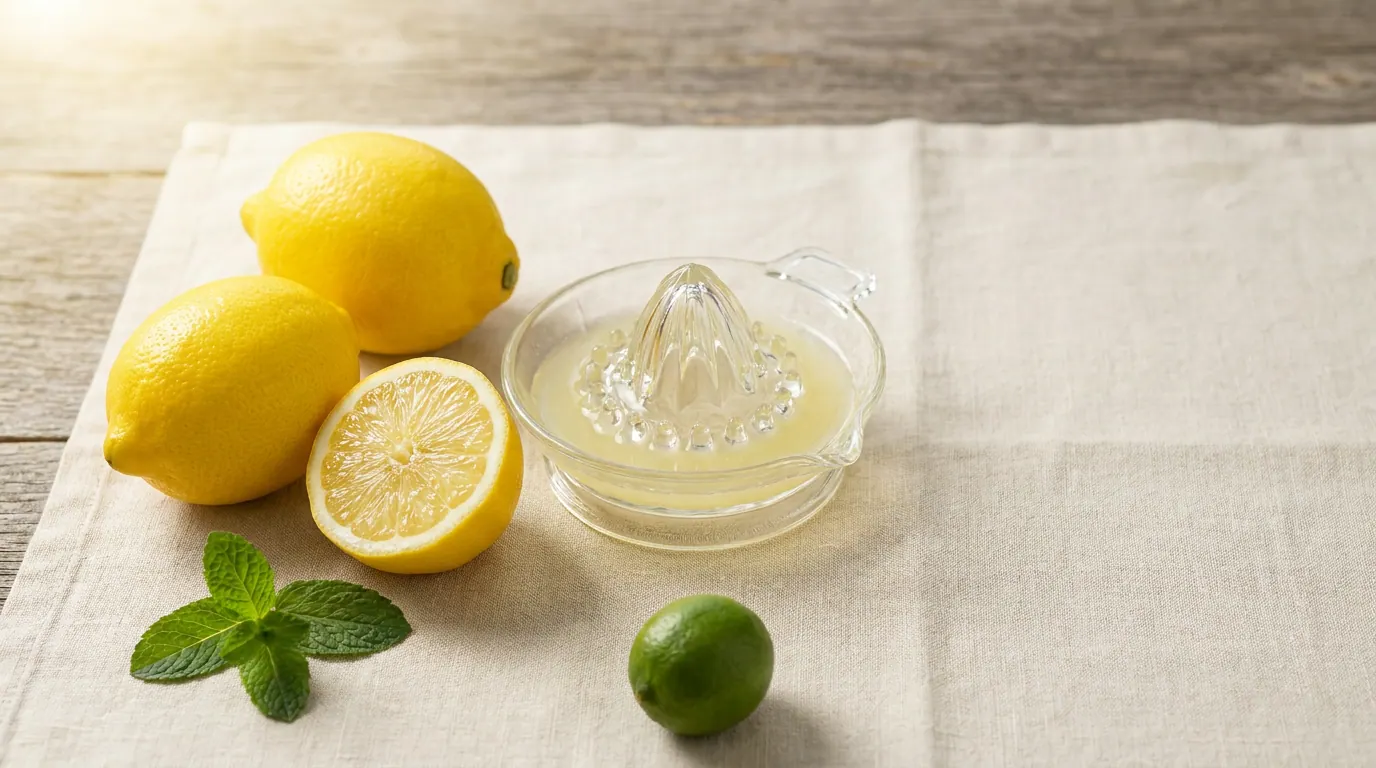
Cut apples brown through natural enzymatic oxidation — not spoilage. A squeeze of lemon juice right after slicing slows it down, an airtight box delays it, and slicing at serving time avoids it entirely.
Frequently Asked Questions
Do apples spike blood sugar?
A whole apple has a low glycemic index (~36) and its fiber slows absorption, so the rise is moderate. Clear juice acts faster with the fiber gone. Diabetics: count the ~25 g of carbohydrates per medium apple within the meal and check your response after 1–2 hours.
Should I peel apples?
The skin carries most of the quercetin and antioxidants and a good share of the fiber. Wash well under running water and eat it with the skin, unless your doctor advises otherwise.
Are apple seeds dangerous?
Seeds contain amygdalin, which releases cyanide only when seeds are crushed and chewed in large amounts. Accidentally swallowing a seed or two whole poses no practical risk — just don't chew seeds deliberately or let children play with them.
Is the wax on apples harmful?
The shine is usually food-grade wax applied after commercial washing to preserve moisture, permitted by food regulators. Wash with warm water and a good rub; peel if you prefer zero wax.
Does apple juice interact with medications?
Documented pharmacology studies show large amounts of apple juice can reduce absorption of certain drugs that use intestinal uptake transporters — fexofenadine (allergy medication) is the classic example. Separate juice and such medications by several hours; the whole fruit is practically free of this effect.
How do I store apples?
In the fridge crisper drawer, dry and unwashed, away from bananas and leafy greens (apples release ripening ethylene gas) — they keep their crunch for weeks. On the counter they soften within days. Eat bruised ones first.