The Second Growth Spurt in Human Life
After the first year of life, the body doesn't experience faster growth than it does during adolescence. Height increases, weight goes up, muscles develop, and the skeletal structure expands—the body undergoes fundamental changes in just a few years. All this building requires fuel: more energy, protein for muscle development, calcium and vitamin D for bones, and iron to support blood and oxygen.
Practically, this means a teen's appetite fluctuates, and their actual needs might exceed your expectations. A common mistake is to measure a teen's plate by a child's or adult's. It's smarter to provide nutritious food that's readily available to them. The body at this stage demands both quantity and quality. The primary source is always the plate, not supplements.
Calcium and Building Bones for Life
Adolescence is a golden window for bone building. About half of the bone mass that will support the body in adulthood is acquired during this period, so what's built now protects against osteoporosis decades later. The recommended intake is about 1,300 mg of calcium daily for ages 9 to 18, for both males and females, along with about 600 IU of vitamin D for absorption.
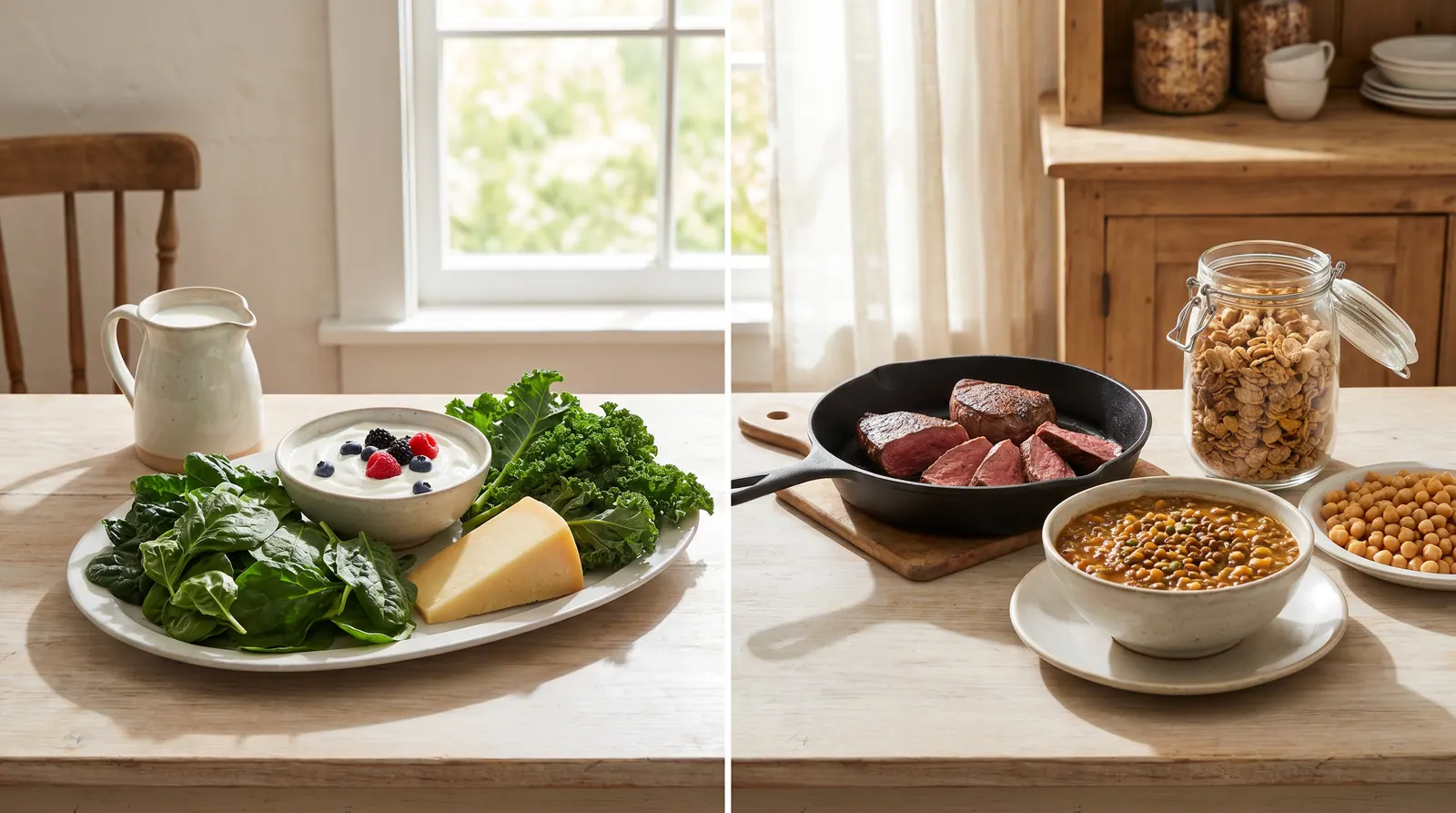
The problem is that many teens, especially girls, fall short on calcium as milk consumption declines in this age group. Practically: ensure milk, yogurt, or cheese is present in at least two meals, and add leafy greens and legumes. Since bone building is a one-time opportunity, a glass of milk today is an investment in lifelong bone health, not just a fleeting meal.
Iron and Why Girls Need More
Iron carries oxygen in the blood, and its requirement increases during adolescence with the growth of muscle mass and blood volume. However, girls need it more: about 15 mg per day compared to 11 mg for boys aged 14 to 18, because menstruation causes iron loss month after month.
Girls are more susceptible to iron deficiency due to combined low intake, menstrual losses, and growth demands. Practically: make iron sources a staple in their diet, including red meat, poultry, legumes, lentils, and leafy greens. Pair plant-based sources with vitamin C (like lemon and tomatoes) to enhance absorption. Deficiency should be confirmed by a test, not just symptoms; if you notice fatigue, paleness, or poor concentration, consult a doctor for an evaluation.
Protein: Enough from Food, Without Overdoing It
A growing body needs protein to build muscle and repair tissues, but the requirement is less than what the supplement culture promotes. The recommended intake is about 0.85 g per kilogram of body weight per day, which is around 52 g for boys and 46 g for girls aged 14 to 18.
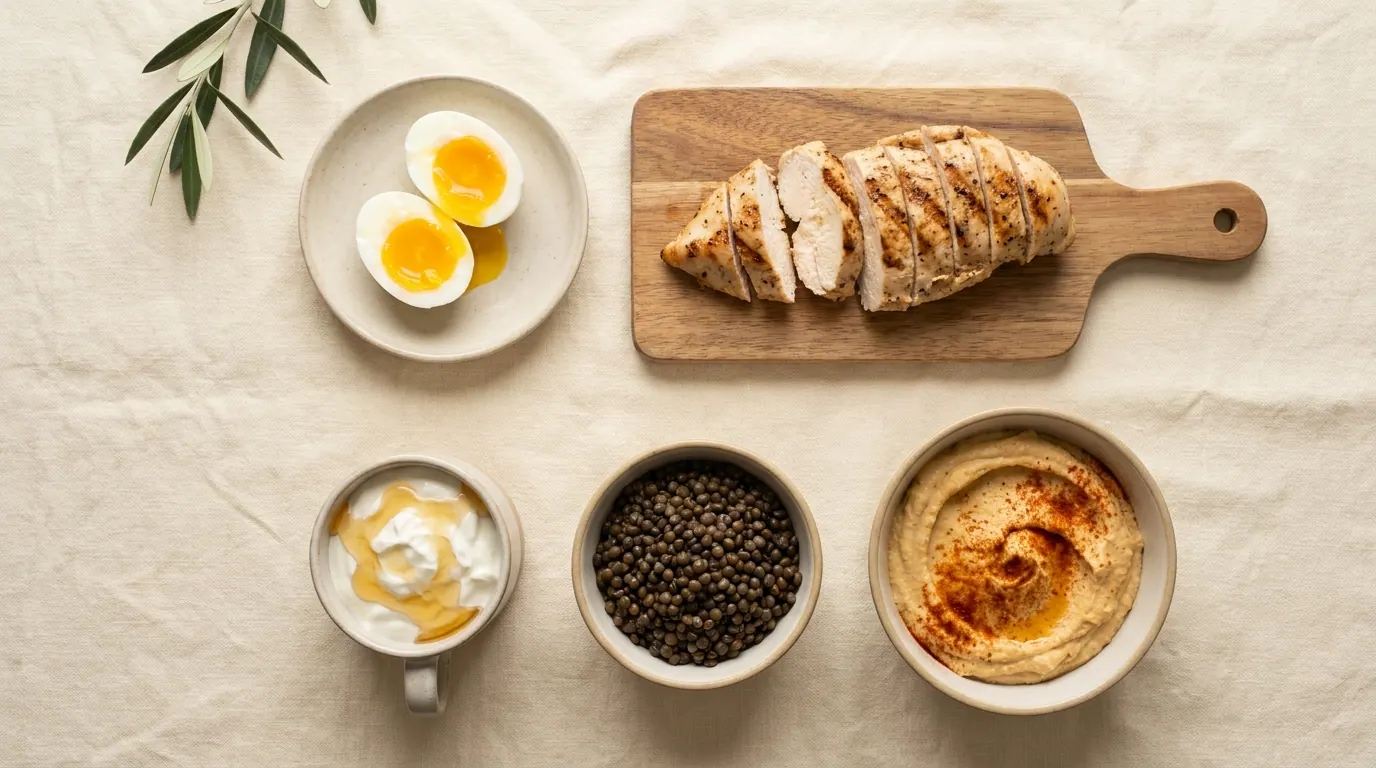
This amount is easily met through food: an egg, a cup of yogurt, a handful of nuts, a piece of chicken or fish, and a serving of legumes can exceed the daily requirement without any powder. Practically: distribute protein across meals rather than concentrating it in one, and vary protein sources between animal and plant-based. Supplements are not a necessity for a teen eating a balanced diet. Consult a specialist before considering any protein powder, especially for those engaged in intense sports.
Does Your Teen's Plate Need a Review? — Self-Check
This self-check is a guide for families, gathering common indicators of an unbalanced teen diet. It does not replace an assessment by a doctor or nutrition specialist. Select what applies to your teen:
Breakfast and Focus in School
Skipping breakfast is a common habit among teens, but a developing brain needs morning fuel for concentration and mood. Observational studies suggest a link between skipping breakfast, especially with energy drinks, and increased stress, anxiety, and depressive symptoms in schoolchildren. While this is a correlational link and not definitive proof of causation, it warrants attention.
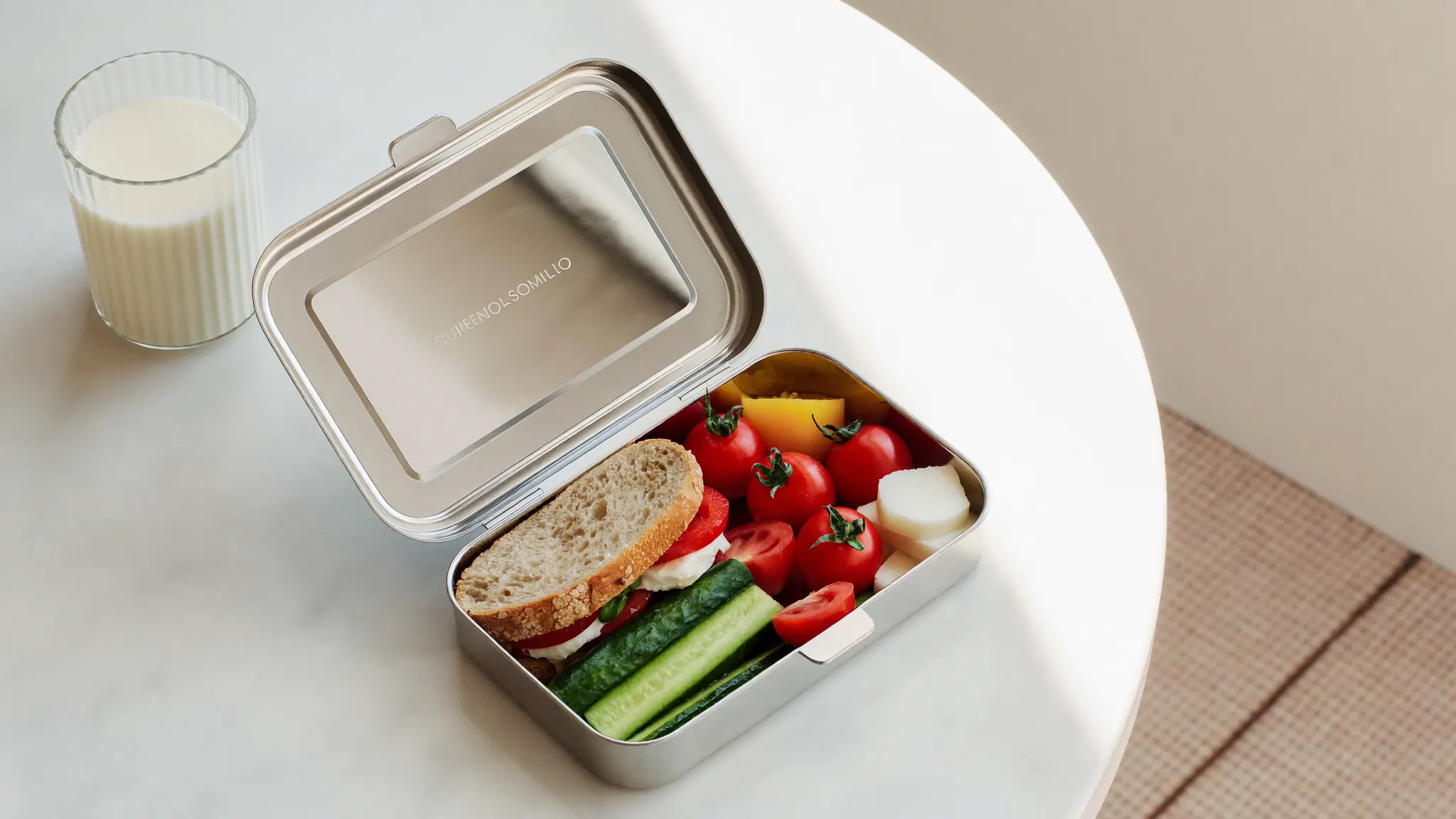
Practically: a fancy breakfast isn't necessary; something quick and nutritious suffices: yogurt with dates, an egg with whole wheat bread, or a glass of milk with a cheese sandwich. If the teen refuses to eat early, prepare something they can take with them or eat at the first opportunity. Make breakfast accessible and easy, not a battle; the closest option is the one that gets eaten.
Sugary Drinks Quietly Steal Their Plate
Sugary drinks, including sodas and sweetened juices, are major sources of hidden sugar in a teen's day, filling them with empty calories without real satiety. The World Health Organization recommends keeping free sugars below 10% of daily energy intake, ideally below 5%, and notes that even juices without added sugar contain significant free sugars.
Practically: make water and milk the primary beverages, and offer whole fruits instead of juicing them. An outright ban can breed defiance; instead, aim for gradual reduction and provide tastier alternatives within reach. Cold water with a slice of lemon or mint is a simple option many teens enjoy and can replace sugary drinks without a feeling of deprivation.
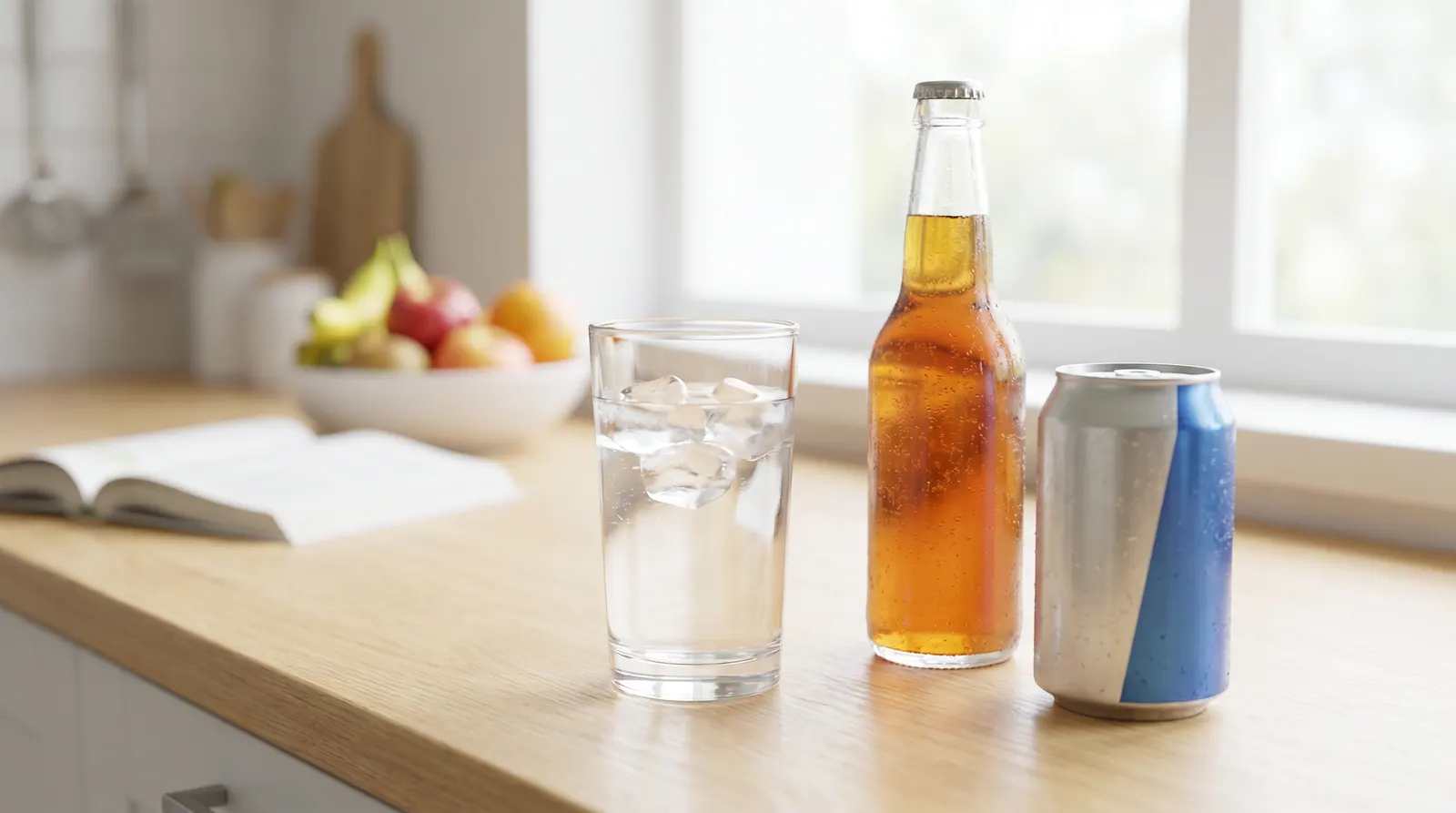
Energy Drinks: A No-Go for Teens
Energy drinks differ from sports drinks: the former are stimulants containing high caffeine and ingredients like guarana and taurine, while the latter are for hydration during prolonged exertion. The American Academy of Pediatrics recommends that children and adolescents avoid energy drinks altogether, and that sports drinks are rarely needed by teens except during extended athletic activity.
High caffeine intake in teens is linked to poor sleep, elevated blood pressure, rapid heart rate, anxiety, and digestive issues. Practically: it's best for teens to avoid caffeine generally. If consumed, it should not exceed about 100 mg per day for ages 12 to 17. Instead of energy drinks, adequate sleep and a nutritious breakfast are the true sources of energy.
The Saudi Teen Plate — Abundance Serving Growth
Our cuisine offers what teens need: milk, yogurt, and laban for calcium; meat, poultry, legumes, and lentils for iron and protein; dates with nuts as a rich snack; and vegetables in salads. Abundance is present; the goal is to direct it towards a balanced plate rather than letting fast food and sugary drinks dominate.
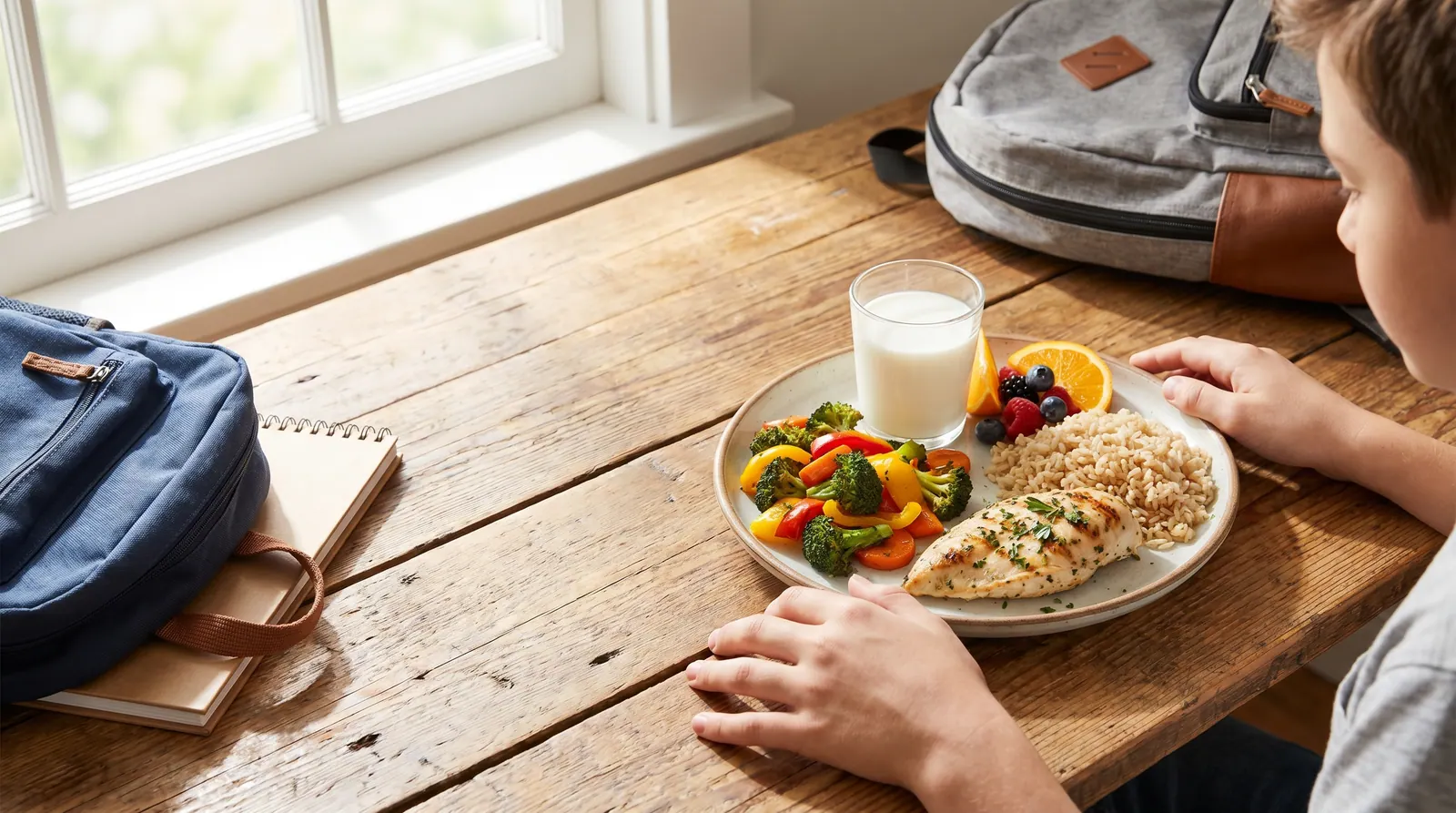
Practically: build the plate with half vegetables and fruits, a quarter protein, and a quarter grains (preferably whole), along with a cup of milk or yogurt. Replace some refined rice and white bread with whole grains, and include legumes weekly. This is simpler and cheaper than supplements and gets teens closer to their needs without calculation effort.
Body Image: Healthy Eating Without Obsession
Adolescence is a sensitive age regarding body image and appearance. What is said at the table can foster a healthy relationship with food or plant a lifelong obsession. The American Academy of Pediatrics advises against labeling foods as 'good' or 'bad,' avoiding discussions about weight, diets, and calories at the table, and not overemphasizing body size.
Practically: make the family table a calm ritual, not a forum for body commentary. Discuss food as fuel and pleasure, not punishment and reward. Monitor from a distance without micromanaging, and pay attention to signs that might indicate an eating disorder, such as severe restriction, food hiding, or excessive preoccupation with weight. If these arise, consult a specialist gently, without confrontation or accusation.
Independence in Choice — Let Them Grow
The most significant difference in teen nutrition compared to childhood is the teen's desire for self-determination. Strict control over their plate breeds defiance and pushes them towards poor choices outside the home. A smarter approach involves shared decision-making: you decide what's available at home and when meals are served, and they decide what to take from it and how much.
Practically: involve them in shopping and cooking so they have a say and learn. Stock the house with healthy, easily accessible options so they become the default. Explain their body's nutritional needs in terms they understand, like energy, focus, and athletic performance, rather than lecturing. Independence is part of their growth, not a concession; your role is to make the healthy path the easiest, then trust them.
Five Common Myths About Teen Nutrition
Half-truths abound regarding teen diets, confusing families. Here are the most common ones and what the guide says:
"Teens need protein supplements to build muscle."
"Energy drinks give teens the boost they need for studying and sports."
"Natural juice is a healthy alternative to soda."
"Boys and girls need the same amount of iron during adolescence."
"Strictness and imposing the plate are the best ways to feed a teen."
Practical Tips to Implement Today
Before a full protocol, here are small guidelines from the core advice, improving your teen's plate without daily battles:
- Make breakfast easy and accessible. Yogurt with dates, an egg with whole wheat bread, or a glass of milk and a cheese sandwich. The closest option is the one that gets eaten before school.
- A glass of milk or yogurt in two meals. Calcium and vitamin D are investments in lifelong bone health because half of bone mass is built now; make it a habit, not an exception.
- Pay attention to girls' iron needs especially. Include meat, legumes, and leafy greens with a vitamin C source to enhance absorption. Consult a doctor for fatigue and paleness.
- Distribute protein across meals. Eggs, dairy, meat, and legumes meet needs without powders. Do not buy supplements before consulting a specialist.
- Water and milk are the primary beverages. Gradually reduce sugary drinks and offer tastier alternatives. Prohibit energy drinks for teens.
- Make family meals a habit. Family gatherings are a protective factor; keep them calm without discussing weight or calories.
- Avoid labeling foods as 'good' or 'bad.' Talk about food as fuel and pleasure, not punishment and reward, to foster a healthy relationship with eating.
- Involve them in decision-making. Take them shopping and cooking, stock the house with healthy, easy options, and leave them space to choose, as independence is part of their growth.
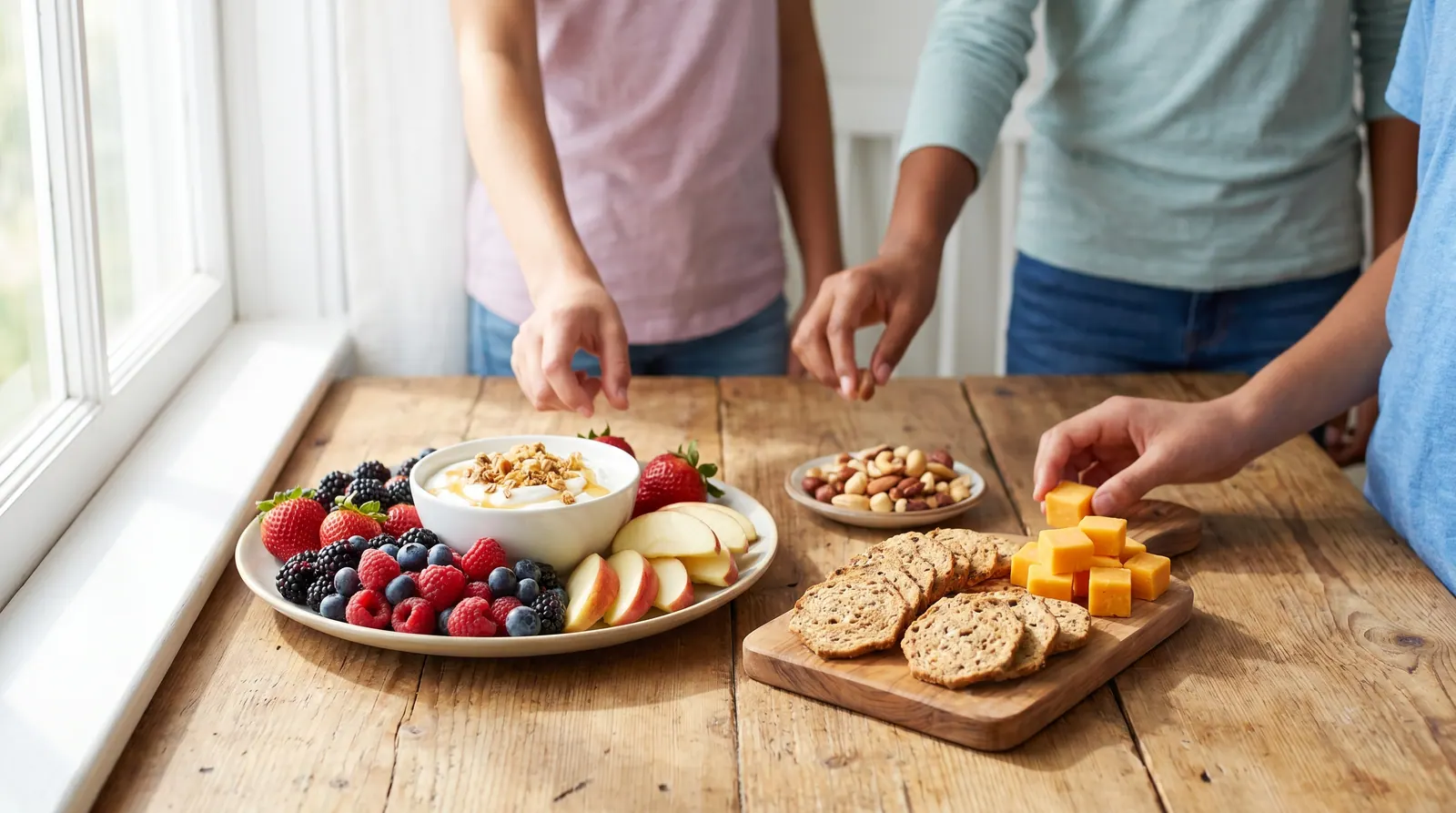
EEINA's Protocol for an Independently Growing Teen's Nutrition
A practical plan combining the above into three progressive layers. Start with the plate, then the table and relationship, then gentle follow-up.
The protocol is based on recommended intakes for calcium, iron, and protein, and guidelines for beverages and body image.
Provide Fuel for Growth
Four habits on the plate.
Build a Healthy Relationship with Food
Steps that protect and connect.
Monitor Gently and Consult When Needed
Without micromanaging or obsession.
The Golden Rule: The goal isn't a plate you dictate today, but a habit and a healthy relationship with food that yields a lifetime. Provide good choices, and let the teen choose and grow.
Frequently Asked Questions
How much calcium does a teenager need daily?
Why do teenage girls need more iron?
Does a teenager need protein supplements?
Are energy drinks safe for teenagers?
How can I help my teenager without creating an obsession with food?
When to Consult a Doctor — Red Flags
Teen nutrition is mostly a daily family matter, but certain signs go beyond that and require specialist evaluation without delay:
- Rapid weight loss or noticeable growth halt requiring urgent medical evaluation.
- Signs of an eating disorder: severe food restriction, hiding food, obsession with weight and shape, or intentional vomiting.
- Persistent fatigue, paleness, and poor concentration, especially in girls, which may indicate iron deficiency requiring testing.
- Frequent skipping of meals with a decline in academic performance or mood.
- Excessive consumption of energy drinks and caffeine with palpitations, insomnia, or anxiety.
- A chronic health condition or intensive athletic regimen before starting any supplements or special diets.
Start Your Next Step with EEINA
Meal Plan for a Growing Teen
Saudi recipes combining calcium, iron, and protein in a balanced plate that teens will love.
Get Your Plan ←Snacks and Quick Meals
Easy ideas for morning breakfast and school snacks that teens will enjoy and satisfy their hunger with real energy.
Try Them ←EEINA App
Helps families plan balanced meals for teens, reminding them about breakfast, water, and family meals.
Download ←