Start with the Numbers: Where We Really Stand
According to the 2024 Health Determinants Bulletin issued by the General Authority for Statistics, the obesity rate among children aged two to fourteen is 14.6%, while 33.3% are classified as overweight. In simple terms: approximately one in seven children suffers from obesity, and nearly one-third of children are above a healthy weight. These figures are not meant to alarm but to realize that the problem is common and widespread, not individual, and that early family action is warranted.
More importantly, most contributing factors are modifiable from within the home and school: what goes into the fridge, what is served at the table, and the amount of daily physical activity. Looking at the numbers calmly is the first practical step: we treat an environment, not blame a child.
The Home Food Environment Shapes Choices
Children do not choose what is not in front of them. When soda and biscuits are within reach, consumption becomes automatic; when washed fruit and water are prominent, behavior changes without struggle. The practical rule: make the healthy option the easiest and most accessible, and the less healthy option the furthest and rarest.
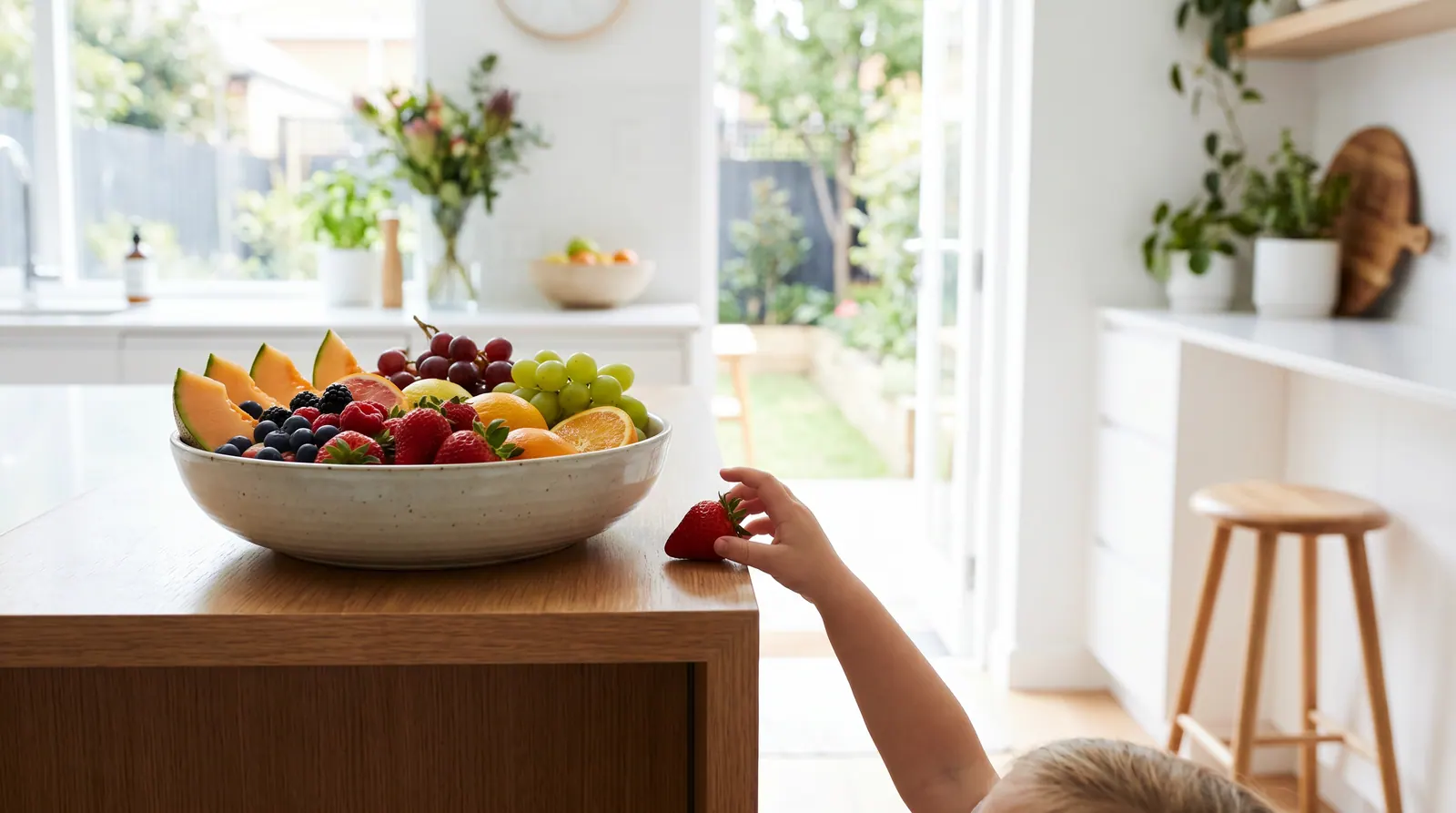
Do not keep a large stock of sugary drinks at home; their absence is more effective than repeated prohibitions. Fill a shelf at the child's eye level with ready-to-eat options: cucumber and carrot sticks, cut fruit, plain yogurt. This environmental design reduces daily battles, because the child does not ask for what they don't see, and the family does not need to say 'no' dozens of times.
Sugary Drinks: The First to Control
Sugar-sweetened beverages are among the clearest factors linked to weight gain in children, according to the World Health Organization, because they add calories without significant satiety, so the child does not compensate by eating less. The organization recommends reducing free sugars to less than ten percent of daily energy intake, with a preference for going below five percent.
Practically: Make water and plain milk the default beverages, and limit juices, even natural ones, to a small quantity. Teach the child that soda is a rare guest, not a daily resident. Remember that Saudi schools prohibit sodas and energy drinks from canteens, so make home policy consistent with school policy to avoid conflicting messages.
Fast Food: Frequency is the Problem
The problem is not an occasional fast-food meal, but its transformation into a weekly pattern. Outside meals tend to have larger portions, higher calorie density, and fewer vegetables. The practical rule is simple: make home cooking the norm, and eating out a counted exception.
When eating out, share a large dish, ask for water instead of soda, and add a side of vegetables or salad. Do not make fast food a reward for good behavior, as this elevates its value in the child's eyes. Prepare quick homemade alternatives that rival ready-made meals in ease: cheese and vegetable sandwiches, eggs, dates with milk. Home convenience is what breaks reliance on outside food.
Screens and Eating: A Duo That Increases Consumption
Eating in front of a screen weakens a child's sense of satiety, leading them to eat more without awareness. Long screen time is also associated with less physical activity and lower fruit and vegetable intake. In a study of Saudi adolescents, over 84% of males and 91% of females spent more than two hours daily in front of a screen.
The American Academy of Pediatrics has shifted its guidance towards the quality and context of screen use rather than strict time limits, but one clear rule remains: no screens at the dining table. Make mealtime free of TV and mobile phones, and keep bedrooms free of screens as much as possible. This separates eating from entertainment, allowing the child to return to natural hunger and satiety cues.
Does Your Home Environment Need Adjustment? — A Family Self-Check
This check is a guideline to assess the habit environment in your home, not a diagnosis of a child's weight. Choose what applies to your usual week:
Role Modeling: Children Imitate, Not Just Obey
The most powerful nutritional educational tool is example, not command. Evidence shows that parental eating behavior and role modeling have a greater impact on a child's habits than commands and pressure. If a child sees their parents drinking water, eating vegetables, and sitting calmly to eat, this becomes the normal state in their mind.
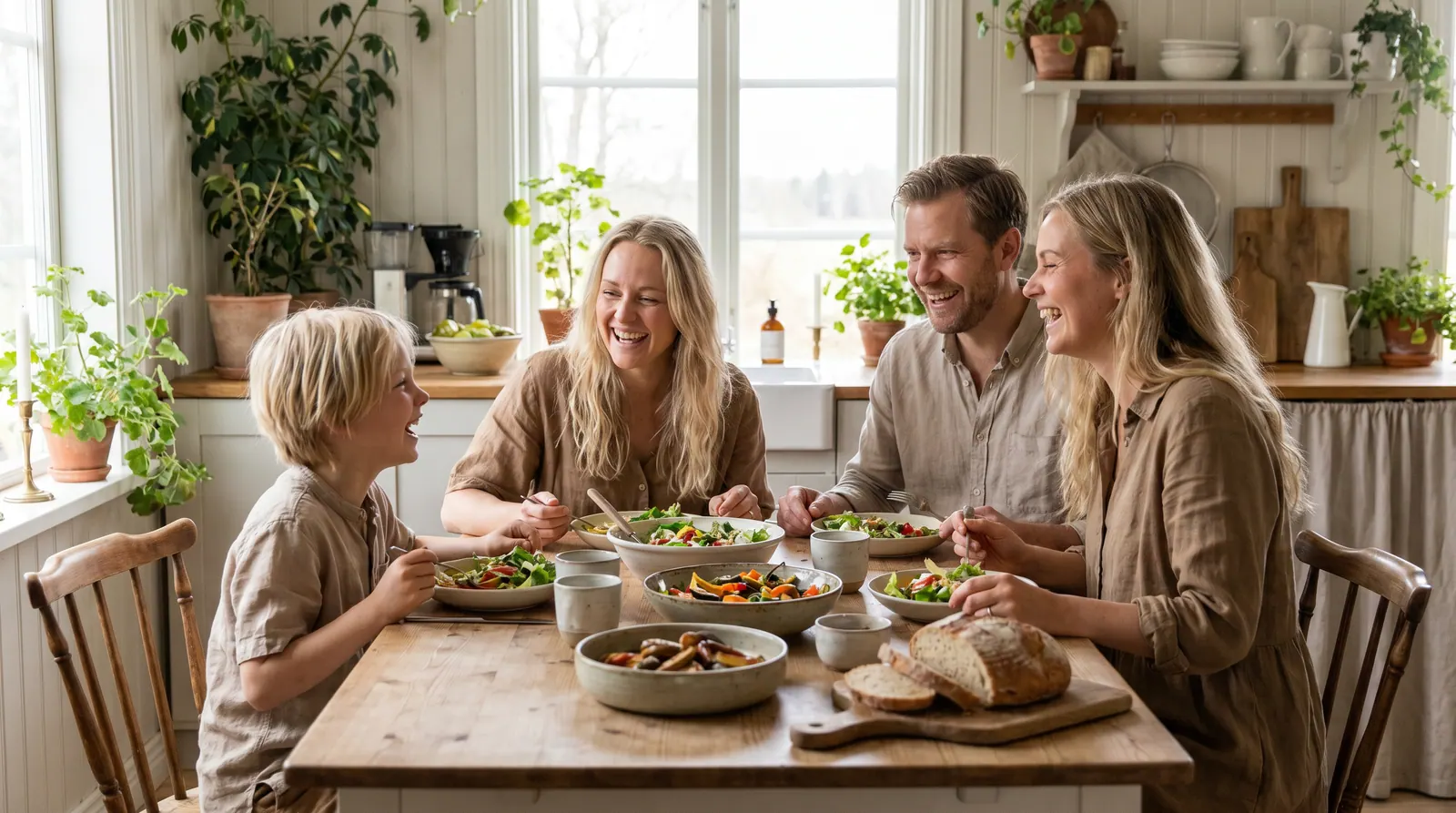
Practically: Eat what you want them to eat, and do not eat in front of them what you forbid them. Do not comment negatively on your weight or food in front of them. Sit down to eat together as much as possible, as the family meal is a context where the child learns balanced choices through observation, not lecturing. Silent role modeling precedes every spoken advice.
Division of Responsibility: Who Decides What
A useful and proven model in child nutrition is the division of responsibility: the parent decides what is served, when, and where, and the child decides whether to eat and how much to eat. When the parent respects this boundary, the child learns to regulate their appetite independently, and this approach is associated with better nutritional outcomes.
Practically: Offer a balanced meal and that's enough; do not force the child to finish their plate or bargain with sweets. Excessive pressure and coercive control over eating are associated with later overeating and poor self-regulation of energy in children. Your trust in your child's ability to stop when full is a long-term investment that protects against emotional eating and mealtime conflicts.
Portion Control Without Deprivation or Stigma
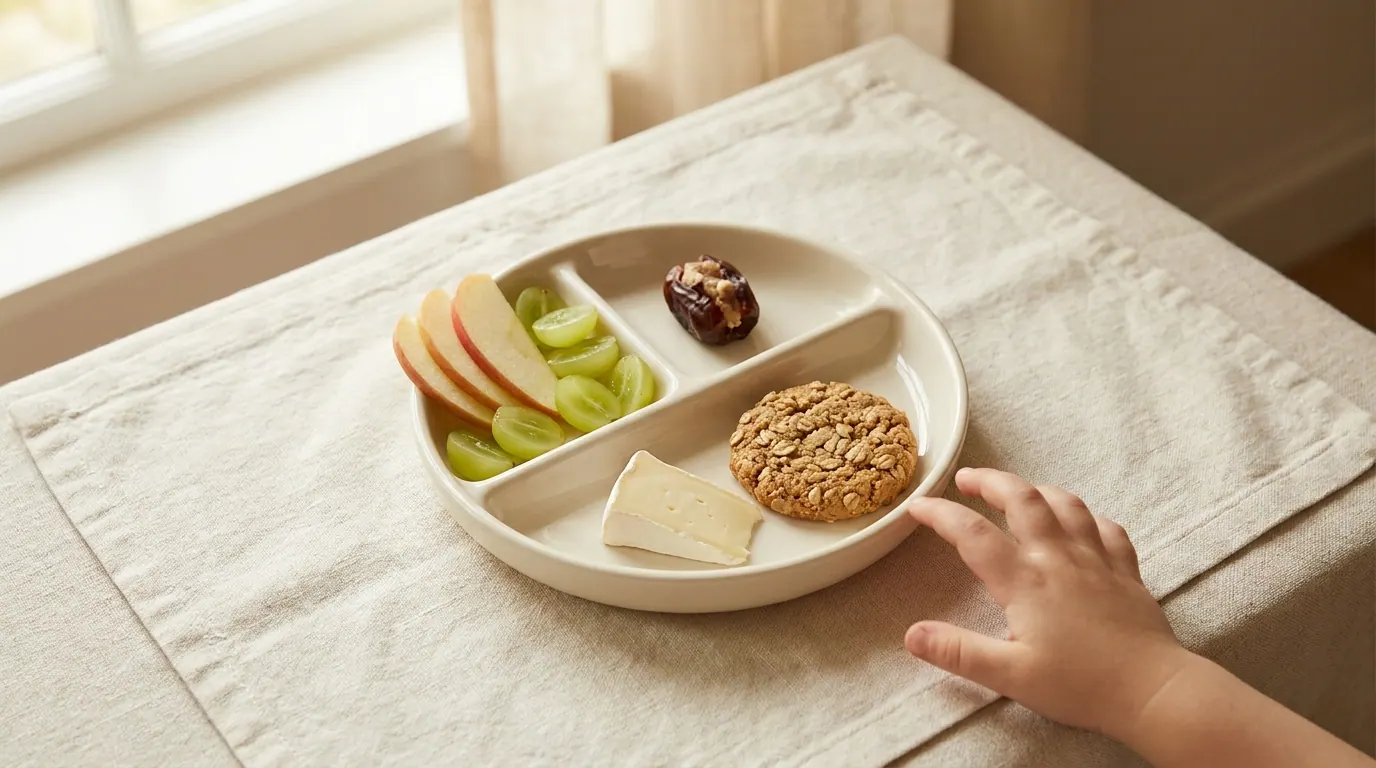
Portion control does not mean starving the child, but offering an age-appropriate amount while allowing more vegetables and fruits. Use smaller plates, serve food distributed rather than in a heap, and start with vegetables and protein before starches.
Most importantly: Never link eating to weight in front of the child, and do not describe them with hurtful words. Stigmatization and negative talk about weight from parents are associated with later disordered eating behaviors and poor self-image. Talk about health, energy, and play, not about calories and deprivation. Do not absolutely forbid food, making it a desired taboo; instead, regulate its frequency and quantity. The desired message: we eat to be strong and play, not to punish our bodies.
Physical Activity: Sixty Minutes of Play
The World Health Organization recommends that children and adolescents aged five to seventeen get at least sixty minutes daily of moderate-to-vigorous intensity activity, mostly aerobic, which can be accumulated in short periods throughout the day. The good news is that play, walking, sports, and household chores all count. In Saudi Arabia, many adolescents have not met this goal, especially females.
Practically: Make physical activity family-oriented and fun, not a punishment, such as a walk after dinner, playing in the park, or team sports. Start small if the child is inactive, as any movement is better than none, then gradually increase. Link activity to enjoyment, not weight loss, to ensure it continues.

School as a Partner: Canteen and Consistency
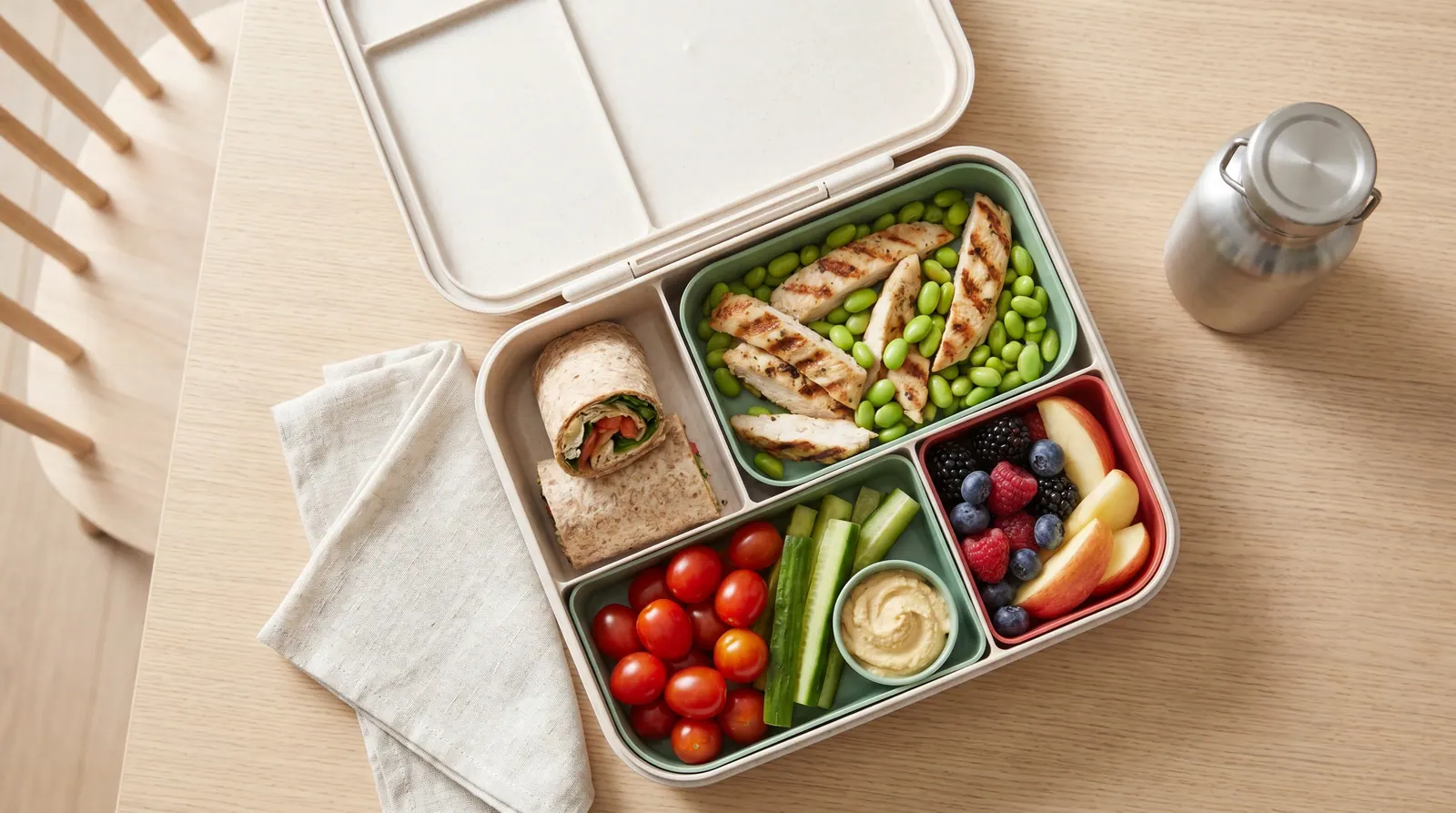
School is a second food environment no less impactful than home. Saudi regulations prohibit the sale of sodas, energy drinks, crisps, and sweets in school canteens, and restrict low-fruit juices. The family's role is to complement, not contradict: prepare a balanced lunchbox (whole grains, protein, vegetables or fruit, and water) instead of relying on canteen money.
Talk to the child about their choices at school without spying or punishment, and communicate with school administration if you notice unauthorized items being sold. When the message from home and school aligns, behavior stabilizes; when they contradict, the child learns that rules are negotiable.
Fruits and Vegetables: Increase Availability, Not Commands
Many Saudi children do not eat fruit daily; in one study of adolescent girls, the daily percentage was only 9.6%. Increased consumption comes from repeated, gentle offering, not force. Practically: Offer fruits and vegetables at every meal and as a snack, cut and attractively presented.
Offer new items several times without pressure; acceptance requires repetition. Involve the child in choosing from the market and in simple preparation, as they eat what they make with greater enthusiasm. Keep them prominent, not at the bottom of the fridge. Do not reward eating vegetables with sweets, as this elevates the value of sweets and diminishes the value of vegetables. The goal is for fruit to become the automatic choice when hungry.
When to See a Doctor — Red Flags
Prevention and habit building are family matters, but some signs go beyond that and require a pediatrician without delay:
- Stunted growth or rapid unintentional weight loss, or sudden severe weight gain without clear cause: consult a doctor and do not apply a home diet.
- Any intention to reduce a child's calories must be under the supervision of a doctor or a licensed dietitian only, as a child is in a growth phase.
- Signs of an eating disorder such as hiding food, refusal to eat, intentional vomiting, or obsession with weight or calories: require urgent specialized assessment.
- Associated health signs such as snoring and sleep apnea, joint pain, excessive thirst and urination, or fatigue: require medical review, not home dietary intervention.
- Social withdrawal, depression, or weight-related bullying: The psychological aspect requires specialized support in parallel with habit modification.
The presence of any of these signs means the matter goes beyond home prevention and requires specialized assessment.
Five Common Myths About Childhood Obesity
Around childhood obesity, half-truths spread that increase anxiety or hinder prevention. Here are the most prominent, and what the evidence says:
'Just baby fat that will disappear on its own with age'
'A thin child doesn't need control or activity'
'Natural juice is healthy and can be drunk freely instead of water'
'The solution is a strict diet for rapid weight loss'
'Alerting a child to their weight and comparing them to siblings motivates them'
Practical Tips You Can Apply Starting Today
Before you get to the full protocol, here are small guidelines from the core of what was discussed, building a healthier environment in your home without daily struggle:
- Set the default beverage. Make water and plain milk the primary drink at the table, and remove sodas from home stock instead of repeatedly forbidding them; their absence is more effective than a repeated 'no'.
- Design the front shelf. Place a shelf at the child's eye level filled with washed fruit, cut vegetables, and plain yogurt, and keep sweets far away and rarer, as a child does not ask for what they don't see.
- Separate eating from screens. Prohibit screens at the dining table and in the bedroom, and make mealtime free of TV and mobile phones so the child returns to natural satiety cues.
- Apply the division of responsibility. You decide what is served and when, and the child decides whether to eat and how much; do not force them to finish their plate or bargain with sweets.
- Talk about energy, not weight. Do not talk about the child's weight or calories in front of them, but about energy, play, and health, and avoid describing foods as forbidden or allowed.
- Make physical activity family play. Aim for sixty minutes of play and activity daily as a fun family activity, such as a walk after dinner, a park visit, or team sports, not as a punishment.
- Prepare a balanced lunchbox. Whole grains, protein, fruit or vegetables, and water, instead of relying on canteen money.
- Offer new items calmly. Present new vegetables or fruits several times without pressure, as acceptance requires repetition, and involve the child in preparation so they eat what they made with enthusiasm.
EEINA's Protocol for a Healthier Family Environment
A practical plan that combines the above into three progressive layers. Start with the daily layer, then commit to the weekly, then solidify the customization. The entire focus is on environment and habit, not on the child's weight.
The protocol is based on World Health Organization recommendations, Saudi school canteen regulations, and family eating behavior guidelines.
Habits That Create the Environment
Four habits every day.
Consistent Family Rhythm
Steps to solidify habits.
One Lasting Message
Role model and environment, not commands.
Golden Rule: The goal is lasting habits, not numbers on a scale. We treat an environment, not blame a child, and we eat to be strong and play, not to punish our bodies.
Frequently Asked Questions
What is the prevalence of childhood obesity in Saudi Arabia?
Should I put my child on a diet to lose weight?
What is the first practical change I should start with?
How much physical activity does my child need daily?
How do I deal with a child's refusal of vegetables without battles?
Start Your Next Step with EEINA
Balanced Family Meal Plan
Homemade Saudi recipes that build healthier habits for the whole family, with appropriate portions and a healthy default beverage.
Get Your Plan ←Recipes Kids Love
Quick homemade alternatives that rival ready-made meals in ease, and balanced school lunchboxes.
Browse ←EEINA App
Plan family meals, track default beverages and activity, and build a healthier environment step by step.
Download ←