Why Your Iron Needs Double During Pregnancy
The daily iron requirement during pregnancy jumps to 27 mg, about double that of a non-pregnant woman (18 mg) and a man (8 mg). This is because blood volume expands by 30-50%, and all this new blood needs hemoglobin, which cannot be synthesized without iron. Additionally, your baby draws from your reserves to build their own blood and iron stores. What can you do? Don't wait for fatigue to set in; make iron a part of every meal from the beginning of your pregnancy. Review your hemoglobin and ferritin levels with your doctor. Your increased needs, especially in the second half of pregnancy, warrant early vigilance.
Anemia in Pregnancy is Very Common in Saudi Arabia
A Saudi systematic review combining multiple studies found that the prevalence of anemia among pregnant women ranges from 18% to 58%, with significant regional variations. This means you are not alone, and early nutritional prevention is worth taking seriously. What can you do? Assume you are at risk and commit to daily iron sources. Do not ignore your doctor's recommendation for early screening, especially if you have a history of anemia. Studies have identified risk factors including multiple births, closely spaced pregnancies, and a history of anemia.
When It's Called Anemia: The Hemoglobin Level That Matters to You
The World Health Organization defines anemia in pregnancy as a hemoglobin level below 11 grams per deciliter at any stage. Severity is classified as mild, moderate, or severe based on how low the number is. In addition to hemoglobin, your doctor will often request ferritin levels, as it indicates depleted stores before hemoglobin drops. What can you do? Keep track of your lab results and monitor their trend, not just isolated numbers. Ask your doctor specifically about ferritin, as normal hemoglobin doesn't rule out depleted stores. Reading and treatment are medical decisions, not dietary ones.
Do Your Symptoms Suggest Iron Deficiency? — A Self-Check
This is a guiding, educational check and does not replace pregnancy tests or your doctor's diagnosis. Select what applies to you:
The Difference Between Animal and Plant-Based Iron and Absorption
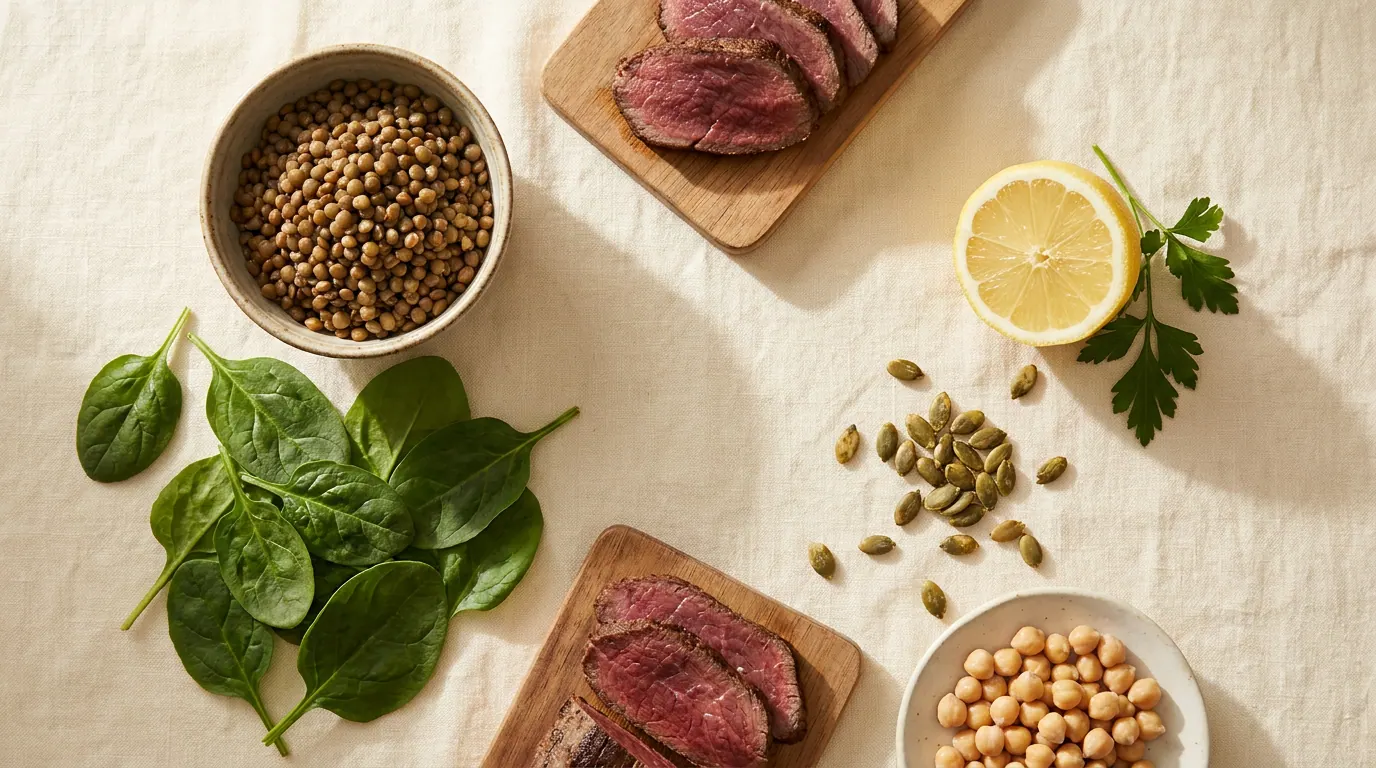
There are two types: Heme iron from animal sources like red meat, chicken, and fish, and non-heme iron from plant sources like lentils, beans, chickpeas, spinach, and fortified cereals. The difference is crucial for absorption: about 25% of heme iron is absorbed, compared to 17% or less for non-heme iron. More importantly, heme iron is not significantly affected by food inhibitors, while non-heme iron is highly sensitive to accompanying foods. What can you do? If you eat meat, include a portion of red meat, chicken, or fish in your meals, as it also enhances the absorption of plant-based iron in the same dish by two to three times.
| Aspect | Heme Iron (Animal) | Non-Heme Iron (Plant) |
|---|---|---|
| Source | Red meat, chicken, fish | Lentils, beans, chickpeas, spinach, fortified cereals |
| Approximate Absorption | Around 25% | 17% or less |
| Effect of Food Inhibitors | Minimal | Highly sensitive |
| Effect of Vitamin C | Limited | Significantly enhances absorption |
| Effect of Accompanying Meat | — | Enhances its absorption in the same dish |
Vitamin C: Iron's Plant-Based Ally
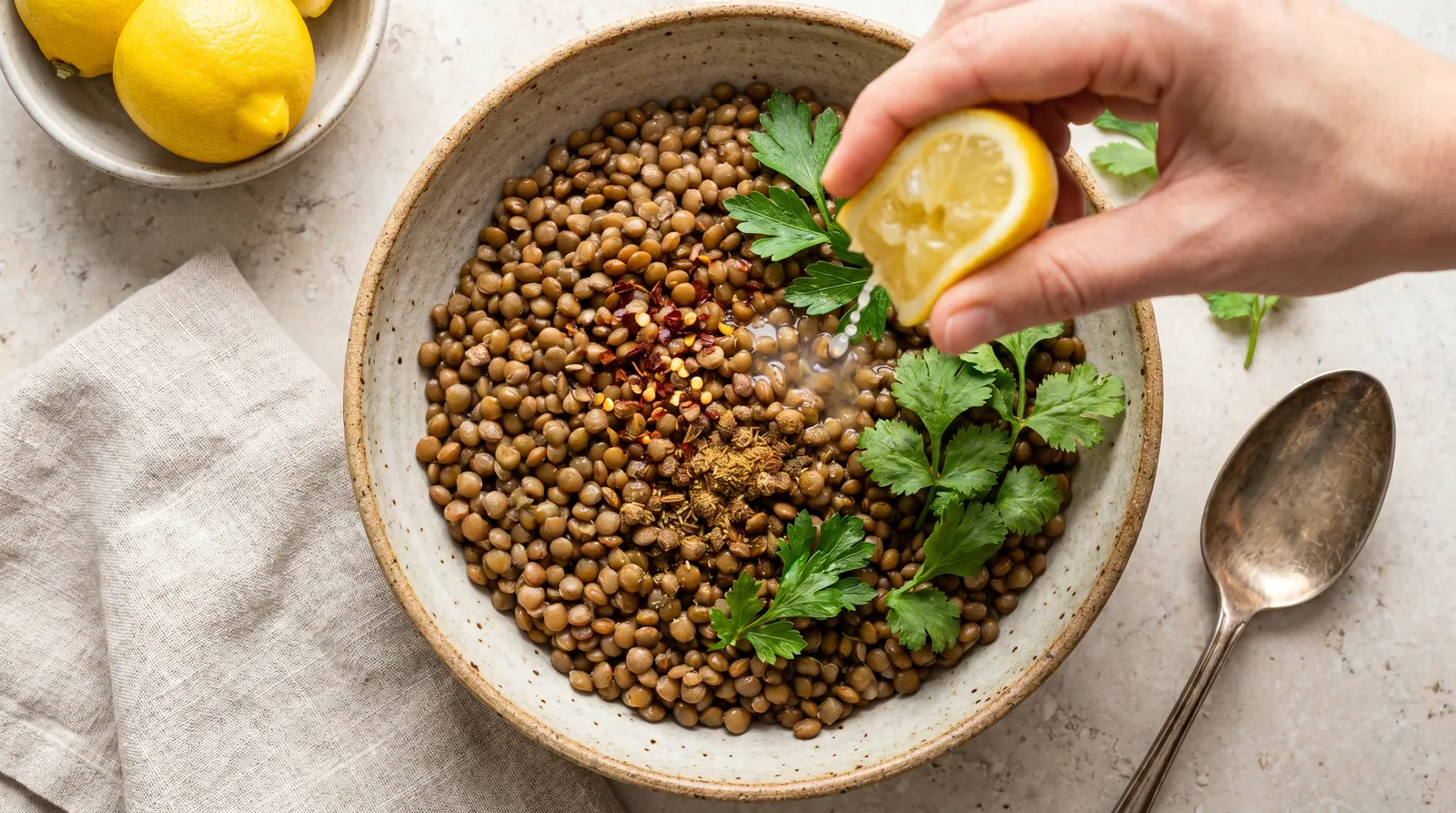
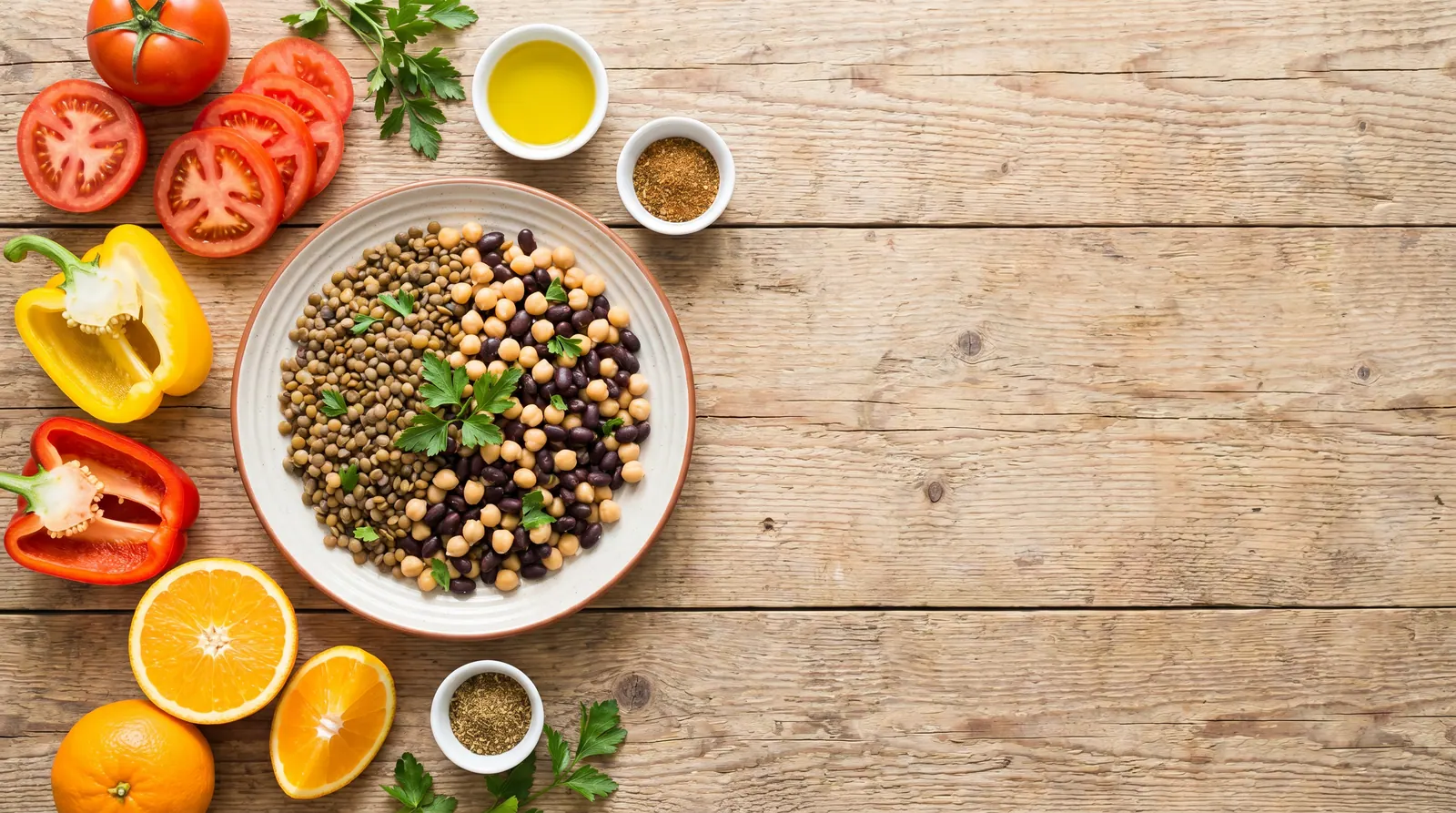
Vitamin C is the most potent known enhancer of non-heme iron absorption. It converts iron from its ferric (3+) to its ferrous (2+) state, which is more easily absorbed, and keeps it soluble, significantly boosting absorption in iron-deficient individuals. This means a glass of fresh orange juice, a slice of lemon, a tomato, or bell pepper with your lentil dish can double the iron your body benefits from. What can you do practically? Squeeze lemon juice over lentil soup, add tomatoes and peppers to beans and chickpeas, and finish your vegetable meal with a Vitamin C-rich fruit like oranges, strawberries, or guava. This small action can be more important than increasing the iron quantity itself.
Tea, Coffee, and Calcium — What Hinders Absorption During Meals
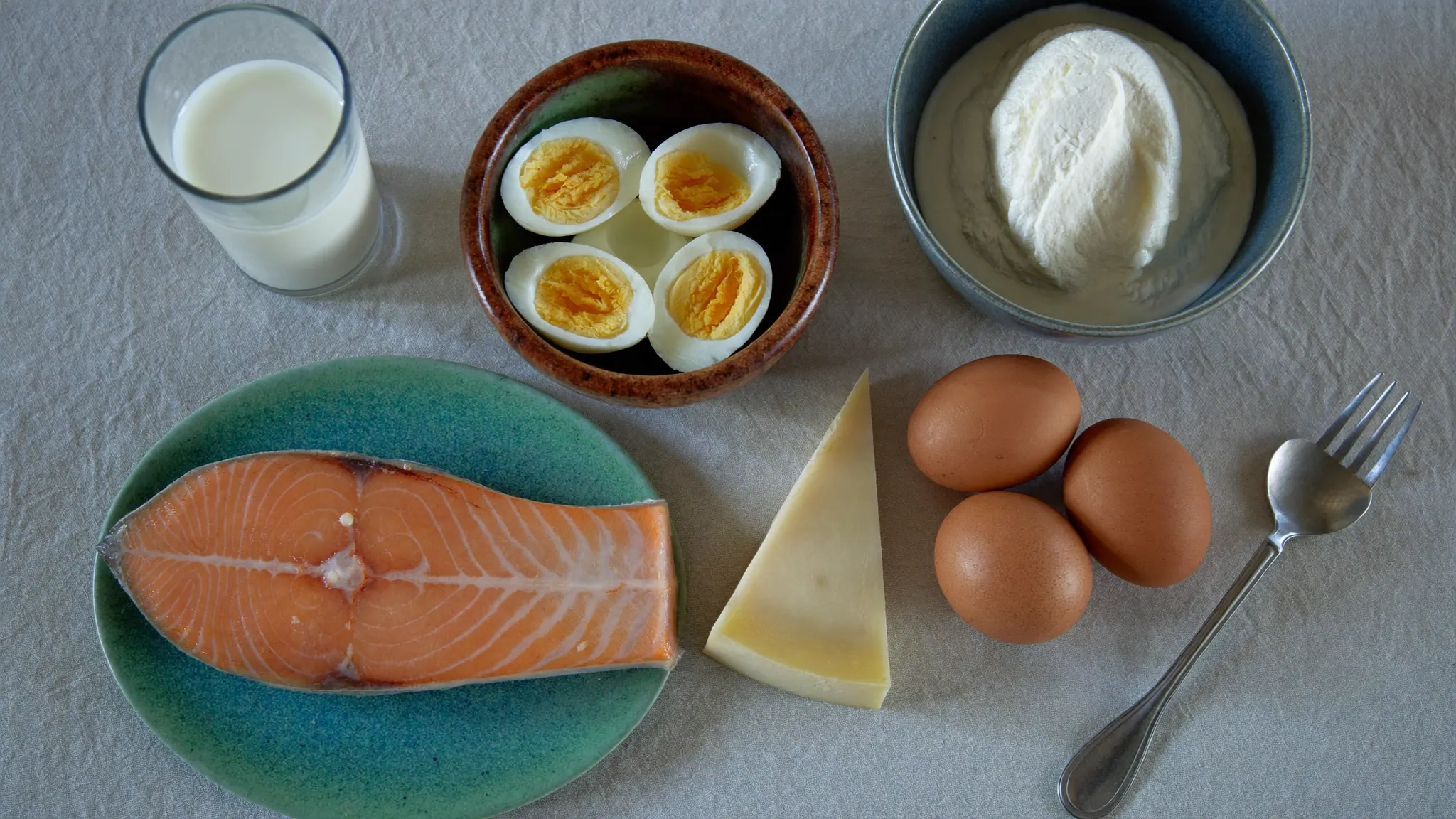
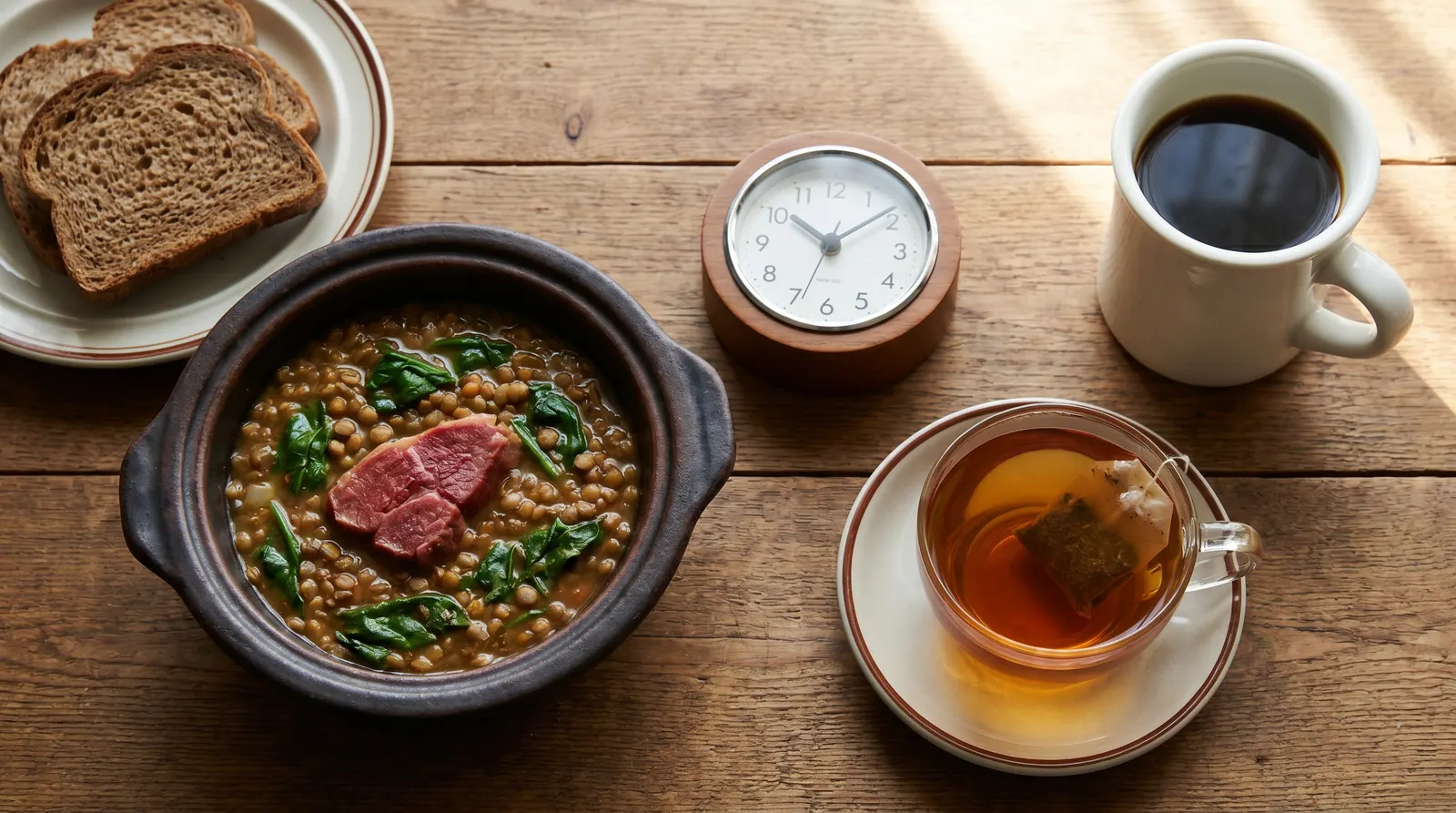
Some of our daily favorites interfere with plant-based iron absorption: tannins in tea and coffee can reduce non-heme iron absorption by half per cup. Phytates in whole grains and legumes, and calcium in milk and dairy products, compete with non-heme iron absorption when consumed in the same meal. The problem is timing, not avoidance. What can you do? Delay tea and coffee by at least an hour after your iron-rich meal. Have your calcium supplement or milk at a different time than your iron-rich meal. Keep tea and milk in your diet, but separate them from lentils, beans, and meat.
Practical Saudi Sources on Your Table
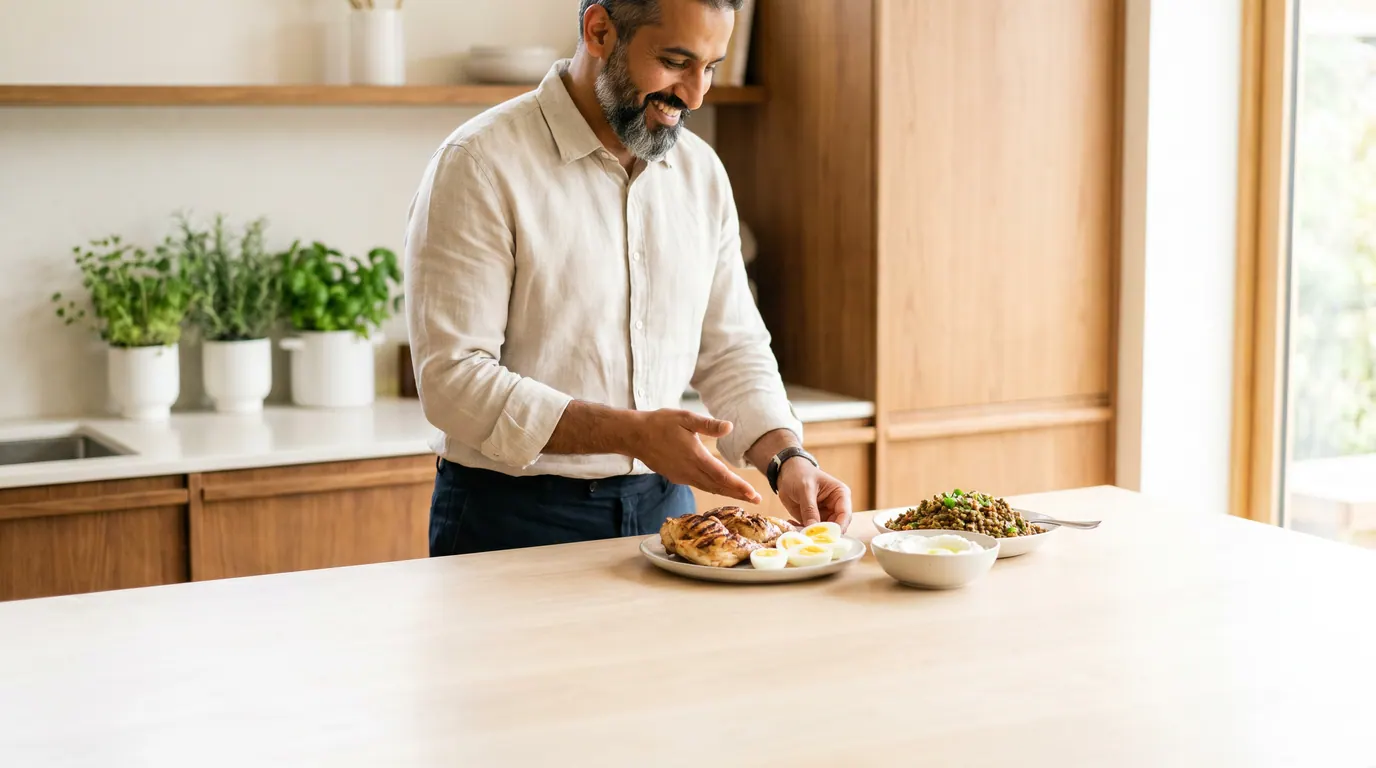
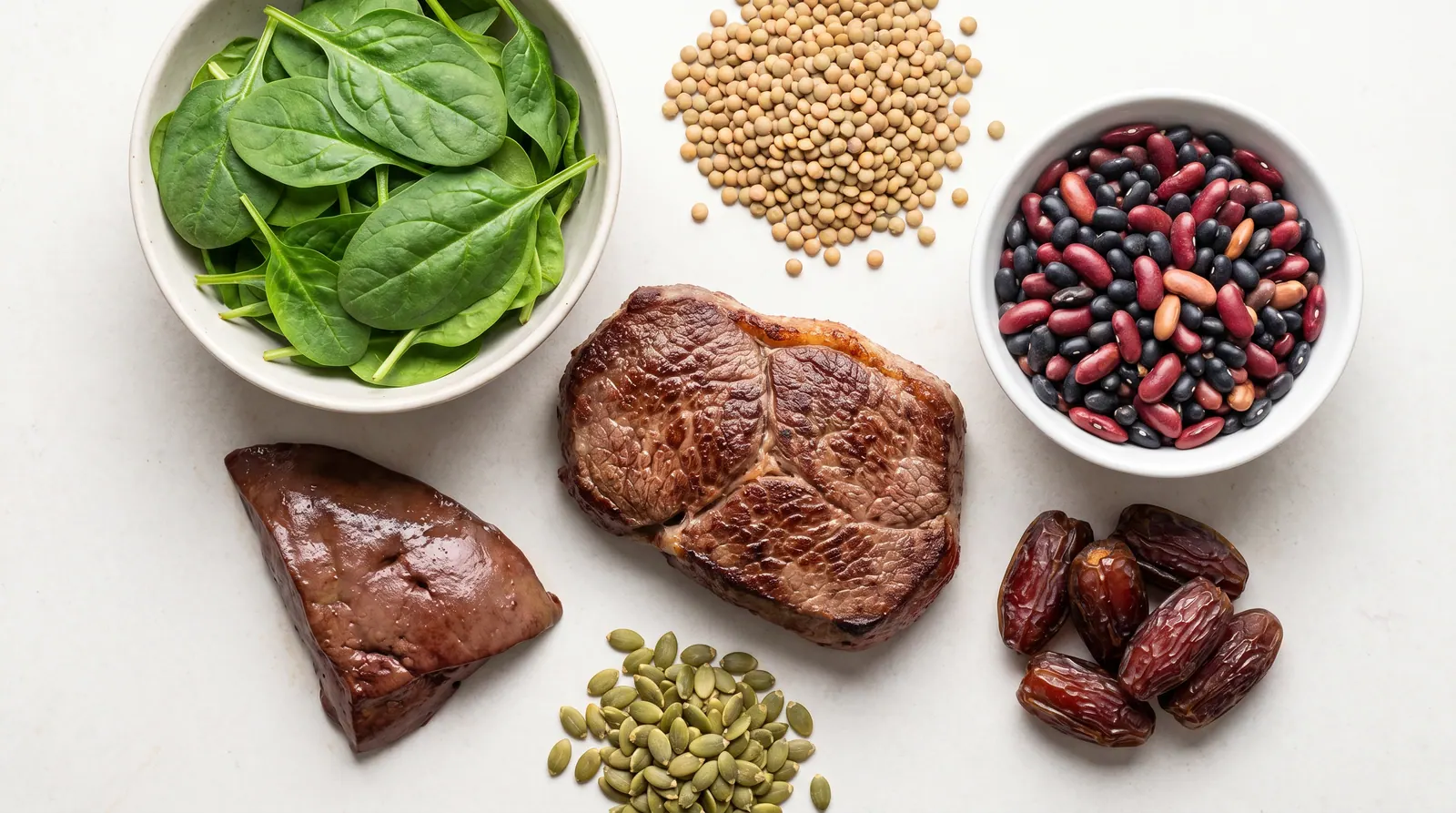
You don't need exotic foods; your kitchen is full of them. Animal sources: Red meat, chicken, and fish. Dishes like Mandi, Kabsa, and Sayadieh are excellent opportunities. Plant sources: Lentils, beans, chickpeas, spinach, and fortified cereals for breakfast. Dates are a mild supplementary source but not as rich in iron as often believed. What can you do? Build your meals around legumes and meats, pair them with Vitamin C, and keep them separate from tea. Lentil soup with lemon, beans with tomatoes, or a chicken dish with a bell pepper and tomato salad are all practical and affordable iron-building blocks.
Caution with Liver — Rich in Iron, But Be Careful During Pregnancy
Liver is one of the richest sources of heme iron, but it is also very high in preformed Vitamin A (retinol). Excess retinol is linked to a risk of birth defects, especially in early pregnancy. Therefore, health guidelines recommend avoiding or limiting liver and Vitamin A supplements during pregnancy. What can you do? Do not make liver your primary iron source during pregnancy. Rely on meat, chicken, fish, and legumes. Consult your doctor before consuming liver frequently. Note that beta-carotene from vegetables and fruits like carrots and pumpkin is safe; the concern is specifically with animal-derived retinol.
Symptoms of Deficiency in Pregnancy — When to Pay Attention
Many symptoms of iron deficiency overlap with normal pregnancy fatigue, making them easy to ignore: fatigue that doesn't improve and worsens after the first trimester, dizziness, shortness of breath with minimal exertion, paleness, palpitations, and sometimes strange cravings for non-food items. These are signals that warrant investigation, not dismissal. What can you do? Don't attribute all fatigue to pregnancy automatically. If fatigue is significantly impacting your day or worsening as pregnancy progresses, request a hemoglobin and ferritin test. Diagnosis remains with the doctor and lab; your role is to notice and report early rather than wait.
When Food Isn't Enough — Supplements Under Supervision
Sometimes, it's difficult to reach 27 mg daily from food alone, especially with pregnancy nausea, a vegetarian diet, or a prior deficiency. The World Health Organization recommends a daily supplement of 30-60 mg of elemental iron with 400 mcg of folic acid to prevent anemia and low birth weight. However, the dosage and necessity of a supplement are medical decisions based on your lab results. What can you do? Do not start high-dose iron supplements on your own. Present your lab results to your doctor to determine the type and dosage. To alleviate stomach upset, taking it with Vitamin C and away from tea and calcium can help. Your doctor might suggest an every-other-day dosage.
Ramadan and Pregnancy — A Smart Window for Iron
If you are pregnant and intend to fast, consult your doctor first, as pregnancy is a valid reason for exemption if fasting poses a risk. If you fast with your doctor's permission, make your Iftar and Suhoor meals iron-rich: lentil soup with lemon at Iftar, and meat or chicken in the main meal. What can you do? Delay tea and coffee, which are common during Ramadan, until at least an hour after Iftar to avoid hindering iron absorption from your meal. Separate milk and calcium supplements from iron-rich meals. Pair every iron meal with a Vitamin C source and drink enough water between Iftar and Suhoor.
Five Common Myths About Iron in Pregnancy
Half-truths about iron in pregnancy abound, leading to missed prevention or increased anxiety. Here are the most common ones and what the evidence says:
"Dates are enough to boost iron during pregnancy."
"Spinach is the best source of iron."
"A cup of tea after a meal is harmless."
"If hemoglobin is normal, there's no iron deficiency."
"The higher the iron supplement dose, the better."
Practical Tips to Implement Starting Today
Before diving into the full protocol, here are small guidelines from the core of the above, reducing deficiency risk in your daily life:
- Iron in Every Main Meal. Include an iron source in every meal: meat, chicken, fish, or legumes like lentils, beans, and chickpeas, so you don't fall behind on your increasing needs.
- Pair Vitamin C with Plant-Based Iron. Squeeze lemon on lentils, or add tomatoes and peppers to beans. This small action doubles what your body absorbs.
- Delay Tea and Coffee. Leave at least an hour between them and your iron meal, and don't drink them during the meal itself.
- Separate Calcium from Iron. Have your glass of milk or calcium supplement at a different time than your iron-rich meal.
- Combine Meat with Legumes. In the same dish, meat enhances the absorption of accompanying plant-based iron.
- Be Cautious with Liver as a Primary Source. Do not make it your primary source during pregnancy due to its high Vitamin A content. Consult your doctor before frequent consumption.
- Request Ferritin with Hemoglobin. Stores deplete before hemoglobin drops, so requesting it detects deficiency early.
- If Prescribed an Iron Supplement. Take it with Vitamin C and away from tea to reduce stomach upset, at the dosage prescribed by your doctor.
EEINA's Protocol for Iron in Pregnancy
A practical plan combining the above into three progressive layers. Start layer by layer. All medical steps remain under your doctor's supervision.
The protocol is based on WHO recommendations and reliable nutrition sources and does not replace medical follow-up.
Habits to Boost Iron
Four habits every day.
Monitoring and Awareness
Steps to protect your stores.
When Food Isn't Enough
A medical, not dietary, decision.
Golden Rule: Food builds prevention, and the doctor leads treatment. Plan your meals smartly, and leave supplement decisions and dosages to your lab results and your doctor.
Frequently Asked Questions
How much iron do I need daily during pregnancy?
Should I completely stop drinking tea and coffee?
I'm vegetarian, how can I get enough iron?
Should I eat liver during pregnancy because it's rich in iron?
When does a supplement become necessary and food is not enough?
Start Your Next Step with EEINA
Iron-Rich Meal Plan
Saudi recipes that build iron in every meal, paired with Vitamin C for doubled absorption.
Get Your Plan →Enhance Your Favorite Recipes
Pair your Saudi dishes with Vitamin C and separate them from tea to maximize their iron benefits.
Try It →EEINA App
Tracks your meals, reminds you of iron and Vitamin C sources, and provides reports for your doctor during follow-ups.
Download →