How B12 Protects Your Nerves and Blood Simultaneously
Vitamin B12 plays a crucial role in building the myelin sheath, the insulating layer that surrounds nerves and speeds up signal transmission, akin to the insulation around an electrical wire. When vitamin levels are low, this structure is disrupted, the sheath gradually erodes, and nerve signals weaken or become distorted, leading to sensory and motor problems.
In the bone marrow, B12 is essential for the maturation of red blood cells. Its deficiency leads to enlarged red blood cells and megaloblastic anemia. Clinically, the symptom can be purely neurological, such as tingling, or hematological, such as fatigue and pallor, or a combination of both. This explains why the deficiency can manifest in various ways that might mislead the inattentive.
Why Deficiency is Delayed for Years Before Appearing
The liver stores about 2 to 5 milligrams of B12, a substantial amount relative to the small daily requirement of approximately 2.4 micrograms for adults. Therefore, if one stops consuming the vitamin or absorption weakens, the stores are usually sufficient for three to five years before anemia appears.
This delay is why the deficiency is called silent: the patient feels outwardly healthy while gradually depleting their reserves. Practically, someone starting a strict vegetarian diet or a medication that impairs absorption will not experience symptoms immediately but requires monitoring, as the absence of symptoms today does not guarantee the safety of their reserves tomorrow.
Neurological Symptoms: From Tingling to Gait Disturbance
Neurological manifestations begin in the posterior and lateral columns of the spinal cord, in what is known as subacute combined degeneration. The first signs are often tingling and pins-and-needles sensations in the hands and feet, reduced vibratory sense, and impaired position sense without looking. As it progresses, muscle weakness, hyperreflexia, and spasticity are added, followed by balance issues and unsteady gait. Cognitive difficulties, memory impairment, and mood changes may also occur.
Practically, symmetrical tingling in the feet that ascends, along with unsteadiness in walking, especially in the dark, is a sign that warrants a B12 check, rather than dismissing it as transient fatigue.
Blood-Related Symptoms and the Tongue Sign
The deficiency causes megaloblastic anemia, meaning red blood cells are larger than normal and less efficient at carrying oxygen, leading to fatigue, pallor, shortness of breath on exertion, and dizziness. A characteristic sign is glossitis, an inflamed, red, smooth, and sometimes painful tongue, which might be the first thing a patient or dentist notices. Additionally, hypersegmented neutrophils may appear in blood tests.
Practically, unexplained fatigue with a red, smooth tongue or tingling warrants a complete blood count and B12 measurement before attributing tiredness to work stress.
Saudi Arabia Statistics
B12 deficiency is more common among us than might be expected in a country with a rich diet. A survey of 8,365 Saudis found an overall prevalence of 11.46%, with higher prevalence and lower average levels among females.
In a 2024 study of 1,314 individuals in Riyadh, 53.3% were tested, and among them, 51.1% (364 people) had readings below normal. Meanwhile, 61.3% were unaware of any proper dietary source of the vitamin, and about 20.5% mistakenly believed fruits and vegetables were a source. Studies in Arab countries indicate a prevalence ranging from 6% to 30% among diabetic patients and high-risk groups.
Do Your Symptoms Suggest B12 Deficiency? — Self-Check
This screening is indicative and based on deficiency profiles and risk factors; it does not replace a doctor's diagnosis. Select what applies to you:
Who Is Most at Risk of Deficiency

Vegetarians. Vitamin B12 is not naturally produced by plants; its reliable sources are animal-based: red meat, liver, fish, shellfish, poultry, eggs, and dairy products. Therefore, strict vegetarians are most susceptible. Deficiency may appear about three years after adopting a diet free of animal products due to depletion of liver stores. Those following this diet need regular supplementation or fortified foods like fortified breakfast cereals and plant-based milk. The claim that fruits and vegetables can compensate for the vitamin is a common misconception, noted in a Riyadh study among nearly one-fifth of participants.
The Elderly. Absorption of B12 from food requires stomach acid to release the vitamin bound to protein, followed by intrinsic factor to transport it to the end of the small intestine. With age, stomach acid secretion decreases. It's estimated that 10% to 30% of individuals over 50 have difficulty absorbing food-bound dietary B12, although crystalline vitamin in supplements remains absorbable. Therefore, improving diet alone may not be sufficient for the elderly, and they might benefit from a crystalline oral supplement with periodic checks.
Stomach Surgeries and Intestinal Diseases. Stomach surgeries like bariatric surgery and gastric bypass, or conditions that impair the sources of intrinsic factor, stomach acid, and the absorption site in the terminal ileum, can cause deficiency. Inflammatory bowel diseases and celiac disease damage the absorptive surface. Pernicious anemia is an autoimmune condition that destroys parietal cells or attacks intrinsic factor itself, making absorption impossible despite abundant dietary vitamin. Individuals who have undergone bariatric surgery in Saudi Arabia, which is common, require a lifelong supplementation and monitoring protocol, as diet alone, however improved, may not suffice.
Metformin and Acid Suppressors: A Cumulative Drug Risk
Metformin reduces B12 absorption in the intestines, and the longer it's used, the higher the risk gradually increases, with higher doses exacerbating it. Common acid-reducing medications, such as proton pump inhibitors and H2 blockers, lower stomach acid, hindering the release of vitamin from food. Practically, combining Metformin with an acid-reducing drug doubles the risk. Therefore, patients who combine them for years are the most likely to need monitoring.
Practically, a Saudi diabetic patient taking Metformin for years, especially with an acid-reducing medication, is a candidate for screening. The American Diabetes Association recommends screening individuals over 65 who have used Metformin for 3 to 5 years with risk factors.

Why Deficiency Becomes Dangerous If Treatment Is Delayed
Nerve damage is initially reversible, but the longer it goes untreated, the more permanent and less responsive it becomes. The key takeaway for you is that delayed treatment often stops the condition's progression but may not fully restore what has been lost. Few who are treated late regain their full neurological function. Therefore, time is a critical factor, and early treatment is what protects your nerves.
More dangerously, neurological symptoms can appear without any anemia. Neurological signs have been observed in the absence of anemia, so relying solely on blood counts can be misleading. Practically, do not wait for anemia to appear; persistent tingling or gait disturbance warrants a rapid evaluation, as the window for complete recovery narrows with time.
Testing and Diagnosis: Beyond Misleading Readings
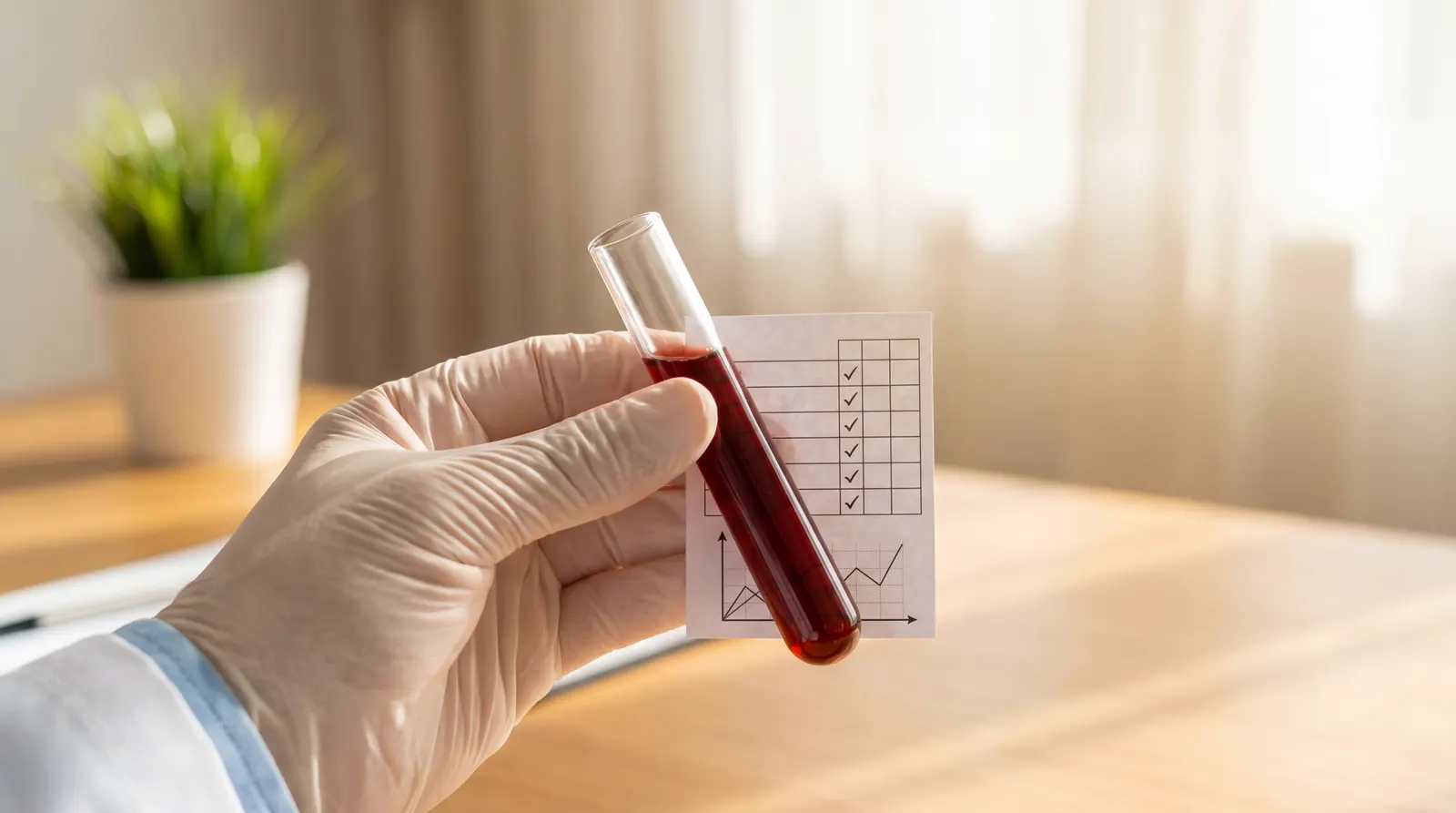
Evaluation begins with measuring B12 in the blood along with a complete blood count. However, the number alone can be deceptive if it's borderline. Therefore, doctors sometimes resort to two more precise tests that can detect deficiency even if the level appears acceptable: methylmalonic acid (MMA) and homocysteine. These tests can also distinguish B12 deficiency from folate deficiency, which has similar symptoms. If an autoimmune cause of deficiency is suspected, the doctor may order additional tests to confirm the diagnosis.
Practically, if your reading is borderline with clear symptoms, ask your doctor to measure methylmalonic acid and homocysteine instead of relying solely on the single B12 value, as functional deficiency may precede a drop in the level.
Treatment: Oral vs. Injections
Traditional intramuscular injections bypass absorption issues. However, a Cochrane review and recent analyses have shown that high-dose oral supplements are as effective as injections in normalizing B12 levels, lowering homocysteine, and correcting anemia and neurological symptoms in many patients, at a lower cost and with greater convenience. Injections remain preferred for severe deficiency with deep neurological symptoms or severe malabsorption.
The Saudi Diet and Ramadan: Practical Application
The Saudi cuisine is rich in B12 sources: meat in Kabsa and Mandi, fish on the coast, eggs, and dairy for breakfast. However, the increasing reliance on fast, starchy meals, the prevalence of bariatric surgeries and Metformin, and the expansion of vegetarian lifestyles among youth all place wider segments of the population at risk despite food abundance.
During Ramadan, the reduced eating window might lead some people to opt for light, starchy meals at Iftar and Suhoor, thus reducing animal-based sources. Practically, ensure your Iftar or Suhoor includes an animal-based source like eggs, yogurt, meat, or fish. Those taking Metformin or who have had stomach surgery should discuss supplementation and testing with their doctor before the month.
When to See a Doctor — Red Flags
Certain signs warrant immediate medical attention, as the window for treating nerve damage narrows over time:
- Symmetrical tingling or prickling in the feet or hands that persists or ascends.
- Balance issues and unsteadiness in walking, especially in the dark or with eyes closed.
- Muscle weakness, stiffness, or hyperreflexia.
- Significant deterioration in memory or concentration, or unexplained mood changes.
- Fatigue, pallor, and shortness of breath on exertion with a red, smooth, painful tongue.
- A diabetic patient on Metformin for years, especially with an acid-reducing medication, experiencing neurological symptoms.
- Someone who has undergone bariatric surgery, stomach removal, or intestinal surgery and develops neurological symptoms or anemia.
The presence of any of these signs does not necessarily mean only B12 deficiency, but it indicates that the matter requires rapid medical evaluation before potentially reversible damage becomes permanent.
Five Common Myths About B12 Deficiency
Half-truths circulate about B12 deficiency, offering misplaced reassurance or causing treatment delays. Here are the most common ones, and what the evidence says:
"If my blood test is normal, my B12 level is fine."
"Deficiency appears immediately after stopping sources."
"Fruits and vegetables are enough to compensate for B12."
"As long as I eat meat, I won't get deficient."
"Injections are always stronger and better than pills."
Practical Tips to Implement Today
Before a structured plan, here are small, actionable tips derived from the above, reducing your risk and keeping your nerves safer:
- Include an animal source daily. An egg for breakfast, a piece of fish or meat for lunch, or a cup of yogurt is enough to cover your small vitamin need without calculation effort.
- Do not rely on fruits and vegetables as a source of B12. Plants do not naturally produce it; this is a common misconception. If you are vegetarian, rely on regular supplements or fortified foods like breakfast cereals and plant-based milk labeled as fortified with B12.
- During Ramadan, maintain an animal source at Iftar or Suhoor. Don't let both meals be just light, starchy options, as the narrow eating window reduces animal-based intake without you noticing.
- For busy times: Keep quick, ready-to-eat options available, such as hard-boiled eggs, yogurt, and canned tuna, so that rush doesn't lead you to a vitamin-free starchy meal.
- If you are in a high-risk group, don't just improve your diet. Strict vegetarians, the elderly, and those who have had stomach surgery may not get enough from food alone, as the problem is with absorption, not quantity. These individuals need supplementation and regular checks.
- What to tell your doctor: If your B12 reading is borderline and you have symptoms, ask for methylmalonic acid and homocysteine measurements, as they are more accurate than a single value in detecting early deficiency.
- If you've been on Metformin or acid-reducing medication for years, bring up screening yourself. Do not stop the medication on your own, but discuss B12 testing with your doctor, especially if you are over 65 or experiencing neurological symptoms.
- Avoid a common mistake: Don't wait for anemia to appear to worry about your nerves, as nerve damage can precede anemia. Any symmetrical tingling in the feet that ascends or unsteadiness in walking, especially in the dark, warrants rapid evaluation.
EEINA's Protocol for B12 Deficiency Prevention
A practical plan combining the above in three progressive layers. Start layer by layer, and do not replace it with a doctor's consultation if neurological symptoms appear.
The protocol is based on reliable references in B12 nutrition and neurology, and is always supplemented by medical examination.
An Animal Source on Your Plate
Your daily prevention basis.
Supplementation and Regular Check-ups
If you are in a risk category.
Don't Ignore Your Nerves
Speed protects what can be saved.
Golden Rule: Deficiency is silent but not destiny. Early attention to a small neurological signal is far cheaper than fixing damage that has become permanent.
Frequently Asked Questions
What is my daily requirement of Vitamin B12?
Does tingling from B12 deficiency resolve with treatment?
I am vegetarian, what should I do to avoid deficiency?
I take Metformin for diabetes, am I at risk?
Are oral pills enough, or do I need injections?
Start Your Next Step with EEINA
Nutrient-Rich Meal Plans
Balanced Saudi recipes ensuring a reliable animal-based source of B12 for your day and Ramadan.
Get Your Plan →Explore B12 Sources
Discover which foods on your table are richest in the vitamin and how to balance them.
Explore →EEINA App
Track your diet and nutrients, with meal reminders and organized reports for your doctor.
Download →