
Gulf BBQ Marinade: The Science of Tender Grilling
The secret to tender, flavorful Gulf BBQ isn't just the spices—it's the chemistry of the marinade. By balancing four essential pillars (Salt, Acid, Oil, and Aromatics), you can transform meat fibers, lock in moisture, and even reduce harmful compounds formed during high-heat grilling. Explore the science of the perfect Gulf marinade.
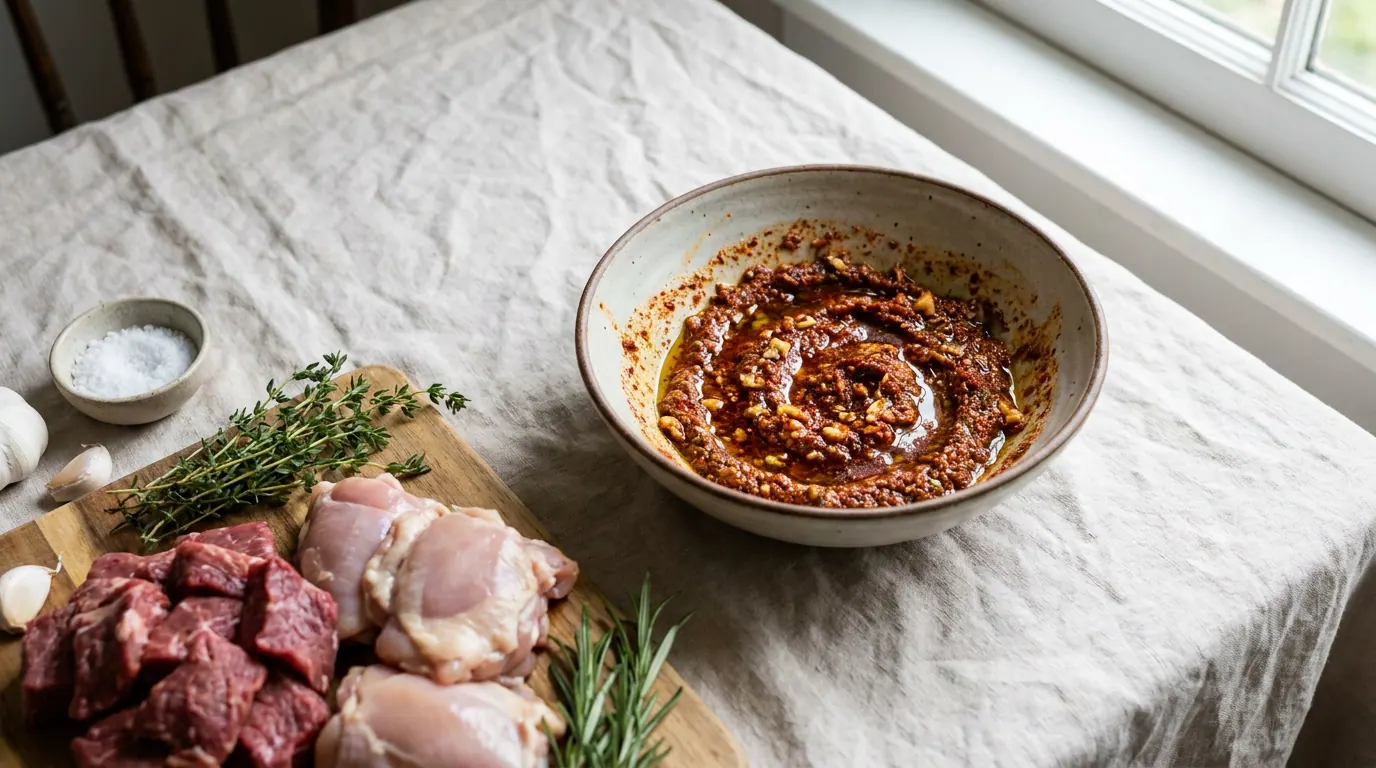
The Four Pillars of Marinating
A successful marinade is more than just flavor; it's a functional tool for meat preparation. Each component plays a specific role in the chemical process of marinating.
Salt is the only ingredient that truly penetrates deep into the meat. It denatures proteins, allowing muscle fibers to retain more water during cooking, resulting in juicier results.
Acids like lemon juice or vinegar weaken surface proteins, creating a "melt-in-your-mouth" texture. However, too much acid for too long can make meat mushy.
Oil dissolves fat-soluble flavor compounds from spices and transfers them to the meat surface. It also ensures even heat distribution on the grill.
Garlic, ginger, and heritage spices like Loomi (black lime) and cardamom provide the unmistakable Gulf profile, creating a fragrant crust during grilling.
Kitchen Evidence & Testing
We tested various marinating times and ratios to find the optimal balance for Gulf-style grilling.
Comparing 2 hours vs. 24 hours of marinating.
Testing salt concentration by weight.
Testing vinegar vs. lemon juice.
Safety & Health Tips
Grilling at high temperatures can create compounds called HCAs and PAHs. Marinades aren't just for flavor—they act as a protective barrier.
Marinating meat for just 30 minutes can reduce the formation of Heterocyclic Amines (HCAs) by up to 90% by creating a physical barrier against direct heat.
Always marinate in the refrigerator, never on the counter. Discard marinade that has touched raw meat, or boil it thoroughly before using as a sauce.
Frequently Asked Questions
Can I reuse the marinade?
What is the best oil for grilling?
Does marinating overnight make meat tougher?
Add Heritage Sauces to Your Meal Plan
EEINA connects your favorite sauces with calculated Saudi recipes. Start your journey today.
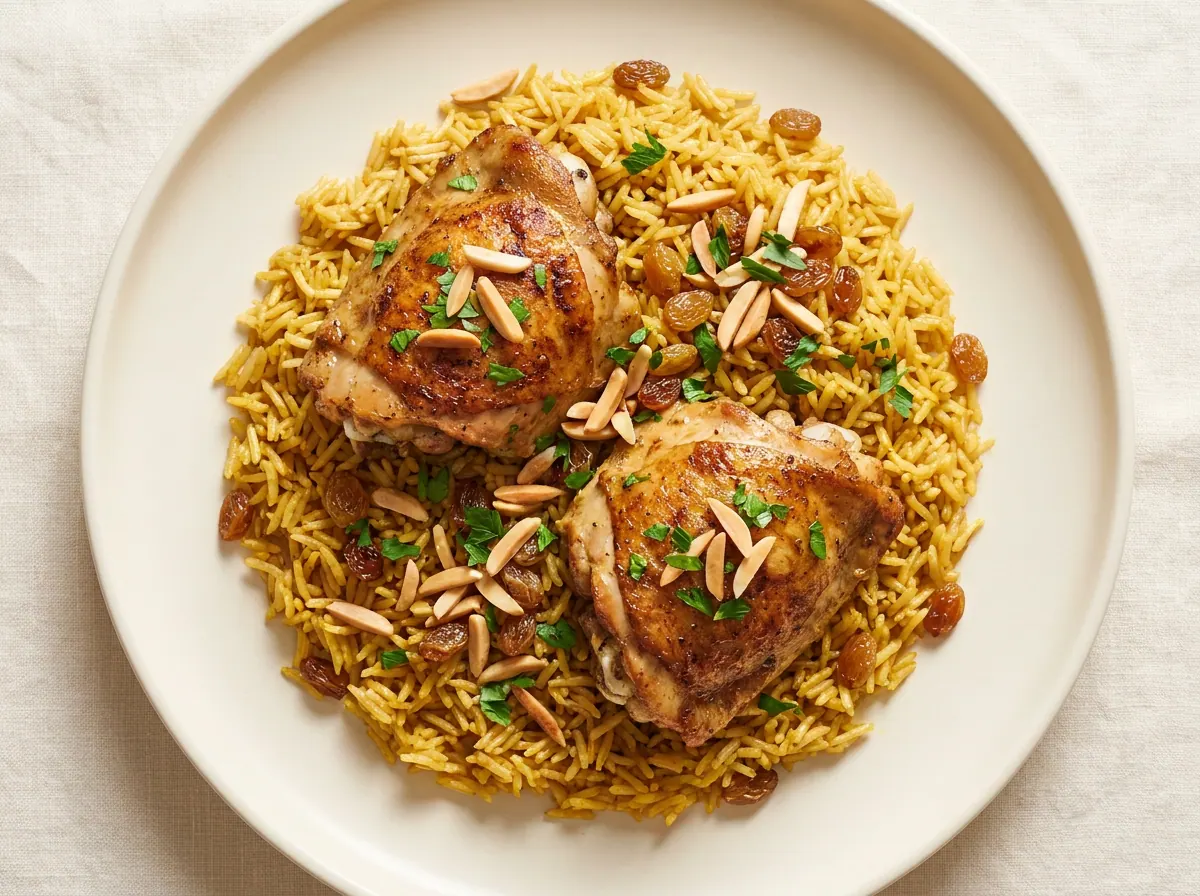
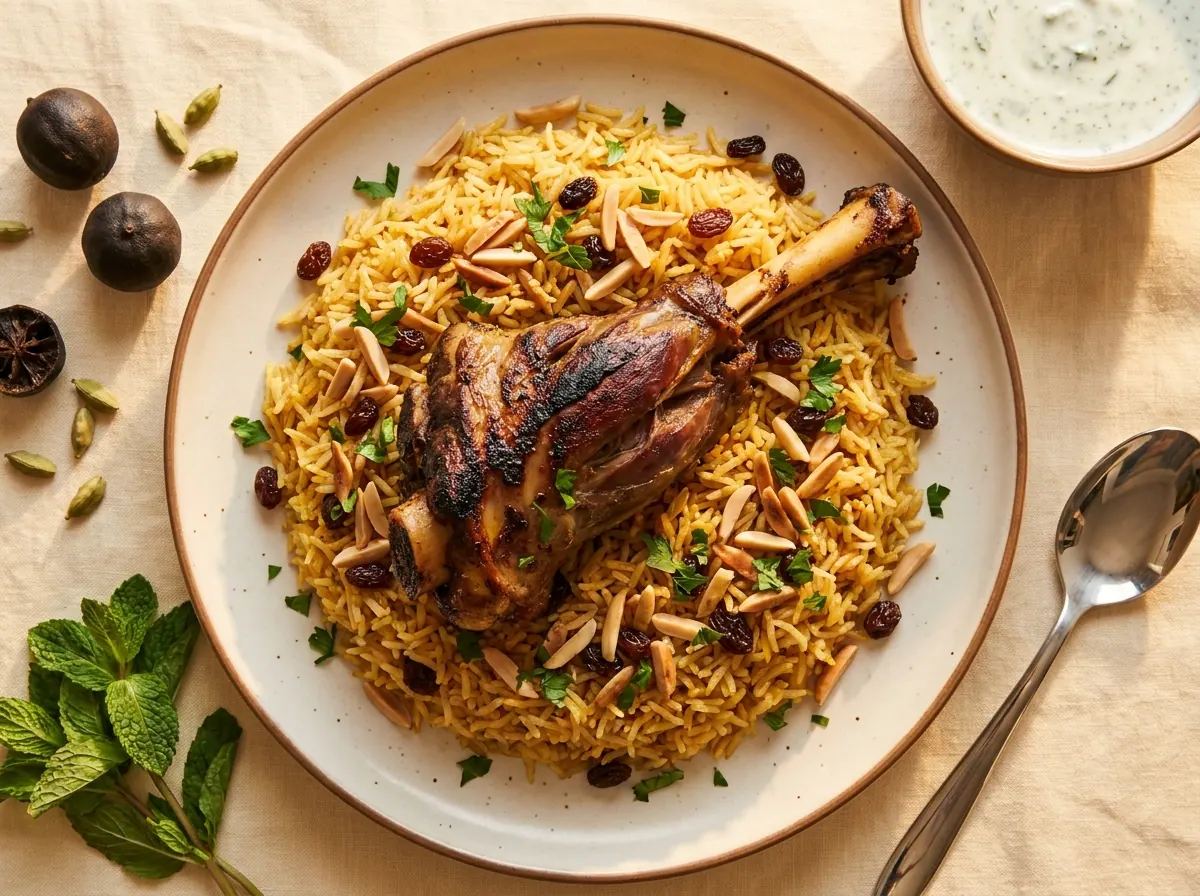
Featured Recipes for This Marinade
References & Sources
- Controlled Trial Smith et al. — Effect of Marinades on the Formation of Heterocyclic Amines in Grilled Beef Steaks — Wiley Online Library
- National Cancer Institute Chemicals in Meat Cooked at High Temperatures and Cancer Risk (HCA/PAH) — cancer.gov
- AICR Practicing Safe Grilling Can Reduce Cancer Risk — American Institute for Cancer Research
- USDA Can you reuse meat marinade? — AskUSDA
- USDA FSIS Safe Minimum Internal Temperature Chart — fsis.usda.gov
- USDA FSIS Poultry: Basting, Brining, and Marinating — fsis.usda.gov
- Culinary Science Modernist Cuisine — The Maillard Reaction — modernistcuisine.com
- Brining Science Science of Cooking — The Science of Brining — scienceofcooking.com
- Marinade Science UCLA Science & Food — Science of Marinades — scienceandfood.org
Last verified: 2026-05-30. References combine a controlled laboratory trial, health and research institutions (NCI, AICR, USDA), and culinary-science sources.