Butter is melted and cleared of its water and milk solids, leaving the clear, fragrant oil that keeps for months without refrigeration. Homes made it for centuries from churned butter, and the modern kitchen's version begins from store butter in half an hour.
Preparation Steps
Melt the butter over low heat
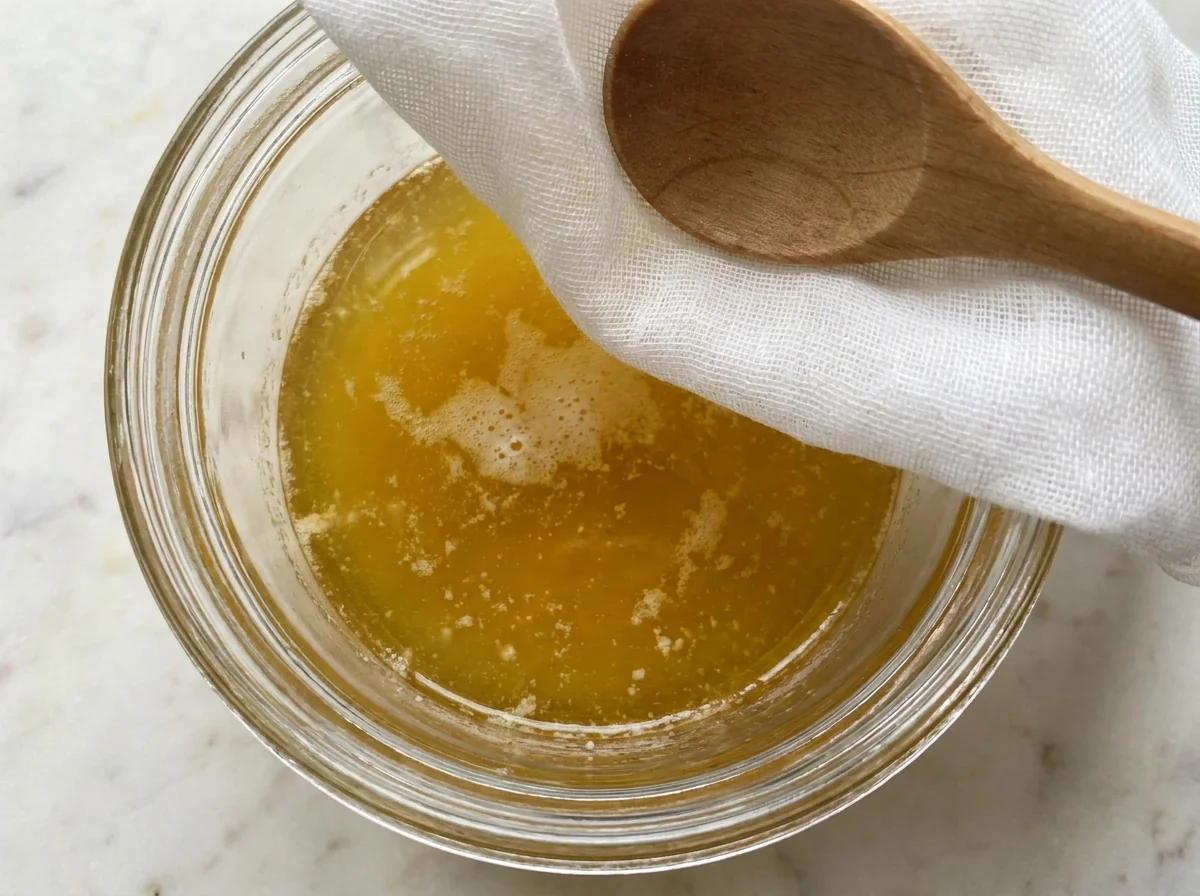
In a heavy pot, melt the butter over low heat without stirring. It melts and separates before you into three layers: white foam floating on top, clear golden oil in the middle, and white milk solids settling at the bottom.
Let it settle and clarify on its own
Twenty minutes over that same low heat, during which its moisture evaporates and it crackles a crackle that fades gradually. The fading crackle announces that the water is gone, the foam sinks, and the solids gather at the bottom.
Wait for the moment of gold and hazelnut
In the final minutes, the bottom solids turn light brown and a warm hazelnut aroma rises, the very signature of country ghee that homes know. Lift the pot at once: between the hazelnut aroma and burning lies a single minute.
Strain and bottle the gold of the kitchen
Strain it through doubled cheesecloth into a dry glass jar. Clear golden ghee that keeps for months outside the fridge thanks to its freedom from water and milk solids: a drizzle for our marasee, aseeda, and khawaada, and the grandmothers' spoon on which the whole heritage kitchen rests.
Blood Sugar Impact
The glycemic index (GI) measures how quickly a food raises blood sugar, while the glycemic load (GL) measures how much a full serving raises it. Together they give the complete picture.
Glycemic Index
GI
0Low
Low0–55Medium56–69High70+
A low value (≤55) means a gradual rise in blood sugar — the most suitable range for diabetes and insulin resistance.
Glycemic Load
GL
0Low
Low0–10Medium11–19High20+
Glycemic load reflects the impact of the full serving. To lower it: take half a serving, or pair the recipe with a source of protein and fiber.
Nutritional Information
Per ServingMakes 20 servings · one serving is about 25 g of raw ingredients
Calories179 kcal9%of Daily Value*
Protein0 g0%of Daily Value*
Carbohydrates0 g0%of Daily Value*
Fat20 g26%of Daily Value*
Fiber0 g0%of Daily Value*
Sodium3 mg0%of Daily Value*
Potassium6 mg0%of Daily Value*
Phosphorus6 mg0%of Daily Value*
* Percent Daily Values are based on a 2,000-calorie diet per FDA food-label reference values — your daily needs may be higher or lower. Values are derived from the recipe's ingredients via the USDA database.
Troubleshooting
The most common problems when preparing Homemade Country Ghee from Butter, and how to fix them:
It came out without the hazelnut aroma
It was lifted too early, at the first clarity. Wait until the solids turn light brown. They are what makes the aroma, not the oil.
A burnt, bitter taste
The moment passed. There is no rescue, and low heat throughout the journey lengthens the seconds of safety.
It crackled and spattered suddenly
The butter's water rebels over high heat. Low and patient evaporates it in a whisper, and a heavy, deep pot has a wider chest.
It turned cloudy in its jar
A hasty straining let solids through, or a damp jar. Doubled cheesecloth and a completely dry jar, and cloudiness shortens its life.
Storage and Make-Ahead
At room temperature
Three months in an airtight, dry jar with a dry spoon. This is its miracle.
In the fridge
A full year, set firm. Scoop it with a spoon and it melts at the first heat.
Its shifting consistency
Liquid in summer, grainy in winter. Both are sound and natural.
Tested Ingredient Substitutions
Original Ingredient
Tested Substitute
Ratio
Flavor Difference
Store butter
Homemade butter from heavy cream (our recipe)
1:1
The full heritage chain: cream to butter to ghee
The leftover browned solids
Stir them into rice or dough
to taste
The grandmothers' secret morsel. Do not throw it away
Its first use
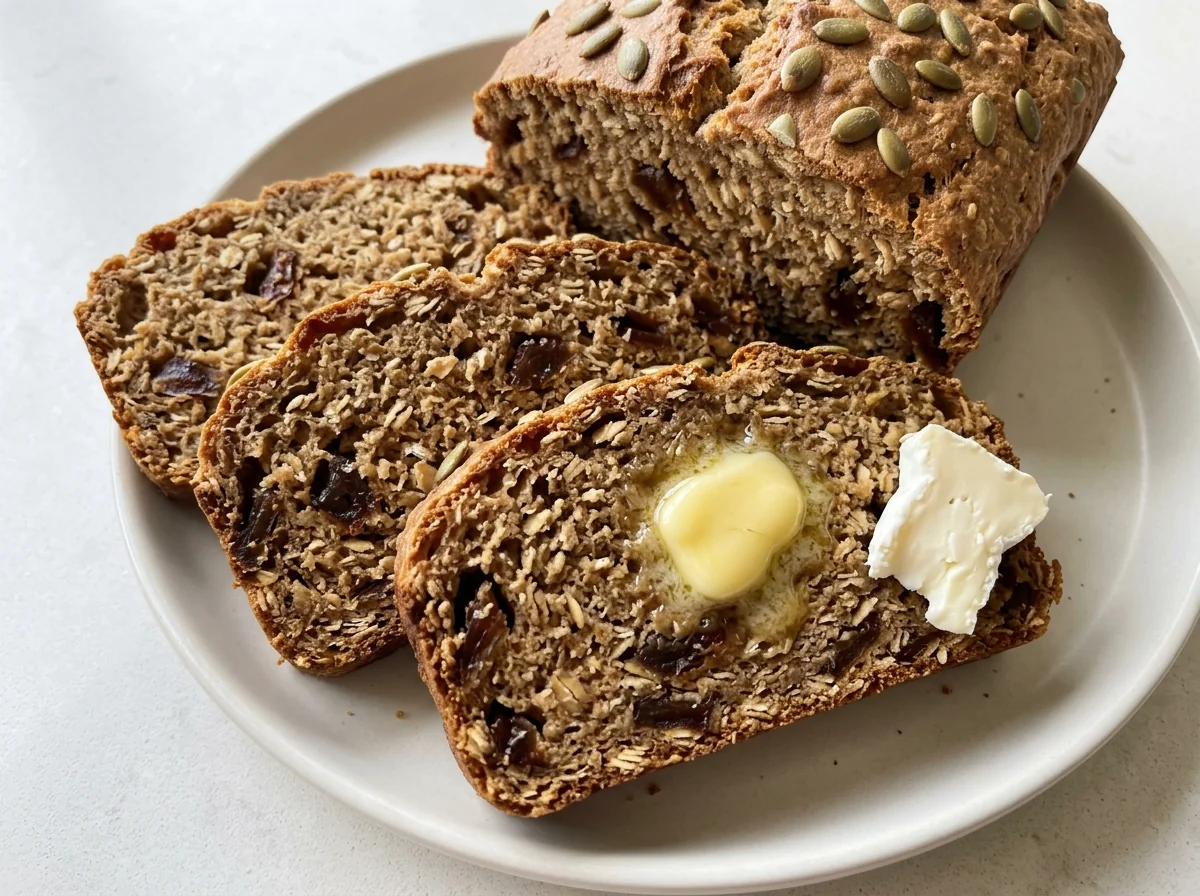
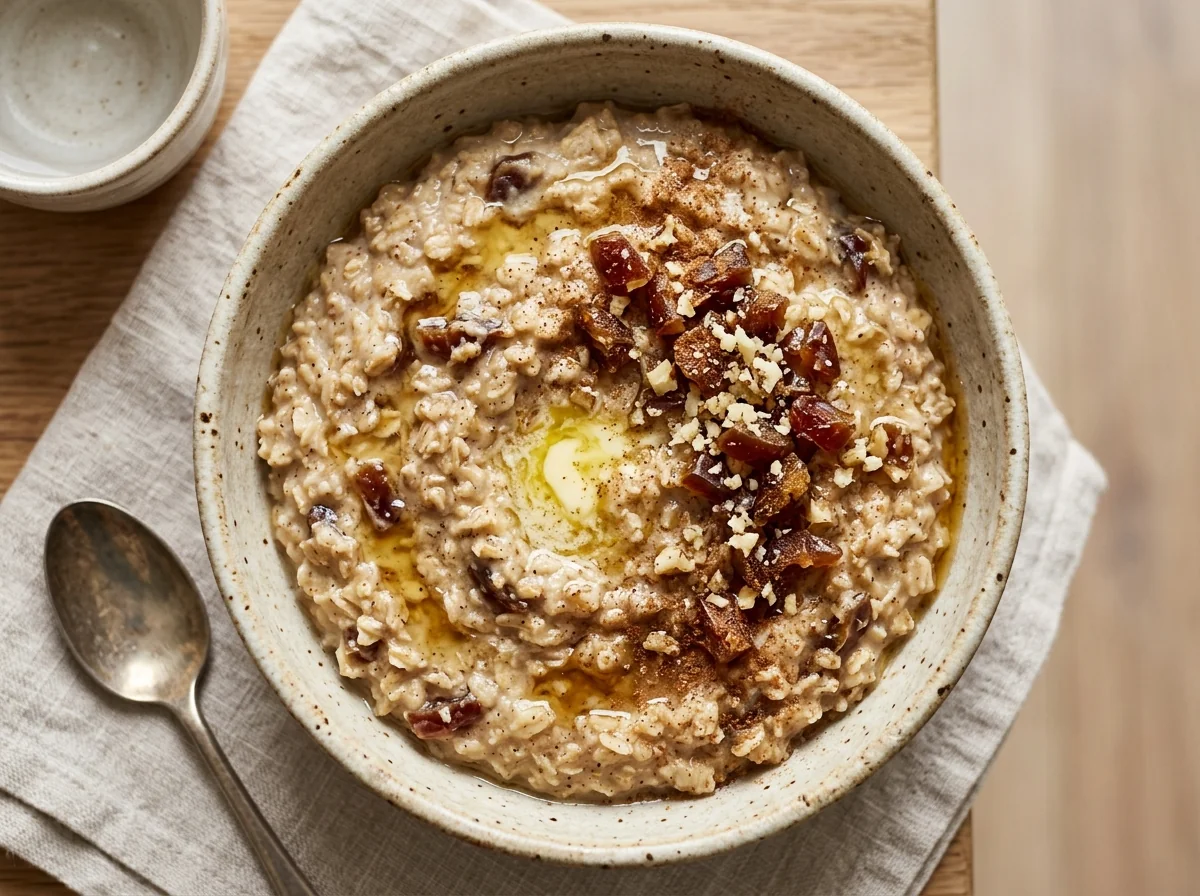
Heritage drizzles: marasee, aseeda, areeka, and khawaada
to taste
It is the soul they cannot stand without
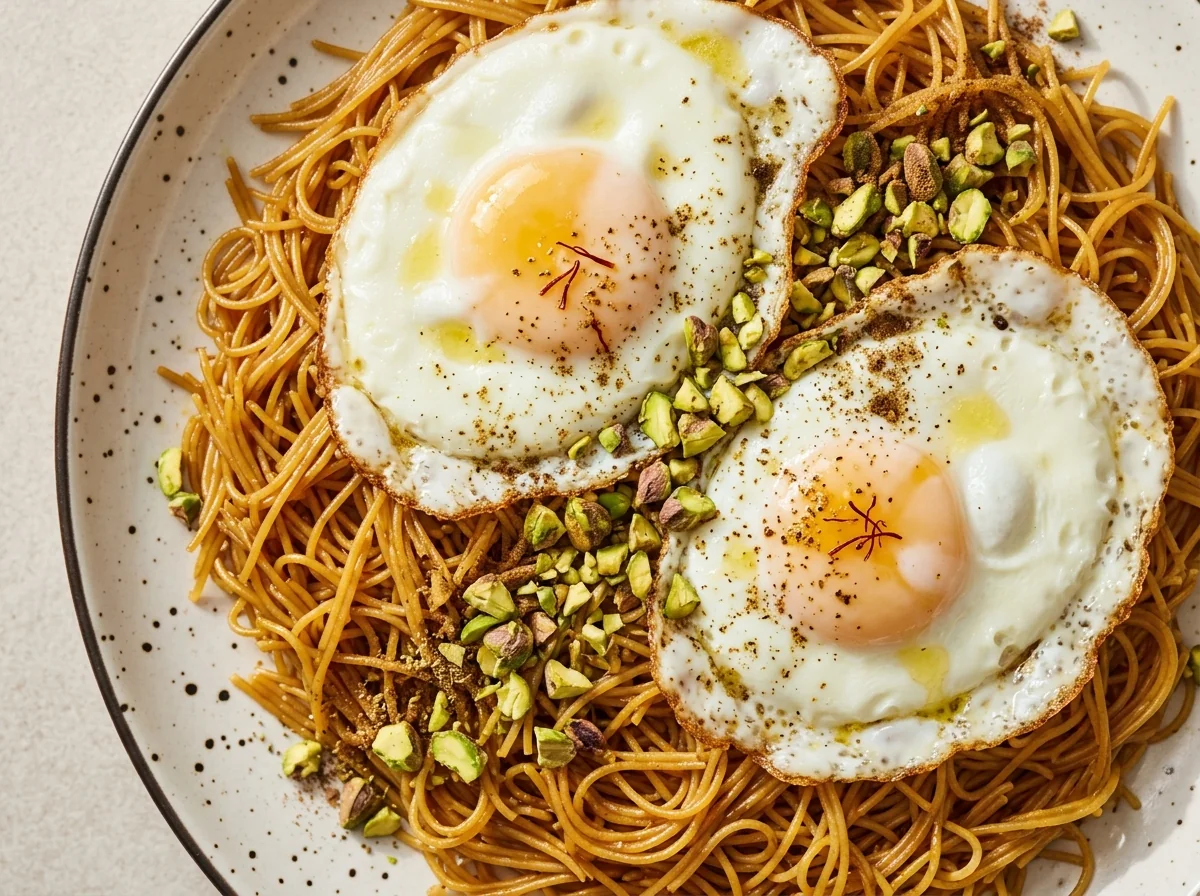
Frying eggs in it
One teaspoon is enough
to taste
Fried eggs in ghee. The luxury of the Najdi morning
How Much Does It Make? Scaling Guide
Ingredient
One jar ~400 g
200 g
Two jars
Butter
500 g
250 g
1 kg
EEINA Nutrition Tip
Lift the pot at the moment of the hazelnut aroma and the light browning of the solids. This is the decisive moment of country ghee: before it lies clarified butter without a soul, and a minute after it lie burnt solids that taint the whole jar; here the nose is truer than the clock.
Add This Recipe to Your Plan
The EEINA app saves your favorite recipes, calculates them from their real ingredients, and shows your daily numbers toward your goal. Try it free now.
The journey is the same, the destination farther: clarified butter stops at clarity, while country ghee continues until its solids brown, earning its hazelnut aroma. Extra minutes make the identity.
Why does it keep for months without a fridge?
The water and milk solids that spoil butter are gone. What remains is a clear oil in which microbes cannot live: an old preservation wisdom from before refrigerators.
Is it healthier than butter?
It is butter concentrated, without the milk solids. A saturated fat taken by a measured spoon in cooking, not generously, and its aroma makes a little go far.
How much does it save over store-bought country ghee?
Honest country ghee from the markets is expensive, and some is blended with hidden vegetable fat; your jar is known butter at half the price with the certainty of its source.