Why You Gain Weight During Pregnancy
Weight gain during pregnancy is not a luxury or a mistake, but a physiological necessity. Your body is building a baby that grows day by day, a placenta to nourish it, fluids to surround it, your uterus is expanding, your blood volume increases, and your tissues prepare for lactation. Your body also stores fat to support pregnancy and later breastfeeding. All of this reflects as a number on the scale.
What does this mean for you? Don't view the number as a burden, but as an indicator that the building process is proceeding as it should. However, there is a healthy range for this gain, as both too little and too much can have consequences. Your goal is not to prevent weight gain, but to keep it within the range determined by your doctor based on your pre-pregnancy weight.
Where Does This Weight Go — The Anatomy of Gain
You might be surprised to learn that the baby itself is only a small part of the weight gain. In a reference gain of about 12.5 kilograms, the baby accounts for about 3 kilograms, the placenta for about 0.5 kilograms, and the amniotic fluid for about 0.8 kilograms. So, the baby directly contributes only about one-third of the gain. The rest is all you: new blood, fluids, an expanding uterus, breasts preparing for lactation, and fat reserves for breastfeeding.
What does this mean for you? When you understand that two-thirds of the gain is building within your own body, not random excess fat, your anxiety may subside. This weight gain is temporary and purposeful. Most of it will disappear after childbirth, along with the baby, amniotic fluid, and blood returning to normal. What remains is the fat reserve designed to support your breastfeeding, and movement and breastfeeding help it gradually return to normal.
| Where the Weight Goes | Approximate Amount |
|---|---|
| Baby | Approx. 3.4 kg |
| Maternal Fat Stores | 3 to 4 kg |
| Extracellular Fluid | Approx. 1.5 kg |
| Increased Blood Volume | Approx. 1.3 kg |
| Enlarged Uterus | Approx. 0.8 kg |
| Amniotic Fluid | Approx. 0.8 kg |
| Placenta | Approx. 0.5 kg |
| Breast Tissue Preparation | Approx. 0.3 kg |
These are approximate values for a reference gain and vary based on your weight and stage of pregnancy. The baby and amniotic fluid grow more in the last trimester.
How Much to Gain Based on Your Pre-Pregnancy Weight
This is the key point many overlook: there isn't one recommended weight gain for all pregnant women. Approved guidelines link recommended gain to your Body Mass Index (BMI) before pregnancy, which is your weight relative to your height. The lighter you are before pregnancy, the more gain you need, and vice versa. These numbers are for a single baby pregnancy and differ for twin pregnancies.
What does this mean for you? Know your pre-pregnancy BMI from your doctor; it's the starting point for understanding your range. Don't compare your gain to a friend or relative, as their starting weight might have been completely different. The following ranges are guidelines, and your personal target will be adjusted by your doctor based on your condition.
| Pre-Pregnancy Weight (BMI) | Recommended Gain for Single Baby Pregnancy |
|---|---|
| Underweight (BMI < 18.5) | 12.5 to 18 kg |
| Normal Weight (BMI 18.5 to 24.9) | 11.5 to 16 kg |
| Overweight (BMI 25 to 29.9) | 7 to 11.5 kg |
| Obese (BMI 30+) | 5 to 9 kg |
These are approved guideline numbers for a single baby pregnancy. For twins, higher ranges apply and will be determined by your doctor.
Where Do You Stand Relative to Your Range — An Informative Check
This check is for informational and awareness purposes, helping you observe your habits. It does not replace monitoring your weight with your doctor at every visit. Select what applies to you:
The Pace of Gain Across the Three Trimesters
Weight gain doesn't happen at a constant rate; it accelerates as pregnancy progresses. In the first trimester, it's minimal, about 0.5 to 2 kilograms over the three months. You might not gain any weight with morning sickness, which is normal. It then accelerates in the second and third trimesters to about 0.5 kilograms per week for those with a normal weight, and less for those who are overweight or obese.
What does this mean for you? Don't worry if you don't gain much early on, and don't try to compensate by overeating. Monitor the overall trend, not a single weekly number; steady, gradual gain is better than fluctuating jumps. If you notice a sudden acceleration or a complete halt, mention it to your doctor at your next visit.
| Stage | Approximate Pace of Gain (Normal Weight) |
|---|---|
| First Trimester | Approx. 0.5 to 2 kg total |
| Second Trimester | Approx. 0.5 kg per week |
| Third Trimester | Approx. 0.5 kg per week |
These are approximate numbers for those with a normal pre-pregnancy weight and decrease for those who are overweight or obese. Your doctor will provide the definitive guidance.
The Truth About Eating for Two — Quality Over Quantity
The most common myth in pregnancy is that you should eat for two, doubling your food intake. The reality is that your calorie needs increase modestly: no extra calories are typically needed in the first trimester, then about 340 extra calories per day in the second trimester, and about 450 in the third. This is a small amount, closer to one and a half cups of milk and a sandwich than a full extra meal.
What does this mean for you? Replace the slogan "eating for two" with "doubling quality." Make your extra calories come from nutrient-dense foods rich in protein, iron, and calcium, not from sweets and juices. Doubling the quantity might push your weight gain beyond the healthy range, while increasing quality nourishes your baby without adding excessive weight.
The Balanced Pregnancy Plate
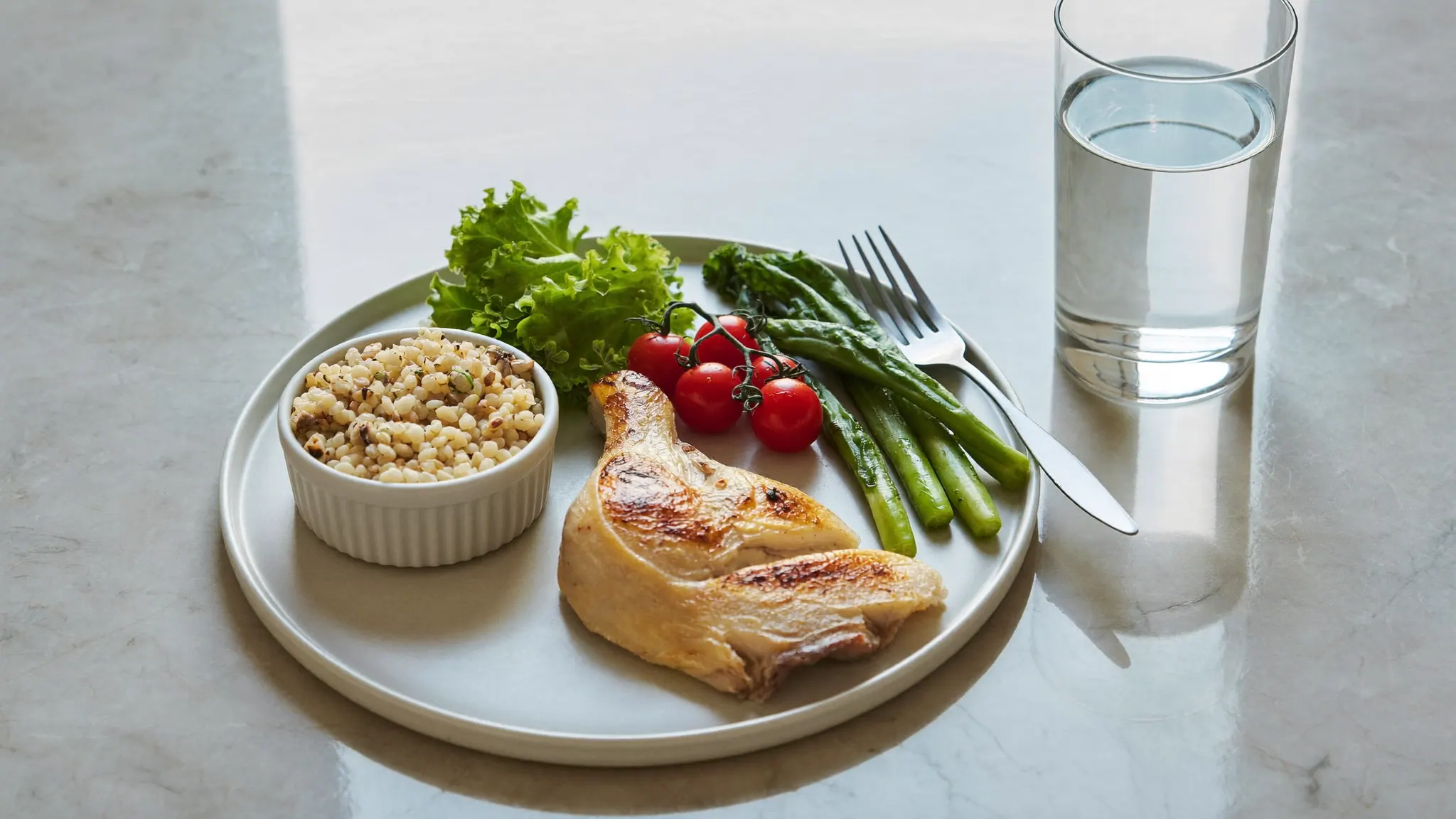
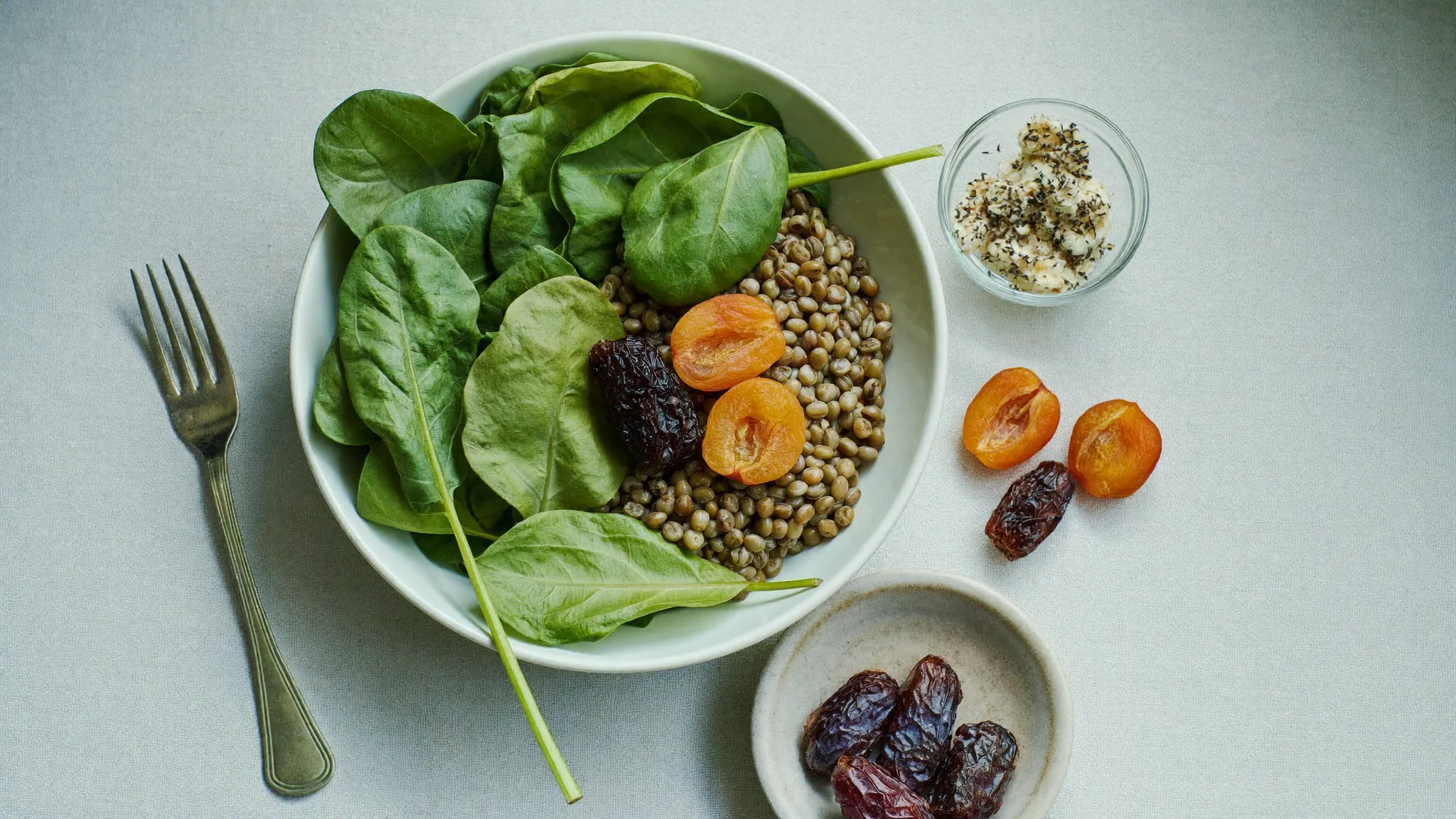
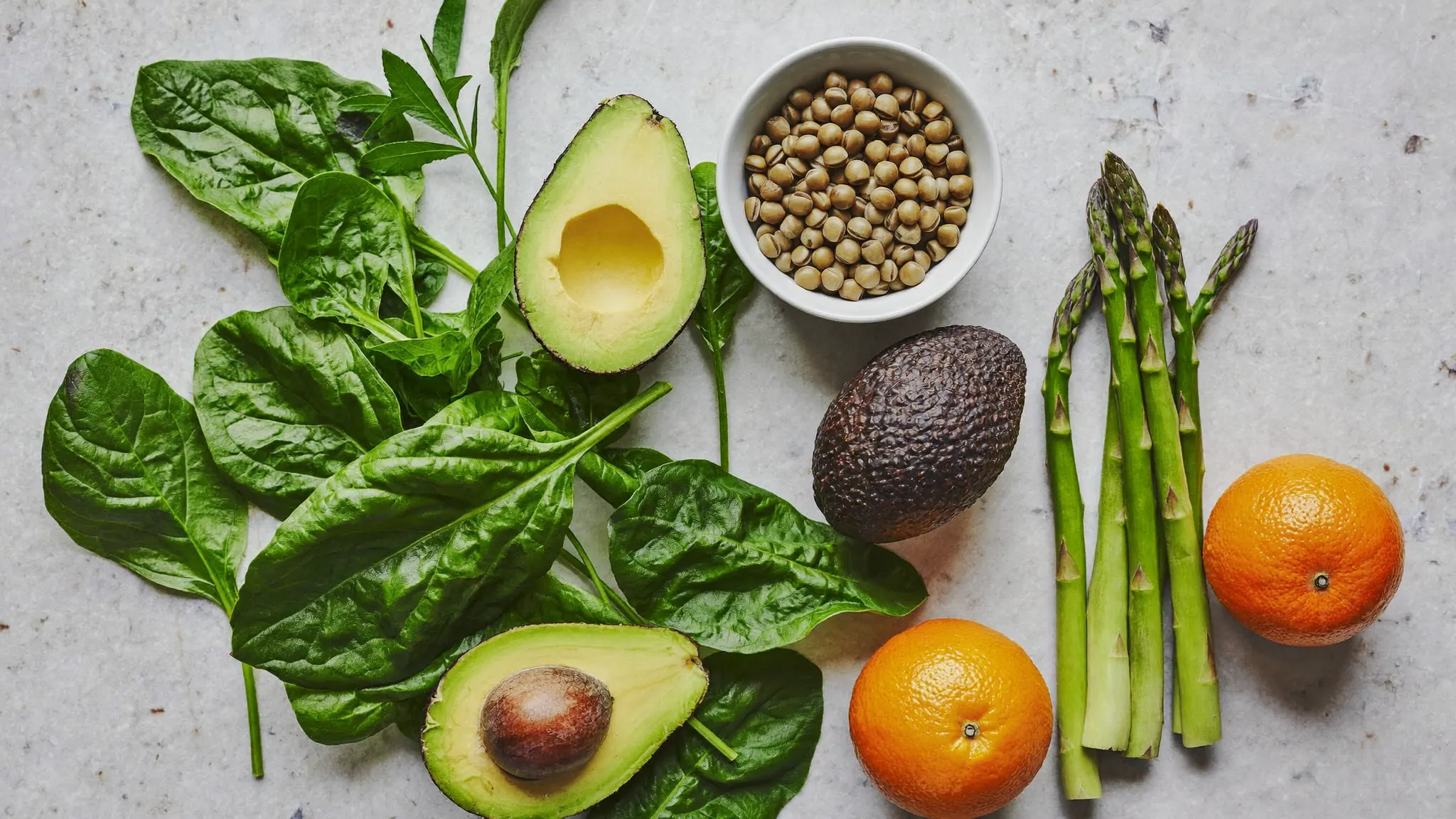
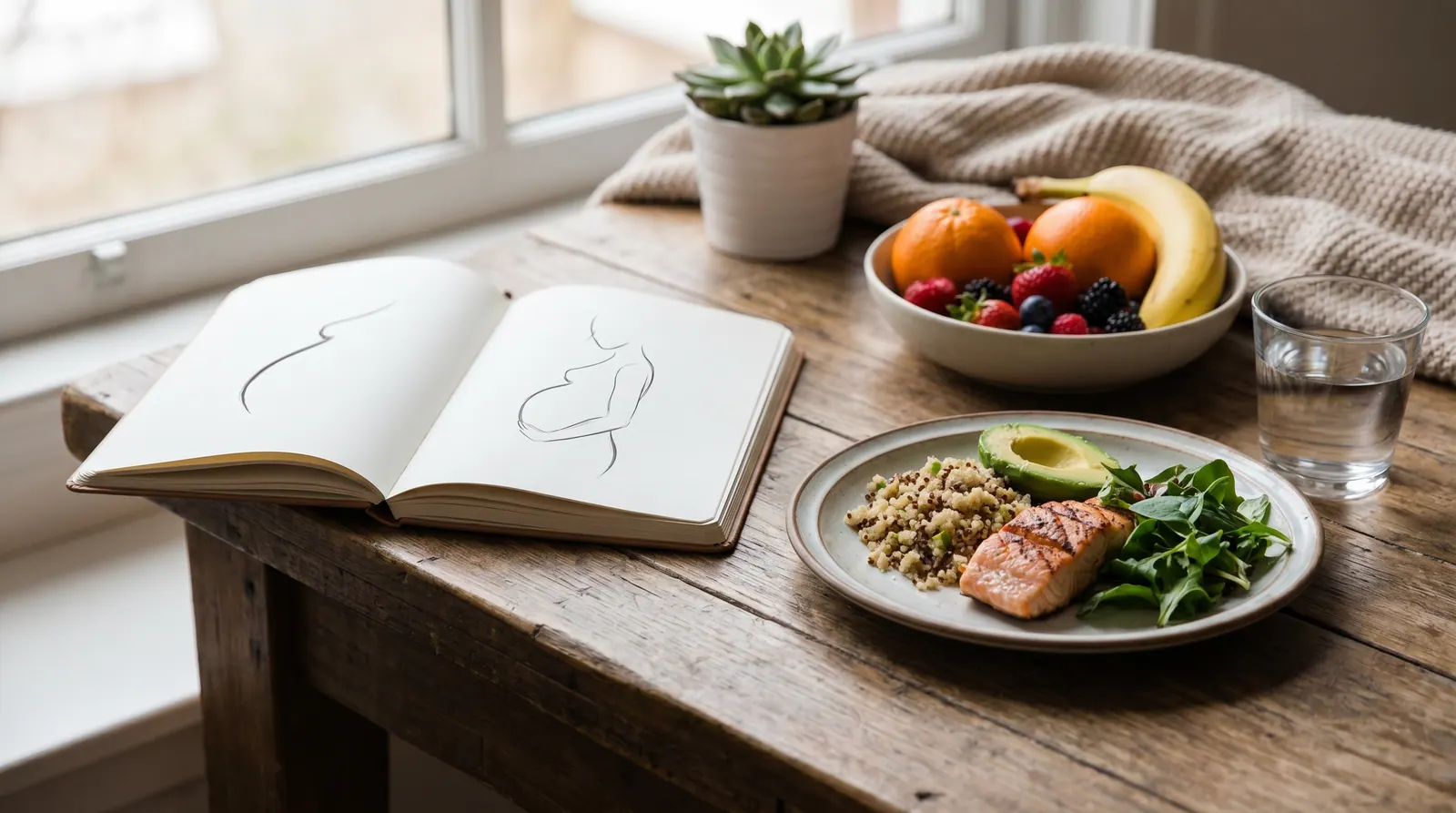
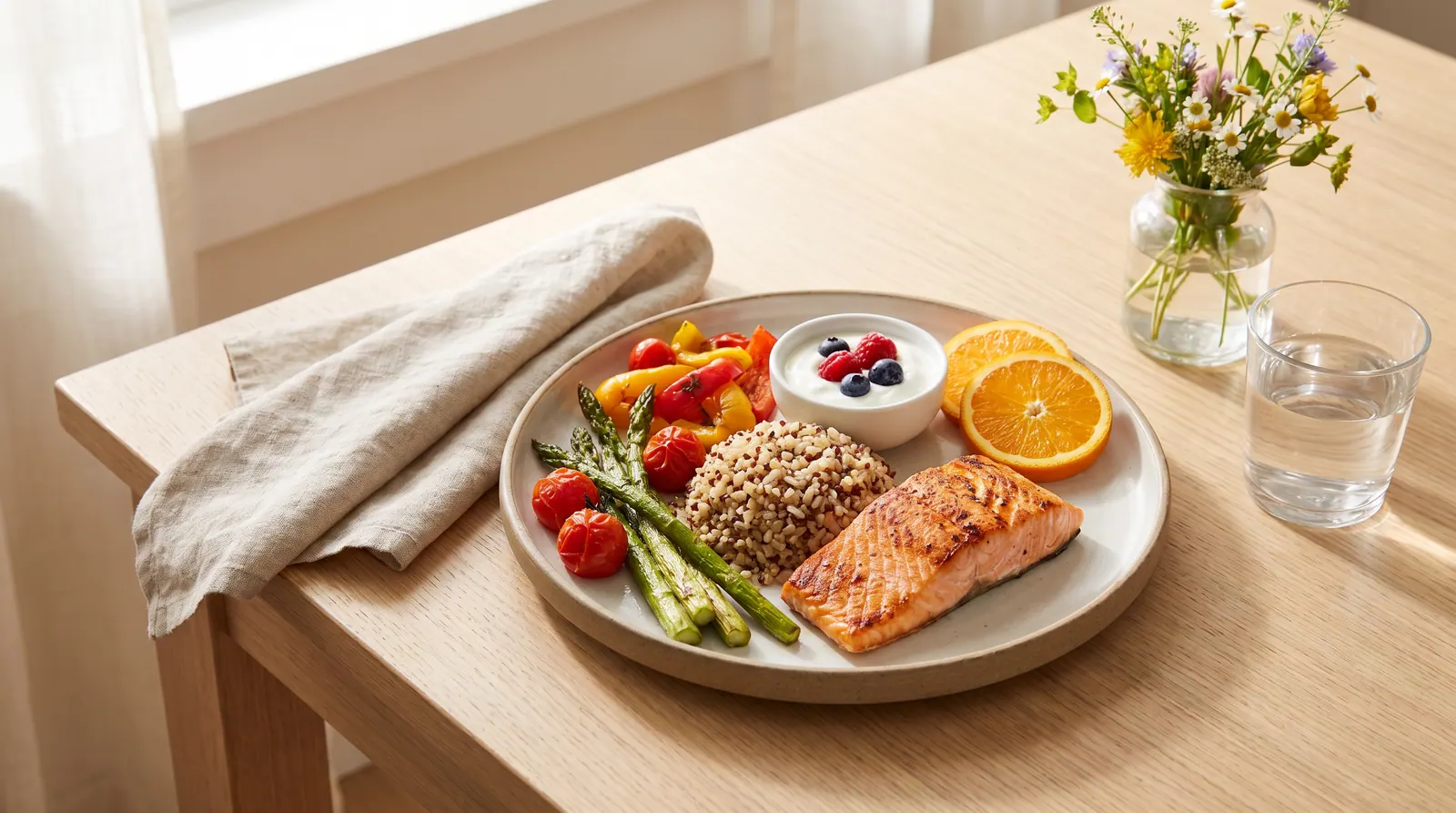
When extra calories are limited, every bite becomes a nutritional opportunity not to be wasted. Make your plate balanced: protein in every meal (like meat, chicken, fish, legumes) for building your baby's tissues, iron for new blood, folic acid for nervous system development, calcium for the baby's bones and teeth, and plenty of vegetables, fruits, and whole grains.
What does this mean for you? EEINA has detailed articles on each element: Iron in Pregnancy and how to maximize absorption, and Folic Acid and why it's important before conception. Combine these elements in familiar Saudi dishes: lentil soup with lemon, chicken with salad and brown rice, or fish with vegetables. This way, you nourish your baby with quality without overeating.
Smart Snacks Between Meals
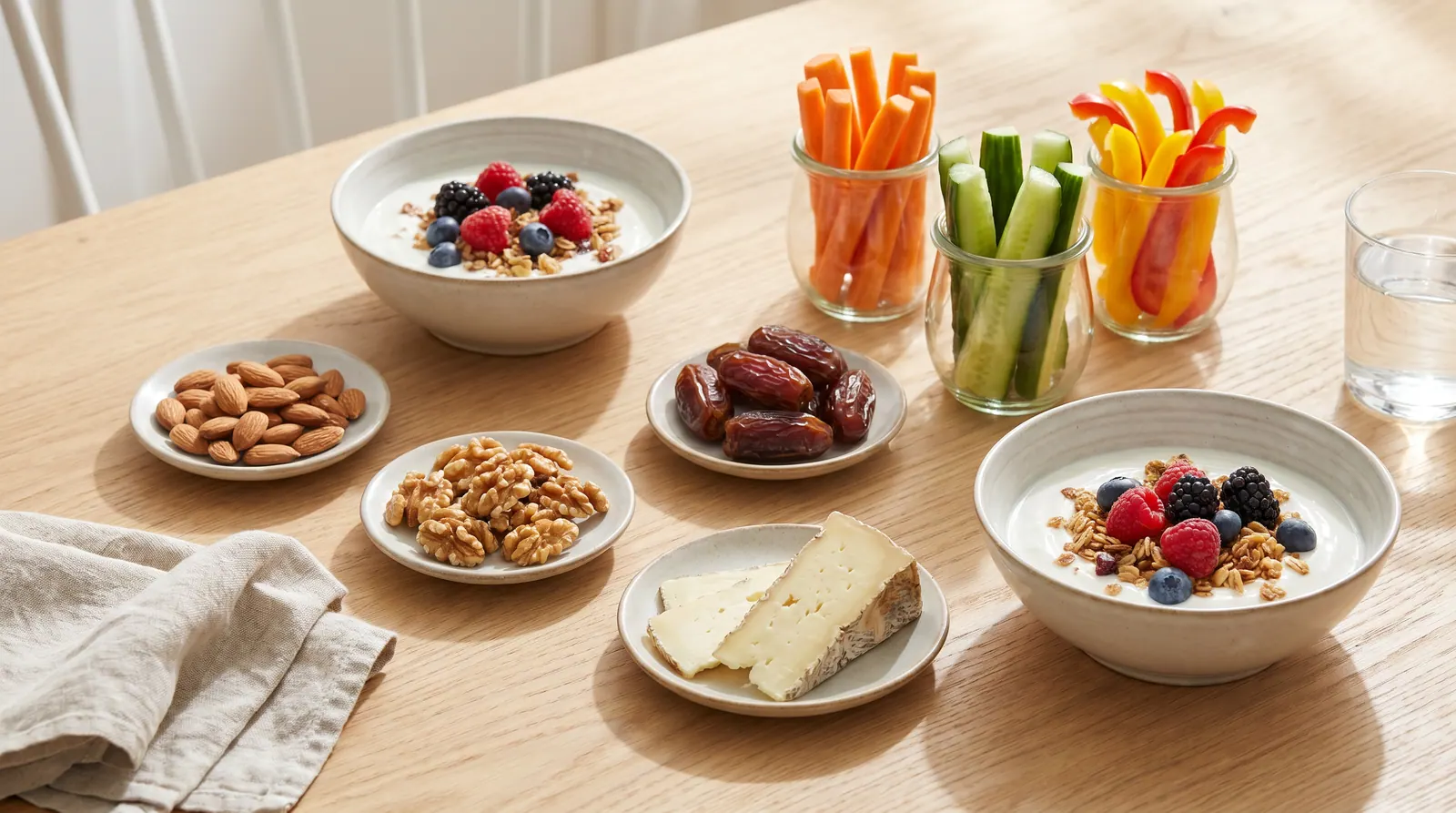
With pregnancy nausea, heartburn, or limited stomach space late in pregnancy, frequent small meals can be easier than three large ones. A smart snack is an opportunity to add those modest extra calories from a nutritious source, not an empty one.
What does this mean for you? Choose snacks that combine protein, iron, or calcium: yogurt with fruit and a handful of nuts, dates with almonds, a slice of cheese with whole wheat bread, or hummus with vegetables. These are better than biscuits and sugary juices that increase your weight without nourishing your baby. Make snacks part of your day's quality, not a loophole for sugar.
When You Gain Too Much or Too Little
Deviating from the recommended range in either direction has consequences. Gaining more than the recommended range is associated with an increased risk of complications such as gestational diabetes, pregnancy-induced hypertension, macrosomia (large baby), and difficult labor. Gaining too little can be linked to low birth weight and preterm birth. Moderation within your range is the goal.
What does this mean for you? If you gain too much, the golden rule is not to attempt weight loss or a diet during pregnancy, as this can harm your baby. Instead, slow down the gain by improving food quality and engaging in gentle movement, under your doctor's supervision. If your gain is too slow, do not starve yourself; instead, increase the quality of your calories and the frequency of small meals. In both cases, managing this is a medical decision, not personal judgment.
Safe Gentle Movement During Pregnancy
Moderate physical activity in uncomplicated pregnancies is safe and beneficial. It helps keep weight gain within range, alleviates back pain and constipation, and improves mood and sleep. Guidelines recommend about 150 minutes of moderate activity per week, spread throughout the week, such as brisk walking, swimming, and stationary cycling.
What does this mean for you? You can divide the 150 minutes into 30-minute sessions five days a week, or shorter sessions spread out. Moderate activity means your heart rate increases, you sweat a little, and you can still speak in a normal voice. If you are a beginner, start with five minutes and gradually increase. Consult your doctor before starting, especially if you have a high-risk pregnancy or experience any complications.

Five Common Myths About Pregnancy Weight Gain
Half-truths and myths abound regarding pregnancy weight gain, often increasing anxiety or leading to overeating. Here are the most common ones, and what the evidence says:
"Pregnant women eat for two."
"All pregnant women should gain the same amount of weight."
"All pregnancy weight gain is fat that I need to get rid of."
"If I've gained too much, I should start a diet immediately."
"Complete rest is safer than exercise during pregnancy."
Practical Tips to Implement Today
Before diving into the full protocol, here are small guidelines derived from the above, helping you achieve healthy weight gain without worry or excess:
- Know your range from your doctor. Ask about your pre-pregnancy BMI and recommended gain range. This is your starting point, and you shouldn't compare it to anyone else's.
- Replace 'eating for two' with 'doubling quality.' Extra calories are limited, so make them count with protein, iron, and calcium, not empty sugar and juices.
- Make every bite work for your baby. Aim for a balanced plate at every meal: protein, vegetables, whole grains, and a calcium source. The quantity is small, so quality is your opportunity.
- Choose smart snacks. Yogurt with fruit, dates with nuts, or hummus with vegetables are better than biscuits and sugary drinks.
- Move gently. Walk at a moderate pace most days if your doctor approves. Movement helps keep your gain within range and improves your day.
- Monitor the trend, not a weekly number. Steady, gradual gain is more important than any single weekly figure. Don't panic about a jump or a plateau for a week.
- Do not starve yourself or try to lose weight. Pregnancy is not a time for dieting. Any adjustment to your trajectory should be under your doctor's supervision, not personal judgment.
- Drink enough water and get good sleep. Hydration and rest support a balanced appetite and reduce fluid retention and fatigue.
EEINA's Protocol for Healthy Pregnancy Weight Gain
An actionable plan combining the above into three progressive layers. Start layer by layer, and remember that all medical steps require your doctor's supervision.
This protocol is based on approved weight gain guidelines, calorie recommendations, and exercise advice during pregnancy. It does not replace medical consultation.
Quality Over Quantity
Four habits every day.
Movement and Monitoring
Steps to maintain your range.
When the Number Exceeds Your Range
A medical, not nutritional, decision.
Golden Rule: The goal is not a specific number on the scale, but gradual weight gain within your range from nutrient-rich meals. Know your range, nourish with quality, move gently, and leave trajectory adjustments to your doctor.
Frequently Asked Questions
How many kilograms should I gain during pregnancy?
Should I eat for two during pregnancy?
How much weight gain is typical in the first trimester?
Is exercise safe during pregnancy?
I've gained too much weight, what should I do?
When to Consult Your Doctor — Red Flags
Weight gain during pregnancy is something to monitor calmly with your doctor, but certain signs warrant immediate consultation:
- Sudden, significant weight gain accompanied by swelling in the face and hands may require evaluation for pregnancy-induced hypertension.
- Cessation of weight gain or weight loss in the second or third trimesters, or inability to eat due to severe vomiting.
- Severe headache or visual disturbances along with swelling requires urgent medical attention.
- Bleeding, abdominal pain, or contractions during or after physical activity.
- Severe anxiety about weight leading to food restriction or dieting requires nutritional and psychological support.
- High-risk pregnancy or a chronic condition before starting any physical activity or significant dietary changes.
Start Your Next Step with EEINA
Pregnancy Meal Plans
Balanced Saudi recipes that nourish your baby with quality, not quantity, with moderate calories that respect your healthy gain range.
Get Your Plan →Nutritious Balanced Recipes
Saudi dishes combining protein, iron, and calcium in one plate; quality in every bite.
Try Them →EEINA App
Tracks your meal quality and gentle movement, with a report you can share with your doctor during follow-ups.
Download →