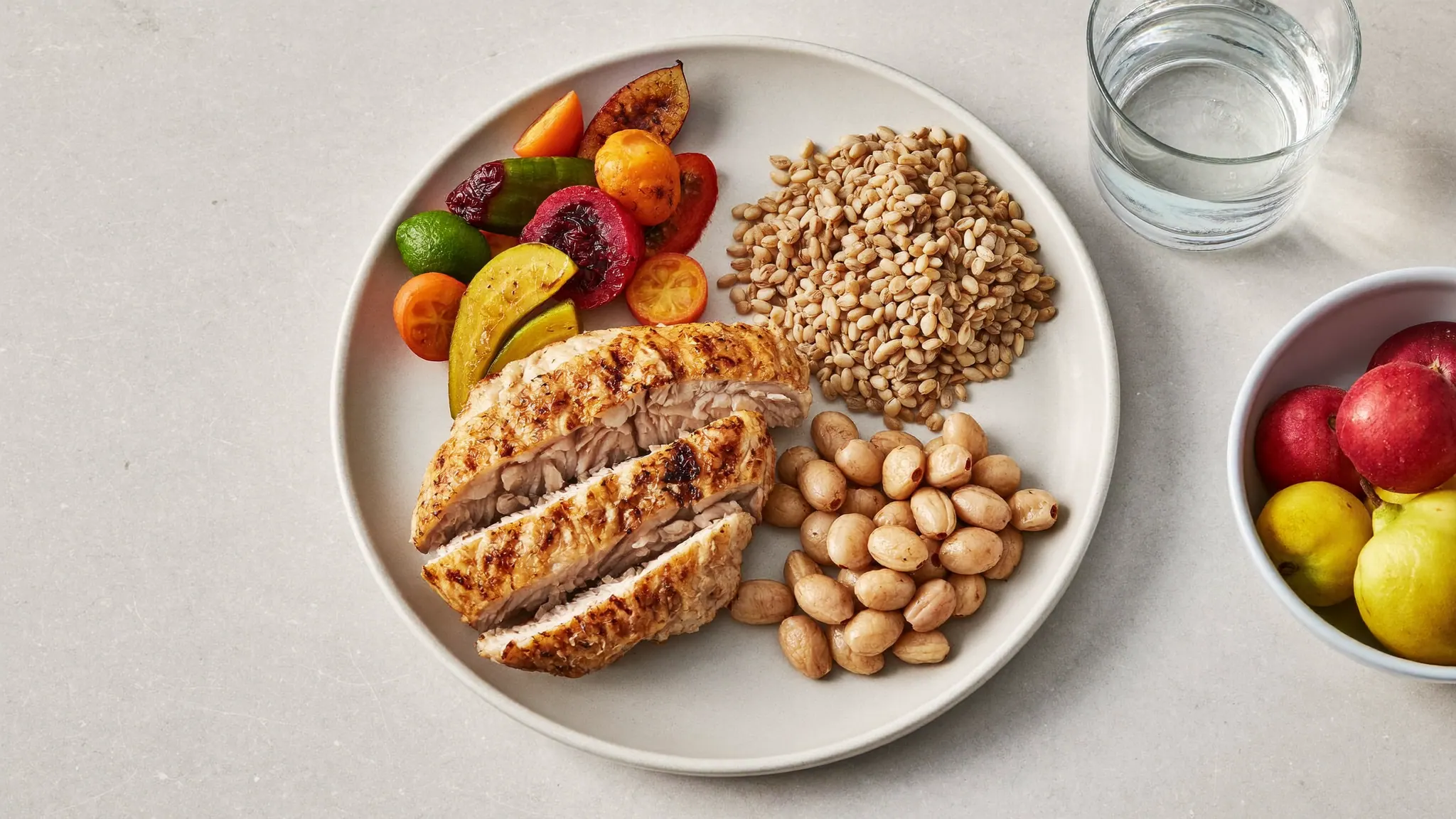
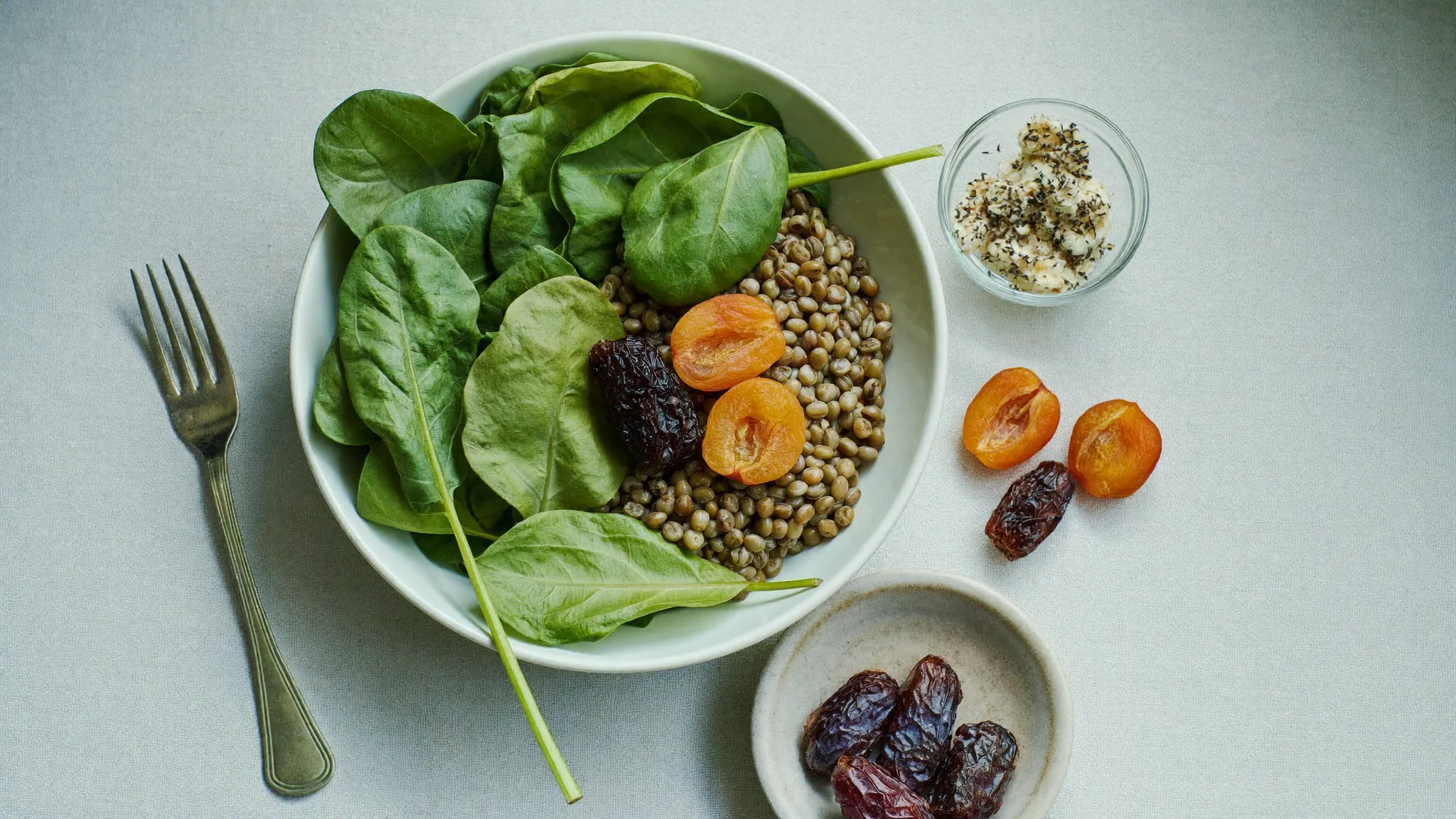
The Fourth Trimester — A Recovery Period Worthy of Care
The American College of Obstetricians and Gynecologists (ACOG) describes the weeks following childbirth as the 'fourth trimester,' a sensitive transitional period where the mother adapts to numerous physical and emotional changes while recovering from birth and learning to breastfeed and care for her baby. ACOG recommends the first postpartum check-up within the first three weeks, followed by care as needed, culminating in a comprehensive visit no later than twelve weeks postpartum.
Practically speaking: This is not a phase to prove your fitness, but a phase to heal. Fatigue, sleep deprivation, and breastfeeding challenges are a normal part of the picture, and nutrition here is a support tool, not a discipline test. Keep your meals simple and nutritious, and trust that recovery takes time, not speed.
Rebuilding Iron Stores After Blood Loss
Every birth involves blood loss, and this lost blood carries iron with it. Therefore, many mothers have low iron stores in the early weeks, especially if they entered pregnancy with already depleted reserves. In regions where pregnancy anemia is common, the World Health Organization (WHO) recommends that mothers take an iron supplement, alone or with folic acid, for six to twelve weeks postpartum, starting as soon as possible, to reduce the risk of anemia.
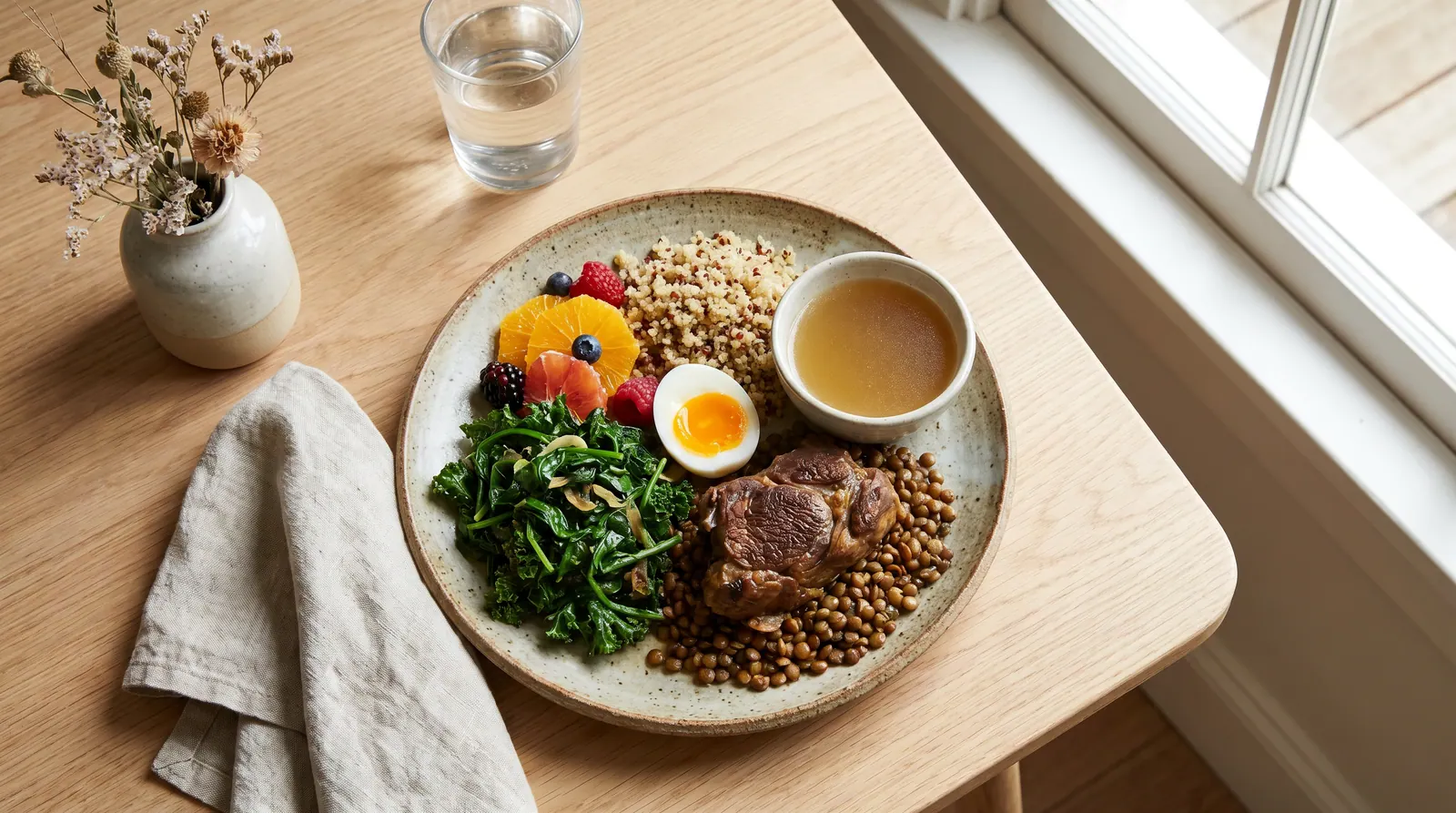
Practically speaking: Supplementation is a medical decision; do not start or change its dosage on your own. As for food, it's in your hands: incorporate iron-rich sources into your daily plate, and pair them with Vitamin C to improve absorption. Continue your lab monitoring with your doctor, as deficiency is confirmed by testing, not just by feeling.
Energy and Hydration Amidst Sleep Deprivation
What drains a new mother most in the early weeks isn't lack of food but interrupted sleep. The solution isn't endless coffee, but small, balanced meals that stabilize your energy and adequate hydration. Keep water close by with every feeding, as hydration supports your energy and milk supply, especially in Saudi Arabia's heat. Let your thirst be your guide, without overdoing it.
As for caffeine, the recommendation for breastfeeding mothers is not to exceed about 300 milligrams per day, equivalent to two to three cups of coffee. Practically speaking: Distribute your energy across small meals combining protein with complex carbohydrates, keep ready-to-eat snacks near your feeding station, and drink water before you feel thirsty. Coffee is a gentle aid, not a substitute for rest and nutrition.
The Four Pillars of Recovery
Your recovery rests on four fundamental building blocks, each with a clear role in rebuilding and milk production:
| Nutrient | Role in Recovery | Sources on Your Plate |
|---|---|---|
| Protein | Tissue repair postpartum, milk building, and energy stability | Eggs, chicken, fish, lentils, chickpeas, yogurt |
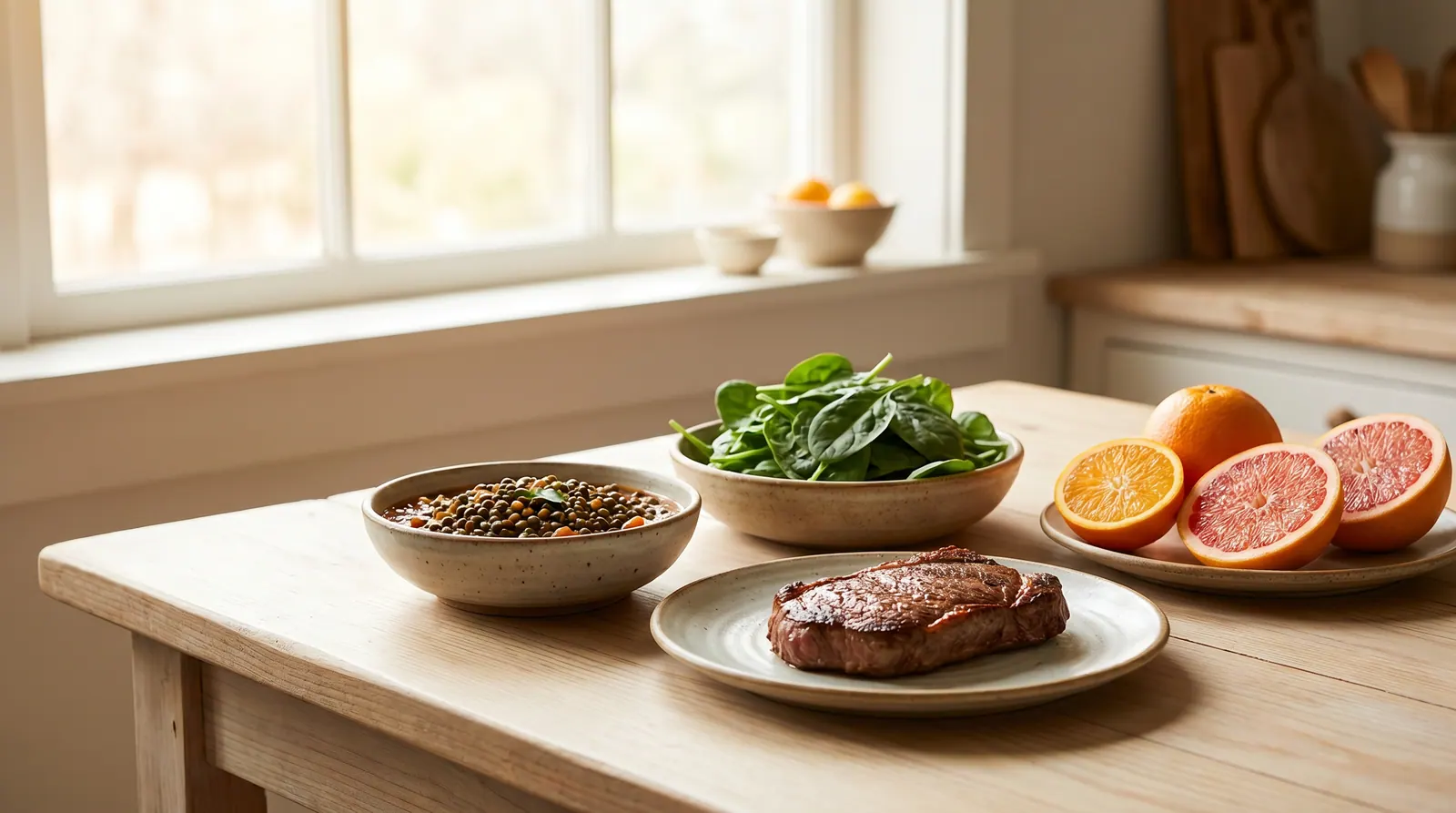
| Iron | Replacing blood loss and building hemoglobin | Red meat, liver (in moderation), legumes, leafy greens with Vitamin C |
| Omega-3 (DHA) | Supports infant brain development, transferred via milk | Fatty fish like salmon and sardines, flaxseeds, chia seeds |
| Vitamin D | Bone health; milk remains low in it, so supplementation is recommended for the infant | Sunlight (with caution), fatty fish, fortified foods, supplementation under guidance |
Regarding Omega-3: Common advice for breastfeeding mothers is around 200 to 300 milligrams of DHA daily, as the milk's content reflects your intake, and it's crucial for infant brain development. Regarding Vitamin D: The recommended daily intake for breastfeeding mothers is about 600 IU. However, breast milk remains low in Vitamin D regardless of your intake, so infant supplementation is recommended under their doctor's guidance.
Is Your Postpartum Nutrition on Track? — A Self-Check
This is a guideline screener combining indicators for nutrition, hydration, and rest postpartum. It does not replace your doctor's assessment or lab tests. Select what applies to you:
Realistic Eating for the Busy Mom
The most unsuccessful advice is that which assumes you have time for elaborate cooking. The reality is your hands are full, and your baby is waiting. Therefore, base your nutrition on what can be prepared in minutes and eaten with one hand: hard-boiled eggs ready in the fridge, yogurt with a handful of nuts, dates, a whole-grain sandwich with cheese or chicken, a can of sardines, and pre-cut vegetables.
Practically speaking: Prepare healthy snacks within easy reach near your feeding station, and ask those around you to prepare nutritious meals for you instead of sweets. Focusing on whole foods rich in protein, fiber, and healthy fats is more important than mastering complex recipes at this stage. A simple meal you actually eat is better than an ideal one you don't have time for.
Why Your Saudi Plate Helps Here
Our cuisine is rich in elements that support recovery without fuss: lentils, chickpeas, and beans are sources of plant-based protein and iron. Dates with nuts provide calm energy snacks. Yogurt and labneh offer protein and hydration. Soups combine warmth, fluids, and nutrients in one easy-to-consume bowl. These are familiar foods that family members can easily prepare for you during the postpartum period.
The practical message: You don't need exotic ingredients, but smart organization of what's available. Make lentil soup or chicken broth a daily part of your diet, add a slice of lemon or Vitamin C-rich vegetables to your legume dishes, and make dates and yogurt your go-to snack between feedings. Simplicity here is a virtue, not a compromise.
Gradual, Not Harsh, Weight Loss
The desire to regain your pre-pregnancy weight quickly is understandable, but at this stage, it can be detrimental to you and your milk supply. It's advised to wait until your baby is about two months old and your milk supply is stable before significantly reducing calories. When you do start, aim for slow weight loss of about 0.5 to 0.75 kg per week, as this rate does not affect milk supply or your health.
Most importantly: Very rapid weight loss can decrease your milk supply, and drastic calorie restriction can deprive your body of its recovery building blocks. Practically speaking: Don't obsessively count calories in the first few weeks; focus on food quality over quantity. Breastfeeding itself burns calories and aids gradual weight loss, so let your body regain balance gently, and manage your expectations.

Nutrition While Breastfeeding
If you are breastfeeding, your energy needs increase: Health authorities recommend around 330 to 400 extra calories per day for a well-nourished breastfeeding mother compared to before pregnancy. This amount is influenced by your age, weight, activity level, and whether you are exclusively breastfeeding. Make these extra calories count with nutrient-dense foods that support your recovery and milk supply.
Your need for certain micronutrients also increases during breastfeeding, such as iodine to about 290 micrograms and choline to about 550 milligrams daily during the first year. Practically speaking: Continue a varied diet rich in whole foods, and discuss with your doctor whether to continue prenatal vitamins or others, as breastfeeding is a time for support, not deprivation.
Mood and Diet — And When It's Bigger Than Food
A balanced diet, hydration, and stable energy can soothe your mood during tiring postpartum days. However, it's important to be honest: food is not a cure for postpartum depression. The baby blues are common and usually resolve within two weeks. Postpartum depression, however, is deeper and longer-lasting, reported by about one in eight new mothers.
Symptoms include persistent sadness or anxiety, loss of interest and energy, more crying than usual, feeling detached from your baby, and doubting your ability to care for them. Practically speaking: Don't try to treat this condition with diet alone, and don't wait for it to pass. Take care of your plate as support, but if symptoms persist, seek medical help without delay.
Five Common Postpartum Nutrition Myths
Around this phase, advice promising more than it can deliver is common. Here are the most prominent ones, and what the guide says:
"Start a strict diet right after birth to regain your figure quickly."
"Breastfeeding means you can eat without limits because calories just melt away."
"As long as you're eating well, you don't need iron supplements."
"As long as you take Vitamin D, your baby will get enough from your milk."
"Good food is enough to treat postpartum depression."
Practical Tips to Implement Starting Today
Before you get to the full protocol, here are small guidelines from the core of the above, supporting your recovery without burdening your busy day:
- Include protein in every meal. An egg, yogurt, a handful of lentils, or a piece of chicken. Protein repairs your postpartum tissues, stabilizes your energy, and supports milk production.
- Drink before you're thirsty. Keep a cup of water near your feeding station and drink with every feeding. Hydration supports your energy and milk, especially in our heat.
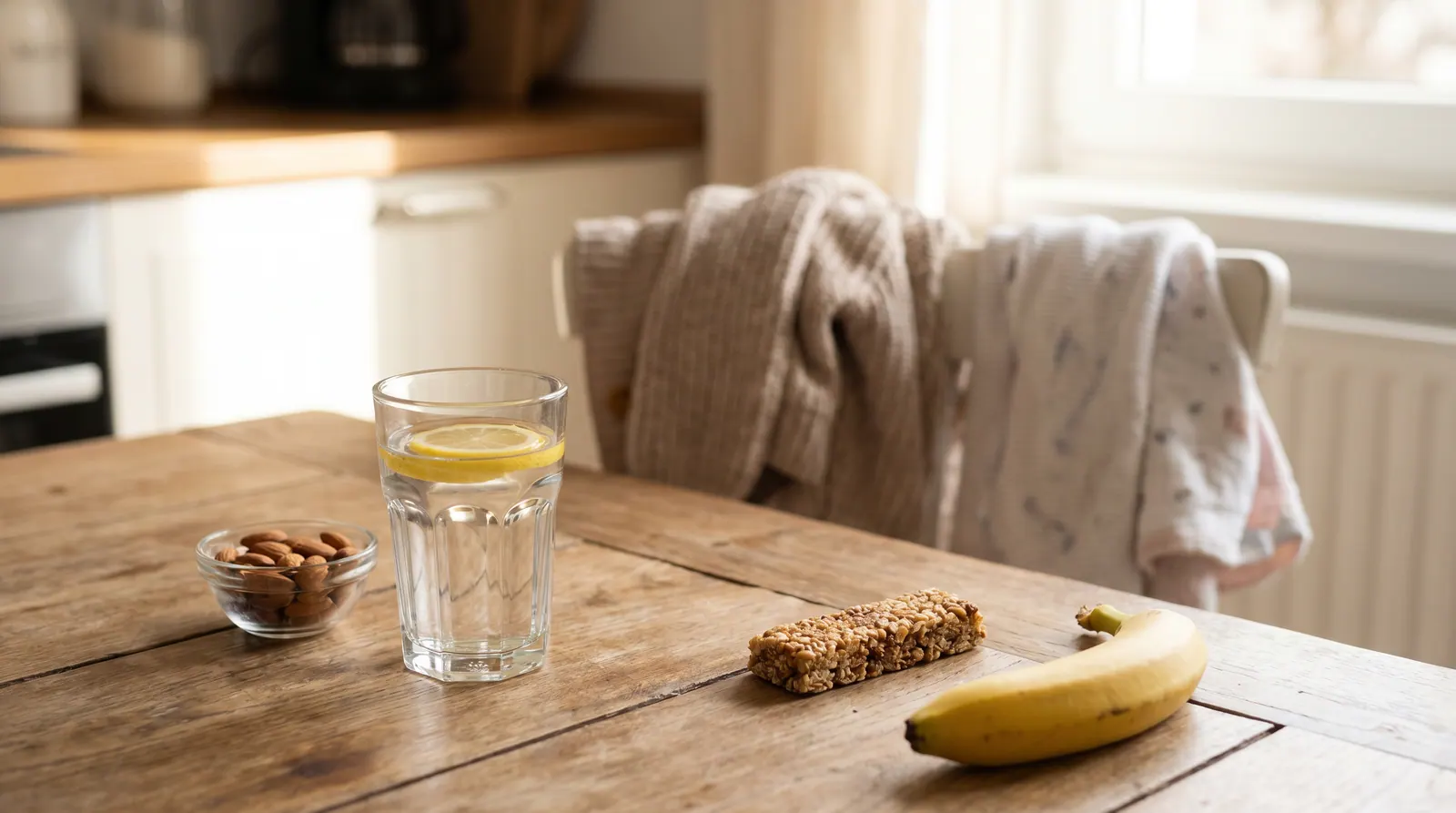
- Prepare a one-handed snack. Dates with nuts, yogurt, or a whole-grain sandwich within reach, so you can eat while holding your baby.
- Pair iron with Vitamin C. Add a slice of lemon or Vitamin C-rich vegetables to your legume dishes to improve iron absorption while rebuilding your stores.
- Make soup your ally. Lentil soup or chicken broth combines fluids, protein, and warmth in one easy-to-consume bowl at any time.
- Don't chase the scale early. Postpone calorie reduction until your baby is about two months old, and make weight loss gradual. Food quality is more important than quantity now.
- Moderate your coffee intake. Keep caffeine around 300 mg daily, about two to three cups, and compensate with water and small meals instead of overdoing it.
- Honestly monitor your mood. If sadness or anxiety persists for more than two weeks, it's not a weakness to be treated with food; it's a signal to consult your doctor.
EEINA's Protocol for Gentle Postpartum Recovery
A practical plan combining the above into three progressive layers. Start layer by layer, and note your response to find what suits you best.
The protocol is based on health authority guidelines for postpartum and breastfeeding nutrition, and recovery under medical supervision.
Rebuild Your Body from the Plate
Four habits every day.
Support Your Milk and Energy
Steps to support breastfeeding.
Follow Up Under Medical Supervision
Your body and mood, together.
Golden Rule: The goal of this phase is not to regain your figure quickly, but to rebuild your body gently. Food supports your recovery, but it does not replace your doctor for iron, mood, or supplements.
When to Consult a Doctor — Red Flags
Nutrition supports your recovery, but certain symptoms go beyond it and require immediate medical evaluation:
- Sadness, anxiety, or loss of interest that persists for more than two weeks, or difficulty caring for yourself or your baby, or any thoughts of harming yourself or your baby: consult your doctor immediately.
- Heavy or continuous bleeding after childbirth, or passing large clots, requires urgent evaluation.
- Fever or severe pain in the abdomen, breasts, or surgical site may indicate infection.
- Extreme fatigue and paleness, or dizziness and palpitations may indicate anemia requiring investigation; do not self-treat with supplements.
- Significant decrease in milk supply with rapid weight loss may require dietary adjustments under supervision.
- Before starting any supplement, vitamin, or diet while breastfeeding or with a health condition or medication.
Frequently Asked Questions
How many extra calories do I need if I'm breastfeeding?
Should I start a strict diet to lose weight quickly?
Why do I need iron postpartum?
How much water should I drink while breastfeeding and exhausted?
When should I see a doctor about my mood?
Start Your Next Step with EEINA
Postpartum Recovery Meal Plan
Simple Saudi recipes combining protein, iron, and hydration, with quick-prep meals for busy moms.
Get Your Plan →Quick Soups & Dishes
Easy ideas combining fluids, protein, and warmth in one bowl, easy to consume between feedings.
Try Them →EEINA App
Organizes nutritious recovery meals and reminds you of water, protein, and snacks amidst your baby's demands.
Download →