Extra Energy During Breastfeeding
Milk production is an energy-intensive process, increasing a nursing mother's needs by about 500 calories per day compared to before pregnancy, with part of this met by fat reserves accumulated during pregnancy. Therefore, references recommend about 330 to 400 extra calories per day from food for a well-nourished nursing mother.
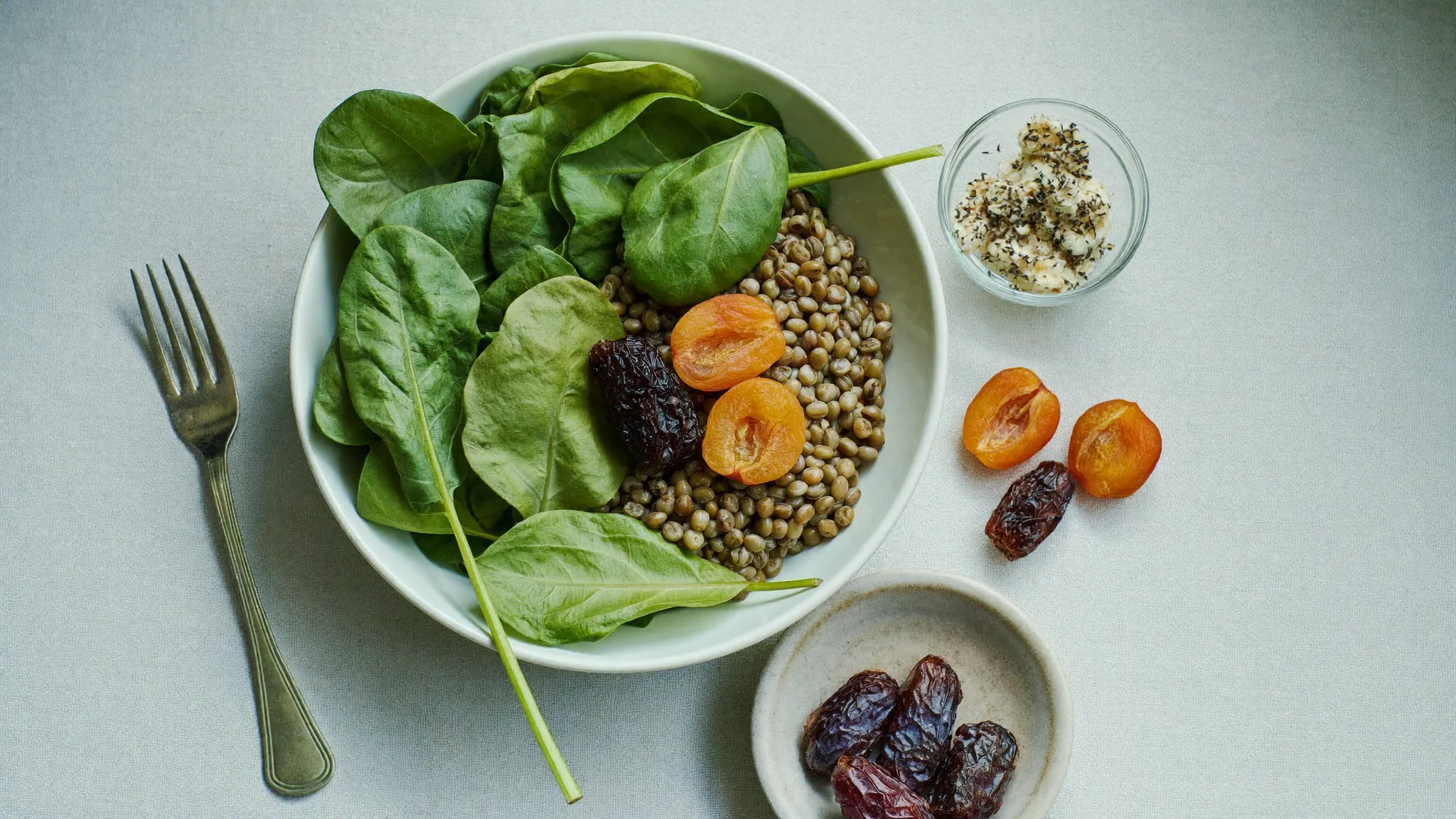
Practically: Don't count calories meticulously. Instead, respond to your naturally increased hunger and meet this need with nutritious foods, not sweets and juices. A handful of nuts and dates, yogurt with fruit, or a cheese and vegetable sandwich can cover the extra needs without effort. Remember, your goal is food that sustains your strength and energy, as you are feeding two.
Hydration: How Much to Drink
Breastfeeding increases your fluid needs, as a portion of your body's water is released in breast milk. However, the practical rule is simple: drink when you feel thirsty, as your body regulates its needs well. Keep a glass of water near you with each feeding, as thirst often increases during nursing.
Your practical indicator of adequate hydration is urine color: light-colored urine is reassuring, while dark urine reminds you to drink. Be aware of a common myth: drinking excessively beyond thirst does not increase milk production and may even lead to frequent bathroom trips. Moderation and responding to thirst are wiser than forcing yourself to drink specific liter amounts.

Nutrients Worth Your Attention
Not all nutrients are affected by your diet to the same extent. Some are drawn from your body's reserves regardless of your diet, while others are directly reflected in breast milk and deserve your attention:
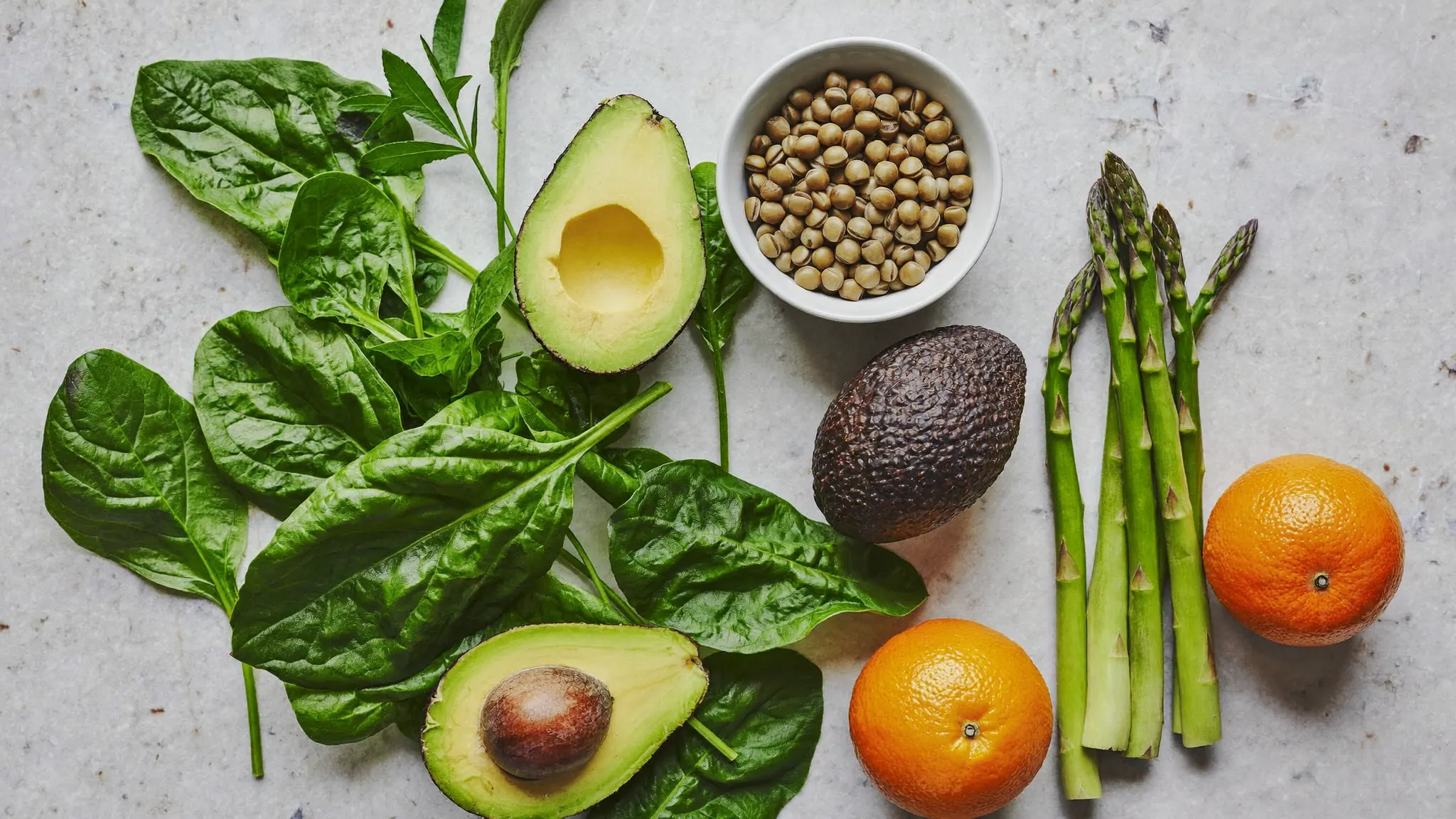
Calcium: The requirement during breastfeeding is about 1,000 milligrams per day, the same as for a non-nursing woman. Reassuringly, your body maintains milk calcium by temporarily drawing from bone, which is restored after weaning. Increased calcium intake does not prevent this natural change, and there's no need to worry about it. Include dairy products and leafy greens to meet your needs.
Iron: The requirement during breastfeeding is relatively low, about 9 milligrams per day, much less than during pregnancy. Breast milk iron content is not affected by your reserves or supplements, but iron remains important for replacing what you lost during childbirth and for your own energy levels.
Vitamin B12: The requirement is about 2.8 micrograms per day, and breast milk content directly reflects your diet. Deficiency can affect the baby's growth and nervous system. Therefore, vegetarian mothers in particular may need a supplement under medical supervision.
Omega-3 Fatty Acids: About 200 to 300 milligrams of DHA per day is recommended for nursing mothers, primarily from fatty fish. Many nursing mothers do not reach this amount due to low fish consumption. Algal oil supplements may be beneficial for those who avoid fish, under guidance.
Iodine: The requirement during breastfeeding is about 290 micrograms per day, higher than usual, and is important for the baby's brain development.
Is Your Breastfeeding Diet Worth Reviewing? — Self-Check
This is a guiding self-assessment that highlights indicators potentially pointing to gaps in your diet or fluid intake. It does not replace your doctor's evaluation. Select what applies to you:
Vitamin D: A Nutrient Specifically for Your Baby
Regardless of her diet, a mother's breast milk is low in Vitamin D. Therefore, references recommend that infants who are exclusively or partially breastfed receive 400 IU of Vitamin D daily via drops, starting from the first few days of life.
This is a point often overlooked. Mothers focus on their own nutrition, assuming it's sufficient for their baby's Vitamin D needs, but the reality is that supplementing the infant is the direct solution. Increasing your own Vitamin D intake with high doses as a substitute for your baby's supplement is an option to discuss with your doctor, not a self-prescribed choice. Talk to your pediatrician about Vitamin D drops for your baby.
Dietary Sources of These Nutrients
A varied diet covers most of your needs without supplements, except for specific infant needs or special circumstances. Here are practical examples for each nutrient:
| Nutrient | Daily Requirement During Lactation | Sources in Your Diet |
|---|---|---|
| Calcium | 1000 mg | Dairy products (milk, yogurt, cheese), spinach and leafy greens, sardines with bones |
| Iron | 9 mg | Red meat, lentils and beans, spinach with Vitamin C |
| Vitamin B12 | 2.8 mcg | Meat, poultry, eggs, dairy, fish |
| Omega-3 (DHA) | 200 to 300 mg | Salmon, sardines, algal oil for those avoiding fish |
| Iodine | 290 mcg | Dairy, eggs, fish, iodized salt |
| Vitamin D (for baby) | 400 IU | Direct drops for the infant, under pediatrician's guidance |
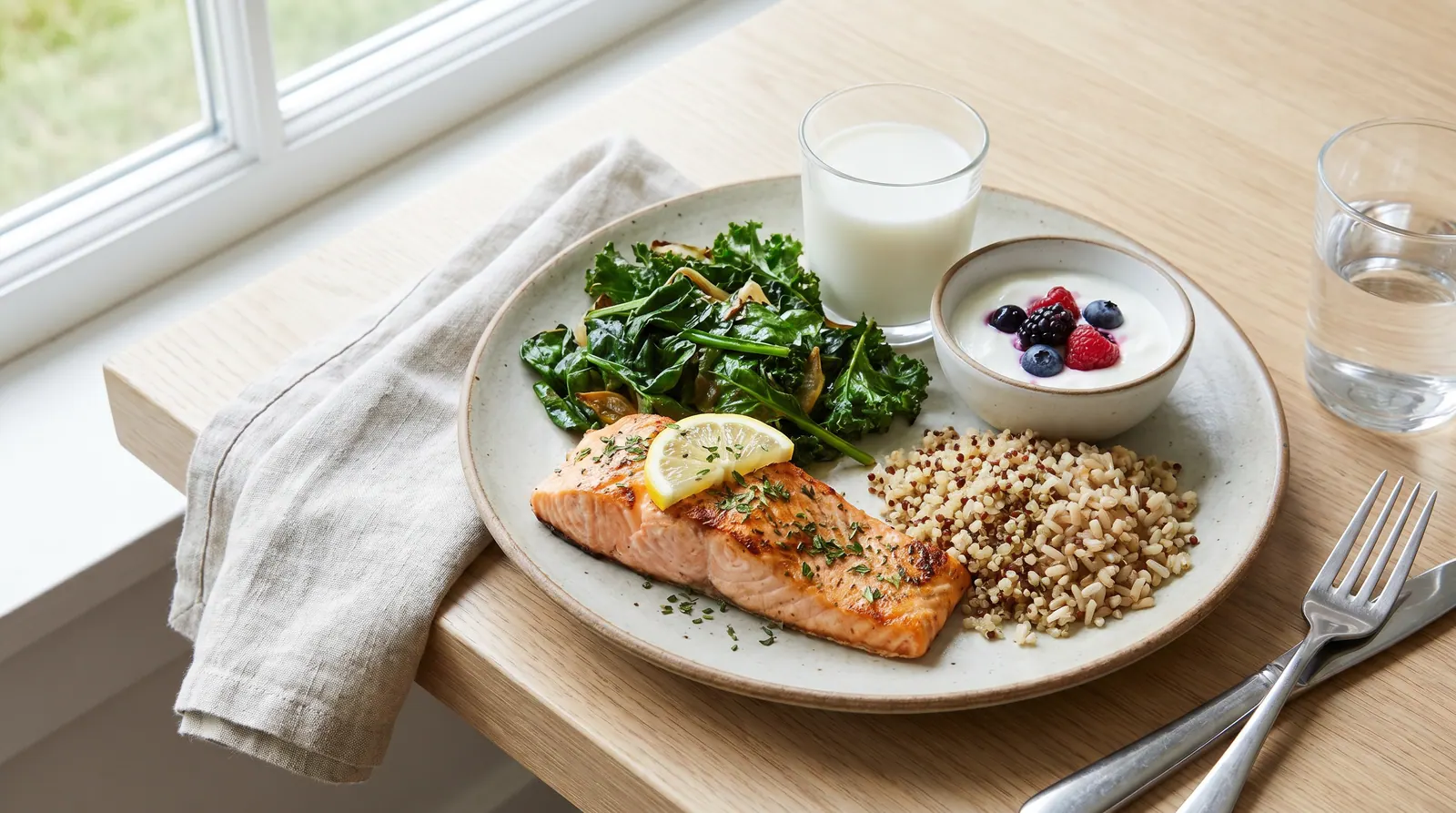
Practically: Make sure each meal includes a protein source, colorful vegetables, and a calcium source. Include fish on your menu twice a week, choosing lower-mercury varieties.
Why the Saudi Plate Helps You
Our cuisine is rich in what a nursing mother needs without extravagance: dairy products are in every home, lentils, beans, and chickpeas are daily staples, dates and nuts are offered as hospitality, and fish is abundant along the Kingdom's coasts. This availability makes meeting your needs easier than you might think.
The practical message: Utilize what is already on your table instead of chasing exotic foods with unconfirmed benefits. Increase your portions of dairy, vegetables, and legumes, incorporate fish twice a week, and make dates and nuts a regular snack. Your familiar diet, when varied and balanced, is more capable of supporting you than any purported milk-boosting recipe.
Caffeine in Moderation, Not Avoidance
There's no need to give up coffee while breastfeeding; low to moderate amounts are generally safe. The recommended guideline is about 300 milligrams or less of caffeine per day, equivalent to two to three cups of coffee.
However, note an important exception: mothers of premature infants and newborns may need to reduce intake further, as young infants metabolize caffeine more slowly, meaning its effects last longer. Remember that caffeine is not limited to coffee; it's also found in tea, energy drinks, and some sodas. If you notice your baby is more irritable or sleeps less, try reducing your caffeine intake and observe.

Mercury in Certain Fish
Fish is one of the best foods to consume while breastfeeding due to its Omega-3 content and protein. The goal is not to avoid it but to choose varieties wisely. Mercury accumulates more in larger, older fish and can be transferred in small amounts to breast milk.
Fish types recommended to avoid due to high mercury content include swordfish, shark, king mackerel, tilefish, and some large tuna varieties. Better, lower-mercury options are recommended at about 2-3 servings per week, totaling 8 to 12 ounces, such as salmon, sardines, and shrimp. The principle: vary your intake of smaller, lower-mercury fish, as the benefits of fish generally outweigh mercury concerns when you choose wisely.
Alcohol: The Safest Option is Avoidance
Alcohol enters breast milk at a level close to its concentration in the mother's blood, and its level in milk decreases as it clears from the blood over time. The safety recommendation here is clear: abstaining from alcohol is the safest choice for a nursing mother.
In the Saudi context, alcohol is prohibited. However, the scientific principle remains important to know: if consumption occurs, the guideline is to wait about 2 hours per standard drink before nursing, and not to exceed one drink per day. Most importantly, excessive consumption harms the baby and impairs the mother's ability to care for them safely. The practical conclusion: during breastfeeding, complete avoidance of alcohol is the wisest course.
What Science Actually Says About Milk Production
Long lists of foods and herbs claimed to increase milk supply, such as fenugreek, oats, and specific soups, are widely circulated. However, reputable sources state that evidence for these galactagogues is limited and poorly replicated. Many are based on personal experiences rather than robust studies, and some herbs may even decrease milk supply in some mothers.
What science clearly states: milk production is primarily built on frequent and effective emptying of the breast (supply and demand), along with psychological support and good guidance for the mother. The practical conclusion: do not tie your milk supply to a recipe. First, optimize your feeding frequency, latch, and emotional well-being. If your milk supply truly decreases, consult a lactation consultant before trying any herb or supplement.
Five Common Myths About Nursing Mother's Nutrition
Half-truths and misinformation about a nursing mother's diet are common, causing confusion and stress. Here are the most prevalent myths and the facts:
"Specific foods increase your milk supply."
"You must avoid fish due to mercury."
"Drinking lots of water increases milk supply."
"Coffee is completely forbidden for nursing mothers."
"Your good diet is enough for your baby's Vitamin D needs."
Practical Tips to Implement Today
Before diving into the full protocol, here are small guidelines from the core advice, supporting your nutrition and easing your mind without disrupting your day:
- Eat to satiety, not by counting. Respond to your increased hunger with nutritious foods like nuts, dates, and yogurt. The extra energy needed for breastfeeding should come from whole foods, not sweets.
- Keep a glass of water with each feeding. Drink when you feel thirsty and use light-colored urine as your guide for adequate hydration, without forcing yourself to drink specific liter amounts.
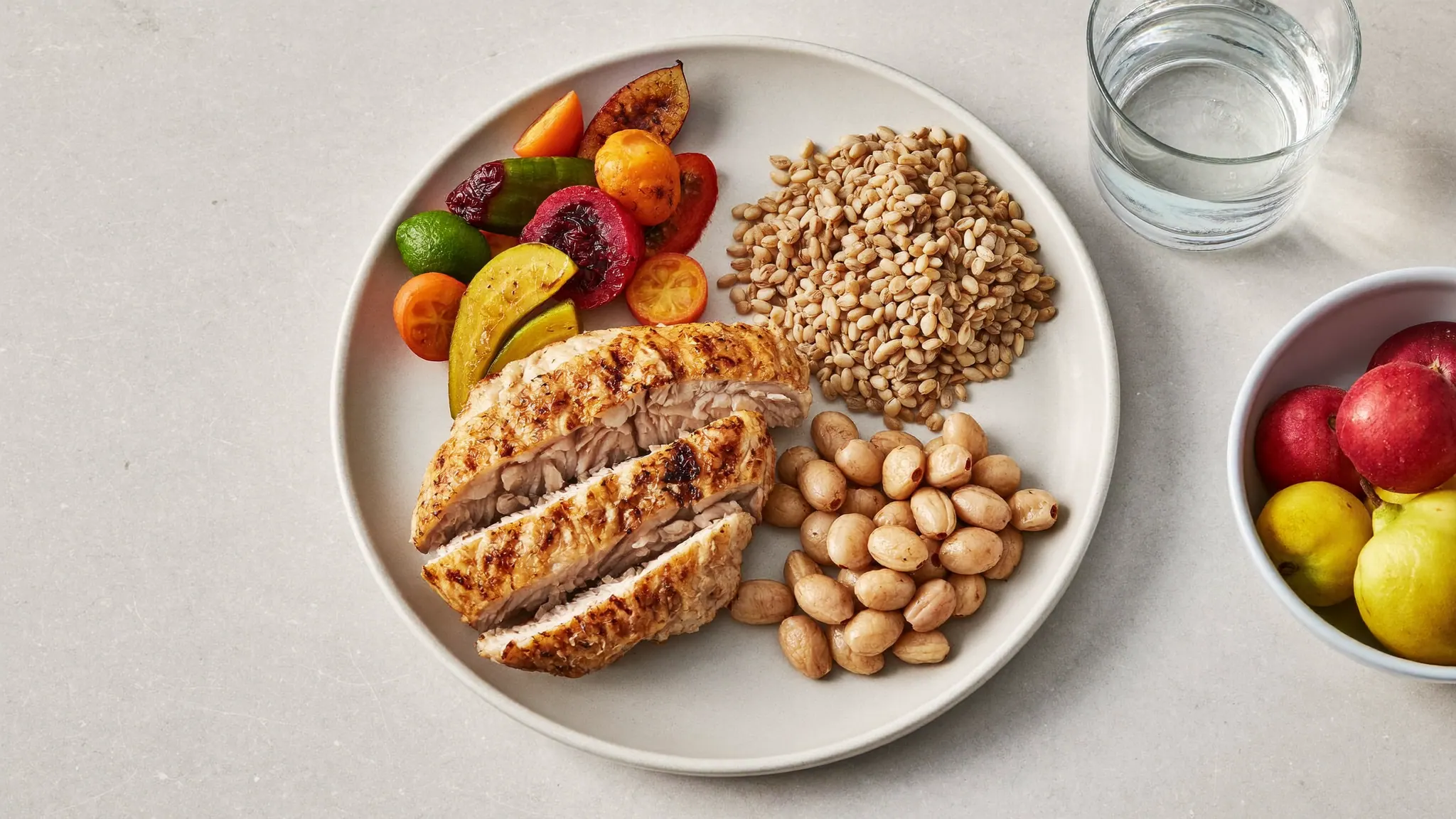
- Combine three elements in each meal. Include protein, colorful vegetables, and a calcium source like dairy or sardines with bones. This automatically covers most of your needs.
- Incorporate fish twice a week. Choose lower-mercury varieties like salmon and sardines, as they are excellent sources of Omega-3s essential for your baby.
- Moderate your coffee intake instead of eliminating it. Stay within about 300 mg per day, and reduce further if your baby is premature or a newborn, and monitor their sleep patterns.
- Don't rely on recipes for milk supply. Focus on frequent nursing and a good latch; effective frequent emptying builds supply more than any purported food.
- Ask about Vitamin D drops for your baby. Your milk is low in Vitamin D regardless of your diet. Consult your pediatrician about 400 IU daily for your infant.
- Review your supplements with your doctor. Especially if you are vegetarian or avoid fish, you may need B12 or Omega-3s under supervision, not on your own.
EEINA's Protocol for Balanced Nursing Mother's Nutrition
A practical plan combining the above into three progressive layers. Start layer by layer, and note your response to understand what works for you and your baby.
The protocol is based on recommended requirements for nursing mothers and food safety guidelines, with a constant reminder to consult your doctor.
Build Your Diet from the Plate
Four habits every day.
Moderate What to Be Cautious Of
Clear limits, not total avoidance.
Follow Up Under Guidance
For you and your baby together.
Golden Rule: Your diet sustains your strength and nourishes your baby, but it is not a milk pump nor a substitute for medical follow-up. Optimize your diet and breastfeeding, and leave medical decisions to those who know your situation.

Frequently Asked Questions
How many extra calories do I need while breastfeeding?
How much water should I drink while breastfeeding?
What is the recommended caffeine limit for a nursing mother?
Should I avoid fish due to mercury concerns?
Are there foods that increase breast milk supply?
When to Consult a Doctor — Red Flags
Nutrition is a supportive factor, but certain symptoms go beyond it and require immediate medical evaluation, for you or your baby:
- Heavy bleeding, fever, or severe pain after childbirth requires urgent evaluation.
- Severe fatigue, dizziness, or paleness that does not improve with rest and nutrition may indicate a deficiency requiring investigation.
- Your baby's poor feeding, slow growth, or few wet diapers – consult your pediatrician and a lactation consultant.
- Unusual irritability or lack of sleep in your baby may be related to high caffeine intake; try reducing it and observe.
- Strict vegetarian diet or avoidance of food groups before starting any B12 or Omega-3 supplements.
- Symptoms of postpartum depression or severe anxiety – psychological support is a crucial part of breastfeeding health and should not be neglected.
Start Your Next Step with EEINA
Meal Plan for Nursing Mothers
Saudi recipes combining protein, calcium, and Omega-3s for your day, with extra energy from nutritious food.
Get Your Plan →Recipes Rich in Calcium and Fish
Easy ideas to incorporate dairy, legumes, and lower-mercury fish into your diet effortlessly.
Try Them →EEINA App
Tracks your daily nutrients, reminds you about water, calcium sources, fish, and diet variety.
Download Now →