What is a Food Allergy in Children
A food allergy, as defined by the scientific committee guiding the National Institute of Allergy and Infectious Diseases (NIAID) guidelines, is a "adverse health effect arising from a specific immune response that recurs upon exposure to a food". This means your child's immune system mistakenly treats a harmless food protein as a threat, triggering a reaction ranging from a mild rash to life-threatening anaphylaxis.
In practice: The reaction can appear quickly, within minutes to two hours, and typically recurs with each exposure to the same food. This recurrence is what distinguishes an allergy from a transient aversion or temporary digestive upset. Definitive diagnosis is made by a doctor through medical history and examination, not by guesswork.
Allergy or Intolerance? A Crucial Difference
Many mothers confuse these two conditions, and the difference is significant. An allergy is an immune system response that can be dangerous, while intolerance is a digestive issue that does not involve the immune system. The guidelines provide a clear example: someone reacting to milk protein immunologically has an allergy, while someone who cannot digest lactose and experiences digestive symptoms has an intolerance, and lactose itself is not an allergen.
In practice, this means that stomach pain or gas after milk doesn't necessarily indicate an allergy and could be lactose intolerance, which carries no risk of anaphylaxis. However, do not self-diagnose: symptoms can overlap, and accurate differentiation and management plans should be determined by a doctor. Misclassification could deprive a child of foods they don't need to avoid or overlook a real danger.
The Nine Most Common Allergen Categories
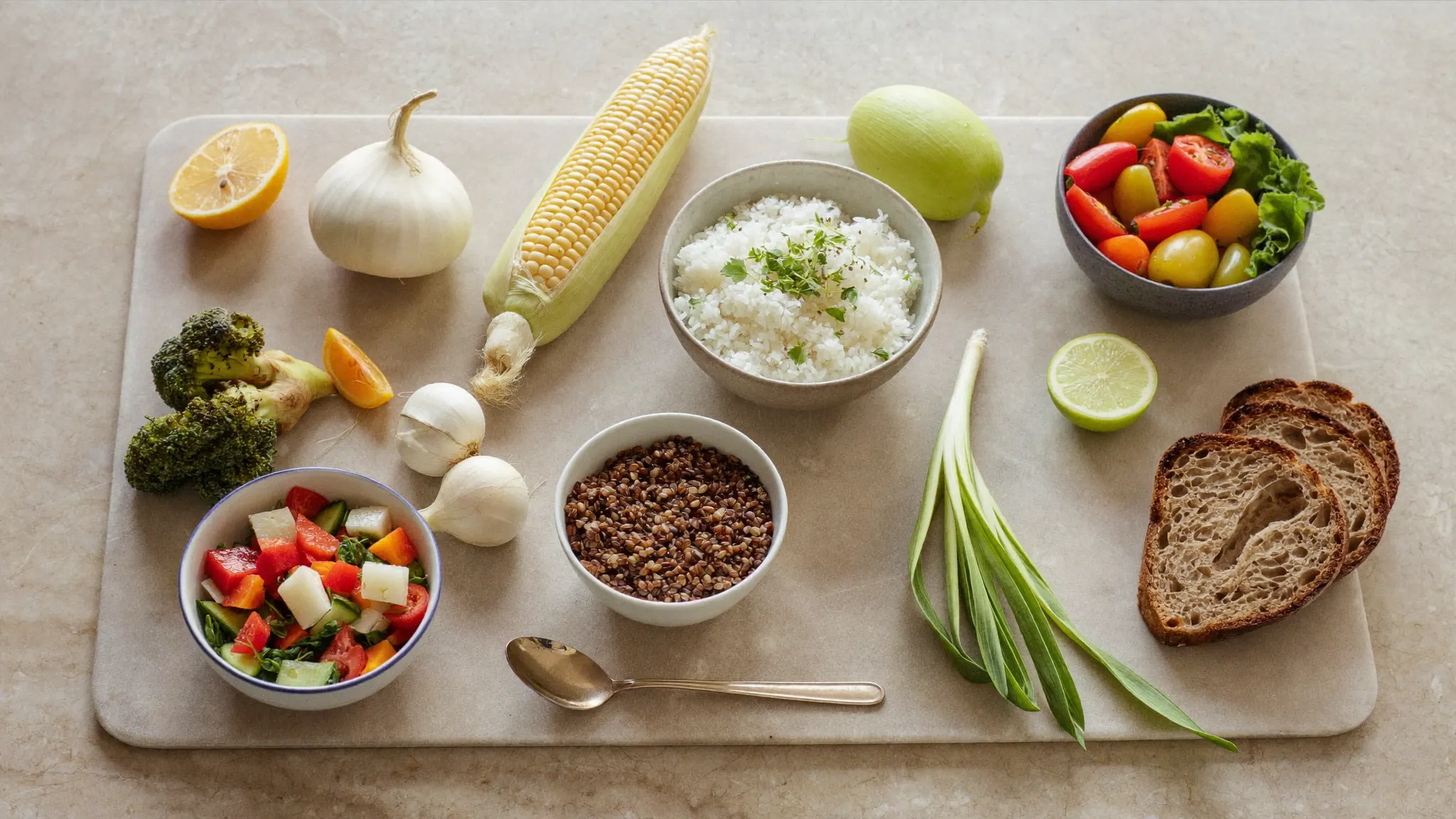
Although any food can trigger an allergy, eight categories are responsible for most reactions according to guidelines: milk, eggs, peanuts, tree nuts, wheat, soy, fish, and shellfish. Sesame was later added as a significant allergen requiring labeling in the Gulf region, making the common categories nine.
| Category | Common Examples in Our Cuisine | Tendency to Persist |
|---|---|---|
| Milk | Cow's milk and its derivatives, yogurt, cheese | Often outgrown |
| Eggs | Eggs, baked goods, desserts | Often outgrown |
| Peanuts | Peanut butter, sweets, snacks | Tends to persist |
| Tree Nuts | Almonds, cashews, pistachios, walnuts in treats | Tends to persist |
| Wheat | Bread, pastries, pasta, Kabsa | Often outgrown |
| Soy | Soy sauce, some processed foods | Often outgrown |
| Fish | Various fish types in coastal dishes | Tends to persist |
| Shellfish | Shrimp, crab, lobster | Tends to persist |
| Sesame | Tahini, Halva, sprinkled on bread | Common in our cuisine |
In practice: Sesame and tahini are very common in our diet, so pay attention to them as you would peanuts, especially in halva and bread.

Signs That May Indicate an Allergic Reaction
Allergic reactions typically appear within minutes to two hours after consuming a food and vary in severity. Skin symptoms include rashes, itching, and hives. Digestive symptoms can include vomiting, diarrhea, and abdominal pain. Respiratory symptoms may involve coughing, wheezing, and shortness of breath. More than one system can be affected in severe reactions.
In infants, signs can be harder to distinguish, and anaphylaxis symptoms may be mistaken for normal infant behavior. Less common signs include lethargy, difficulty being soothed, coughing, diarrhea, changes in skin color, and rapid pulse without another cause. The practical rule: If a clear reaction occurs after a new food, stop it and consult a doctor for evaluation and a safe introduction plan.
Is What You're Seeing Worth Evaluating? — A Self-Check
This is a guide to indicators that may warrant a doctor's visit and does not replace their assessment or laboratory diagnosis. Select what applies to your child:
Early Introduction for Prevention — A Shift in Understanding
The most reassuring message in this article: delaying allergenic foods is no longer recommended. Evidence suggests that early introduction, around 4 to 6 months, may reduce the risk of allergies. In the landmark LEAP study, 640 British infants at high risk, aged 4 to 11 months, with eczema or egg allergy, were included.
The results were striking: the relative risk of peanut allergy decreased by about eighty percent by age five. In the avoidance group, about 17.2% developed allergy, compared to about 3.2% in the early introduction group. This overturned the old recommendation, as early exposure trains the immune system to tolerate.
How to Introduce These Foods Safely
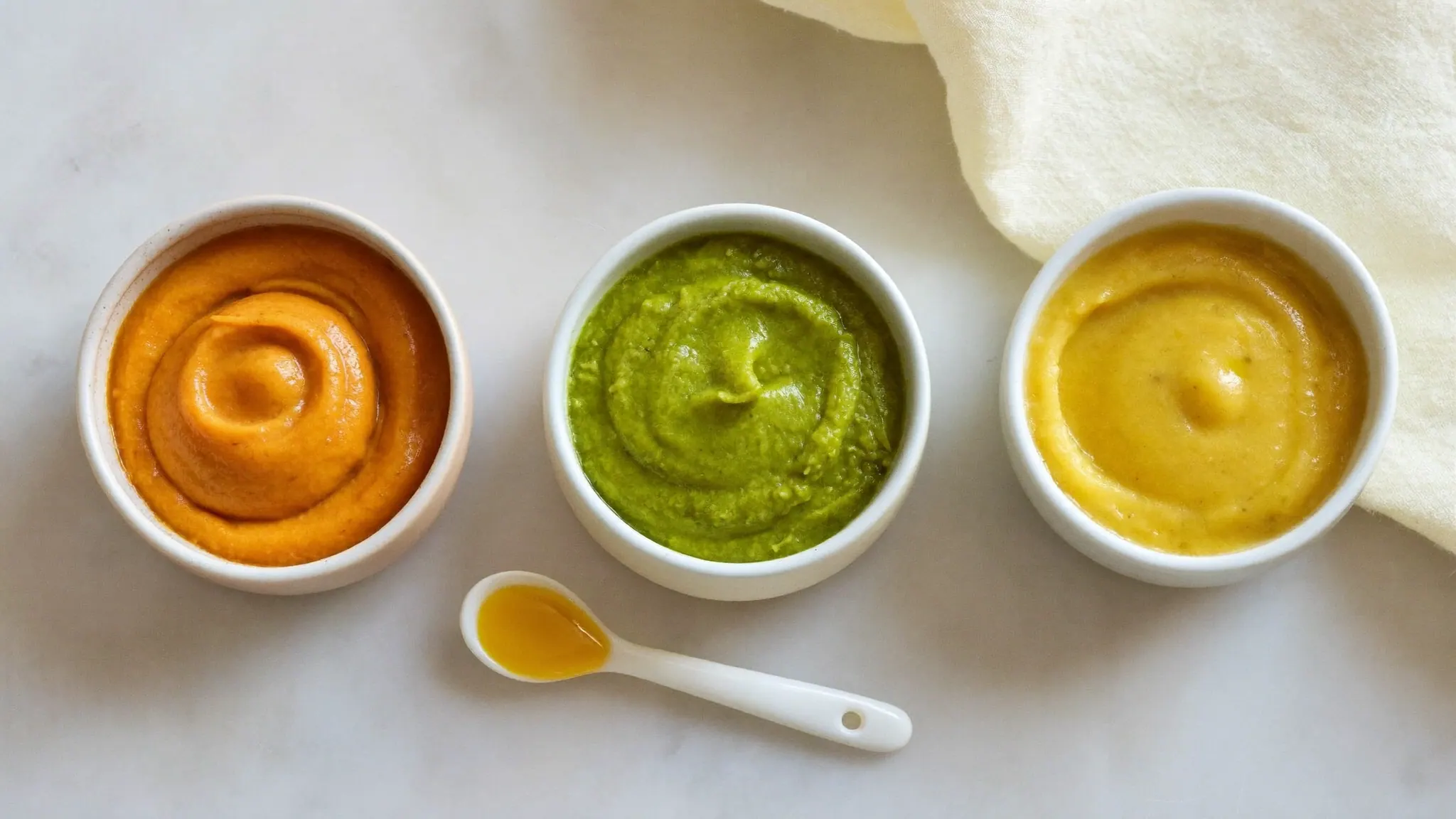
Early introduction doesn't mean rushing or taking risks, but rather calm, measured steps. Start after your baby shows readiness for solid foods, offer the allergenic food in a small amount at home during the day, when they are in good health, and monitor them afterward. Introduce one new food at a time so you can identify the source of any reaction.
In practice in our kitchens: Peanuts can be offered as a thinned paste mixed with a little warm water or a familiar food, not as whole nuts that pose a choking hazard. Eggs should be well-cooked. Avoid small, hard foods that could cause choking. If your child is high-risk, coordinate the introduction plan with their doctor first.

Reading Allergy Labels — A Parent's Skill
Gulf regulations require packaged foods to clearly label allergenic foods. This list includes gluten-containing cereals, crustaceans, eggs, fish, peanuts, soy, milk, tree nuts, and sesame, along with celery, mustard, sulphites, lupin, and molluscs. In Saudi Arabia, this information is required in both Arabic and English.
In practice: Read the ingredient list every time, not just once, as companies may change formulations. Pay attention to alternative names like casein for milk or lecithin derived from soy. Statements about potential cross-contamination, such as "may contain traces of," warrant caution if your child is highly sensitive. Make label reading a habit before introducing any new product.

Does a Child Outgrow Their Allergy?
Another reassuring piece of news: many childhood allergies resolve with growth. Guidelines note that most children outgrow allergies to milk, eggs, soy, and wheat over time. Peanut and tree nut allergies, however, tend to persist, with a much smaller percentage outgrowing them, as do fish and shellfish allergies.
The practical message: A diagnosis of allergy today doesn't necessarily mean a lifelong condition, especially with milk and eggs. Follow up with your child's doctor, who may suggest periodic re-evaluation and sometimes an supervised oral food challenge to see if the child has outgrown the allergy. Do not reintroduce a food that previously caused a reaction without your doctor's guidance.
Anaphylaxis — The Sign That Cannot Wait
Anaphylaxis, as defined by guidelines, is a "severe, rapid-onset allergic reaction that can be fatal". It is the most dangerous form of allergy, and its first-line treatment is epinephrine without delay, as guidelines state that "epinephrine is the first-line treatment in all cases of anaphylaxis, and all other medications are slower to take effect".
Signs of anaphylaxis include difficulty breathing or wheezing, swelling of the face, lips, or tongue, widespread hives, sudden vomiting and diarrhea, and in infants, lethargy, paleness, and difficulty being soothed. The strict rule: If these signs appear, use an epinephrine auto-injector if prescribed for your child and call emergency services immediately. Do not wait to see if it will subside.

What the Science Actually Says About Prevention
The LEAP study marked a turning point in understanding: in high-risk infants aged 4 to 11 months, early introduction reduced the relative risk of peanut allergy by about eighty percent by age five, with a significant difference between the avoidance group (about 17.2%) and the early introduction group (about 3.2%).
Most importantly for context: this evidence pertains to prevention through early introduction in specific populations, not treatment for an existing allergy. The practical takeaway: do not delay allergenic foods without reason; introduce them at the appropriate time, and with medical supervision if your child is high-risk. Treat early introduction as a promising preventive tool within a plan, not a prescription to be applied without assessment.
Five Common Myths About Childhood Allergies
Half-truths and misconceptions about childhood allergies often cause more anxiety than help. Here are the most common ones and what the guidelines say:
"I'll delay peanuts and eggs until my child is older to be safer."
"Any stomach upset after milk means a milk allergy."
"Childhood allergies are a lifelong sentence with no escape."
"If the reaction seems mild, emergency services aren't needed."
"Reading the label once is enough as long as the product is the same."
Practical Tips to Implement Starting Today
Before you get to the full protocol, here are small guidelines from the core of the above, offering reassurance and protecting your child without turning your life upside down:
- Do not delay allergenic foods without reason. Introduce them at the appropriate time, around 4 to 6 months after the baby is ready for solids; delay does not protect.
- One new food at a time. Offer one potential allergen at home during the day and monitor for two hours to clearly identify the source of any reaction.
- Offer peanuts and eggs safely. Thinned paste, not whole nuts; well-cooked eggs, to avoid choking and ensure safety.
- Read the label every time. Don't rely on previous readings, as formulations can change. Pay attention to alternative names and cross-contamination warnings.
- Be mindful of sesame and tahini. They are very common in our diet, in halva and bread, and are designated as allergens requiring labeling in the Gulf region.
- Differentiate between allergy and intolerance. Do not restrict a food based solely on a digestive symptom; let a doctor classify the condition before elimination.
- Memorize the signs of anaphylaxis. Difficulty breathing, facial swelling, and lethargy—if they appear, administer epinephrine first, then call emergency services immediately.
- Consult your doctor for periodic evaluation. Your child may outgrow their allergy, and do not reintroduce a food that caused a reaction without medical guidance.
EEINA's Protocol for Safe Introduction and a Reassured Child
A practical plan combining the above into three progressive layers. Start layer by layer, and document your child's response to know what works for them.
The protocol is based on early introduction evidence, allergy diagnosis guidelines, and allergen labeling regulations.
Introduce Early and Methodically
Four rules to start.
Monitor and Read
Daily protection.
Prepare and Review
For critical moments and beyond.
Golden Rule: The goal is not fear and delay, but methodical introduction, daily vigilance, and emergency preparedness. Early introduction is a promising prevention, and your doctor is your partner in every step.
Frequently Asked Questions
What is the difference between a food allergy and food intolerance?
What are the most common food allergens in children?
Should I delay introducing peanuts and eggs until my child is older?
How do I read allergy labels on products?
What are the signs of anaphylaxis and when should I call emergency services?
When to See a Doctor — Red Flags
Many allergy steps can be managed calmly, but some signs go beyond that and require prompt medical evaluation:
- Difficulty breathing, wheezing, or swelling of the face or tongue after consuming a food: potential anaphylaxis requiring immediate epinephrine and emergency services.
- Sudden, recurrent vomiting or diarrhea with a specific food: consult a doctor to assess for allergy.
- Widespread rash or hives appearing quickly after eating and recurring with the same food.
- Moderate to severe eczema in the first few months before introducing peanuts, which may require initial assessment.
- Unusual lethargy, paleness, or difficulty being soothed in an infant after eating, signs that may mask anaphylaxis.
- A history of a previous reaction before reintroducing any food that caused a reaction; do not reintroduce without doctor's guidance.
Start Your Next Step with EEINA
Allergy-Conscious Family Meal Plans
Saudi recipes to help you diversify your child's food safely with clear ingredients.
Get Your Plan →First Foods for Infants and Toddlers
Easy ideas for introducing new foods one at a time with clear ingredients.
Try Them →EEINA App
Helps you track your child's new foods and reminds you to read ingredients and follow the introduction plan.
Download →