What is Celiac Disease and Why It Harms Your Intestines
Celiac disease, or Celiac, is a chronic digestive and autoimmune disorder that damages the small intestine. It is triggered by consuming gluten, a protein found in wheat, barley, and rye. In genetically predisposed individuals, gluten prompts the immune system to attack the intestinal lining, causing inflammation and atrophy of the tiny villi that absorb nutrients.
Practically speaking: when villi atrophy, nutrient absorption decreases, leading to digestive symptoms and deficiencies in iron and vitamins over time. Therefore, Celiac disease is not a matter of transient discomfort but a condition deserving accurate diagnosis and monitoring. The first rule: do not self-diagnose or start treatment on your own, as symptoms overlap with many digestive causes, and confirmation comes from testing, not guesswork.
Why It's an Autoimmune Disorder, Not a Simple Allergy
The fundamental difference is that Celiac disease is an autoimmune disorder, meaning the immune system attacks the body's own tissues, not just gluten. It occurs in individuals with a genetic predisposition; the risk of developing it is significantly higher if you have a first-degree relative with the condition. This makes it a permanent condition with no cure other than complete gluten avoidance for life.
More importantly, even a tiny amount of gluten, such as crumbs on a shared kitchen surface, can be enough to cause intestinal damage. Practically, this means managing Celiac disease is more stringent than simply reducing bread intake; it requires constant vigilance against cross-contamination and meticulous label reading. As it is a serious condition, diagnosis and management should be under medical supervision, not personal judgment.
Three Conditions You Might Confuse It With, But They Are Entirely Different
The term "gluten" encompasses three distinct conditions with different mechanisms, severity, and management approaches. Confusing them can be detrimental. Here's a practical distinction, emphasizing that diagnosis requires a doctor:
Celiac Disease
- Autoimmune disorder in genetically predisposed individuals.
- Immune system attacks the intestines, causing villous atrophy.
- Diagnosed via blood tests and intestinal biopsy.
- Treatment is strict lifelong avoidance.
- Even minimal gluten exposure can cause damage.
Non-Celiac Gluten Sensitivity
- Not autoimmune or allergic with antibodies.
- Symptoms occur after gluten consumption without intestinal damage.
- Diagnosed by exclusion after ruling out Celiac disease and wheat allergy.
- Does not typically involve the same nutrient deficiencies.
- Often improves with reduced gluten intake.
Wheat Allergy
- IgE-mediated allergic reaction to wheat proteins.
- Symptoms can appear rapidly within minutes to hours.
- Can be severe, leading to anaphylaxis.
- Requires avoidance of wheat specifically.
- Children may sometimes outgrow it.
Test First, Then Eliminate — A Rule You Must Not Break
This is the most crucial message in this entire article. Celiac disease tests, including antibody blood tests and small intestinal biopsies, rely on the presence of gluten in your diet at the time of testing. If you eliminate gluten before being tested, the immune system may calm down, and the tissue may begin to heal, leading to a false-negative result and missing an important diagnosis.
Practically: If you suspect Celiac disease, do not start the diet on your own. Consult your doctor first and continue eating gluten until they advise testing and guide you. In short: diagnosis before treatment, not after. Reversing the order might later force you to reintroduce gluten for weeks to get accurate tests, an arduous experience that can be avoided.
Symptoms and When They Appear
Celiac disease symptoms are diverse and vary among individuals. They include digestive issues like diarrhea, bloating, gas, and abdominal pain, as well as non-digestive symptoms such as fatigue, iron-deficiency anemia, weight loss, and delayed growth in children. Digestive symptoms are more common in children than adults, and some affected individuals may show no obvious symptoms at all.
Practically: Because the presentation is varied and can be silent, symptoms alone are not sufficient for diagnosis. The practical rule: if digestive symptoms recur or if anemia or unexplained fatigue appears, especially if you have a family history of Celiac disease, discuss it with your doctor to assess the need for testing. Do not automatically attribute every discomfort to gluten; there are many digestive causes.
Do Your Symptoms Warrant a Celiac Evaluation? — Self-Check
This is a guide to indicators that might warrant discussion with your doctor. It does not diagnose Celiac disease or replace laboratory tests and biopsies. Most importantly: do not eliminate gluten based on its results; present them to your doctor. Select what applies to you:
Grains That Contain Gluten
Gluten is a protein found in three main grains and their derivatives: wheat, barley, and rye. These are incorporated into many of our daily foods, from bread and pastries to pasta, bulgur, semolina, and numerous processed items. Here are practical examples of what contains gluten:
| Source | Commonly Found In | Status |
|---|---|---|
| Wheat and its derivatives | Bread, pastries, pasta, semolina, bulgur | Contains Gluten |
| Barley | Some beverages, soups, and barley grains | Contains Gluten |
| Rye | Some types of European dark bread | Contains Gluten |
| Malt (from barley) | Flavorings and some ready-to-eat cereals | Contains Gluten |
| Freekeh and Couscous | Wheat-based dishes | Contains Gluten |
| Oats (unlabeled) | May be cross-contaminated with wheat during production | Beware of Cross-Contamination |
Practically: Note that the term "wheat-free" does not necessarily mean "gluten-free," as the product might contain barley or rye. Inquire about the source of grains in composite dishes before consuming them.

Naturally Gluten-Free Foods
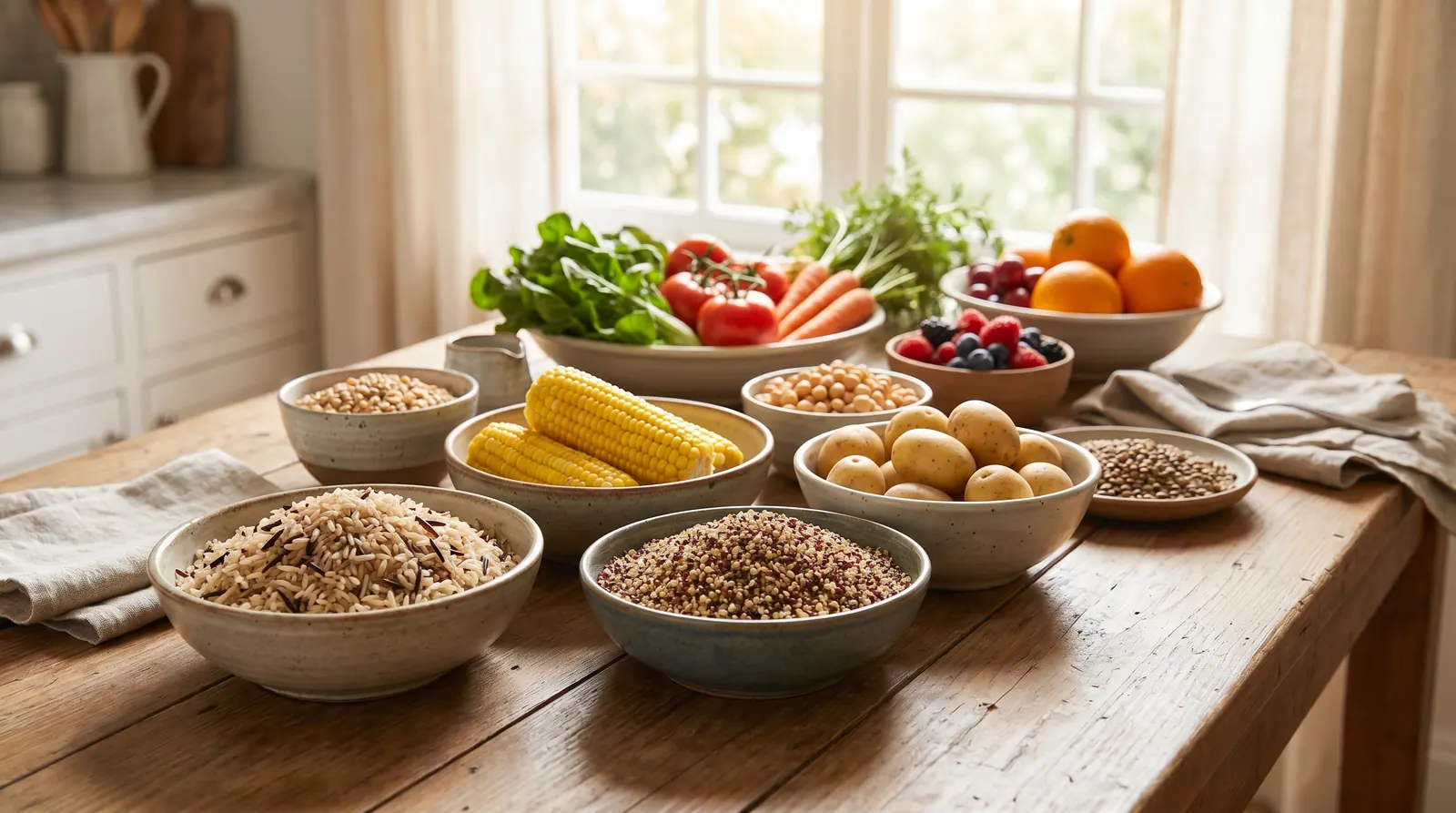
The reassuring news is that much of our diet is naturally gluten-free. Reliable nutritional sources indicate that minimally processed foods like fruits, vegetables, meats, poultry, fish, eggs, legumes, and nuts are naturally gluten-free, in addition to grains and starches such as rice, corn, quinoa, potatoes, buckwheat, and millet. Oats are pure gluten-free but often contaminated, so choose those labeled gluten-free.
| Category | Practical Examples |
|---|---|
| Alternative Grains & Starches | Rice, corn, quinoa, potatoes, buckwheat, millet |
| Legumes | Chickpeas, beans, lentils in our daily meals |
| Fruits & Vegetables | Fresh and unprocessed by nature, are gluten-free |
| Meats, Poultry, Fish, & Eggs | In their natural state before seasoning and processing |
| Nuts & Seeds | Almonds, pistachios, and nutrient-rich seeds |
| Oats Labeled Gluten-Free | Tolerated by most patients in moderation |
Practically: Build your meals around these natural foods instead of relying on processed gluten-free products, which are often more expensive and less nutrient-dense, and may contain refined starches.
Hidden Gluten and Reading Labels
The biggest pitfall for someone with Celiac disease is not obvious bread, but hidden gluten in unexpected foods. Soups and sauces are among the most common sources of hidden gluten, as wheat is used as a thickener. It also appears in some processed meats, spice blends, soy sauce, and cream substitutes. Therefore, reading the ingredient list before purchasing remains an indispensable habit.
Practically: Read the label and look for wheat, barley, rye, malt, and their derivatives. Since the GCC labeling regulations require the declaration of gluten-containing grains, such as wheat and its derivatives, among allergens on the packaging, the label is your primary ally in detecting hidden gluten. Remember that cross-contamination in a shared kitchen is another hidden source; separate your utensils if necessary.

Nutritional Gaps in the Gluten-Free Diet
A gluten-free diet can be healthy if well-constructed, but it may lead to nutrient deficiencies if it relies on processed products. These products are often unfortified and made from refined starches. Since fortified wheat products are removed, fiber, iron, and B vitamins like folate, thiamine, and niacin may be reduced.
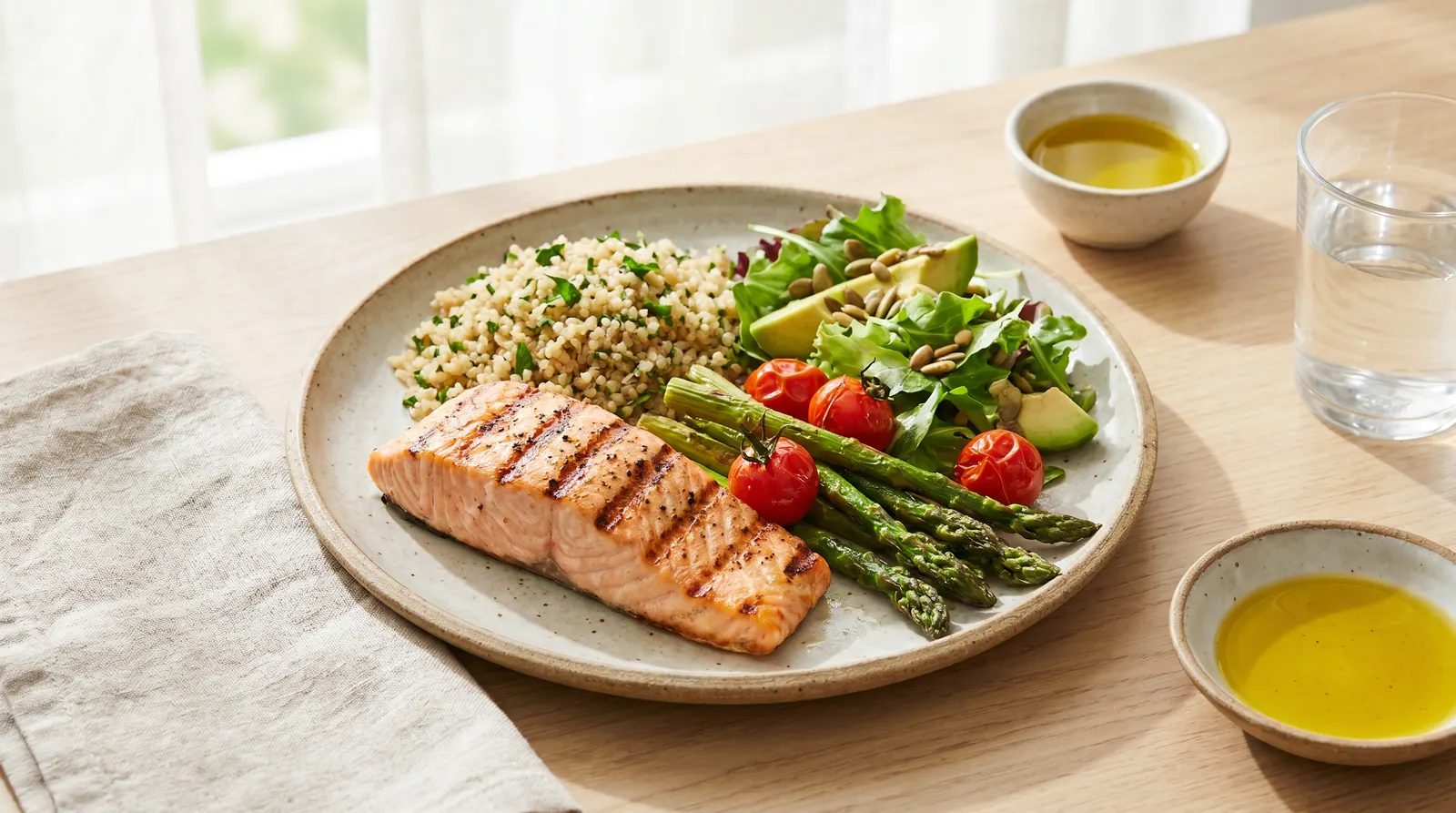
Practically: Address these gaps with whole foods, not just supplements. Increase your intake of gluten-free whole grains like brown rice, quinoa, and buckwheat, as well as legumes, nuts, seeds, vegetables, and fruits. These are rich sources of fiber, iron, and B vitamins. Follow up with a dietitian to ensure adequate intake, especially during the first few months of the diet.
Our Saudi Context — Why It Matters to Us
Celiac disease is not a distant Western illness. A systematic review of its prevalence in Arab countries indicates that the highest prevalence in the general population was recorded in Saudi Arabia at approximately 3.2%, which is among the highest rates regionally. The risk is also significantly higher in specific groups, such as children with Type 1 diabetes.
The practical message: If you have suggestive symptoms, a family history of Celiac disease, or another autoimmune condition, you fall within a broad pattern in our region that warrants evaluation, not an isolated case. Given that our cuisine is rich in wheat-based products like bread, pastries, and bulgur, early diagnosis and smart adoption of natural alternatives like rice, legumes, and quinoa are more beneficial than ignorance or random gluten elimination.
Five Common Myths About Gluten and Celiac Disease
Misconceptions about gluten lead many to make incorrect decisions. Here are the most common ones and the facts:
"Gluten-free is healthier for everyone."
"Celiac disease is just a mild wheat sensitivity."
"I'll eliminate gluten first, then get tested."
"A small piece of bread won't harm someone with Celiac disease."
"Wheat-free means gluten-free."
Practical Tips to Implement Starting Today
Before diving into the full protocol, here are small guidelines from the core message that protect your health and build a balanced diet without turning your table upside down:
- Test before you eliminate. If you suspect Celiac disease, consult your doctor and continue eating gluten until they advise testing. Hasty elimination compromises diagnostic accuracy.
- Know the three differences. Distinguish between autoimmune Celiac disease, non-celiac gluten sensitivity, and allergic wheat sensitivity, as each requires different testing and management.
- Build your plate around natural foods. Rice, legumes, quinoa, vegetables, fruits, and meats are naturally gluten-free, more nutritious, and cheaper than processed options.
- Read every label. Look for wheat, barley, rye, and malt. Check the allergen declarations on packaging, as gluten hides in soups and sauces.
- Beware of cross-contamination. In a shared kitchen, use separate cutting boards, toasters, and utensils, as even crumbs can harm someone with Celiac disease.
- Choose labeled oats. If you enjoy oats, opt for those labeled gluten-free and introduce them in moderation after consulting your doctor.
- Address nutrient gaps with food. Increase intake of gluten-free whole grains, legumes, nuts, and vegetables to compensate for fiber, iron, and B vitamins.
- Follow up with a dietitian. Especially during the initial months of the diet, to ensure adequate intake and correct any deficiencies under supervision.
EEINA's Protocol for Confidently Managing Gluten and Celiac Disease
A practical plan combining the above into three progressive layers. Start with diagnosis above all else; it is the cornerstone upon which everything else is built.
The protocol is based on the definition of Celiac disease, the principle of testing before elimination, gluten-free diet guidelines, and nutritional value principles.
Diagnose Before You Eliminate
The first step, always.
Eliminate Correctly
After confirmed diagnosis.
Preserve Your Nutrients Under Supervision
For a balanced diet.
Golden Rule: Diagnosis before treatment, not after. Do not eliminate gluten before testing if you suspect Celiac disease. If diagnosed, strict lifelong avoidance is the treatment, along with a balanced diet that preserves your nutrients under supervision.
Frequently Asked Questions
Is Celiac Disease the same as gluten sensitivity?
Why is it important to get tested before eliminating gluten?
Which grains contain gluten?
Is oats safe for someone with Celiac disease?
Can a gluten-free diet lead to nutrient deficiencies?
When to See a Doctor — Red Flags
Gluten and Celiac disease are conditions requiring medical evaluation, and certain symptoms warrant immediate consultation:
- Rash or swelling of the face or lips, or shortness of breath after consuming wheat, which could indicate a life-threatening wheat allergy.
- Chronic diarrhea, unexplained weight loss, or recurrent anemia requiring evaluation to determine the cause.
- Persistent fatigue or nutrient deficiencies despite a seemingly balanced diet, which may indicate an incomplete diet or an unrelated cause.
- A first-degree relative with Celiac disease along with any suggestive symptoms, as you are at higher risk and warrant evaluation.
- Delayed growth or short stature in a child with digestive symptoms; do not attempt a diet without consulting a pediatrician.
- Another autoimmune disease such as Type 1 diabetes or thyroid disorder, as it is known to be associated with Celiac disease.
Start Your Next Step with EEINA
Gluten-Free Meal Plan
Saudi recipes with rice, legumes, and vegetables that preserve your nutrients from natural, gluten-free sources.
Get Your Plan ←Gluten-Free Recipes
Easy ideas with quinoa, legumes, and vegetables, rich in fiber and iron, without wheat or barley.
Try Them ←EEINA App
Helps you track gluten-free foods and suggests natural alternatives that preserve your nutrients.
Download ←