Why They Suddenly Become Picky: Food Neophobia is a Phase, Not a Flaw
Between the ages of two and six, most children go through what researchers call food neophobia, meaning a primal refusal of any new food. This is a normal evolutionary behavior estimated to affect 40% to 60% of children, peaking around 38 months of age. The explanation is that at this age, the child begins to walk and explore, so nature developed a caution to protect them from ingesting anything potentially harmful.
The reassuring news is that pickiness is usually transient: follow-ups indicate that the majority overcome it, and only about 3.7% continue to be picky eaters into late childhood. Understand that the refusal is not defiance directed at you, but an age-related programming that fades with patient exposure.
Saudi Arabia Statistics
Picky eating is not a rare condition in our region but is widespread. Saudi studies have recorded high rates of pickiness among children, and pickiness was found in the majority of cases with normal growth nutrition problems in a study of preschool children. The nutritional outcome is that Saudi children do not consume enough fruits and vegetables, which weakens their intake of fiber, vitamins, and minerals.
A Saudi national study also linked maternal feeding styles to children's fruit and vegetable consumption. Awareness that the problem is very common reduces anxiety and directs effort towards solutions instead of self-blame. Practically for Saudi families: utilize the rich family kitchen. A dish like soup, salad, or grilled vegetables on the family table is an opportunity to model healthy eating. Pay attention to excessive juices and sweets between meals.
Is Your Child's Pickiness Normal or Does it Warrant Attention?: Self-Check
This is a guiding checklist to help you distinguish between transient normal pickiness and signs that require a doctor's consultation. It does not replace a pediatrician's assessment. Select what applies to your child:
Repeated Exposure: The Golden Rule Most Parents Miss
The most common mistake is for a parent to offer a new food once or twice, the child refuses, and they conclude the child dislikes it and remove it permanently. Evidence says the opposite: a child may need ten or more exposures before their palate accepts a new food, according to the American Academy of Pediatrics. A systematic review confirms that tasting a fruit or vegetable daily for eight to ten days or more increases acceptance in young children.
Practically: Offer the refused food calmly every few days, in a small quantity, without comment. Count every touch, sniff, or bite as a step, not a failure. Calm, persistent repetition is your strongest tool, and early removal aborts the process before it matures.
Don't Force, Don't Pressure: Pressure Worsens the Problem, It Doesn't Solve It
When a child refuses, parents instinctively tend to pressure. However, a longitudinal study of over 4,000 mother-child pairs revealed an inverse relationship: pressure on a four-year-old predicted more pickiness at age six. Pressure turns food into a battleground, associating the food with stress rather than enjoyment.
The division of responsibility principle recommended by the American Academy resolves this: you decide what, when, and where to serve, and the child decides whether and how much to eat. Stick to your boundary and don't cross into theirs. Remove phrases like "finish your plate" and "just one more bite." Leave the plate, continue your meal, and trust that a healthy child will not starve themselves.
Be the Role Model: Children Eat What They See You Eat
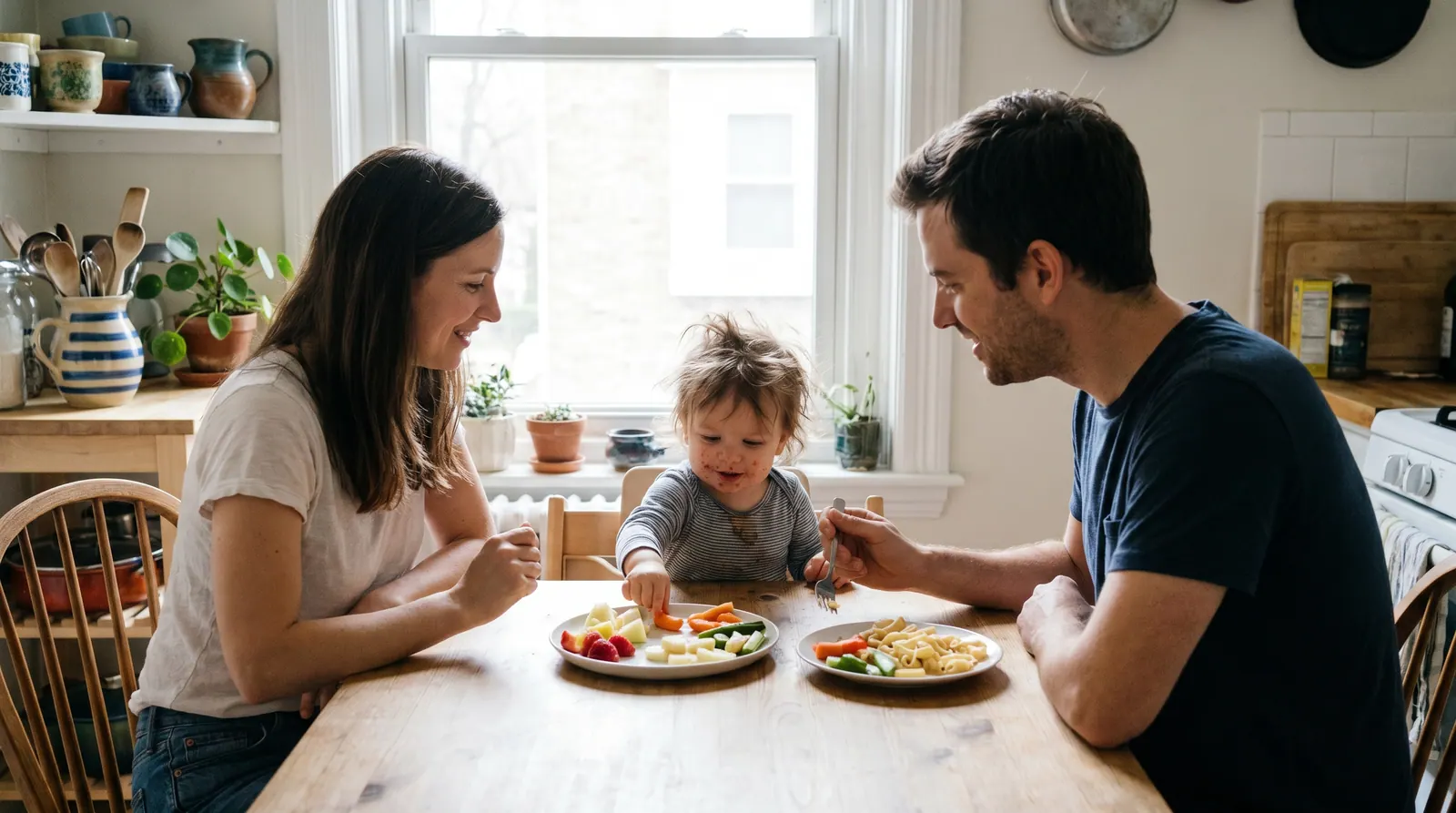
Children learn to eat by imitation before they learn to speak. Research shows that parental consumption of fruits and vegetables is the strongest predictor of a child's consumption, stronger than parenting style or socioeconomic status. A mother's modeling of healthy eating was associated with a less picky child in the following year.
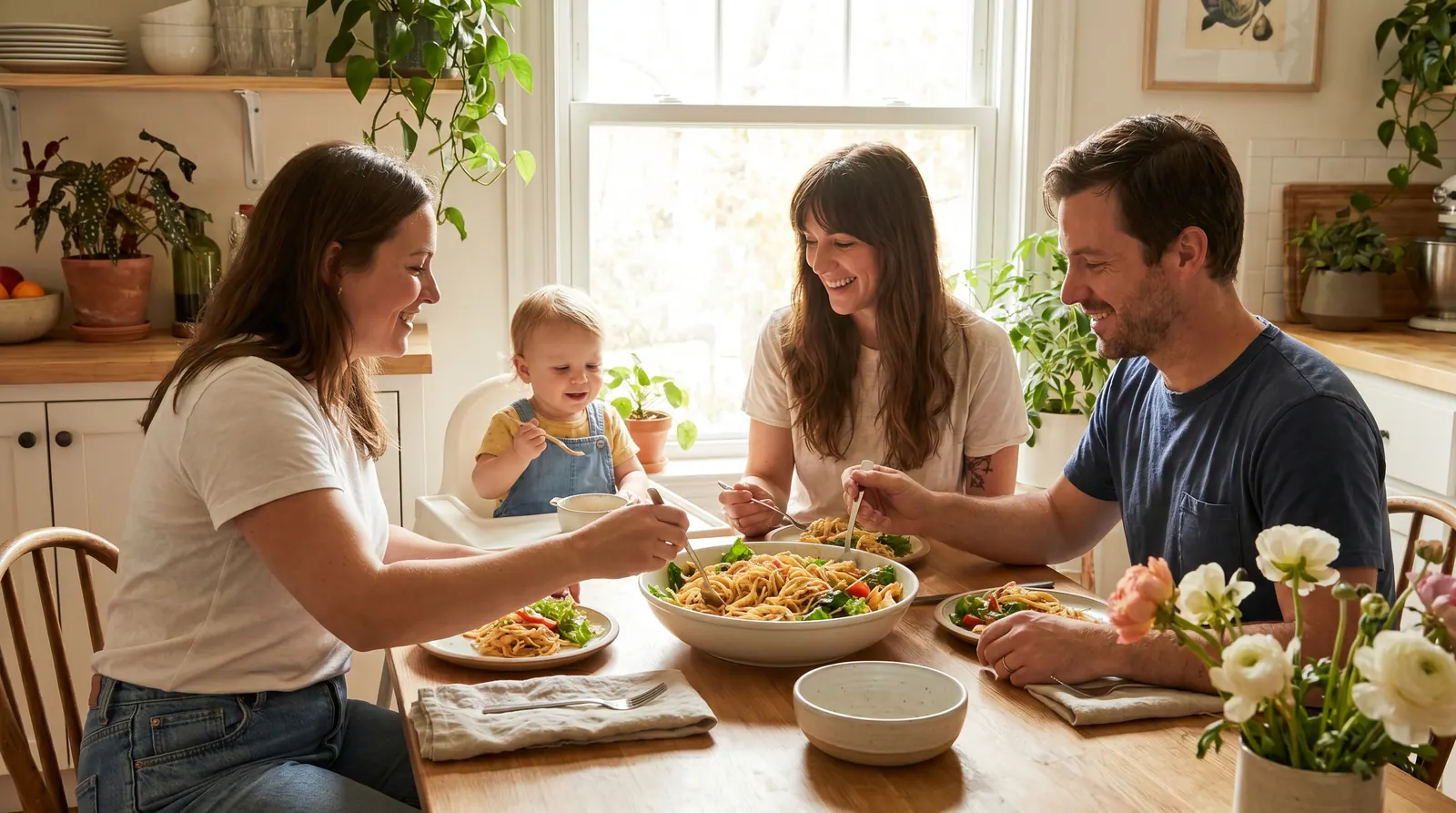
Practically: Sit for meals together as much as possible, and eat vegetables in front of them with apparent enjoyment without ordering them. Don't ask them to eat something you refuse. Older siblings and peers are also influential role models. A family meal where everyone eats the same food is more impactful than a lecture on its benefits. Silent role modeling is stronger than a thousand instructions.
Involve Them in the Kitchen: Those Who Cook Food Dare to Taste It
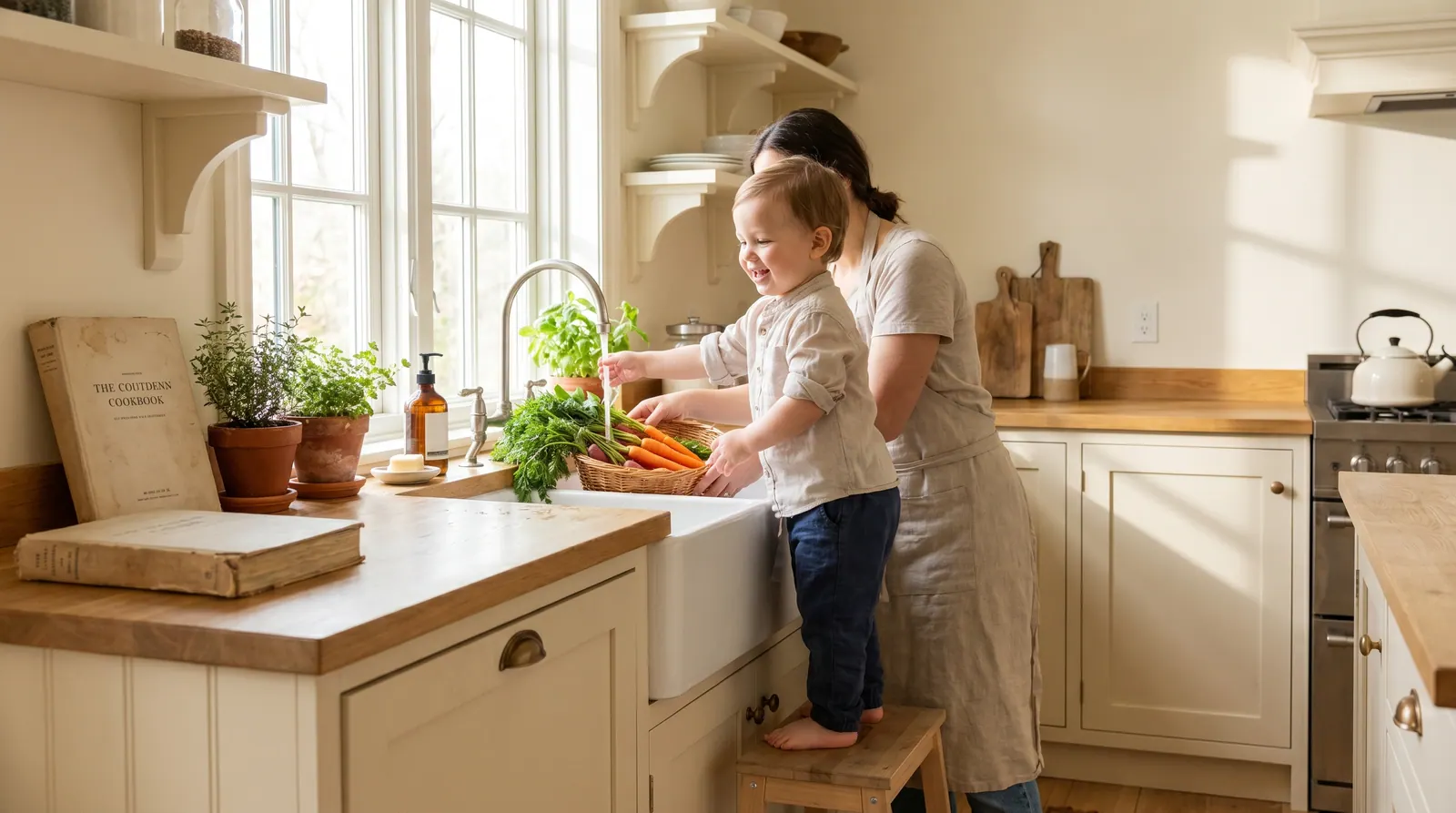
Involving a child in choosing recipes, buying ingredients, and cooking increases their willingness to try new foods and reduces their food neophobia. A controlled study of 257 students found that vegetable preference and children's confidence in the kitchen increased significantly in the cooking group, with a stronger effect among those who hadn't cooked before,.
The secret is psychological: the child feels ownership of what they made, reducing their fear of it. Practically, depending on their age: let them wash vegetables, mix salads, count tomatoes, or choose vegetables for dinner at the market. Safety first, away from heat and knives. The idea isn't mastering cooking but owning the dish, which opens the door that refusal had closed.
The Food Bridge: Offer New Foods Alongside Familiar Ones, Not Alone
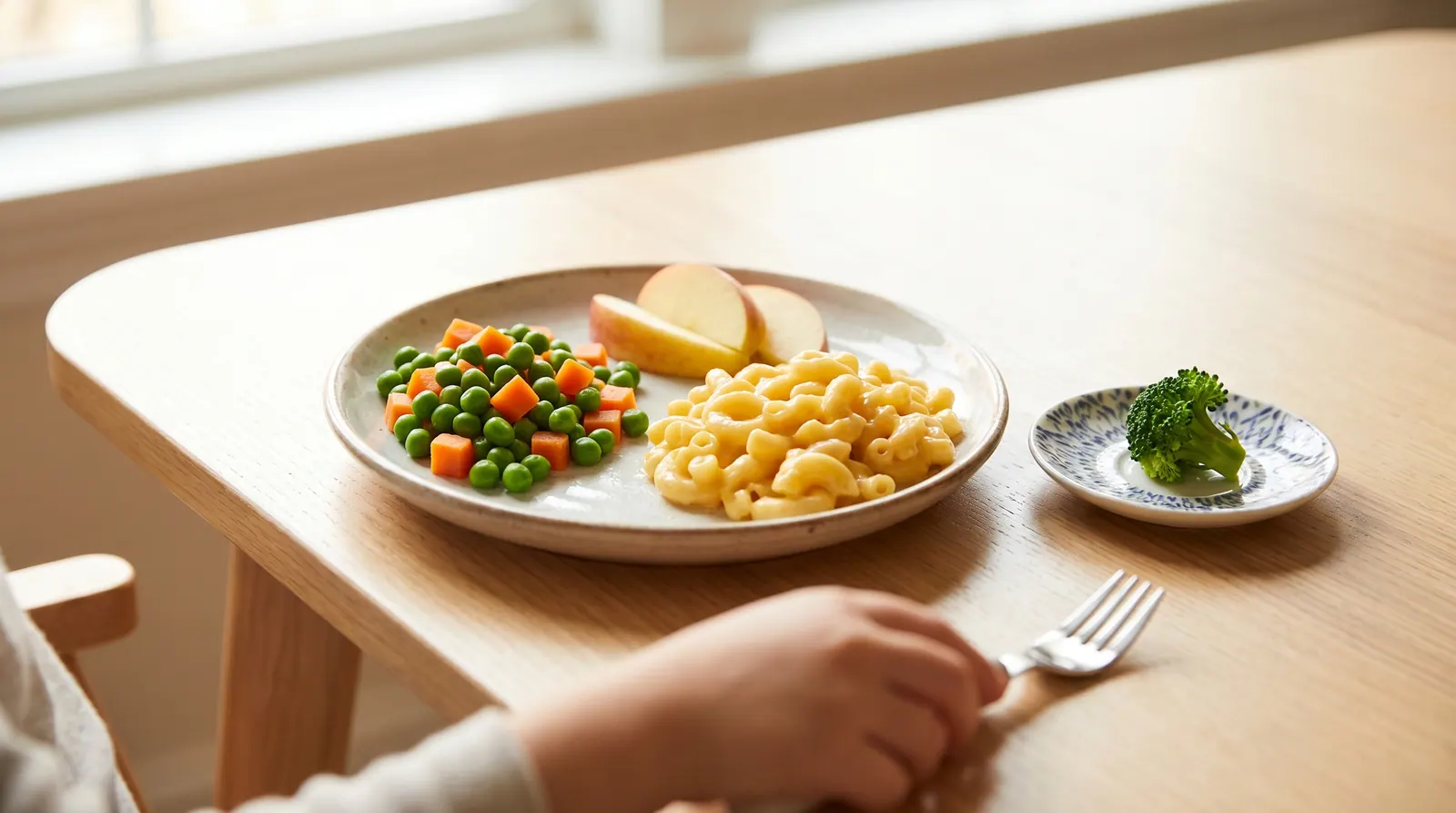
A plate composed entirely of new foods guarantees refusal. It's smarter to offer the new food alongside a food the child already likes. The familiar provides reassurance and encourages risk-taking with a bite. The American Academy recommends this technique, along with the food bridge method: transitioning to a new food that resembles an accepted food in color, texture, or taste.
For example, someone who likes mashed potatoes might accept mashed pumpkin due to similar texture. Combine new bitter or sour tastes with naturally preferred ones. Practically: in every meal, include one guaranteed food they eat, alongside a small portion of the new food without obligation. This way, they won't go hungry or feel afraid, and the door remains open for experimentation.
Routine and Environment: When and Where They Eat is as Important as What
Picky eating worsens when structure is absent. Establish regular meal and snack times. A child who grazes on sweets and juices between meals arrives at the table without hunger and refuses food. Sit at the table for meals without screens or distracting toys, as distractions disrupt a child's awareness of their hunger and fullness cues.
Keep meal durations reasonable, about 20 to 30 minutes, then calmly remove the plate without punishment. Don't be a short-order cook who prepares an alternative meal immediately upon refusal, as this trains the child to refuse. Serve one meal for the family that includes at least one item they like. A calm, regular environment helps a child reconnect with natural hunger cues that chaos can suppress.
Visual Presentation and Texture: A Child's Eyes Eat Before Their Mouth
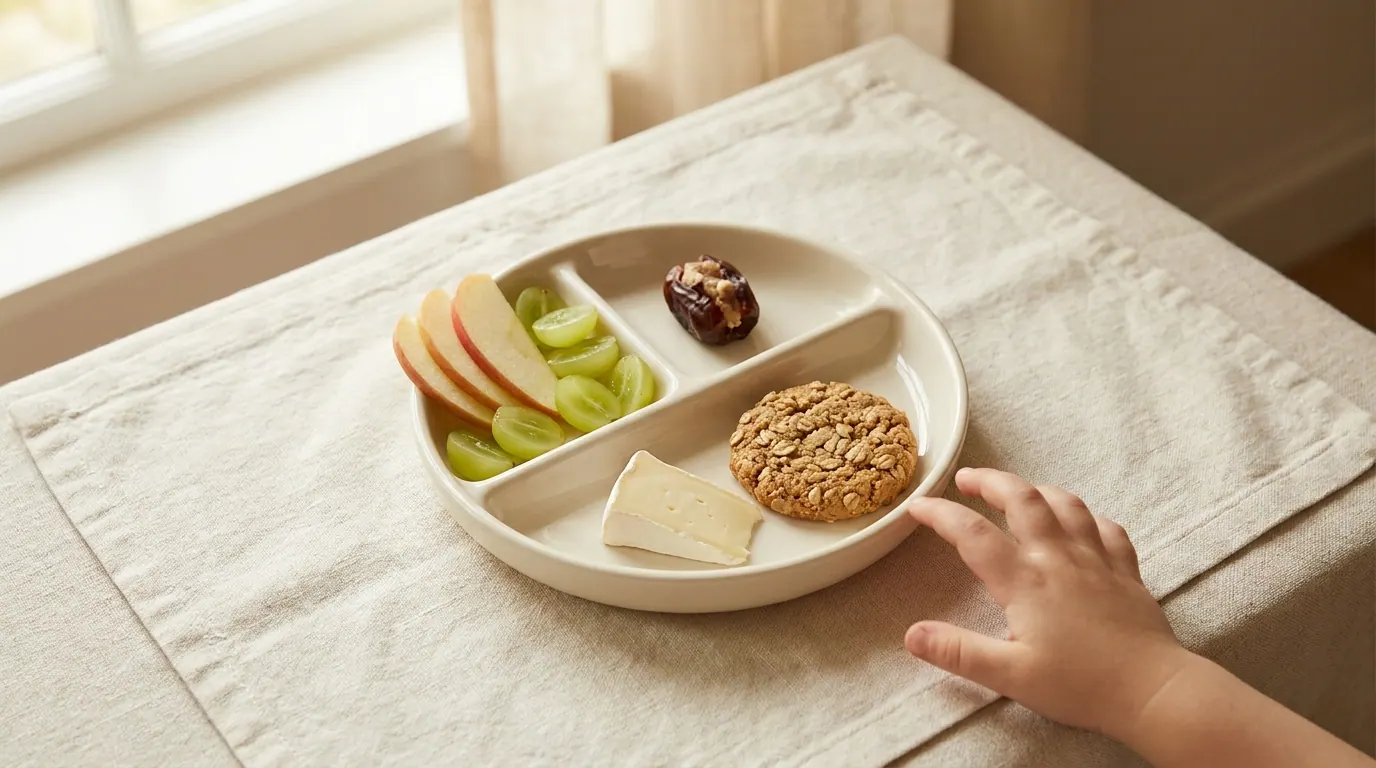
Young children judge food by its appearance and texture before its taste. The American Academy suggests presenting food in attractive shapes, varied colors, and small, hand-held pieces, with dips to encourage tasting. Texture is a crucial factor: many children refuse a food due to its feel, not its taste. Try carrots boiled soft one time and crunchy raw another.
Offer the new food in a very small quantity, like a spoonful, so it doesn't seem intimidating. Practically: cut fruits into shapes, arrange vegetables by color, offer dips alongside them, and allow them to eat with their hands. This isn't spoiling; it's reducing the sensory barrier between the child and the food.
Nutrition During the Phase: Don't Panic About One Meal, Look at the Week
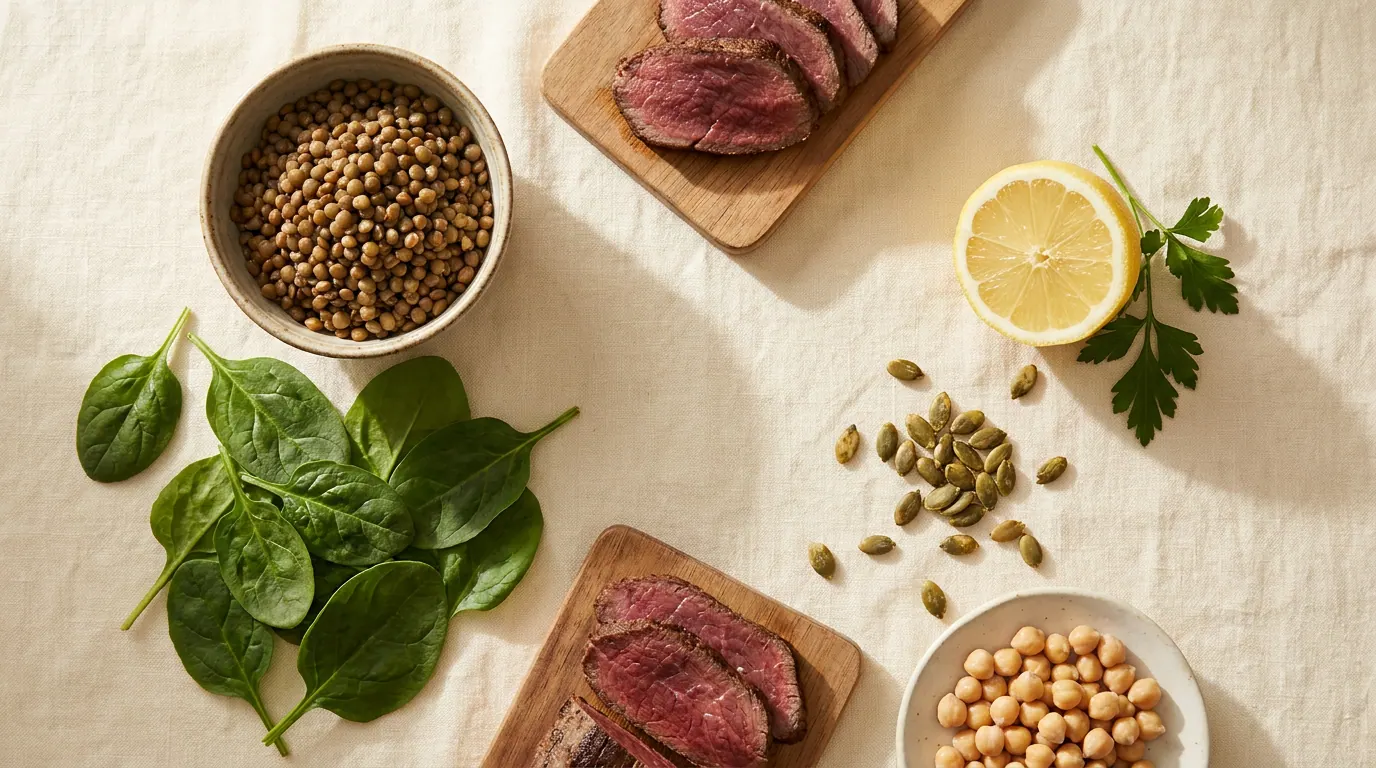
Much of parental anxiety stems from measuring nutrition by a single meal. It's better to assess a child's intake over days, not hours: a child who refuses lunch may compensate at dinner or the next day. However, severe pickiness can reduce certain nutrients. Pickier children consume less fruit, vegetables, and protein, and lower intake of iron and zinc has been observed in three-year-old picky eaters.
Practically: vary what you offer throughout the week. Offer diverse proteins and alternatives from the same group. If they refuse broccoli, try zucchini. If you fear persistent deficiency, consult a pediatrician before any supplements. Trust your child's body's ability to regulate its appetite over the long term, not just the moment.
When Pickiness is a Cause for Concern Warranting a Specialist
Most pickiness is transient, but some signs go beyond the normal phase and require immediate pediatrician consultation:
- Faltering Growth: Dropping percentiles on the growth chart or unintended, unexplained weight loss.
- Shrinking Food Repertoire: Food intake limited to fewer than 10 items, with the list shrinking rather than expanding over time.
- Elimination of Entire Food Groups: Consistent refusal of all protein or all vegetables.
- Fear of Food: Refusal associated with fear of choking, vomiting, or a past traumatic experience.
- Worsening Pickiness: Pickiness increasing with age instead of improving, with a negative impact on the child's growth, psychological, or social well-being.
These may indicate Avoidant/Restrictive Food Intake Disorder (ARFID), which differs from normal pickiness by worsening over time and genuinely harming growth or psychological well-being,,. Document what they eat and their weight, and don't wait years if you notice deterioration. This is not your failure but a treatable condition, and early intervention is more successful.
Five Common Myths About Picky Eating
Half-truths circulate about picky eating, increasing anxiety or hindering effective solutions. Here are the most common ones, and what the evidence says:
"If they refuse it once or twice, they don't like it and it should be removed."
"Forcing or bribing with sweets fixes pickiness."
"A picky child will starve themselves if I don't force them."
"Picky eating is a parenting flaw and I should be ashamed."
"All pickiness requires immediate medical intervention and supplements."
Practical Tips to Implement Today
Before you get to the full protocol, here are small tips derived from the above, which can reduce stress at your daily meals without turning your life upside down:
- Repeat Before Judging. Offer a new food ten or more times in small quantities and calmly before concluding your child dislikes it; the first refusal is not final.
- Divide Responsibility. You decide what, when, and where; they decide whether and how much. Don't cross their boundary into compulsion, as forcing worsens refusal.
- Ban Sweet Bribes. The phrase "eat your vegetables and I'll take you for ice cream" devalues vegetables and elevates sweets in their mind. Replace it with role modeling and repetition.
- Include a Familiar Anchor in Every Plate. One guaranteed food they like alongside a small portion of the new food, so they don't go hungry or fear the plate.
- Be the Silent Role Model. Eat vegetables in front of them with enjoyment and without ordering; your modeling is a stronger predictor of their eating than any words.
- Involve Them According to Their Age. Let them wash, mix, count, or choose dinner vegetables at the market; those who make the dish dare to taste it.
- Fix Times and Regulate What's In Between. Set their meal times and prevent juices and sweets between meals so they arrive at the table truly hungry.
- Turn Off Screens and Time the Meal. Keep it to 20-30 minutes, then calmly remove the plate without punishment. Don't be a short-order cook who prepares an alternative immediately upon refusal.
EEINA's Protocol for Gently Expanding Your Child's Plate
A practical plan combining the above into three progressive layers. Start layer by layer, and document what they eat daily to understand what works for your child.
This protocol is based on the American Academy of Pediatrics recommendations and the principle of division of responsibility in feeding.
Calming Mealtime Habits
Four habits every day.
Structured Exposure and Involvement
Steps to expand their plate.
Measure by Week, Not Meal
Reassurance and review.
Golden Rule: The goal isn't a perfect meal today, but a child who gradually expands their plate with confidence. Patience is your tool, conflict is your enemy.
Frequently Asked Questions
How many times should I offer a new food before giving up?
Should I force my child to finish their plate?
My child eats very little, will they become malnourished?
Is bribing with sweets an acceptable quick fix?
When do I know if it's beyond normal pickiness?
Start Your Next Step with EEINA
Family Meal Plans
Saudi recipes that bring the family together at one table, featuring items your child loves alongside new ones to gently expand their palate.
Get Your Plan ←Kid-Friendly Recipes
Simple dishes with attractive shapes and colors, and pleasant textures, that you can involve your child in making, encouraging them to dare to taste them.
Browse Recipes ←EEINA App
A food log that tracks what your child accepts and refuses, with reminders for regular meals and ideas to expand their palate.
Download Now ←