Types of Kidney Stones and the Most Common
Kidney stones are solid crystals that form when the concentration of certain salts in urine becomes too high, and fluids cannot dissolve them. They are not a single type but four main categories: calcium oxalate, calcium phosphate, uric acid, struvite, and cystine. Calcium-based stones are by far the most common, accounting for about 80% of stones, with calcium oxalate being the most frequent.
Practically speaking: Why does the type matter? Because the dietary plan differs accordingly. This article focuses on the most common type, calcium oxalate stones, as its guidelines benefit most people. However, accurately determining your stone type requires analyzing it after it passes and examining your urine, not guesswork. Start with general, safe principles, then personalize your plan under medical supervision.
| Type | Approximate Percentage | Note |
|---|---|---|
| Calcium Oxalate | 70 to 75% | Most common; influenced by water, salt, and oxalate intake |
| Calcium Phosphate | About 10% | Also calcium-based; influenced by urine acidity |
| Uric Acid | 8 to 10% | More common with acidic urine and high meat intake |
| Struvite | 7 to 8% | Associated with urinary tract infections |
| Cystine | 1 to 2% | Rare genetic condition |
Hydration: The Most Important Prevention of All
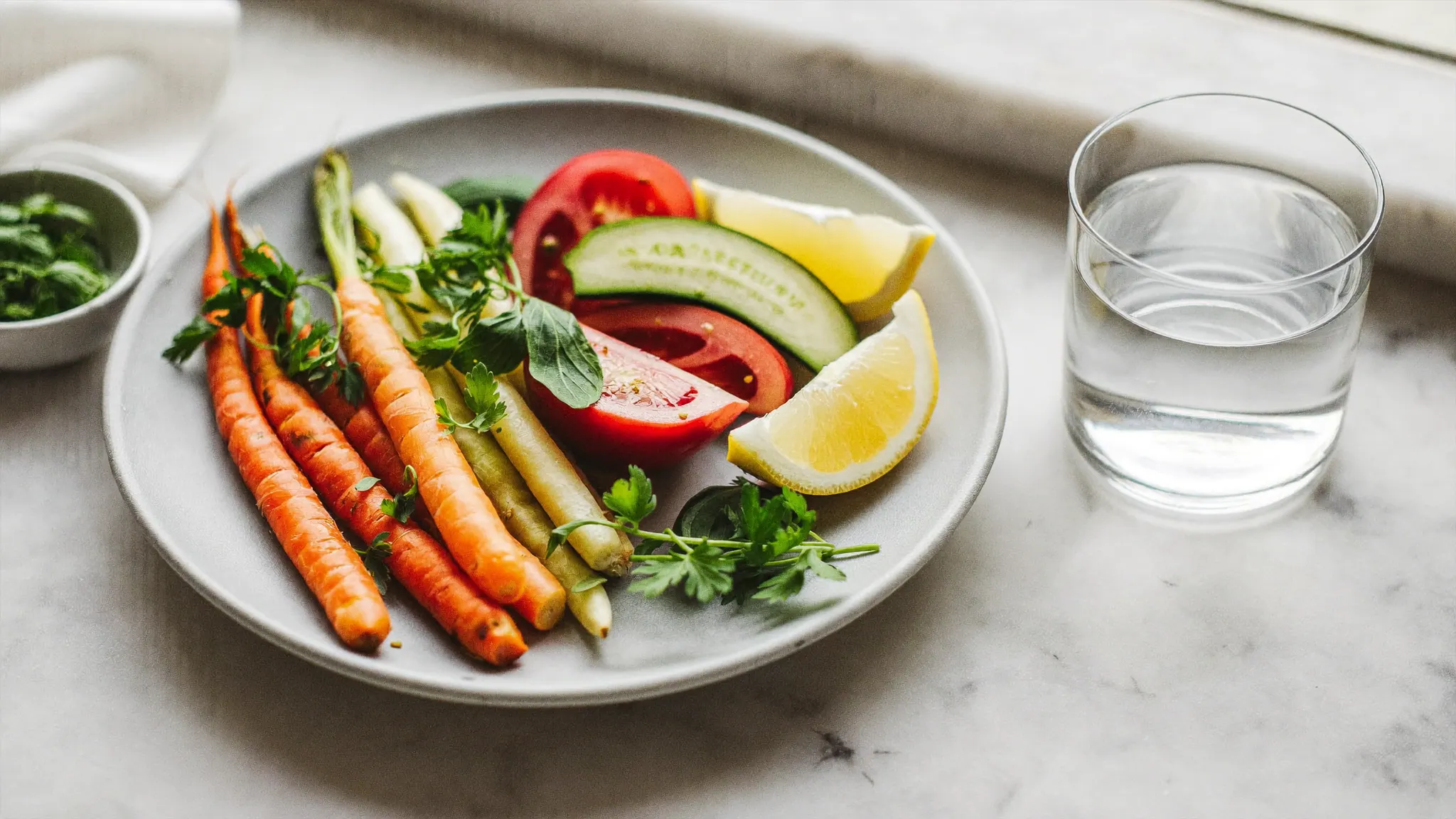
If you remember only one sentence from this guide, let it be this: Water is your most important asset. The most common causes of stones are insufficient hydration and low urine volume; no medical or dietary plan can succeed without adequate hydration and abundant urine output. Water dilutes the concentration of salts in urine, making it harder for crystals to aggregate and grow.
The documented practical rule: Aim to produce at least 2 liters of urine daily, with 2.5 liters or more being ideal. The common recommendation is to drink six to eight glasses of fluids daily, mostly water, unless your doctor advises otherwise due to a kidney condition. Your simple indicator: urine color. If it's pale and almost clear, you're on the right track. If it's dark, drink more. In Saudi Arabia's heat and during physical labor, your fluid needs increase because sweat draws water from your body and concentrates your urine.

Signs That May Indicate a Stone
Many small stones pass without symptoms, but when they move or block the urinary tract, signs may appear: sharp pain in the flank or back that comes in waves, pain radiating to the lower abdomen and groin, burning or urgent need to urinate, blood in the urine, cloudy or strong-smelling urine, and sometimes nausea.
These symptoms can overlap with other conditions, so do not self-diagnose based on them alone. The practical rule: Severe, wave-like flank pain with blood in the urine is a strong indicator that warrants medical evaluation. If accompanied by fever, chills, or vomiting that prevents drinking, it's an emergency that requires immediate attention. Diagnosis is made through examination and imaging, and dietary prevention begins after identifying your stone type.
Do Your Habits Increase Stone Risk? — A Self-Check
This is a guiding self-assessment that combines habits known to increase the risk of calcium stone formation. It does not replace medical evaluation or laboratory tests. Select what applies to you:
Oxalates in Moderation, Not Deprivation
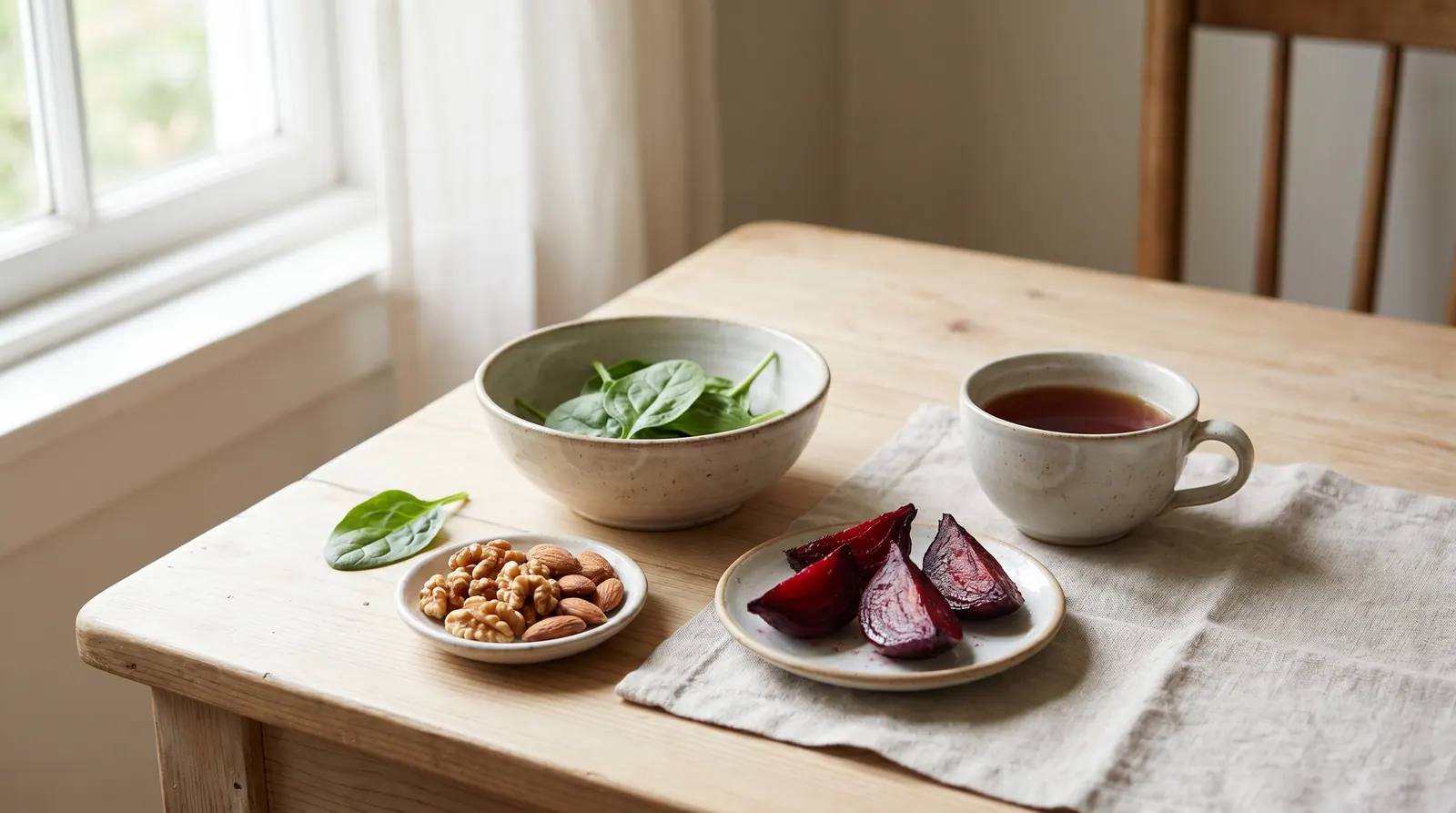
Oxalate is a naturally occurring compound in many healthy plants. High levels in urine contribute to oxalate stones. Therefore, it's recommended to reduce intake of very high oxalate foods like spinach, Swiss chard, beets, almonds, wheat bran, and rhubarb for individuals with calcium oxalate stones.
However, beware of the trap: complete deprivation is a mistake. Many oxalate sources are beneficial foods that should not be entirely avoided; moderation is key, not elimination. The smarter strategy is not to avoid them but to consume them with a calcium source in the same meal, allowing calcium to bind with oxalate in the intestines before it reaches the kidneys. This way, you can eat your spinach with yogurt or cheese instead of abandoning it.
Calcium with Meals Reduces Stones, Not Increases Them
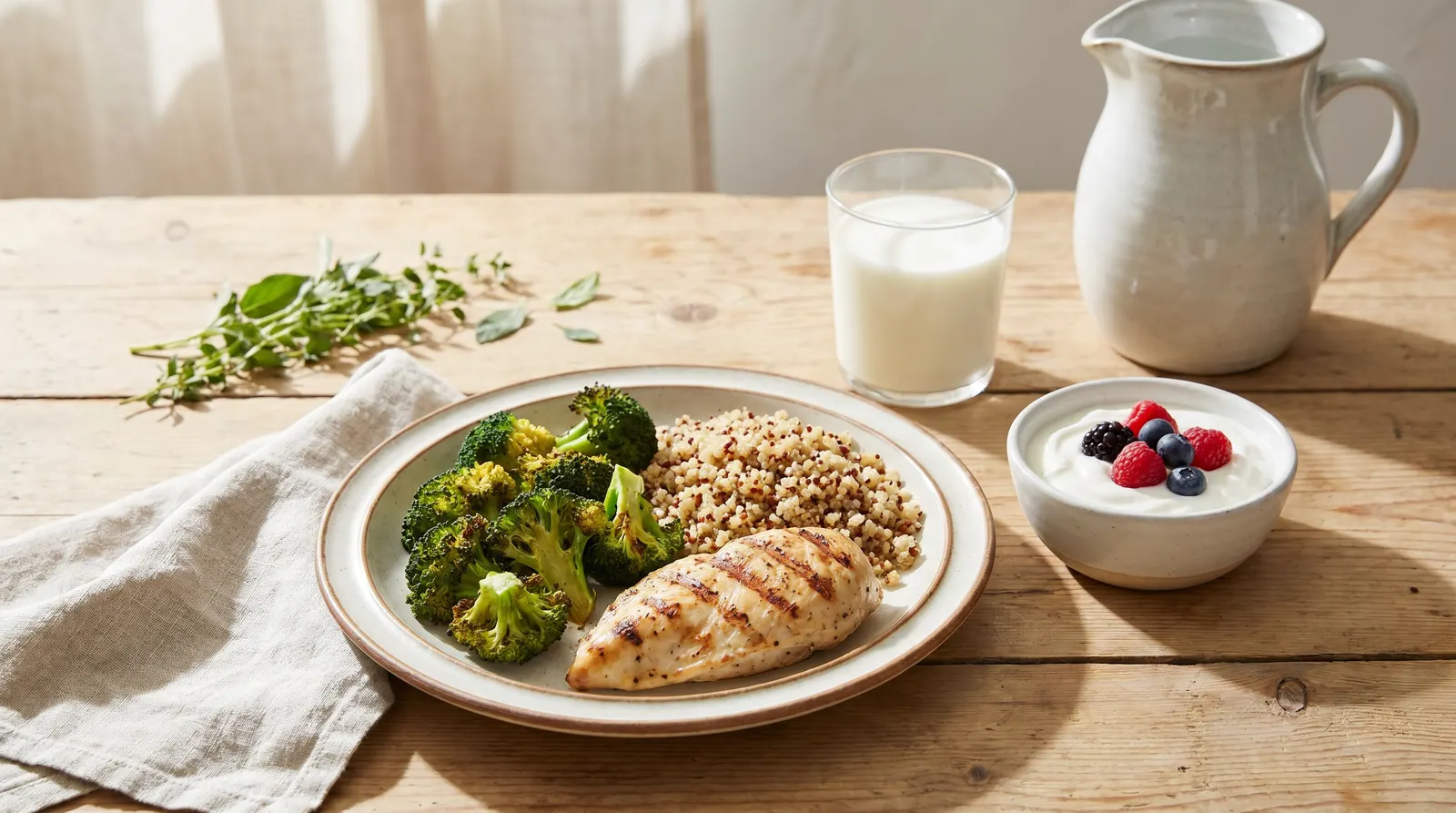
This is the most famous misconception: many believe that calcium stones are caused by calcium and thus avoid milk, yogurt, and dairy. The reality is the opposite. Dietary calcium in the correct amount binds to oxalate in the intestines, preventing its absorption and reducing the amount of oxalate reaching the kidneys, thereby lowering stone risk.
The practical rule: Aim for about 1,000 to 1,200 mg of calcium daily from food, equivalent to two to three servings of dairy distributed with meals. Most importantly, timing matters: consume the calcium source with food, not alone, as this is when it binds to oxalate in your meal. Caution is advised with calcium supplements taken between meals without a specific need and without medical supervision; unlike dietary calcium, they may increase risk. Do not start them on your own.
Excess Salt and Animal Protein
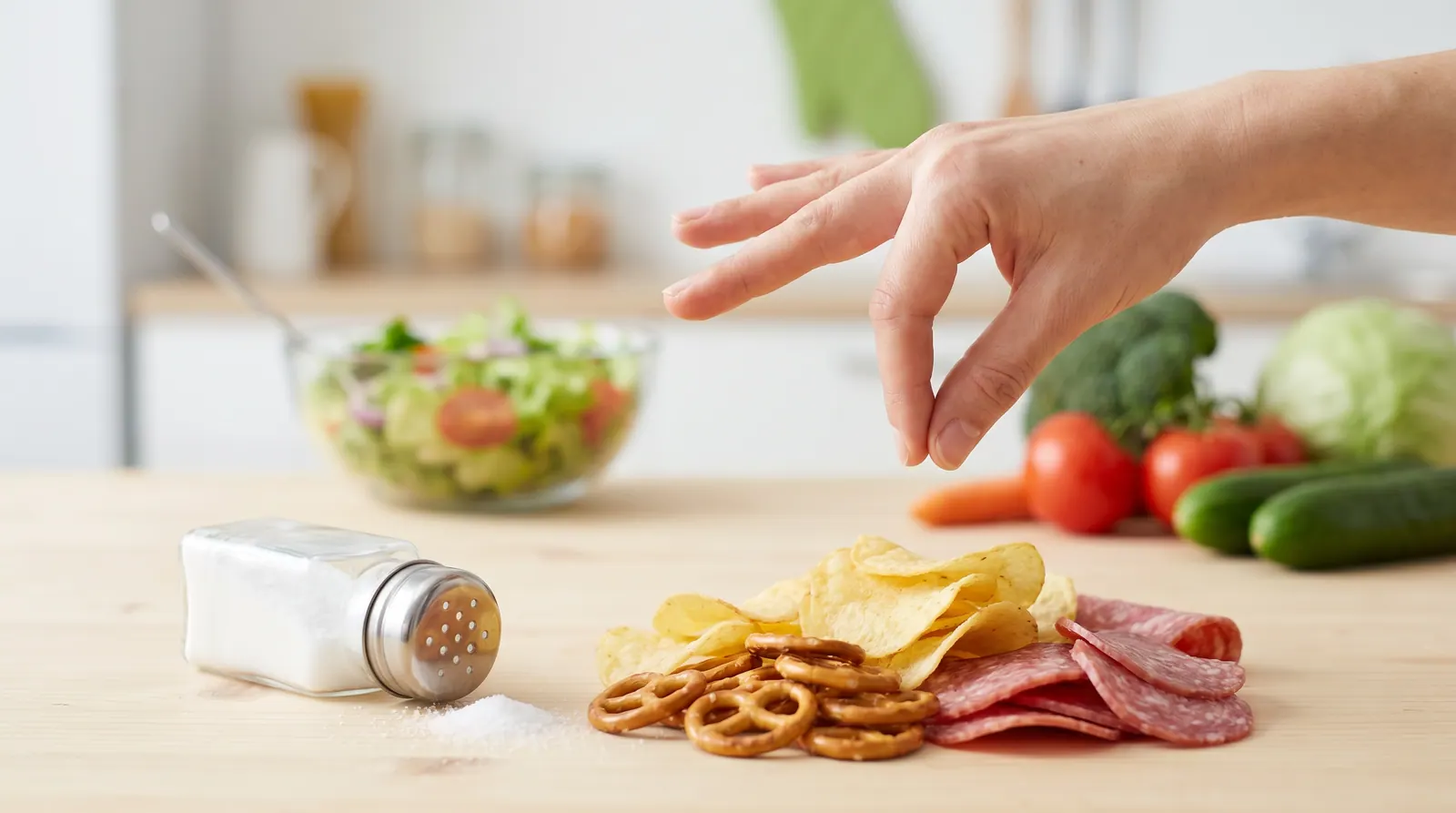
Salt is a hidden enemy of the kidneys. Excess sodium increases calcium excretion in urine, raising its concentration and facilitating stone formation. The general recommendation is to aim for less than 2,300 mg of sodium daily, which is about one teaspoon of salt. Most sodium comes not from the salt shaker but from processed foods, pickles, canned goods, and ready-made meals.
Excess animal protein is another factor: high intake of meat, poultry, and fish increases stone risk. Moderate your intake and replace some of it with legumes like lentils and beans, which are low-oxalate plant proteins. Practically speaking: this doesn't mean you have to become vegetarian, but rather balance your plate. A handful of legumes instead of a portion of meat can protect your kidneys and nourish you simultaneously.
Lemon and Citrate — A Simple Ally
Citrate is a natural compound that inhibits the crystallization of calcium salts in urine; its deficiency facilitates stone formation. Lemon is the most citrate-rich citrus fruit, with half a cup of pure lemon juice providing a citrate amount comparable to a standard therapeutic dose of alkaline citrate.
The practical rule: For individuals with low urinary citrate, about half a cup of lemon juice daily mixed with water is often sufficient to raise urinary citrate. However, beware of sweetened beverages; ready-made lemonade is loaded with sugar, which can increase risk instead of reducing it. Drink lemon with water without sugar. Remember that this is a supportive tool depending on your stone type, so consult your doctor before adopting it as a treatment.
Why the Saudi Plate Matters
Saudi Arabia's climate is a risk factor in itself: profuse sweating and low water intake concentrate urine and facilitate stones, especially in summer and during outdoor work. This is compounded by a dietary pattern that sometimes leans towards high salt in pickles, canned goods, and fast food, abundant meat in feasts, and sugary drinks.
The practical message: Our cuisine offers solutions, not just problems. Yogurt and laban are excellent sources of calcium with meals, and legumes like lentils and fava beans are common and can replace some meat. Lemon is available in every kitchen. Start by increasing water intake in the heat, reducing pickles and canned goods, and making yogurt a companion to your meals. These are small adjustments with a significant impact on your kidneys.
Hidden Sugar Increases Risk
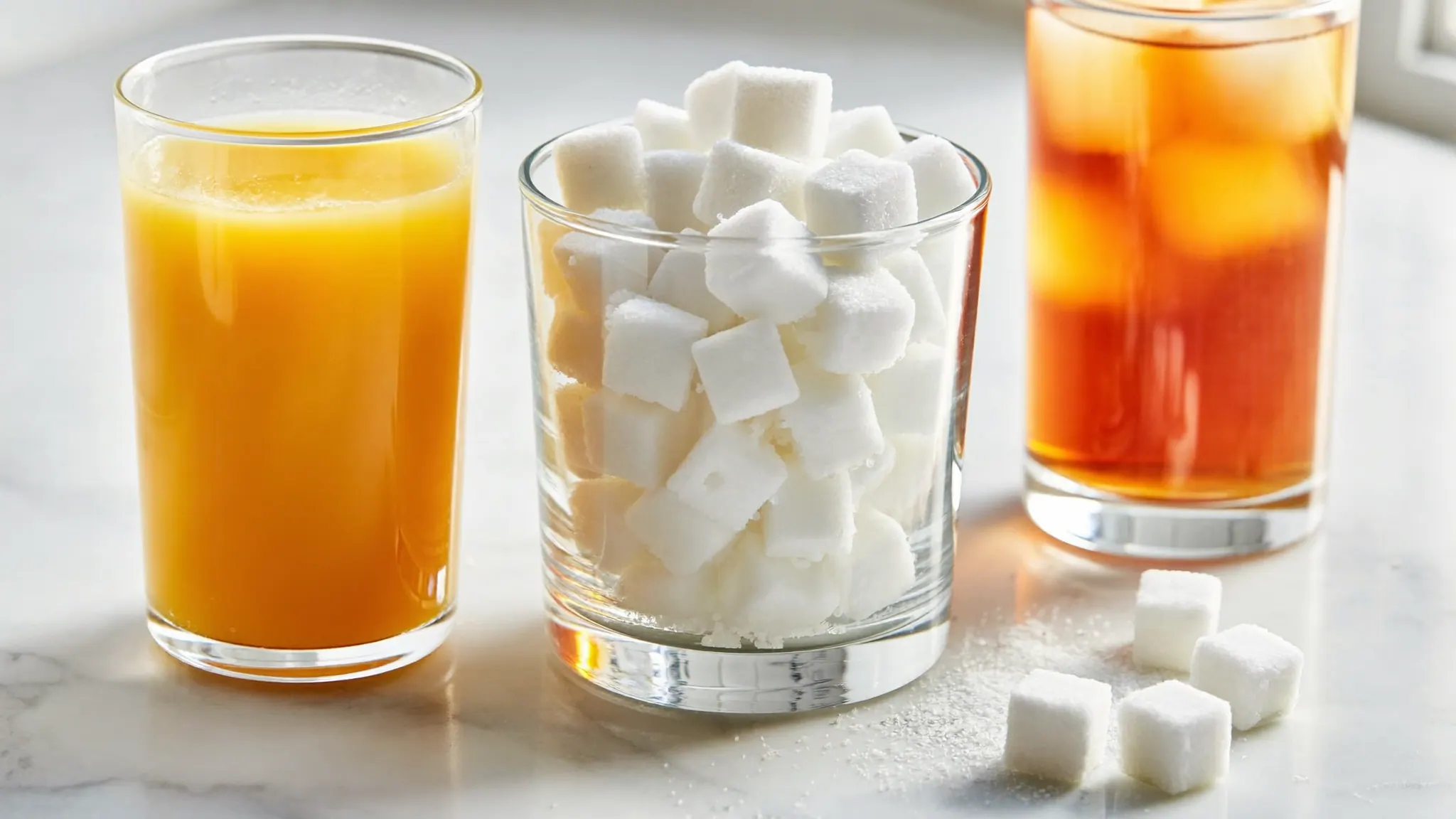
Many people pay attention to salt but overlook sugar. Excessive sugar, especially in sweetened beverages and ready-made juices, is linked to an increased risk of stones. This is why sweetened lemonade can turn from an ally into a burden.
Practically speaking: Replace sugary drinks with water or unsweetened lemon water. This way, you gain hydration and citrate together while avoiding excess sugar. Read product labels, as sugar hides in juices, sports drinks, and even some foods you wouldn't expect to be sweet. Reducing hidden sugar is a step that benefits your kidneys, your weight, and your teeth simultaneously.
What Science Actually Says About Lemon
In a study on patients with low urinary citrate, consistent daily intake of lemon juice with water for a prolonged period led to a reduction in the stone formation rate from about one stone to approximately 0.13 stones per patient per year, with a significant increase in urinary citrate.
Crucially, when interpreting this finding: the sample size was small, and the benefit was concentrated in those with pre-existing low citrate, not in everyone. The practical conclusion: Do not expect a glass of lemon to dissolve all stones. Lemon is a supportive tool for those who need it, but the foundation remains ample water and a balanced plate. Address the root cause of your stones under medical supervision, and consider lemon as an aid, not a magic cure.
Five Common Myths About Kidney Stones
Half-truths circulate around stones, leading people to make incorrect decisions. Here are the most common ones, and what the evidence says:
"My stones are calcium-based, so I must avoid calcium and dairy."
"To avoid stones, I must eliminate all oxalate-rich foods."
"Since I don't feel pain, I don't need to worry about water intake."
"Ready-made lemonade dissolves stones because it's lemon."
"Salt has nothing to do with kidney stones."
Practical Tips to Implement Today
Before diving into the full protocol, here are small guidelines derived from the core advice, which can protect your kidneys without turning your life upside down:
- Make drinking water a habit, not a reminder. Carry a bottle with you and drink throughout the day, aiming for pale urine. Increase your intake in hot weather and during physical activity.
- Monitor your urine color. Pale, almost clear urine is a good hydration indicator; dark urine is a signal to drink more immediately.
- Consume calcium with your meal. A glass of milk, yogurt, or a piece of cheese with food binds to oxalate in the intestines and protects your kidneys; don't avoid them.
- Combine spinach with calcium. Instead of avoiding high-oxalate foods, eat them with yogurt or cheese in the same meal.
- Reduce salt from its source. Limit pickles, canned goods, and processed foods, as most sodium is hidden in them, not in the salt shaker.
- Balance animal protein. Replace some meat with legumes like lentils and beans to get low-oxalate plant protein.
- Drink lemon water without sugar. Half a cup of lemon juice with water can increase citrate for those who need it, but avoid sweetened lemonade.
- Replace sugary drinks with water. This provides hydration and avoids sugar, which can increase stone risk.
EEINA's Protocol for a Kidney-Protecting Plate
A practical plan combining the above into three progressive layers. Start with one layer at a time and note your response to see what works best for you.
This protocol is based on hydration guidelines, stone prevention, and recommended sodium and calcium values.
Hydrate First
Four daily habits.
Balance Your Plate
Steps to reduce risk.
Diagnose and Review Under Supervision
Before any major decision.
The Golden Rule: The goal is not to eliminate a food group from your plate, but to achieve a balance maintained throughout the day: ample water, correctly timed calcium, and controlled salt. Water is the first and last line of prevention.
Frequently Asked Questions
What is the most important dietary step for preventing kidney stones?
Should I avoid calcium if my stones are calcium-based?
Should I avoid all oxalate-rich foods?
Is lemon beneficial for preventing stones?
How much salt and animal protein are allowed?
When to Consult a Doctor — Red Flags
Dietary prevention is important, but certain symptoms go beyond it and require prompt medical evaluation:
- Severe flank or back pain that comes in waves, especially if it radiates to the lower abdomen and groin.
- Blood in the urine, cloudy urine, or strong odor: Consult a doctor for evaluation.
- Fever or chills with flank pain: An emergency that may indicate an infection requiring immediate attention.
- Persistent vomiting that prevents you from drinking or clear signs of dehydration.
- Difficulty urinating, interrupted urination, or a frequent, painful, urgent need to urinate.
- Existing kidney disease, recurrent stones, or chronic medication before making any significant dietary changes or starting supplements.
Start Your Next Step with EEINA
Kidney-Friendly Meal Plans
Saudi recipes that combine calcium with meals and reduce salt, with reminders to drink water throughout the day.
Get Your Plan ←Low-Salt Recipes
Easy ideas for a balanced plate that reduces sodium and replaces some meat with legumes.
Try Them ←The EEINA App
Reminds you to drink water throughout the day and tracks salt and calcium in your meals.
Download Now ←