Saudi Statistics
Chronic kidney disease (CKD) is closer than we think. Its prevalence in a large Saudi population study between 2015 and 2022 was about 4.76%, covering thirteen administrative regions. Most cases were in stage 3 (around 3.5%), with the highest participation from Makkah Al-Mukarramah and then Riyadh. The preliminary SEEK-Saudi study estimated prevalence between 5.3% and 5.7%.
Behind these numbers are two primary drivers: diabetes and hypertension. The International Diabetes Federation estimates diabetes prevalence among Saudi adults at around 23%, one of the highest rates globally and a major cause of kidney damage. Given the widespread prevalence of diabetes, obesity, and high blood pressure in our community, the primary risk factors for kidney disease are concentrated on the daily dining table.
Are You at Risk for Kidney Disease? — A Self-Check
This self-check is for risk factors of kidney disease and does not replace a doctor's diagnosis or blood and urine tests. Select all that apply:
Why Diabetes is the Leading Cause of Kidney Damage
Chronic high blood sugar forces the kidneys to work under excessive pressure, gradually straining their delicate filtering units. This excess pressure is what begins kidney damage in diabetic patients before they feel any symptoms.
The first sign of this strain is the leakage of albumin protein into the urine. Over time, the kidney's filtering units are damaged and do not regenerate, increasing the burden on the remaining units and accelerating the problem. Therefore, early blood sugar control is not a luxury but is crucial to stop this cycle before it widens. Practically: individuals with diabetes should check their urine albumin annually and not wait for symptoms, aiming to keep their HbA1c levels under control.
High Blood Pressure — The Silent Accomplice
High blood pressure damages the small blood vessels within the kidneys, impairing their function. Compromised kidneys, in turn, raise blood pressure further because they regulate fluid and salt balance in the body. This creates a vicious cycle where each condition worsens the other, making hypertension the second leading cause of kidney failure after diabetes.
Controlling blood pressure directly slows kidney deterioration. The most important dietary tool for this is reducing salt intake, as it raises blood pressure and increases fluid retention. Practically: regular blood pressure monitoring at home and adhering to a low-sodium diet are preventative measures for the kidneys, not just the heart.
Salt — Why It Strains Kidneys and How Much is Allowed
When kidneys weaken, excess sodium accumulates, drawing water with it. This leads to swelling, elevated blood pressure, and strain on the heart, further accelerating kidney damage. KDIGO 2024 guidelines recommend reducing sodium to less than 2 grams per day, approximately 5 grams of salt (about 1 teaspoon), for kidney patients in stages 3 to 5.
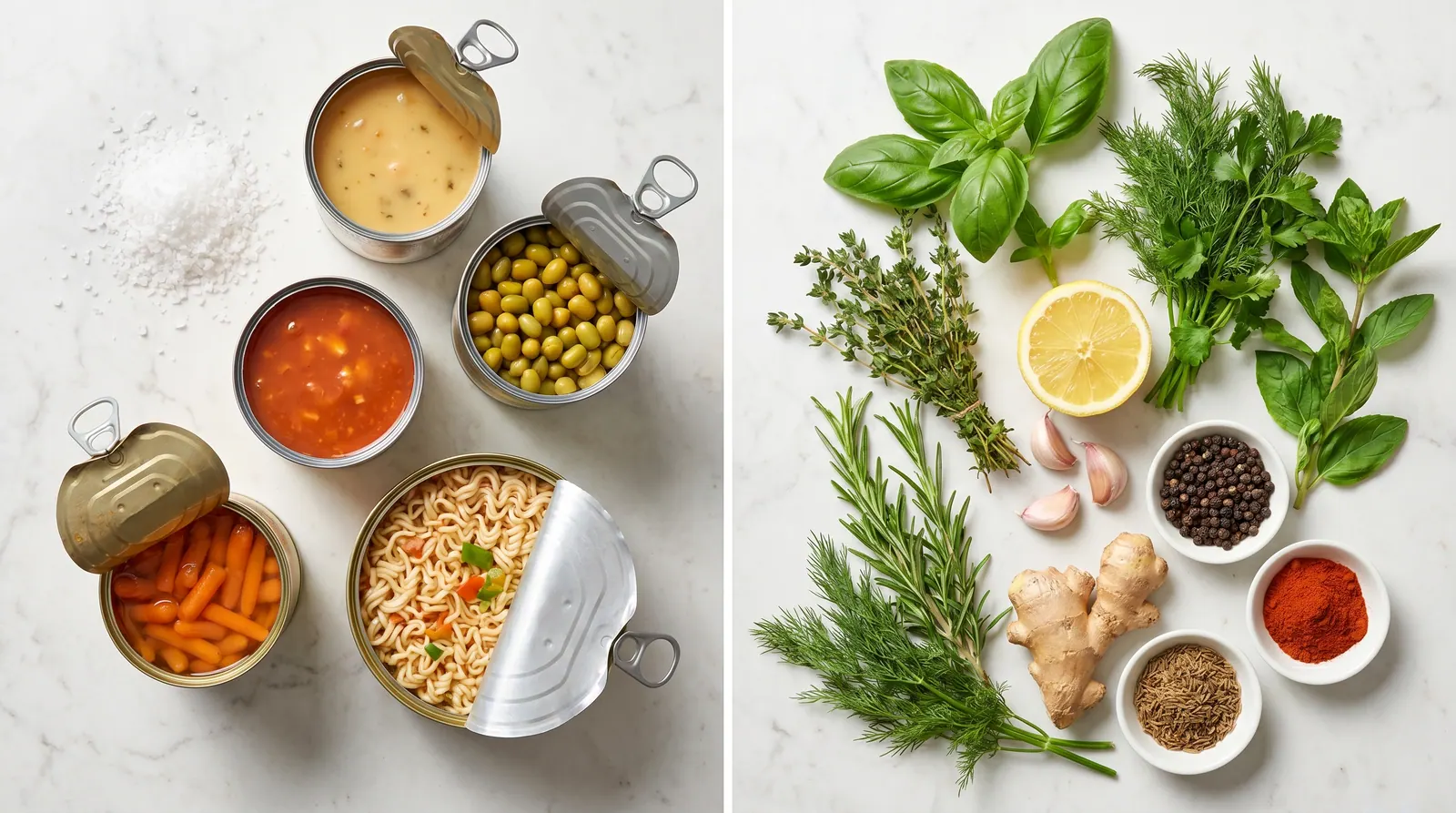
The Saudi challenge is that most salt comes not from the shaker but from hidden sources: canned foods, hot sauces and condiments, pickles, processed bread, and fast food. Practically: taste before salting, use lemon, spices, and herbs as alternatives, and reduce canned goods. Reading the sodium label is key. This change alone can lower blood pressure and slow kidney deterioration without additional medication.
Protein — Optimal Amount, Not Excess or Deprivation
Excessive protein forces the kidneys to filter more waste products like urea and increases pressure within the glomeruli, straining them over time. KDIGO recommends consuming about 0.8 grams of protein per kilogram of body weight per day for non-dialysis kidney patients in stages 3 to 5, and avoiding exceeding 1.3 grams per kilogram for those at risk of deterioration.
However, complete deprivation is also detrimental as it can lead to malnutrition. Practically, for a 70 kg person: about 56 grams daily, meaning moderate portions of meat, not large platters. Importantly, these figures are specifically for kidney patients under medical supervision and are not general dietary guidelines.
Plant-Based vs. Animal Protein
Not all protein is equal for the kidneys. Animal protein from meat, eggs, and cheese leaves a higher acid load in the body, and this chronic acid burden strains the kidneys and accelerates their deterioration. Plant-based protein from legumes and nuts is lighter on this balance and helps restore equilibrium.
Studies have observed that individuals who increased their intake of plant-based foods improved their blood pressure, with benefits comparable to some prescribed supplements for acidity reduction. Practically for the Saudi table: lentils, beans, and chickpeas are excellent alternatives that can replace a portion of meat, reducing the kidney burden without depriving you of protein.
Phosphorus — The Risk Lies in Additives, Not Natural Foods
When kidney function declines, phosphorus accumulates in the blood, drawing calcium from bones, weakening them, and depositing in blood vessels and the heart. The key is the type of phosphorus: synthetic additives (inorganic phosphate) are absorbed at 90-100% efficiency, while phosphorus from meat is absorbed at 40-60%, and phosphorus from plants bound to phytates is absorbed at only 20-40%.
This means a can of soda or processed meat can be more harmful than a plate of lentils. Practically: read labels and look for 'PHOS' components like phosphoric acid and sodium phosphate. Reduce dark carbonated beverages, processed meats, and ready-made meals. Normal blood phosphorus levels are around 2.5 to 4.5 mg/dL.

Potassium — A Double-Edged Sword for Kidney Patients' Hearts
Potassium is essential for muscle and heart function, and healthy kidneys excrete about 90% of it. When kidney function declines, potassium can accumulate in the blood, leading to hyperkalemia. This is dangerous as it disrupts the heart's electrical activity and can cause fatal arrhythmias, especially when levels exceed 6.0 mmol/L. More than half of non-dialysis kidney patients develop this over time.
However, plant-based potassium with fiber may not raise blood levels as much as supplements do. Practically: only patients with advanced kidney disease need to restrict dates, bananas, oranges, and dried fruits under medical supervision. Individuals with healthy kidneys do not need to restrict them. Levels are determined individually based on kidney function and lab tests.
Dietary Shield — DASH Diet and Plant-Based Patterns
The DASH diet, rich in vegetables, fruits, and whole grains, and low in salt and processed meats, creates a much lighter acid load on the body compared to a typical diet. High dietary acid load has been linked to an increased risk of kidney disease. Plant-based diets also reduce phosphorus absorption, and the fiber in vegetables may help eliminate excess potassium.
Intestinal absorption rates of dietary phosphorus based on its source. Inorganic additives are the most dangerous due to near-complete absorption.
Practically, a complete shift to vegetarianism isn't necessary. Instead, increase intake of vegetables, fruits, and legumes while reducing red and processed meats. This dietary pattern benefits both kidney and heart health and aligns well with the vegetable and legume dishes in Saudi cuisine. Here's a summary table of foods that strain the kidneys and their gentler alternatives:
| Category | Reduce (Strains Kidneys) | Gentler Alternative |
|---|---|---|
| Sodium | Canned goods, sauces, pickles, fast food | Fresh food, lemon, spices, and herbs instead of salt |
| Phosphorus | Dark carbonated drinks, processed meats, ready-meals (PHOS additives) | Natural plant phosphorus (less absorbed) |
| Protein | Excessive red meat and cheese (acidic load) | Moderate meat portions + plant-based legumes |
| Beverages | Sugary and carbonated drinks, excessive caffeine | Water first (unless fluid intake is restricted by doctor) |
| General Pattern | Ultra-processed foods (sodium + phosphate + fats) | DASH pattern: vegetables, fruits, whole grains |
eGFR & Creatinine Test — Reading Your Kidney Health
Creatinine is a waste product generated by muscles and excreted by the kidneys in urine. Elevated blood creatinine levels indicate reduced filtration. The eGFR (estimated Glomerular Filtration Rate) is calculated from creatinine, age, and sex: a normal value is around 100 or more. 60-100 suggests mild damage with good function, and less than 60 sustained for three months may indicate chronic kidney disease.
However, eGFR is an estimate, not a precise measurement, and is influenced by muscle mass. It is therefore complemented by a urine albumin test to detect early leakage. Practically: patients with diabetes, hypertension, or a family history should request both tests annually. Early detection allows for kidney protection before symptoms appear.
Ramadan & Hydration — Who Can Fast and When to Be Cautious
Many stable kidney patients up to stage 3 may fast safely with close monitoring. However, stages 4 and 5 and dialysis patients are considered high-risk and are generally not advised to fast unless under strict supervision. The primary risk of fasting is dehydration, which increases blood viscosity and reduces blood flow to the kidneys, causing damage. This is exacerbated during the hot Saudi summer with long daylight hours.
Adequate hydration helps the kidneys excrete waste and reduces the risk of kidney stones. One study showed that increased water intake during fasting nights lowered creatinine and urea levels. Practically: medical evaluation before Ramadan, sufficient hydration between Iftar and Suhoor, preferring water over sugary drinks and caffeine, moderation with dates due to their high potassium content, and adjusting medication timings for blood pressure and diabetes under doctor's supervision.
Five Common Myths About Kidneys and Diet
Misinformation about kidney health can increase anxiety or hinder prevention. Here are the most common myths and the facts:
"If my kidneys are sick, I'll feel pain early on."
"Plant and animal protein are the same for the kidneys."
"All phosphorus is equally harmful."
"Bananas, dates, and fruits are forbidden for kidney patients."
"Kidney patients can never fast during Ramadan."
When to See a Doctor — Red Flags
Kidneys are silent, but certain signs warrant immediate medical attention, while others require preventative screening even without symptoms:
- Persistent swelling in the feet, ankles, or around the eyes, indicating fluid and salt retention.
- Foamy or bubbly urine may suggest protein leakage.
- Severe fatigue, difficulty concentrating, and shortness of breath due to waste buildup and potential anemia.
- Loss of appetite, nausea, or unintentional weight loss.
- Changes in urine volume or a noticeable increase in nighttime urination.
- For individuals with diabetes, hypertension, or a family history, annual eGFR and urine albumin tests are crucial, even without symptoms.
The presence of any of these signs does not necessarily indicate a serious illness, but it does mean that medical evaluation is needed promptly.
Practical Tips to Implement Today
Before diving into a full protocol, here are small, impactful tips from this article that can reduce the strain on your kidneys starting with your next meal:
- Shop the perimeter of the grocery store: Fresh produce, meats, and legumes are typically found on the outer aisles, while the inner aisles are filled with canned goods, sauces, and ready-made items where most hidden salt resides. Fill your cart from the perimeter first.
- Read labels and hunt for 'PHOS': Any ingredient starting with 'phosphate' or 'phosphoric acid' is a synthetic additive that is almost fully absorbed and is more dangerous for the kidneys than natural phosphorus. Avoid it, especially in dark carbonated drinks and processed meats.
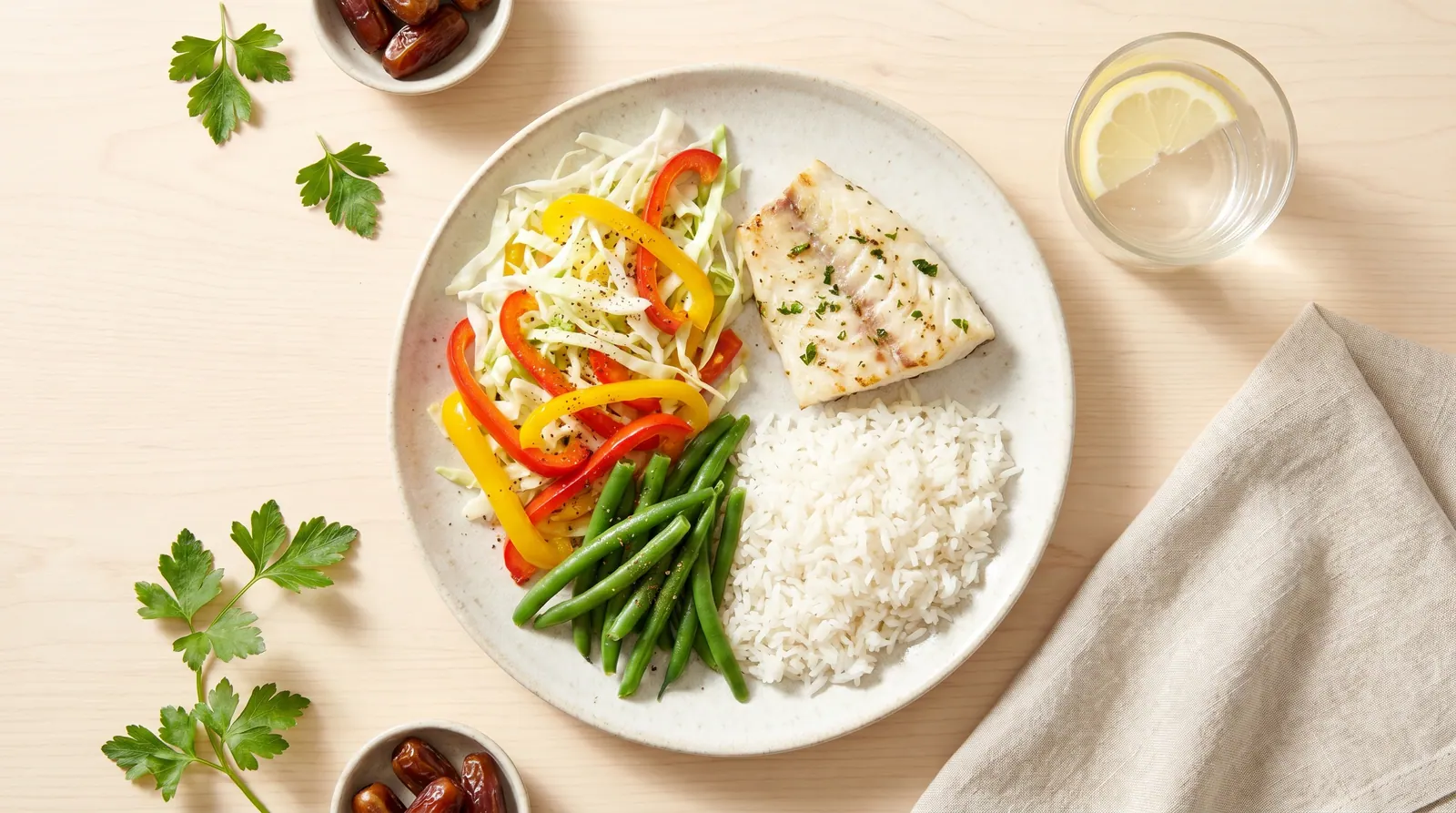
- Structure your plate simply: Make half your plate vegetables and fruits, a quarter legumes or whole grains, and the remaining quarter a moderate portion of meat, not a large serving. This balance reduces salt and acidic load simultaneously.
- Taste before you salt: Keep the salt shaker aside and replace flavor with lemon, spices, and fresh herbs. Most salt in our diet comes from processed foods, so start there.
- The busy day hack: Prepare a batch of lentils, beans, or chickpeas once a week and store them. They become a quick, ready-to-eat alternative that replaces a portion of meat, preventing the reliance on salty fast food on a busy day.
- Make water your primary drink: Choose water over sugary and carbonated beverages. It helps the kidneys excrete waste and reduces the risk of kidney stones, unless your doctor has restricted your fluid intake.
- Ask your doctor for both tests: If you have diabetes, hypertension, or a family history, request both eGFR and urine albumin tests annually. Don't rely on just one; early detection protects your kidneys before any symptoms appear.
- Avoid the common mistake: Do not restrict bananas, dates, or fruits on your own out of fear for your kidneys. Potassium restriction is a medical decision for advanced kidney disease patients only. For those with healthy kidneys, fruits and vegetables are protective, not harmful.
EEINA's 8-Week Kidney Protection Protocol
A practical plan combining the above into three progressive layers. Start layer by layer, and record your readings, weight, and diet to understand what works best for you.
The protocol is based on KDIGO 2024 guidelines, research on acidic load, and the DASH diet for kidneys.
Habits That Reduce Kidney Strain
Four habits every day.
Managing the Two Major Drivers
Diabetes and Hypertension First.
Early Detection Through Numbers
Get tested before you feel it.
Golden Rule: Kidneys are not easily repaired. Prevention is far more cost-effective than treatment. Controlling diabetes, hypertension, and salt today saves your nephrons for tomorrow.
Frequently Asked Questions
What is the daily recommended salt intake for kidney health?
Is protein harmful to the kidneys, and how much should I eat?
What is the difference between creatinine and eGFR?
Can kidney patients fast during Ramadan?
Why are dark carbonated beverages bad for the kidneys?
Start Your Next Step with EEINA
Kidney-Friendly Meal Plans
Saudi recipes low in salt, moderate in protein, and rich in vegetables and legumes to reduce acidic load.
Get Your Plan →Adapt Your Favorite Recipes
Modify your favorite Saudi dishes into lower-salt, kidney-friendlier versions with practical substitutions.
Try It →The EEINA App
Water reminders, sodium and protein tracking, and organized reports for your doctor's appointments.
Download →