The Number You Should Remember: 25 Grams
The World Health Organization defines "free sugar" as added sugars from manufacturers, cooks, or consumers, plus those in honey, syrups, and fruit juices. Its strong recommendation is to keep it below 10% of your daily energy intake, with a conditional recommendation to stay below 5%, which is about 25 grams or 6 teaspoons, for greater health benefits.
Practically: Keep 25 grams as a comfortable daily limit. A single can of soda can contain 40 grams, exceeding the entire day's limit before you eat anything. This information is a guideline to help manage your daily choices, not a diagnosis.
Drinks: The Primary Hidden Source
The largest source of added sugar for many Saudis isn't candy, but what they drink: sodas, canned juices, energy drinks, and ready-made sweetened coffees. A single can of soda can contain about 40 grams (10 teaspoons), nearly the entire day's limit. A Saudi national study found that approximately 71% of participants consumed a sweetened beverage at least once a week.
Practically: Start your reduction from the cup, not the plate. Replace soda with sparkling water and a squeeze of lemon, order coffee with half the usual sweetener, and beware of canned "healthy drinks" as many are sweetened. Reducing just one drink a day can save most of your excess intake.
Savory Sauces and Products: Unexpected Sugar
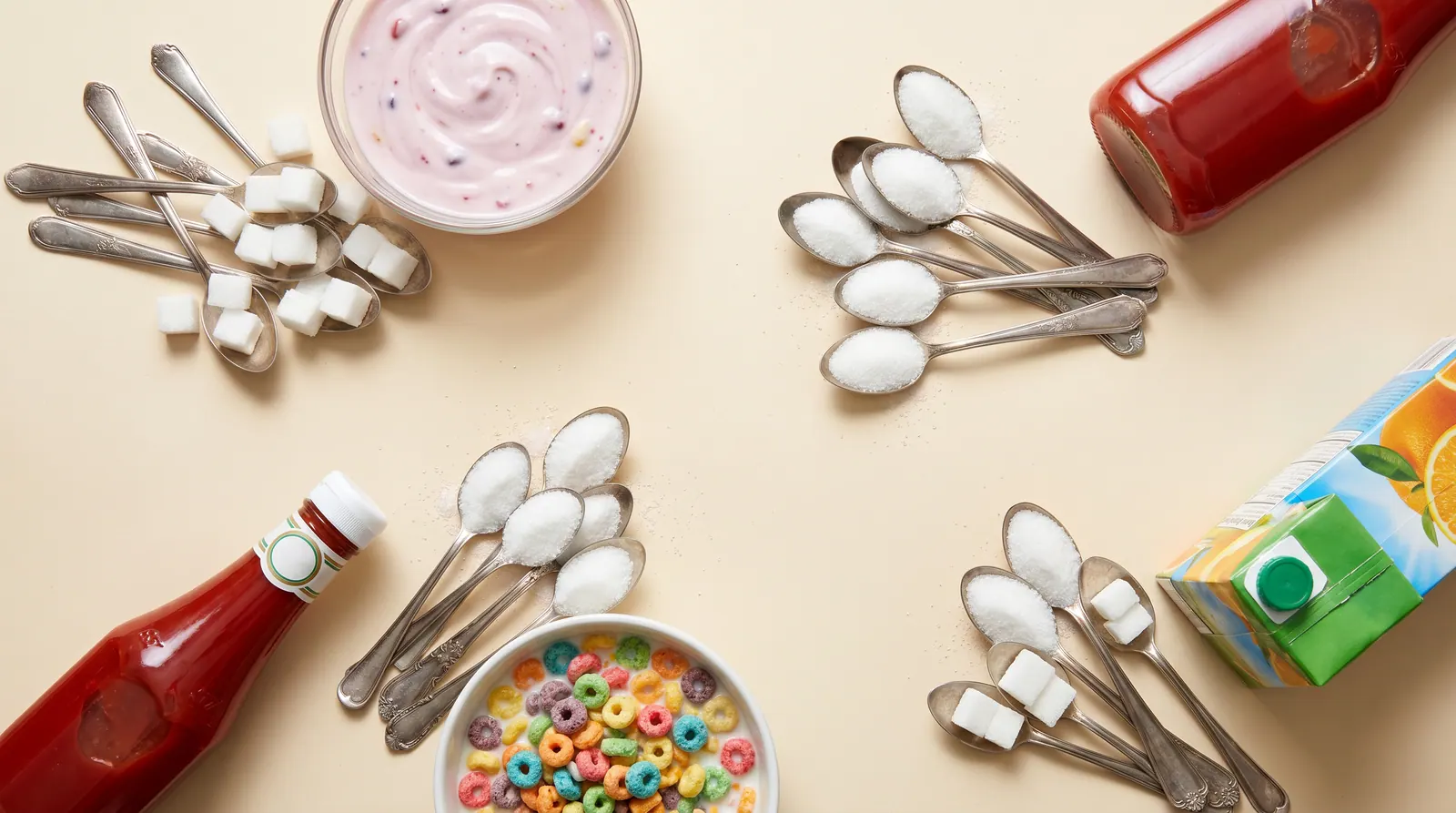
Sugar doesn't just hide in sweets. Ketchup, barbecue sauce, ready-made salad dressings, and some savory canned goods contain surprising amounts of added sugar, used to balance acidity, flavor, and for preservation. Two tablespoons of ketchup can contain a teaspoon of sugar.
Practically: Flip the package and read the ingredient list for savory products too, not just sweets. Prefer "no added sugar" sauces or make them at home from tomatoes, vinegar, and herbs. This is a silent layer of sugar that accumulates daily without a noticeable sweet taste.
Flavored Dairy and "Healthy" Yogurt
Fruit-flavored yogurts, flavored milks, and sweetened yogurts are often marketed as healthy options, but a single container of flavored yogurt can contain double the sugar of plain yogurt. The trick is that healthy words on the front distract you from the facts table.
Practically: Buy plain or Greek yogurt and add fresh fruit or a little honey yourself to control the quantity. Compare the sugar content between plain and flavored versions on the same shelf; the difference is often shocking. This is a practical shopping tip, not a medical judgment on a specific product.
Bread and Juices: Sugar in Disguise
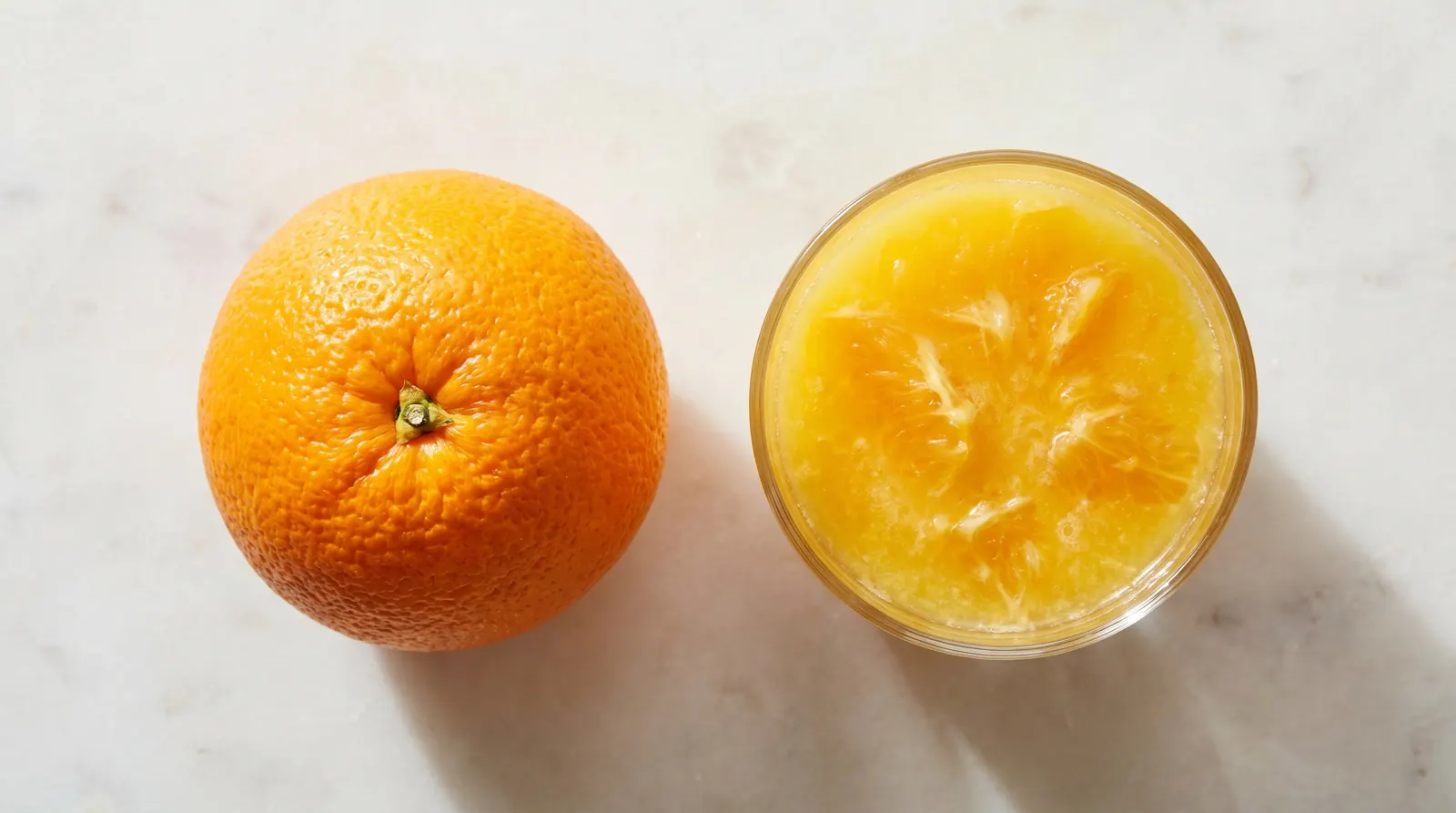
Packaged bread, breakfast cereals, granola bars, and whole fruit juices contain more sugar than you might think. Juice is a special case: even natural fruit juice has its fiber removed, causing it to spike blood sugar almost as quickly as soda.
Harvard research has linked drinking a daily serving of juice to a 21% increased risk of diabetes, while eating whole fruit is associated with a lower risk. Practically: Eat the orange, don't drink it. Read the labels on bread and breakfast cereals, and note that "fruit-flavored" doesn't mean less sugar.
The Difference Between Natural and Added Sugar
Natural sugar in fruits and whole milk comes packaged with fiber, water, vitamins, and minerals that slow its absorption, allowing the body to digest it slowly. Added sugar, on the other hand, lacks fiber and is absorbed quickly. This difference is why the WHO limits "free sugar" (added sugars, and those in juices and honey) but doesn't restrict sugar from whole fruits.
Practically: Don't fear an apple or a date, but be mindful of juices and processed sweets. The simple rule: the closer food is to its natural state, the slower its sugar impact and the more satisfying it is.
How to Read the Label and Uncover Sugar Names
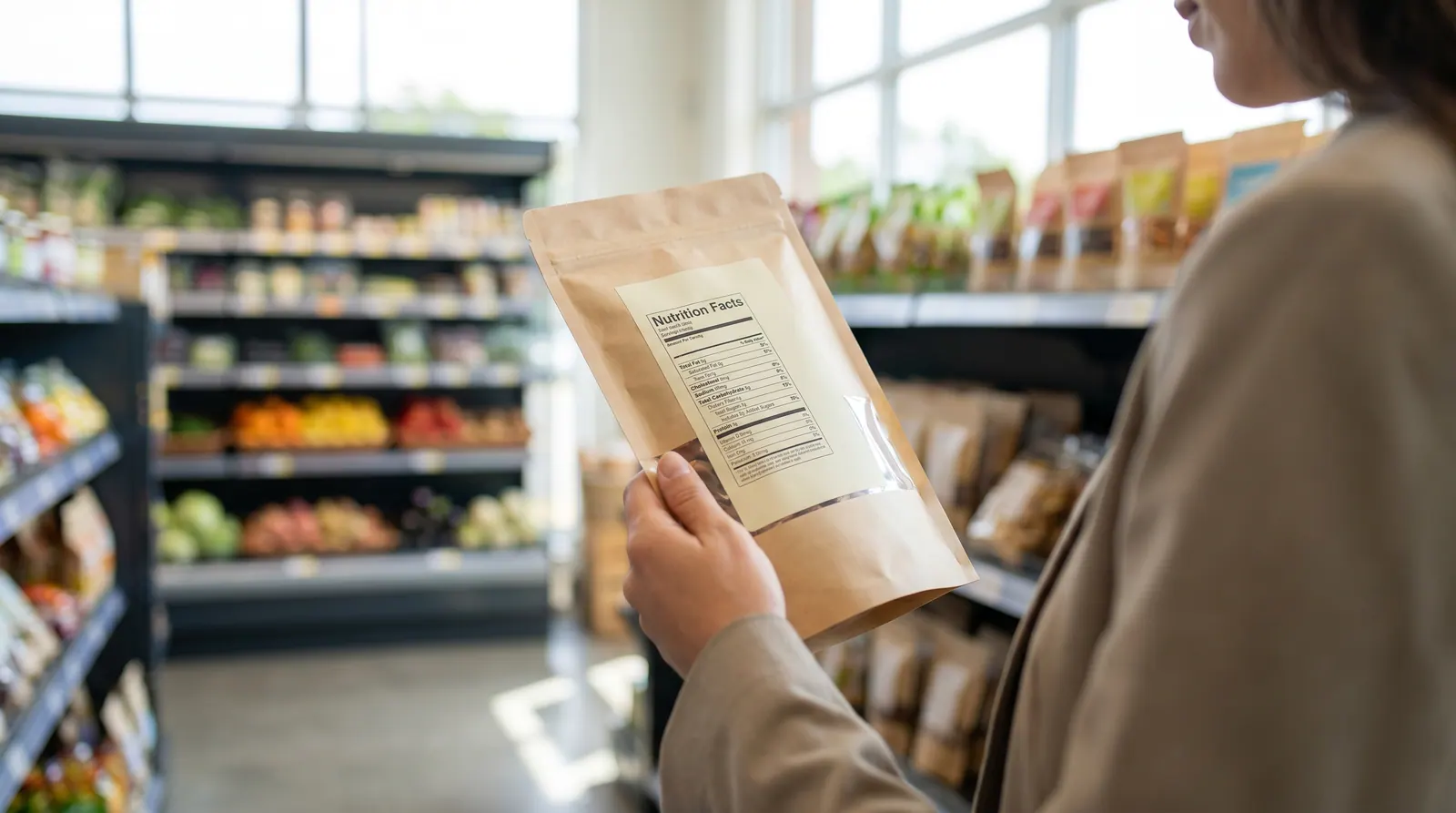
Sugar hides under more than sixty different names on labels. Manufacturers sometimes distribute sugar under multiple names so it doesn't appear first in the ingredient list, as ingredients are listed by weight. The golden rule: any word ending in "ose" (sucrose, dextrose, maltose, fructose), and anything containing "syrup" is sugar.
Practically: Read the ingredient list, not just the front. Look for a "Added Sugars" table if available. If you see sugar listed under multiple names in a single product, that's a red flag. Learning these names transforms you from an oblivious consumer to an informed reader.
Sugar in a Can — How Much Is Really Hidden
Here are illustrative examples comparing added sugar in common servings against the comfortable daily limit (25 grams), to give you a visual understanding at a glance:
This is a relative visual comparison to give an idea, not an absolute numerical value for each product. Actual quantities vary by brand and size, so always read the label.
The Impact of Liquid Sugar on Satiety
Liquid sugars produce less satiety than solid ones. Research indicates that the body doesn't compensate well for beverage calories in subsequent meals, leading to accumulated extra calories without a feeling of fullness. This means you drink 40 grams of sugar in a soda without feeling like you've eaten anything, then eat your full meal on top of it.
Practically: This is the strongest reason to start reducing intake from beverages. If you want something sweet, choose a solid food that requires chewing and is satisfying, rather than a liquid that passes quickly. This physiological mechanism explains why beverages are the most dangerous category of hidden sugar.
Are Your Habits Hiding More Sugar Than You Think? — Self-Check
This is a guideline quiz to assess your exposure to hidden sugar in your day. It does not replace consultation with a nutrition specialist. Select what applies to you:
Gradual Reduction Tricks
Sudden reduction can lead to feelings of deprivation, causing you to revert. The smarter approach is gradual: taste perception research suggests that the palate adapts to less sweetness within weeks. A controlled trial on carbonated beverages showed that gradually reducing sugar did not significantly impact participants' acceptance of them.
Practically: Reduce sweetness by one notch each week (two spoons, then one and a half, then one). Dilute juice with water at increasing ratios, and replace half the portion first, not the whole thing. After a month, your old taste will seem excessively sweet. Patience here leads to lasting change.
Ramadan: The Peak of Hidden Sugar
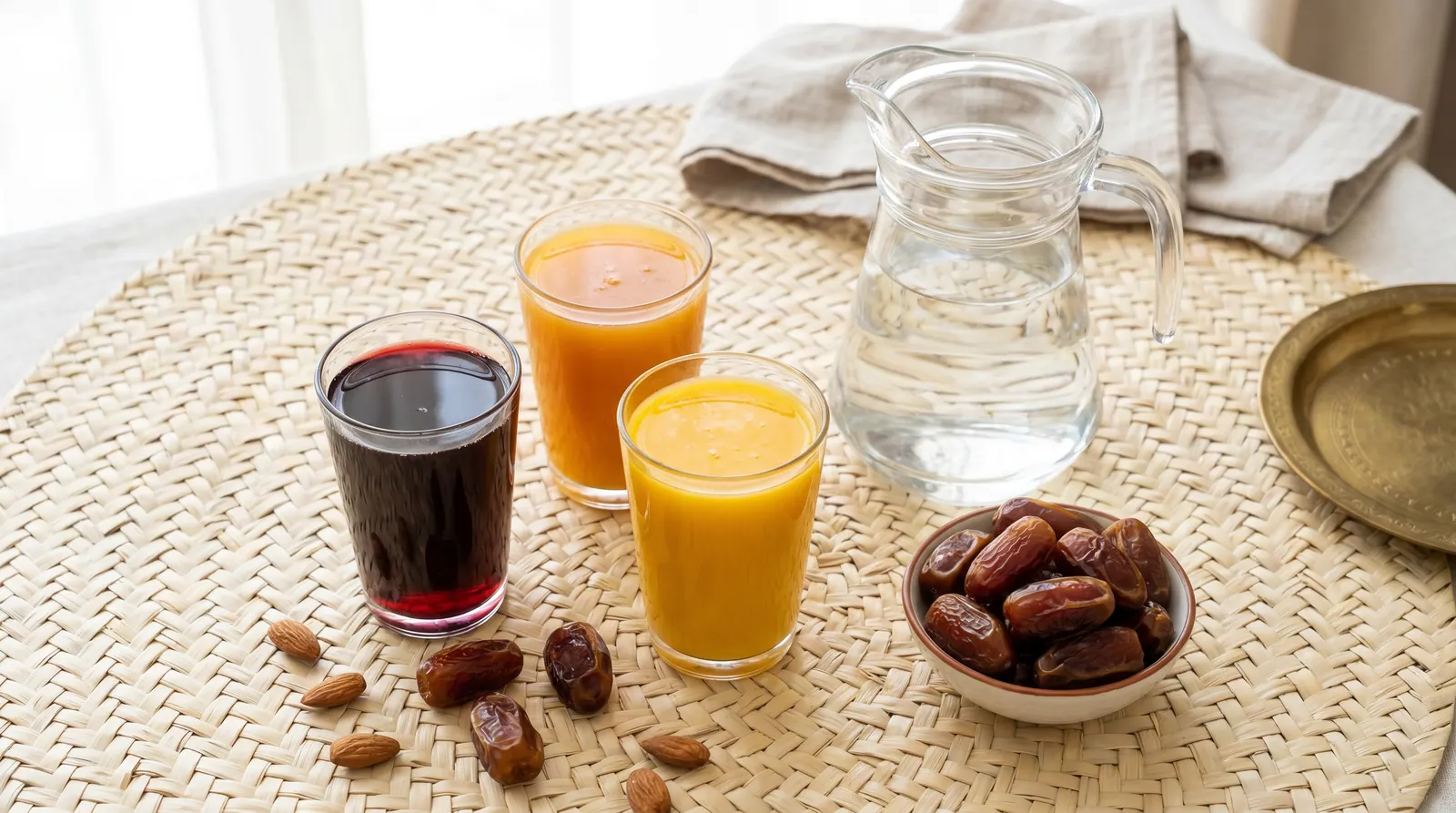
Ramadan in Saudi Arabia is often associated with significant changes in habits: larger portions, more sweets, and sweetened beverages due to cultural practices. Drinks like Qamar al-Din (apricot drink), Tamarind, and Vimto are delicious but loaded with sugar, reaching a body hours into fasting that craves glucose.
Practically: Break your fast with one or two dates and water instead of a full glass of juice. Dilute Qamar al-Din with water. Make sweetened beverages an occasional treat, not a daily staple. Drink water between Iftar and Suhoor to reduce sweet cravings. This is a practical adjustment for the month, not a rejection of tradition.
Why This Matters to You Now: Taxation and National Policy
Since 2019, Saudi Arabia has imposed an excise tax of 50% on sugar-sweetened beverages and 100% on energy drinks as part of its Healthy Food Strategy and Vision 2030. This has led to a decrease in soda sales by about 35% compared to non-taxed beverages. The Saudi Food and Drug Authority also promotes front-of-package nutrition labeling.
Practically: This indicates a national trend towards reducing sugar, so take advantage of new labels when shopping. The higher price of sweetened beverages is an opportunity to reconsider your purchases. Individual awareness complements public policy.
Five Common Myths About Sugar
Half-truths about sugar abound, confusing your choices. Here are the most common ones and what the guide says:
"Honey and brown sugar are healthy alternatives without limits."
"Natural juice is as healthy as eating fruit."
"Sugar only hides in sweets."
"The word 'healthy' means less sugar."
"If I don't add sugar myself, I'm safe."
Practical Tips to Implement Today
Here are small guidelines from the core of the above, to reduce your hidden sugar intake in your daily life without turning your life upside down:
- Start reducing from the cup, not the plate. Replace one sweetened beverage daily with water or sparkling water with lemon; this is the biggest blow against the most hidden sugar sources.
- Read the ingredient list, not the package front. Look for the "Added Sugars" table, and ignore "natural" and "healthy" claims on the front.
- Memorize the rule of names. Any name ending in "ose" (sucrose, dextrose, maltose), and any "syrup." If multiple names appear in one product, it's a red flag.
- Eat fruit whole, don't drink it as juice. Fruit contains fiber that satisfies and slows sugar absorption, while juice spikes it almost as quickly as soda.
- Buy plain yogurt and milk. Add sweetness yourself (fresh fruit or a little honey) to control the quantity instead of ready-made flavored options.
- Reduce sweetness by one notch each week. The palate adapts within weeks, and after a month, your old taste will seem excessively sweet.
- Check savory sauces, not just sweets. Ketchup, salad dressings, and BBQ sauce contain silent sugar that accumulates without a noticeable sweet taste.
- During Ramadan, break your fast with dates and water. Instead of a full glass of juice, dilute Qamar al-Din with water, and make sweetened beverages an occasional treat, not a daily staple.
EEINA's Protocol for Reducing Hidden Sugar
A practical plan combining the above into three progressive layers. Start layer by layer, and don't deprive yourself all at once.
The protocol is based on WHO recommendations for reducing free sugar, label reading principles, and palate adaptation.
Adjust the Cup First
Four habits every day.
Read and Reduce Gradually
Skills to uncover sugar.
Your New Habit After a Month
A palate that tastes less.
Golden Rule: The goal is not temporary deprivation, but a palate that is satisfied with less sweetness. Start with the cup, read the label, and reduce step by step.
Frequently Asked Questions
How many grams of sugar are allowed daily?
Is fruit sugar as harmful as added sugar?
How do I know if a product contains hidden sugar?
Why are sweetened beverages more dangerous than solid sweets?
How can I reduce sugar without feeling deprived?
Start Your Next Step with EEINA
Low-Sugar Meal Plans
Saudi recipes that intelligently manage added sugar, teaching you tastier alternatives to sweetened beverages.
Get Your Plan ←Calculate Your Dish's Sugar
Know the added sugar in your favorite recipes and modify them into versions that are gentler on your body.
Try It ←EEINA App
Reads hidden sugar in your products and suggests Saudi alternatives that are lower in sugar and more satisfying.
Download ←