What is Intermittent Fasting, Really: A Rhythm, Not a Diet
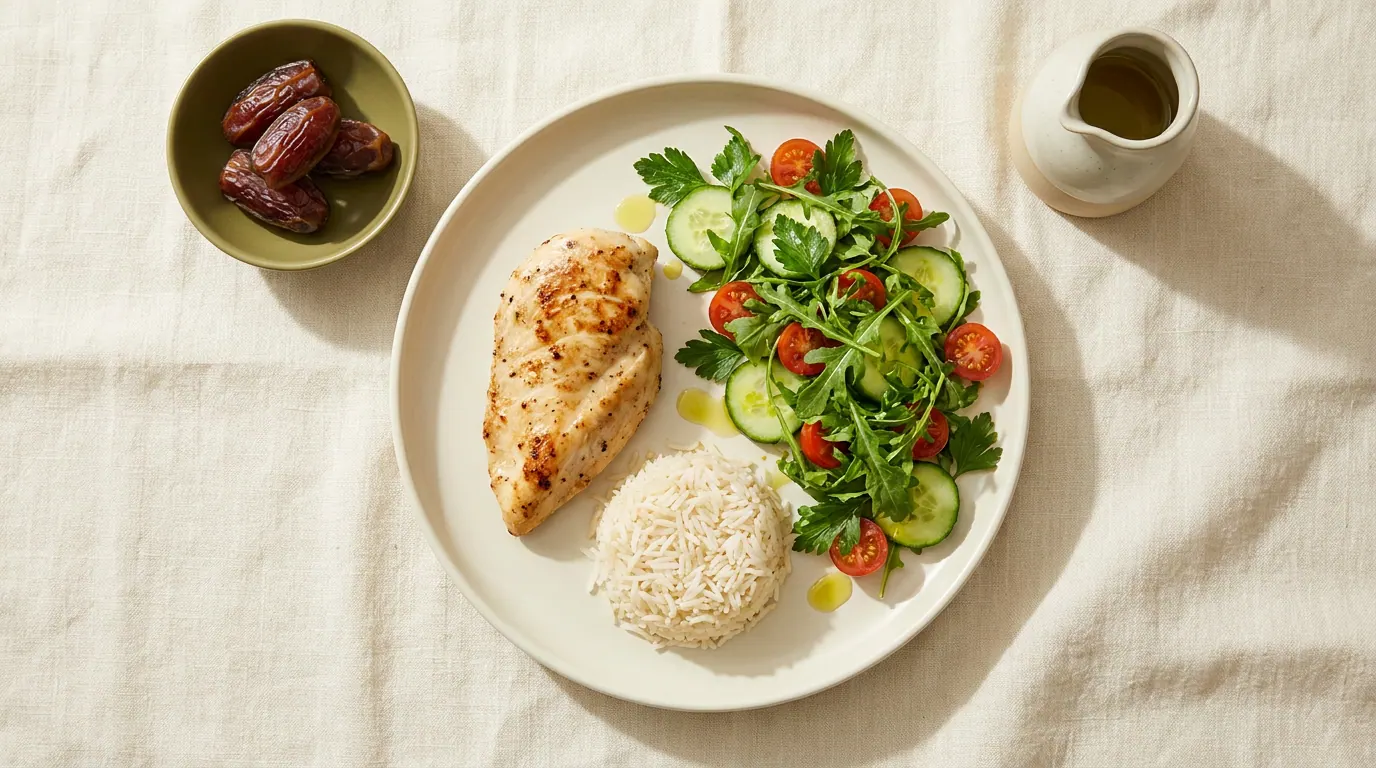
Intermittent fasting is an umbrella term for eating patterns that share a common principle: periods of eating alternate with longer voluntary periods of abstinence. The most common is 'time-restricted eating,' often 16:8, meaning an 8-hour eating window and a 16-hour fast, during which only water is allowed outside the window. The core idea is that the timing of meals is not metabolically neutral; concentrating food intake into a shorter window prolongs the period of low insulin, which is when the body accesses its stores.
Nutritionally, this doesn't absolve you of food quality: a short window filled with poor food remains poor food. The practical rule for EEINA readers: choose the pattern that fits your schedule and that you can adhere to, then focus your efforts on what you eat within the window, rather than extending the fast for extra hours.
The Three Types: 16:8, 5:2, and Alternate-Day Fasting
The three patterns differ in strictness, and the milder ones are more suitable for starting:
- Time-Restricted Eating (16:8): Daily, an 8-hour eating window and a 16-hour fast. This is the most sustainable as it doesn't require calorie counting.
- 5:2 Diet: Eat normally for five days, and restrict calories to about 500 to 800 on two non-consecutive days.
- Alternate-Day Fasting: The most stringent; a day of normal eating followed by a day of near-complete fasting. This is the hardest to adhere to and has the highest dropout rate.
Nutritionally, the two fasting days of the 5:2 diet and the full fasting days require attention to protein and hydration to avoid muscle loss and dehydration. Start with the milder approach before jumping to the more extreme; gradual progression reduces side effects.
Mechanism 1: Glycogen Depletion and Metabolic Switching
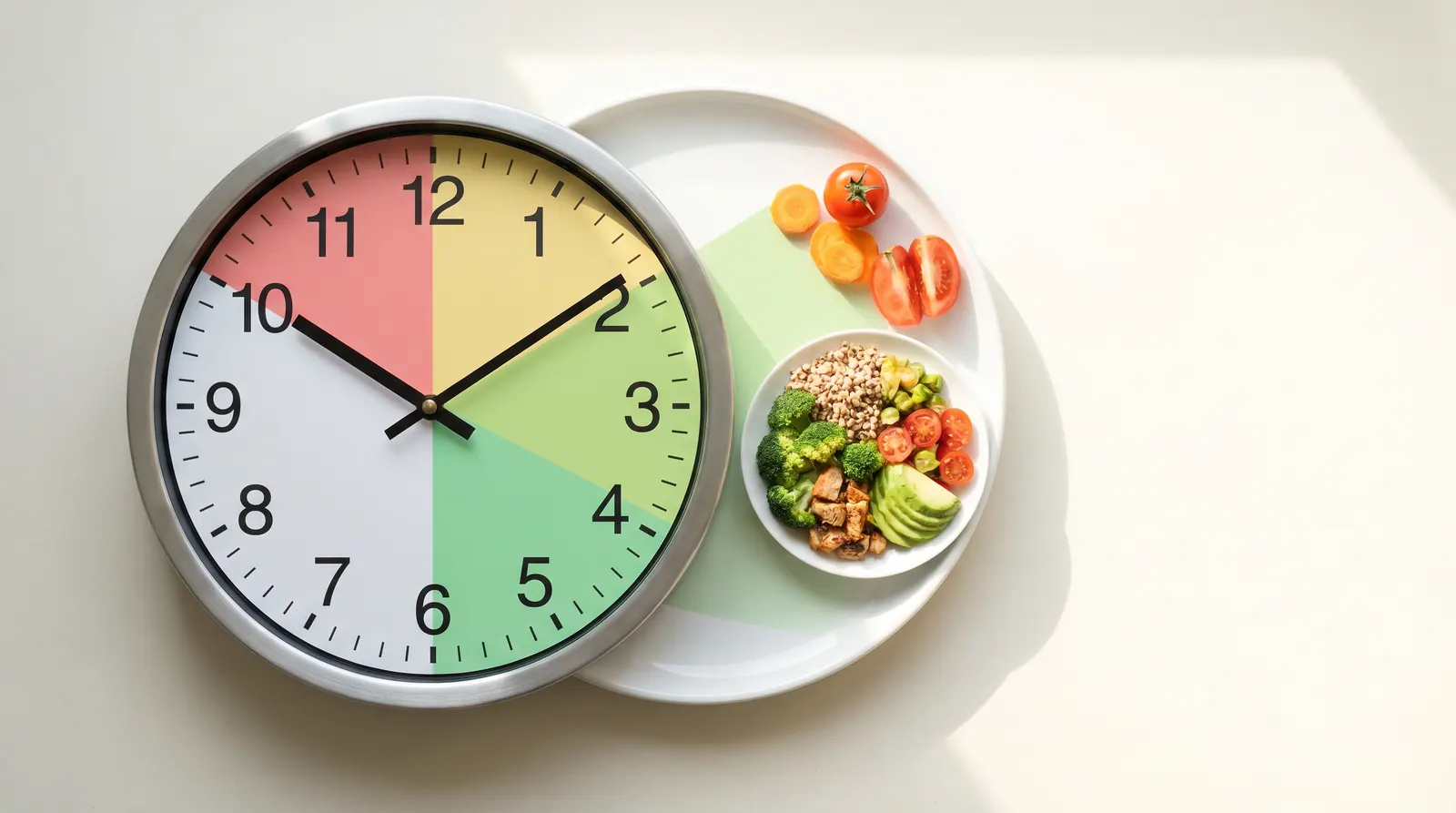
After eating, the liver stores excess carbohydrates as glycogen, and the body relies on sugar for fuel. As fasting continues and intake ceases, the body depletes its liver glycogen stores. At this point, 'metabolic switching' occurs: the body transitions from burning glucose to mobilizing fatty acids from adipose tissue. A review in the New England Journal of Medicine indicates this typically happens after more than twelve hours of abstaining from food, explaining the prevalence of the sixteen-hour fasting window.
Nutritionally, this means that a pre-fast meal rich in fast carbohydrates will replenish glycogen stores, delaying the switch; whereas a balanced meal with protein, healthy fats, and fiber slows sugar absorption and facilitates reaching the fat-burning state.
Mechanism 2: Ketones as an Alternative Fuel
When the body switches to fat for fuel, the liver produces a new fuel called 'ketones' that nourishes the body and brain in place of sugar. Ketone levels begin to rise gradually after about eight to twelve hours of the last meal and increase with longer fasting periods. This means the moderate sixteen-hour window is sufficient to touch upon the beginning of this fuel source without needing prolonged, strenuous fasting.
Nutritionally: Ketones partially explain why hunger decreases after a few days of adapting to fasting. However, they are not a goal to pursue unless you are on a ketogenic diet; the primary objective is simply to allow enough time for fat burning, not to chase a specific ketone number.
Illustrative relative ranking based on the timeline in the New England review; not an individual measurement. Values vary between individuals.
Mechanism 3: Autophagy and mTOR Pathway Inhibition
When food intake decreases, cells begin an internal cleaning process called 'autophagy,' recycling their damaged components instead of letting them accumulate. This process is scientifically documented.
However, honestly speaking: most precise measurements of this process come from animal and cell studies, not directly from humans. The widespread talk about 'a specific hour when this cleanup begins in humans' is exaggerated. Practically for you: do not prolong fasting hours hoping for more cleanup at the expense of your muscle and protein; the confirmed benefit comes from regular cycles of fasting and balanced eating, not extreme starvation.
What the Evidence Says: Fasting vs. Calorie Restriction for Weight Loss
This is the most crucial point for readers to understand clearly: when you consume the same amount of calories, intermittent fasting does not outperform simply reducing food intake daily in terms of weight loss. A review of several trials found both methods to be similar in outcome.
The benefit of fasting compared to doing nothing is real but moderate: weight loss, some fat reduction, and a slight decrease in waist circumference. The honest message: fasting is merely a tool to help you eat less because it shortens the available time for eating. If you cram your day's calories into your short window, you won't lose weight. Its value lies in being easier for some people to adhere to, not in being a fat-burning magic.
What the Evidence Says: Insulin Sensitivity
The picture here is honestly mixed. Insulin is a hormone that helps your body use sugar; when the body responds well to it, blood sugar remains controlled. Research has found that fasting improves this response compared to doing nothing, but it doesn't outperform simply reducing daily food intake. Some studies have noted that the greatest benefit comes when the eating window is earlier, ending in the afternoon, rather than from the length of the fast itself.
Nutritional Application: Improvement in insulin sensitivity is primarily linked to weight loss and reduced intake of refined carbohydrates, not just abstaining from food. Therefore, make your window low in fast carbohydrates to reap the benefits.
Nourishing the Eating Window 1: Protein First to Protect Muscle
The biggest nutritional risk in fasting is losing muscle along with fat. The solution is simple: sufficient protein distributed across the meals within the eating window. Research suggests that each meal needs an adequate amount of high-quality protein to stimulate muscle building, and this need becomes more critical as you age.
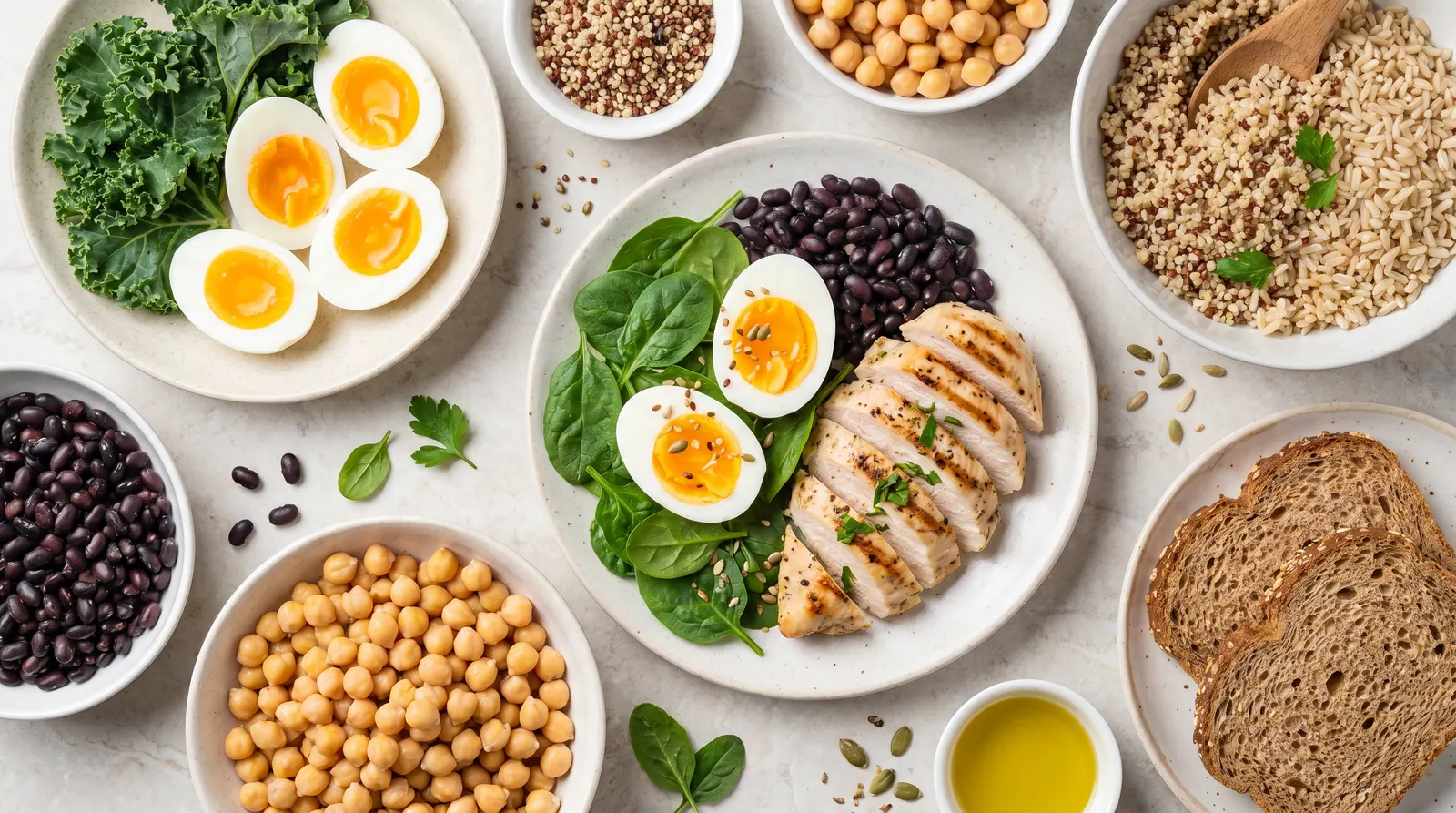
Practical application within an 8-hour window: distribute protein across two to three meals instead of consolidating it into one. Ensure each meal contains a high-quality source like eggs, chicken, fish, dairy, lentils, and legumes. This distribution maintains a steady stream of amino acids that protects muscle during subsequent fasting hours.
Nourishing the Eating Window 2 & 3: Fiber, Slow Carbs, and Hydration
After fasting hours, the appetite tends towards fast-absorbing foods that spike blood sugar sharply and then cause a crash, leading to renewed hunger. Fiber is the antidote: it slows gastric emptying, stabilizes blood sugar, and prolongs satiety. Make half your plate in your post-fast meal consist of vegetables, legumes, and whole grains like oats, freekeh, lentils, and chickpeas, instead of relying solely on white rice and refined bread.
The rule for EEINA readers: start with protein and vegetables, then complex carbohydrates, and delay or significantly reduce desserts and sugary drinks; the order of consumption truly affects blood sugar response.
Hydration is the most misunderstood aspect. During fasting hours, fluid loss continues, and many fasting symptoms like headaches, dizziness, fatigue, and constipation are caused by dehydration or sodium deficiency, not hunger. Drink water regularly during the fasting window where water is permitted, and increase intake during the eating window. Ensure sources of natural electrolytes like vegetables, soups, and dairy, and a little salt in your food. In the Saudi context and extreme heat, hydration becomes a top priority, especially for those fasting during the day. Avoid replacing water with energy drinks or sweetened juices, as they contradict the benefits of fasting on insulin.

Are You Ready for Intermittent Fasting? — A Readiness Check
This screening tool is a guide to help you assess the suitability of fasting for your situation; it does not replace medical consultation. Select what applies to you:
Ramadan: A Natural Model of Intermittent Fasting
Ramadan is the closest to a daily time-restricted eating pattern practiced by millions for a full month, but it differs in being a dry fast without water during the day. A Saudi study on sixty-two women found that after Ramadan: weight loss ranged from 1.9 to 2.1 kg, body fat mass decreased by 0.9 to 1.4 kg while lean mass remained stable, waist circumference reduced, and triglycerides and inflammation markers decreased with a slight drop in fasting blood sugar.
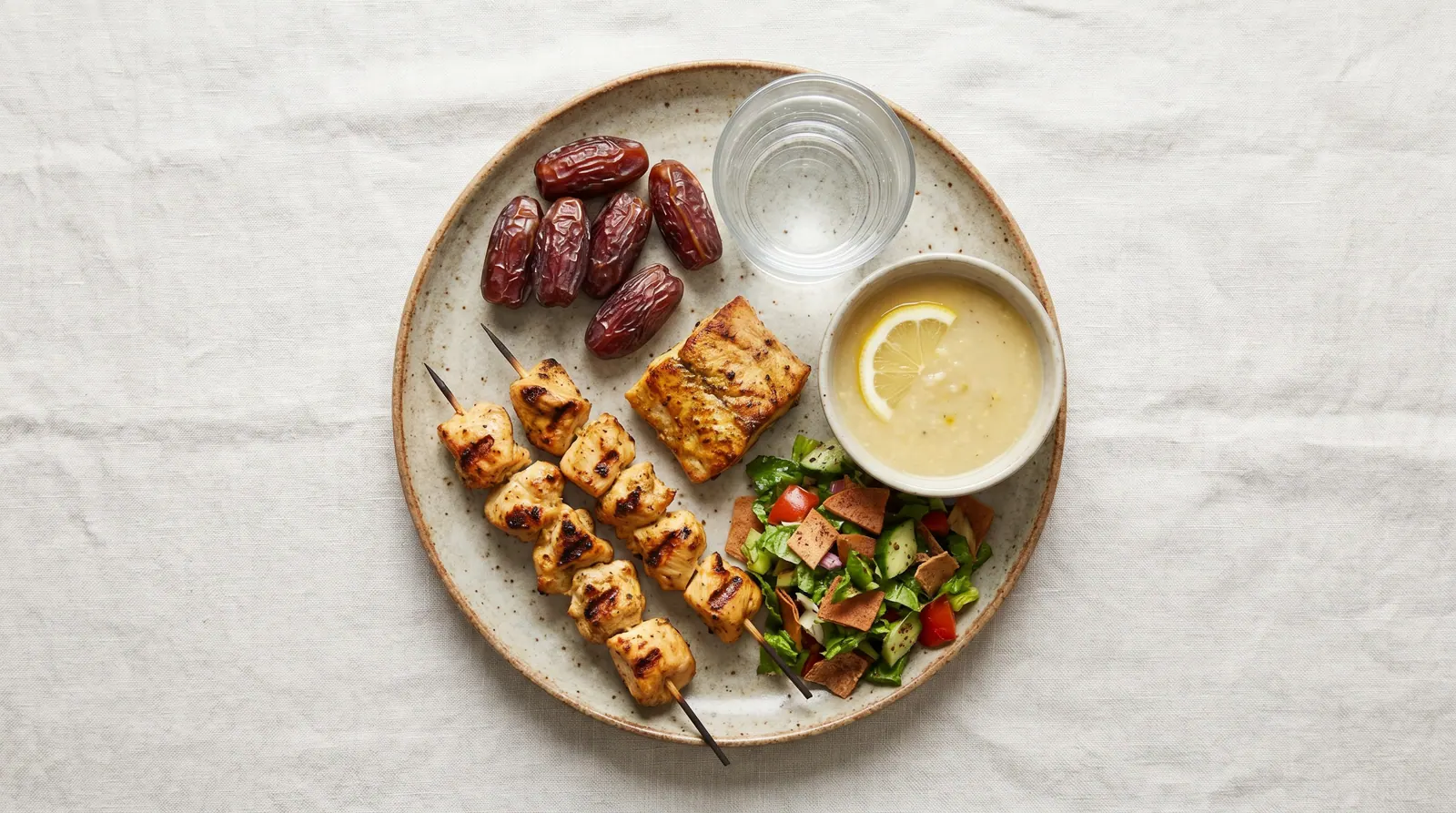
The nutritional message: these benefits are achieved when the iftar meal is balanced. However, when iftar turns into a lavish spread of fried foods and sweets, Ramadan can lead to weight gain. Start iftar gently with dates and water, followed by soup, protein, and vegetables, and delay heavy carbohydrates. Make suhoor rich in protein and fiber to prolong satiety.
Suhoor and Iftar: Saudi Practices. Iftar breaks the fast gently with dates and water, which raise blood sugar mildly and rehydrate. This is followed by a warm soup, like lentil soup, to prepare the stomach, then a balanced main meal with clear protein, ample vegetables, and moderate complex carbohydrates. Avoid starting with fried foods and sweets on an empty stomach, as they spike blood sugar sharply. Suhoor is the defense against daytime hunger: make it slow-digesting, like eggs, yogurt, oats, foul, whole wheat bread, and vegetables, not fast-acting sugars that leave you hungry after a few hours.
Who Should Avoid Intermittent Fasting
Intermittent fasting is not for everyone, and these are not minor details but matters of safety:
- Pregnant and breastfeeding women: It is advised to avoid it due to potential effects on fetal development and lactation.
- Type 1 diabetics and those using insulin or sulfonylurea medications: The risk of severe hypoglycemia is high. Fasting should only be practiced under medical supervision with medication adjustment and blood sugar monitoring.
- Individuals with a history of or current eating disorders: Fasting may exacerbate pathological eating patterns.
- Children and adolescents during growth phases, and those with underweight or malnutrition: Not suitable.
The golden rule for EEINA readers: consult your doctor before any fasting if you are taking chronic medication or have a health condition. Breaking the fast is mandatory if you feel dizzy or experience hypoglycemia.
Five Common Myths About Intermittent Fasting
Half-truths and exaggerations abound regarding intermittent fasting, inflating its promises or neglecting its safety. Here are the most common ones, and what the evidence says:
"Fasting burns fat faster than any diet with the same calories."
"The longer you fast, the more autophagy and benefits you get."
"Water breaks the fast or negates its benefits."
"There's no need to focus on protein as long as I'm fasting."
"Ramadan automatically means weight loss."
Practical Tips to Implement Today
Before the full protocol, here are actionable tips from the core of this article to move you from understanding to action:
- Start with the Milder Approach, Not the Strictest: Choose a 16:8 window for the first week before considering harder patterns like alternate-day fasting; gradual progression reduces headaches, dizziness, and fatigue, increasing the chance of adherence.
- Break Your Window with Protein First: Start your meal with a high-quality source like eggs, chicken, fish, dairy, or lentils. Distribute protein across two to three meals instead of cramming it into one to protect your muscle during subsequent fasting hours.
- Structure Your Plate Correctly: Protein and vegetables first, then complex carbohydrates, and delay or minimize desserts and sugary drinks; the order of consumption alone changes your meal's sugar response.
- Prioritize Hydration, Don't Postpone It: Many fasting symptoms like headaches, dizziness, fatigue, and constipation are caused by dehydration, not hunger. Drink water regularly during the permitted fasting period and increase intake during the eating window, especially in Saudi heat.
- The 'Busy Time' Trick: Coffee or tea without sugar or milk practically doesn't break your fast (outside of Ramadan). Use them with water to get through long work hours without breaking your window.
- Shop Smart for Half Your Plate: Fill your cart with vegetables, legumes, and whole grains like oats, freekeh, lentils, and chickpeas. Reduce white rice and refined bread; fiber stabilizes sugar, prolongs satiety, and prevents rapid return of hunger.
- Add Movement to Protect Your Muscle: Fasting alone isn't enough to preserve muscle. Incorporate resistance training to direct weight loss towards fat rather than muscle.
- What to Tell Your Doctor: If you take diabetes medication like insulin or sulfonylureas, are pregnant or breastfeeding, or have a history of eating disorders, consult your doctor before any fasting. Break your fast immediately if you feel dizzy or experience hypoglycemia.
EEINA's Protocol for a Healthy Fasting Window
An actionable plan combining the above into three progressive layers. Start layer by layer, and focus on filling the window, not on prolonging hunger.
The protocol is based on the New England Journal of Medicine review, meta-analyses of randomized trials, and leucine threshold research.
Choose the Milder Pattern and Stick to It
A rhythm you can adhere to.
Fill the Window Wisely
Food quality before number of hours.
Protect Your Muscle and Listen to Your Body
Sustainable results, not temporary deprivation.
Golden Rule: Fasting opens the door, and nutrition creates the outcome. Don't chase longer hours; instead, optimize filling the window with protein, fiber, and hydration.
| Pattern | How It Works | Nutritional Note |
|---|---|---|
| 16:8 | 8-hour eating window daily | Most sustainable, no calorie counting required, start with this |
| 5:2 | Five normal days, two restricted days (500-800 calories) | The two restricted days require protein and hydration |
| Alternate-Day Fasting | One day of normal eating followed by a day of near-complete fasting | Most stringent and highest dropout rate, greater attention to muscle needed |
| Ramadan | Dry fast during the day, nighttime eating window | Balanced iftar and slow-digesting suhoor, hydration between meals |
Frequently Asked Questions
Is intermittent fasting better than calorie counting for weight loss?
What should I eat first when I break my fast to protect my muscle?
Can I drink coffee and water during fasting hours?
Is Ramadan considered intermittent fasting?
I have diabetes, can I fast safely?
Start Your Next Step with EEINA
Meal Plans for Your Eating Window
Balanced Saudi meals, with clear protein and abundant fiber, intelligently fill your window instead of piling on carbohydrates.
Get Your Plan →Transform Your Favorite Recipes
Modify your favorite Saudi dishes into slower-raising versions, suitable for post-fasting meals.
Try It →The EEINA App
Track your eating window, protein, and hydration, with reminders for water and meals that intelligently balance your window automatically.
Download →